
Where to Stay in Venice: Neighborhoods and Island Bases
Compare San Marco, San Polo, Cannaregio and other Venice bases, with practical tradeoffs for sightseeing, arrival plans and a stay across the water.
AI-assisted guide · Sources and editorial policy
On this page
For a sightseeing-led visit, our starting shortlist is San Polo, San Marco, Cannaregio and Dorsoduro. Choose San Polo to orient the trip around the Rialto area, San Marco to prioritize the principal monuments, Cannaregio for neighborhood evenings, or Dorsoduro for an art-led itinerary. These are editorial starting points: your actual address, room and arrival route should decide between them.
Venice’s historic core is car-free, and its districts are connected by pedestrian bridges across canals, as Travel Lemming explains. That makes the last part of your journey worth examining before you fall for a room photograph. Santa Croce, Castello and a stay across the water offer different ways to organize the trip; they belong in the comparison when their setting serves your plans.
Understand the sestieri before comparing hotel addresses
Travel Lemming names six historic sestieri: San Marco, San Polo, Cannaregio, Castello, Dorsoduro and Santa Croce. It also distinguishes the additional islands of Murano, Burano and Lido from those historic districts, and places Mestre on the mainland. Treat those as different base decisions, rather than interchangeable search results under the broad destination name Venice.
Start a map shortlist with your arrival point and the places you expect to visit repeatedly. A room in the district whose name you recognize is not automatically the most useful address. Compare the particular hotel with those priorities, then decide how much walking or water travel you want in an ordinary day. The car-free setting makes that a practical choice, not merely a question of atmosphere.
Our preference for most sightseeing-led first visits is to compare accommodation within the historic core before widening the search. A repeat visitor who wants a different pace, or someone who intends to spend substantial time at a resort, can make a different choice. Establish which trip you are booking before comparing the rooms: a monument itinerary and a hotel-centered break ask different things of a location.
San Polo: make the Rialto area your sightseeing anchor
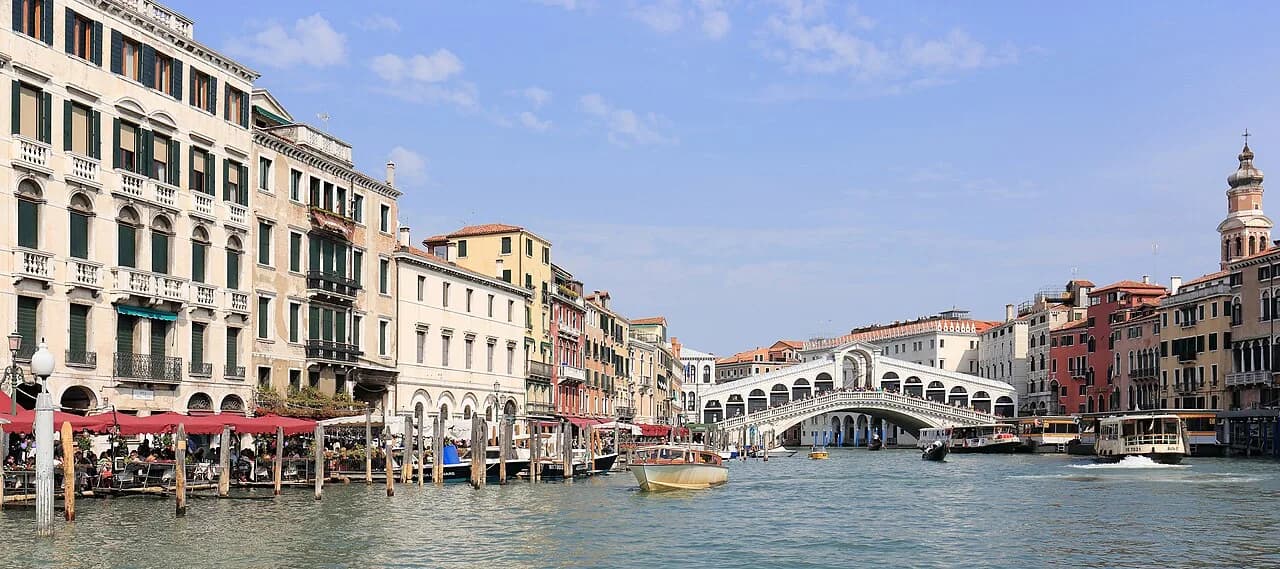
San Polo supplies a concrete starting point for a first visit. Travel Lemming places the Rialto Market, Basilica Santa Maria Gloriosa dei Frari and Scuola Grande di San Rocco here, and identifies the Rialto Bridge as the connection between San Polo and San Marco. Choose it if those places give your itinerary a useful center of gravity.
There is an important distinction between centrality and calm. Travel Lemming considers San Polo less crowded than San Marco, while Go Ask A Local describes San Polo and neighboring Santa Croce as crowded, tourist-oriented central choices. Their assessments support a relative comparison, not a promise of a peaceful district. Our recommendation is to use San Polo for sightseeing convenience and inspect the exact setting if sleep is your deciding factor.
Make the market, Frari and San Rocco part of the itinerary if they appeal. San Polo then serves a group of outings of its own, rather than just a route to San Marco. If almost every plan centers on St. Mark’s, compare San Marco directly.
Travel Lemming notes a smaller hotel selection here than in San Marco. Keep more than one area in the shortlist if your room requirements are strict. It is better to compare a suitable room in a neighboring district than to force an unsuitable room simply to secure the area you initially preferred.
San Marco: put the principal monuments first
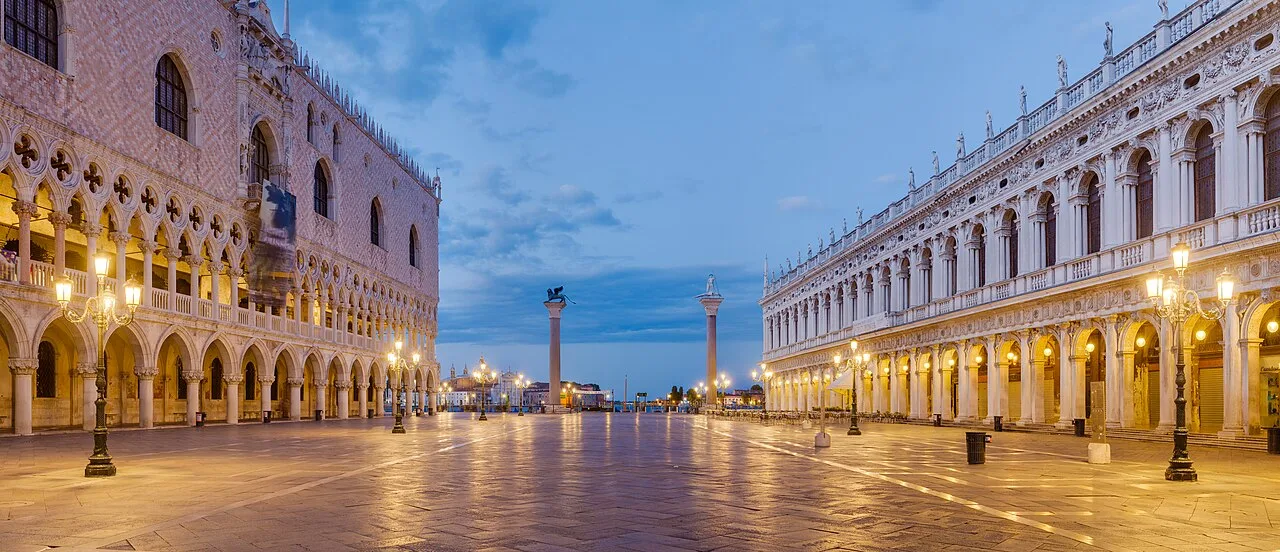
San Marco is the direct choice when the main monuments dominate your visit. Travel Lemming locates St. Mark’s Basilica, the Doge’s Palace, the Bridge of Sighs and Campanile di San Marco in the district, and describes a broad selection of hotels, shops and restaurants. Our editorial recommendation is to shortlist it when returning to those sights matters more than seeking a residential setting.
Travel Lemming describes San Marco as heavily visited and crowded. I would accept that tradeoff when the monuments are the main reason for the trip. If the neighborhood routine matters more, compare another base using the hotel’s exact address rather than expecting the district name to promise calm.
For couples or families, a central sightseeing location can be useful, but it does not answer the room question. A couple may care most about the room outlook; a family may need a particular bed arrangement. Compare those requirements independently of the district’s appeal, then judge the address against the day’s actual plans. Avoid choosing San Marco only because it is the most recognizable name.
Cannaregio: trade some sightseeing convenience for evenings
Go Ask A Local describes Cannaregio as the northernmost sestiere, extending east from the railway station toward the Rialto Bridge. The guide emphasizes restaurants, cafés and everyday businesses serving residents, alongside an evening scene of wine bars. Our judgment is that Cannaregio deserves a place on the shortlist when where you return after sightseeing matters as much as where you start the morning.
The tradeoff is position within the district. Go Ask A Local observes that the parts it especially likes are further from the main sightseeing destinations. Compare the actual address with your monument plans rather than treating all Cannaregio accommodation as equivalent. A railway-oriented candidate and one chosen around evening canals may answer different priorities even though both share the same neighborhood label.
For a longer visit, give the return to Cannaregio’s neighborhood evenings more weight. For a short first trip, compare the actual address against San Polo or San Marco using your repeated sightseeing plans. Choose the routine that appeals rather than treating local character as a guarantee of convenience.
Cannaregio canals: choose the evening setting deliberately
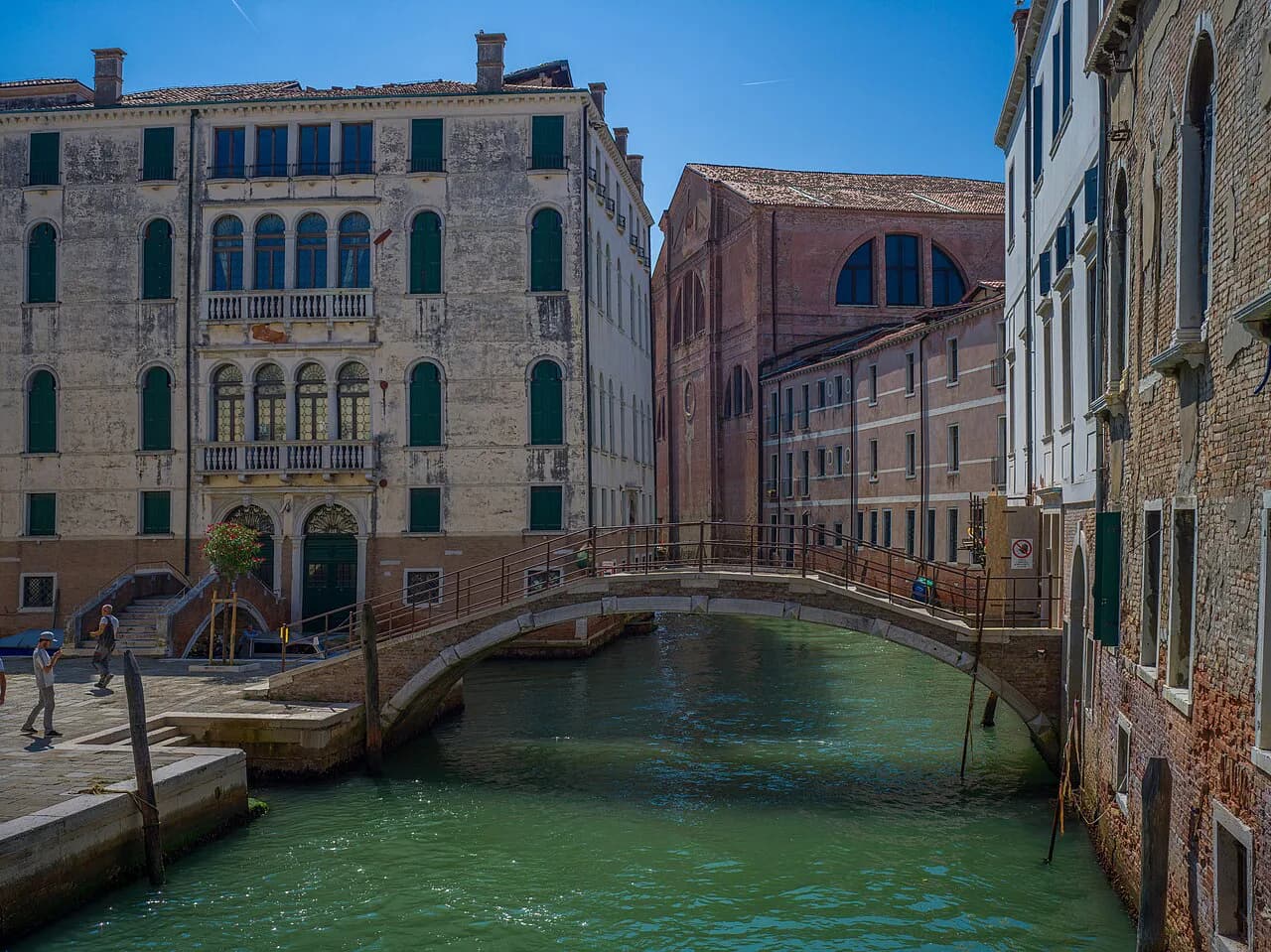
The named evening reference points in Go Ask A Local are Fondamenta della Misericordia and Fondamenta degli Ormesini. The guide describes bacari, the Venetian wine bars, along neighborhood canals, and warns that accommodation near bars can be noisy late. Those details make the room’s position especially relevant if you want the evening scene nearby but also prioritize sleep.
Use these canals as evening references on your hotel map. If your group wants both late outings and early starts, compare a candidate chosen for the evening setting with one chosen for the morning itinerary. Agree which priority should decide the address, then examine the bedroom’s position and recent comments about that particular room.
Go Ask A Local also identifies Strada Nuova as a strolling, shopping and dining street, and discusses the former Jewish Ghetto in Cannaregio. These give the area additional points of interest beyond the bars. If you want the neighborhood itself to form part of the visit, include those references when comparing addresses rather than building the whole choice around a single evening venue.
Dorsoduro: give an art itinerary a useful base
Dorsoduro is across the Grand Canal from San Marco. Go Ask A Local names the Accademia and Guggenheim museums and describes an arts-oriented neighborhood whose university and student presence mixes with visitor activity. Our recommendation is to consider it when art is a principal reason for the trip, rather than a single optional stop on a monument itinerary.
The guide considers Dorsoduro busier and more visitor-oriented than Cannaregio, despite its student presence. That makes it a useful comparison between two different neighborhood priorities: art and a university setting in Dorsoduro, or the resident-oriented evening focus described in Cannaregio. Decide which interests are likely to shape several days of your visit, not just one afternoon.
Put the museum plans and hotel address on the same map. Choose Dorsoduro if you want to return to and explore that art-led setting repeatedly, or compare San Marco if the principal monuments dominate. Either choice can include outings elsewhere; the base should reflect the visits you expect to repeat.
Santa Croce: separate arrival priorities from the Rialto focus
Travel Lemming recommends Santa Croce for a transportation-focused stay. We would investigate it when the first and last journeys are a major deciding factor. Compare the actual accommodation entrance with your arrival point; this area recommendation does not establish that every Santa Croce address, or neighboring San Polo, is beside Santa Lucia station.
Keep Santa Croce’s arrival purpose distinct from San Polo’s Rialto Market, Frari and San Rocco focus. A traveler prioritizing luggage handling may choose differently from one prioritizing repeated sightseeing outings. Compare the journey to each actual entrance rather than using a combined district label.
If your station connection is a fixed part of the itinerary, compare Hotels Near Venice Santa Lucia Train Station after narrowing the base choice. Check the route from your intended arrival point to the accommodation entrance, including the walking and luggage handling you can manage. A station-focused hotel search should answer that practical journey rather than merely match the word station in a listing.
Castello: consider a residential setting for a longer visit
Go Ask A Local presents Castello, in the eastern part of the center, as a greener and more residential option. Our recommendation is to compare it for a longer or repeat visit when exploring the setting itself is part of the appeal. Treat that as a neighborhood preference, not a promise of a quiet room.
Judge the hotel address against the sights you plan to revisit. The guide’s broad warning about longer walks or vaporetto journeys cannot determine the journey from every Castello property. Decide whether the particular address serves your itinerary before treating the district as an inconvenient or secluded choice.
For a repeat visit, compare Castello with Cannaregio through the evening you want. If exploring the residential setting is the attraction, investigate Castello; if wine-bar canals matter more, use Misericordia and Ormesini in Cannaregio as the references. That is a specific choice between interests, rather than a reason to assume every residential hotel supplies the same facilities.
Giudecca: distinguish future hotel plans from a current stay
Hotel Cipriani is on Giudecca, but its current Belmond notice changes the stay decision. As checked on October 13, 2026, the hotel is closed, with reopening planned for June 1, 2027. It belongs in future planning rather than an immediate accommodation shortlist. The separate Cip’s Club opening notice does not reopen the hotel for stays.
If sleeping across the water is part of the holiday you want, compare an actual operating property and its arrival arrangements with a base in the historic districts. Give the hotel setting time in the itinerary. For a visit driven mainly by repeated monument or museum outings, compare that daily plan before choosing an accommodation across the water.
Isola delle Rose: compare a resort-led stay with the core
JW Marriott Venice is on the private island of Isola delle Rose, as Condé Nast Traveler describes. Marriott’s current accommodation page separates main-building rooms and suites from JW Retreats residences with private gardens and dedicated check-in. The main building houses the Rooftop Pool Deck, Sagra restaurant and Rose Lounge Bar; arrival is by boat.
Choose this format when time at the property is part of the holiday. If private outdoor space drives the decision, compare the exact residence or room category; the page also describes some private-pool accommodation, without giving every room a garden or pool. Plan how often you want to leave the island before filling each day with sightseeing.
For travelers considering luxury hotels, the private-island format answers a different preference from a hotel chosen around the Rialto or San Marco monuments. First decide whether the hotel setting or repeated sightseeing is the greater draw, then compare the actual room and the journeys that choice involves.
Mestre and outer islands: choose them for a defined purpose
Travel Lemming distinguishes mainland Mestre from the historic core and names Murano, Burano and Lido as additional islands outside the six historic districts. Go Ask A Local favors central districts for a short sightseeing visit and argues against a mainland or outer-island base for that trip shape. We treat that as a preference tied to itinerary, rather than a universal reason to exclude those alternatives.
Our recommendation is to widen the search only when you can name the benefit you want from the alternative base. If the place where you sleep is itself a major focus, give it proper space in the itinerary. If almost every planned activity is in the historic districts, compare the full daily journeys before choosing an address elsewhere. The destination name alone does not make those journeys interchangeable.
For a budget-led search, compare actual total costs for your dates and party, including the travel you expect to make. For a trip involving a car, establish the parking and onward-arrival arrangements with the relevant providers. These practical checks should decide whether the alternative works; an area label cannot promise a lower overall bill or a parking space at the property.
Choose the room after choosing the trip’s center of gravity
A canal setting is one reason people compare Venice accommodation, but it needs room-level scrutiny. Condé Nast Traveler describes the Venice Venice Hotel as having some rooms with internal courtyard outlooks and others overlooking the water and Rialto Bridge. A hotel’s setting therefore does not by itself specify the view from the room you are considering.
For families, identify the bed arrangement and occupancy you need before comparing attractive locations. For couples, decide whether the outlook, the neighborhood or time at the property is the main preference. Groups should agree on the arrival plan and evening routine. Apply those priorities to the shortlist rather than assuming that any hotel in the chosen area will satisfy them.
If a particular outlook drives the booking, request the exact room-category description before committing. Compare that room with the arrival route and the neighborhood you shortlisted. This gives you a useful order for the final decision: establish the setting you want, identify the room that actually offers it, then make sure the rest of the stay works around that choice.
Make the address earn its place in the itinerary
For a first sightseeing visit, start by comparing San Polo and San Marco, then add Cannaregio or Dorsoduro if their neighborhood interests better match your evenings or museum plans. Consider Santa Croce when the arrival route is decisive, Castello for a different residential focus, and an island property when the hotel itself is part of the holiday. Finish with the actual address, room category and journey you can manage.
Explore more Venice guides
- Best Area to Stay in Venice for 2 Nights
- Best hotels in venice italy for families
- Cannaregio Venice Hotels
- Dorsoduro Venice Hotels
- Hotels Near Venice Marco Polo Airport
- Hotels Near Venice Mestre Train Station
- Hotels Near Venice Santa Lucia Train Station
- Luxury Hotels in Venice, Italy
- Venice Hotels With Canal Views
- Where to Stay in Venice for Couples
- Where to Stay in Venice for First Timers
- Where to Stay in Venice Near the Cruise Port
- Where to Stay in Venice on a Budget
- Where to Stay in Venice With a Car
- San Marco Venice Hotels
- Boutique Hotels in Venice
- Spa Hotels in Venice
Frequently Asked Questions
Where should first-time visitors stay in Venice?
Our starting comparison is San Polo versus San Marco: the Rialto-area sights versus the concentration of principal monuments. Add Cannaregio for neighborhood evenings or Dorsoduro for an art-led itinerary. Choose the particular address around the places you plan to visit repeatedly.
Is San Polo quieter than San Marco?
Travel Lemming considers San Polo less crowded than San Marco, while Go Ask A Local describes San Polo and neighboring Santa Croce as crowded central areas. Use the comparison as relative context. Check the precise hotel setting and room position if quiet is a deciding requirement.
Which Venice base suits art lovers?
Dorsoduro is our starting choice for an art-led visit because Go Ask A Local identifies the Accademia and Guggenheim museums there. San Polo also deserves consideration if Frari and San Rocco are central to your plans. Compare your actual museum itinerary with the hotel address.
Is Cannaregio a good choice for evening outings?
Go Ask A Local describes wine bars and an evening scene, with Fondamenta della Misericordia and Fondamenta degli Ormesini as reference points. It also warns of late noise near bars. Decide how close you want to be to that setting and check the bedroom’s position before booking.
Should families choose a central hotel or an island stay?
Choose around the family’s planned days and sleeping arrangement. A central base can suit repeated sightseeing outings; an island stay can suit deliberate time at the property. Compare the specific room and actual arrival plan. A district or resort label does not establish child facilities, permitted occupancy or the daily routine that will work for your family.
Is Mestre or an outer island a good base for a short visit?
Our starting preference for a short sightseeing visit is the historic core. Consider Mestre, Murano, Burano or Lido when you have a clear reason to sleep there and have compared the full daily journeys. Assess actual costs and arrival arrangements instead of relying on the area’s label.
Sources
- Where to Stay in Venice (Best Hotels & Areas in 2026)
- 15 Dreamy Hotels in Venice to Book for Your Next Italian Getaway | Condé Nast Traveler
- Where to Stay in Venice - A Local’s 4 Favorite Areas — Go Ask A Local
- Hotel Cipriani: current operator closure and property description
- JW Marriott Venice | Isola delle Rose accommodation settings
You might also like


Continue reading
More guides you'll find useful




_view_from_Grand_canal.jpg)