
Where to Stay in Barcelona: Compare Neighborhood Bases
Compare Barcelona bases around Gothic landmarks, Modernist streets, El Born and separate parks, then choose the address and room for your daily plans.
AI-assisted guide · Sources and editorial policy
On this page
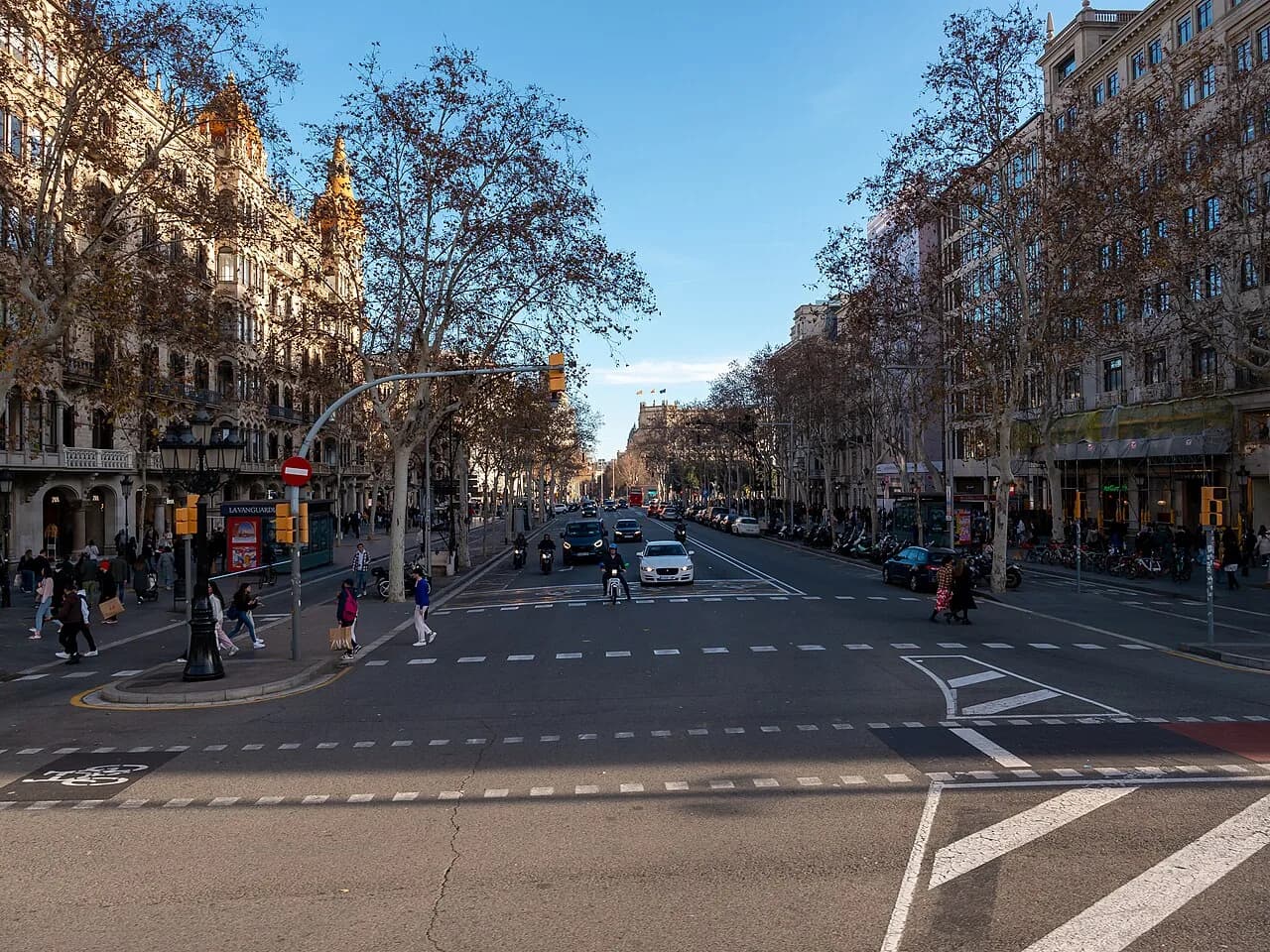
Our starting comparison for where to stay in Barcelona is the Gothic Quarter for a trip organized around its historic places, or the Eixample around Passeig de Gràcia for a Modernist architecture interest. Add El Born when its named streets and cultural setting appeal, or investigate a park-oriented address when time outdoors is an intended part of the stay.
Choose the neighborhood around the days you want to repeat, then compare the particular room. A base selected for one major outing can serve a different purpose from one selected for the time before breakfast or after dinner. The useful shortlist makes that preference clear.
This citywide guide develops the actual geographic interests behind those choices, including the distinction between Ciutadella and Glòries. Our recommendations are conditional editorial judgments. They help organize an accommodation search without assigning every visitor one district or predicting the experience of every room.
Begin with two central choices, then add a specific alternative
A Tripadvisor contributor recommends the upper Barri Gòtic between Plaça de Catalunya and Plaça Sant Jaume, or central Eixample near Passeig de Gràcia. We would use those named pockets as an initial comparison, then decide which of the documented interests below deserves more time in the trip.
Choose the Gothic comparison when the historic places are a reason to spend time around the base. Choose the architecture-oriented alternative when you intend to make room for it in the day. Start with your priority outing, then identify the experience you would like before and after it. A famous neighborhood name is most useful when it represents something you plan to do.
Add another option when it solves a specific need: a Plaça de Catalunya reference, the cultural streets around El Born, or a particular park interest. Choose one reason to investigate the alternative, then assess the proposed address against your main plans. Keep Ciutadella and Glòries as separate comparisons.
Use Plaça de Catalunya as a geographic reference
The tourism office describes Plaça de Catalunya as a meeting point joining the Eixample and the old town, with shopping centers and department stores around it. That gives a concrete geographic reference for comparing an address. It does not prescribe a radius within which every hotel serves the same itinerary.
Our suggestion is to use the square as one map reference, then compare your candidate address with the places you expect to visit repeatedly. A hotel can fall within a broadly central search and still suit a different daily routine from another central hotel. The route to a favorite sightseeing area or an evening meeting point may matter more than a central label.
Begin with the place you expect to return to after the main outing. If you plan a break before dinner, compare the address with both parts of that day. If you leave in the morning and return only at night, the same map reference may have a different role. Decide which repeated journey or meeting arrangement will actually influence the stay.
Gothic Quarter: choose named historic interests
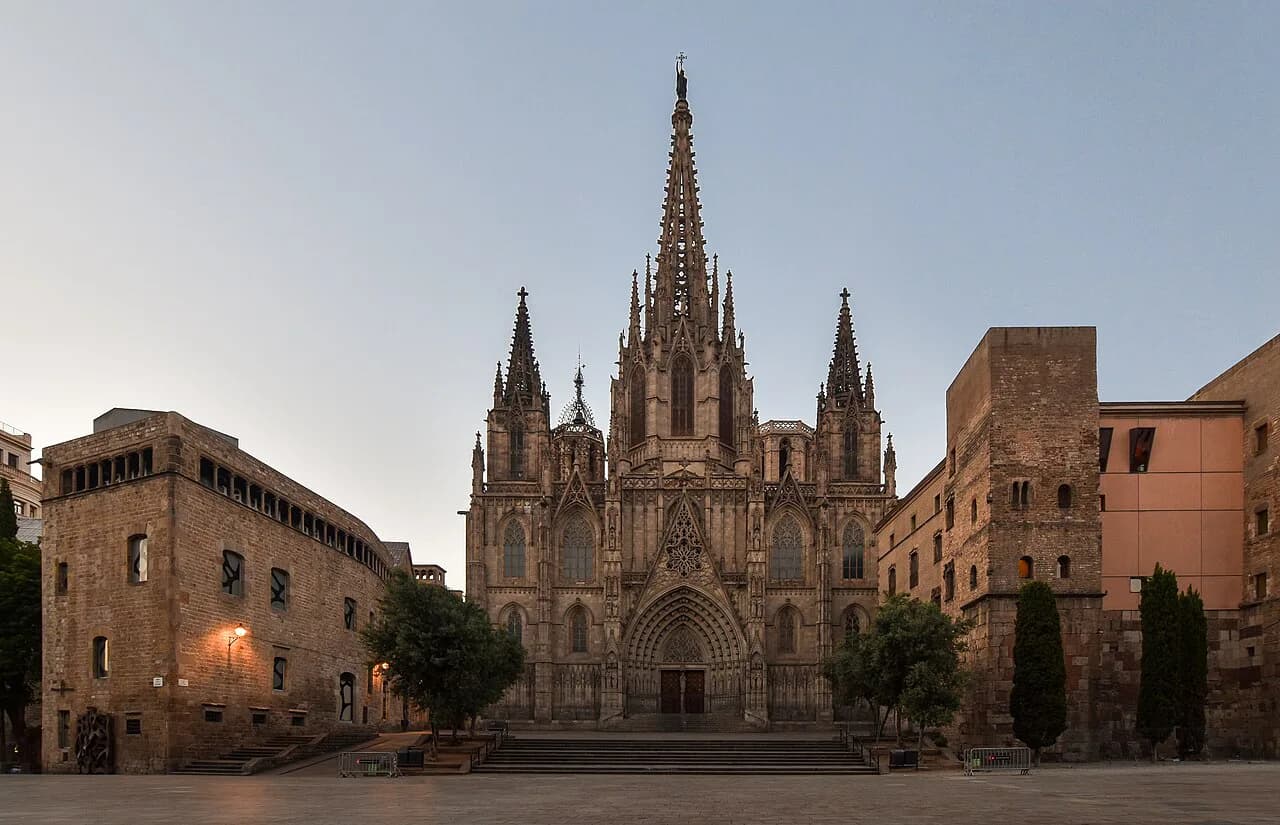
The official Gothic Quarter description identifies the Cathedral, City Hall and Palau de la Generalitat, with the Call near Plaça Sant Jaume. It also describes Plaça del Rei and Plaça de Sant Felip Neri behind the Cathedral. These named places supply concrete interests for a historic-area shortlist.
The historic, medieval atmosphere is the main reason to choose this comparison. Choose that atmosphere because you want it, and use your itinerary to decide whether the particular address is practical for the places you intend to go.
Compare how you would use the setting with how you would use a room chosen elsewhere. If several historic outings are planned, give each an actual place in the itinerary. If the neighborhood is chiefly somewhere you want to explore once, preserve that visit while keeping another base in the comparison. The sightseeing preference and sleeping address can be decided separately.
Eixample: compare the architecture around Passeig de Gràcia
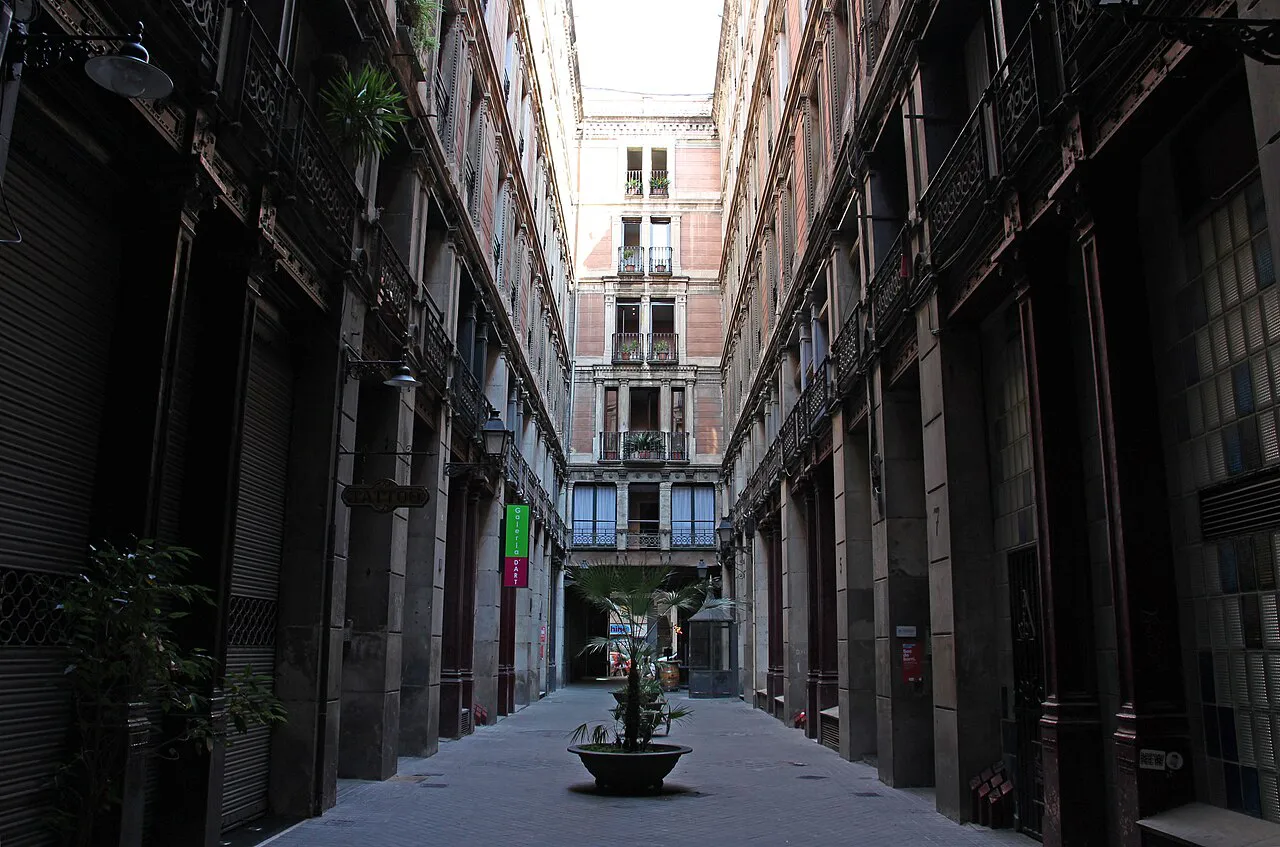
The tourism office places the Quadrat d’Or between Carrer Aribau and Passeig de Sant Joan, around Passeig de Gràcia. Its description focuses on Modernist buildings and decorated façades, including work by Gaudí, Domènech i Montaner and Puig i Cadafalch. This is a particular architectural interest within the wider Eixample.
We would begin here when looking at architecture is something you want to make part of several days. Give that interest time outside your principal scheduled visit. A traveler who hopes to notice buildings while spending time around the base is choosing a different routine from someone whose architecture plans all happen in one outing.
Use Hotels in Eixample, Barcelona for the narrower accommodation comparison after choosing this interest. Consider the room and arrival alongside the location you intend to use; the architecture of the surroundings does not describe the interior of the category you will book.
Rambla de Catalunya: compare a particular boulevard setting
The official Rambla de Catalunya description places the boulevard parallel to Passeig de Gràcia and Carrer Balmes in the Eixample. It identifies Modernist details along the buildings and shopping along the street. This gives the full street name a specific role in the accommodation comparison.
Rambla de Catalunya and La Rambla should remain distinct entries when searching for a room. Preserve the complete street name and compare the actual entrance with the setting you intended to choose. Shortening both to a familiar word makes the location decision less precise.
We would investigate this boulevard setting when browsing and looking at the street are intended parts of the holiday. Compare that routine with the architecture-oriented candidate above or a historic-area candidate. Decide where you want unplanned time to happen, then select the accommodation around that preference.
La Rambla: choose around the places you intend to use
The tourism office’s La Rambla description identifies the Gran Teatre del Liceu, Palau de la Virreina and Boqueria Market along the boulevard, with Mirador de Colom where it reaches the sea. We would use those named interests to assess a proposed address rather than rely on a broad recommendation to book or avoid the street.
If a hotel on or near Las Ramblas appeals, compare what you want from that address with what you would gain from an off-street candidate. The relevant choice might be a recognizable meeting point versus a different immediate setting. Use the actual entrance and your planned outings to make that comparison instead of selecting the name simply because you recognize it.
If one of these places is a principal reason for the trip, put that visit beside the room you are considering. Decide whether being around the street on several days is the preference, or whether the plan is one particular outing. Then compare an alternative that meets the same accommodation requirements. The familiar name gives you a starting reference; your plans should settle its value.
El Born and La Ribera: choose the cultural streets deliberately
The tourism office’s descriptive guide connects Passeig del Born with Santa Maria del Mar and identifies art galleries and museums in the medieval mansions of Carrer Montcada. These named places give a cultural itinerary concrete reference points when comparing an address.
Use the named streets and cultural interests to test a particular address. Put your priority outings and evening plans beside the candidate, then compare the other base on the same terms. A geographic description supplies a reason to investigate; the exact address lets you decide whether that reason belongs in your stay.
For the accommodation-style question, use our boutique hotels guide after deciding which setting interests you. The particular building or room can become a reason to choose, while the neighborhood decision remains about the places and routine you want nearby. Compare those two preferences together before committing to a candidate.
Parc de la Ciutadella: give a park visit its own purpose
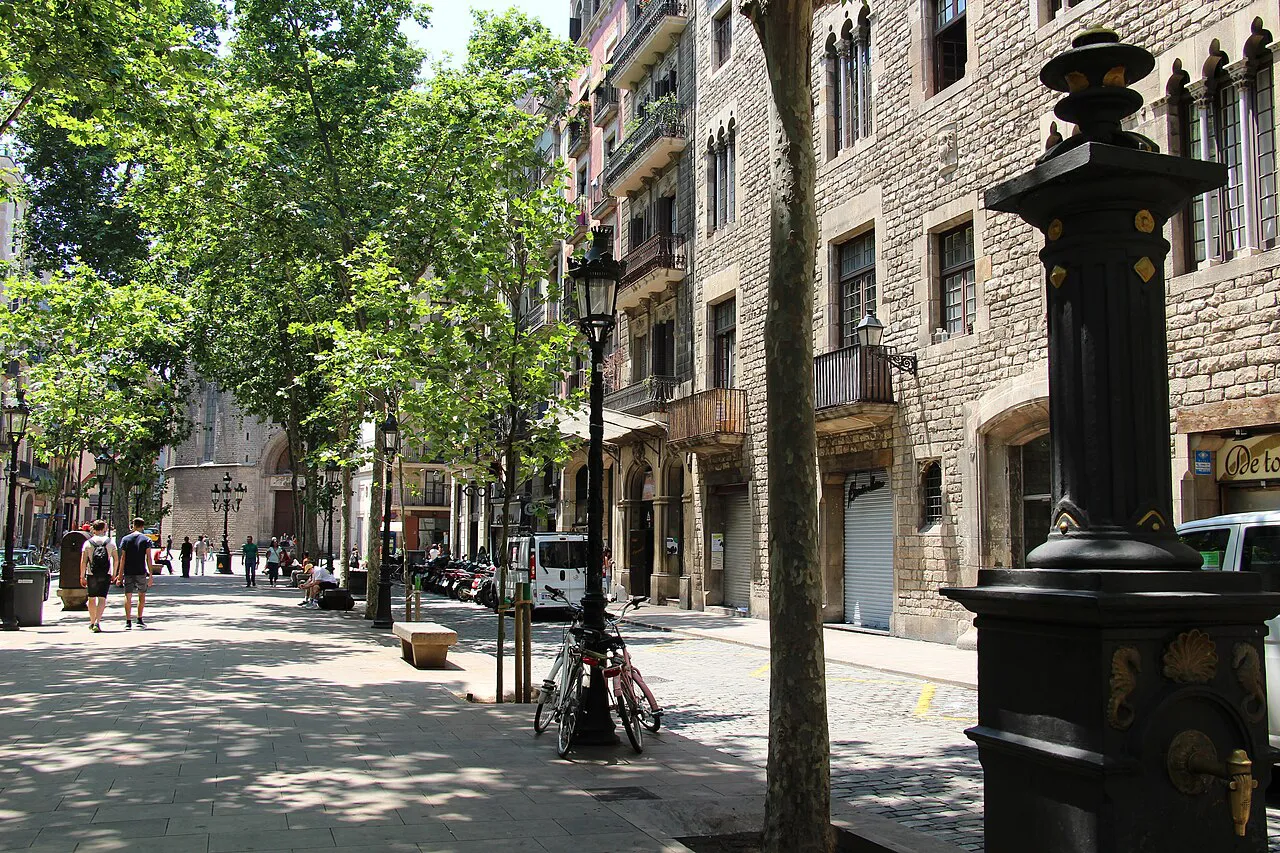
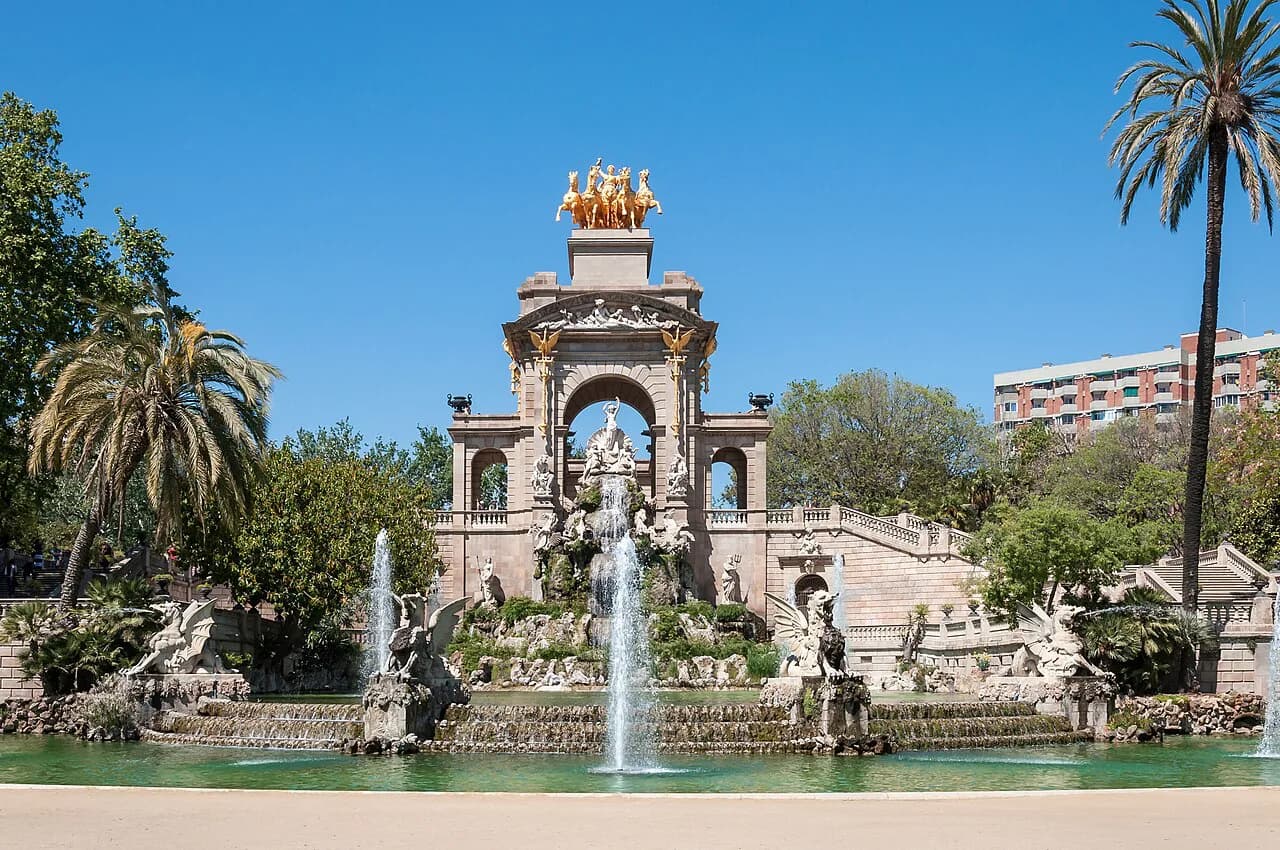
The official Parc de la Ciutadella page describes a lake and waterfall, the Umbracle and Hivernacle, and a giant mammoth among the park’s features. The Catalan Parliament occupies the former military arsenal. This is a particular park setting to consider in your plans, separate from Glòries.
For a family or group, think about the breaks between the main activities as well as the activities themselves. A park-facing address may be useful if a park visit belongs in those breaks.
Compare this example with the central Gothic and Eixample candidates using your whole group’s plans. One person may value the park outing while another values the route to a sightseeing stop. The useful decision is which combination you would repeat over the stay. Use the park-facing address as one benefit, then compare how each candidate supports your other outings.
Glòries: assess a separate park-oriented base
The city council describes Gran Clariana as a lawn within Parc de les Glòries, together with recreation spaces and Rambla dels Encants, which follows Carrer Cartagena between Consell de Cent and Diagonal. It gives the park address as Plaça de les Glòries Catalanes 1. Use this particular setting for a separate comparison.
We would investigate a candidate around this park when spending time outdoors here is something you actually want. Keep it distinct from the Ciutadella comparison. Decide which park interests the party, then assess the proposed address against the other outings rather than treating all park-oriented accommodation as one area.
Families and groups: compare shared plans before an area label
For a family, choose the sleeping arrangement and the outing everyone wants to enjoy together. A park break, cultural visit and return to the room can ask different things of an address. Compare those plans with a category that actually accommodates the party; a broad family recommendation does not establish the beds or occupancy you need.
If the party wants outdoor time, decide whether it will be a shared afternoon or an optional break for some companions. Give one park candidate a clear purpose, then compare a second address around the other main interest. This keeps the person making the booking from choosing every day’s routine for the whole group.
Couples and solo travelers: choose the time around the room
For a pair, agree on the time you want to spend together around the base as well as the scheduled outings. A cultural plan with open afternoons can lead to a different shortlist from a trip organized around one event each day. Choose two addresses that give those preferences clear roles, then compare the room you would receive.
For a solo stay, decide how much of the day you want planned. A room selected around a principal visit can support that purpose; a base selected for unplanned street time can serve another. Think about the part of the day you most enjoy before using someone else’s traveler label to decide the neighborhood.
Treat accommodation character as its own preference. If a particular interior or shared space attracts you, evaluate the actual property description alongside the location. A design-led choice can be deliberate, but it should still fit the itinerary and room requirements. The neighborhood description alone cannot establish that experience.
Western Eixample: compare different local landmarks
The tourism office’s Esquerra de l’Eixample description connects Avinguda de Roma with the left-side sections of the district. It identifies the university at Plaça de la Universitat, Mercat de Sant Antoni and, farther west, Parc de Joan Miró with the sculpture Dona i Ocell. These supply different interests from the Passeig de Gràcia architecture comparison.
We would extend the shortlist here when one of those interests is a positive reason to choose the base. Compare it with the initial Eixample candidate using the same planned day. A district can contain several settings worth investigating; decide which one changes your own itinerary instead of making the entire label stand for one hotel experience.
If work sessions shape the stay, assess that need alongside the address rather than infer it from a neighborhood. Identify where you expect to work, what the booked accommodation must provide and how companions will spend that time. Choose the base for the combined day, including the shared evening after the work is finished.
Turn the comparison into two addresses and one final decision
First choose the main reason for the base: historic places, Modernist architecture, a particular boulevard or cultural-street setting, or one of the separate park interests. Then keep two addresses that serve that reason. This prevents a long list of appealing neighborhoods from replacing the actual accommodation decision.
Compare each address with the outings you would repeat, the transport you expect to use and the kind of hotel time you want. For a short visit, give repeated routes more weight; for a longer stay, consider how the hotel’s shared spaces and immediate setting affect the routine. These are our planning judgments, rather than a fixed rule about an ideal trip length.
Finally, compare the exact room or unit and the full-stay terms for your requirements. Ask about essential features, room position, access needs and any facility you intend to use. Keep those property questions at this final stage, where answers can settle a real choice between two candidates rather than adding more names to the list.
Choose the setting and room together
Begin with a historic or architecture-oriented candidate, then add an alternative when the itinerary gives it a purpose. Keep the two park settings separate and preserve complete street names. Finish with two actual addresses, a clear reason for each and a room whose arrangement fits the party. Choose the tradeoff you want to repeat over the stay. If you are combining this trip with the Costa Brava, see our guide to where to stay on the Costa Brava.
Explore more Barcelona guides
- Barcelona Sants Hotels
- Best Areas and Stays Near Barcelona's Beaches
- Best Hotels in Barcelona for Couples
- Best Hotels in Barcelona for Families
- Best Hotels in Barcelona's Gothic Quarter
- Best Hotels in Gràcia, Barcelona
- Boutique Hotels in Barcelona
- Cheap Hotels in Barcelona City Centre
- El Born Barcelona Hotels
- Hotels in Eixample, Barcelona
- Where to Stay in Barcelona for First Timers
- Where to Stay Near Barcelona's Cruise Port
- Hotels in Barcelona Near the Train Station
- Pet-Friendly Hotels in Barcelona
- Luxury Hotels in Barcelona
- Accessible Hotels in Barcelona
- Spa Hotels in Barcelona
- Hotels in Barcelona With Parking
- Serviced Apartments in Barcelona
- Hotels in Barcelona With a Swimming Pool
Frequently Asked Questions
Which Barcelona areas should I compare first?
Our starting comparison is a Gothic candidate for historic interests versus an Eixample candidate for Modernist architecture. Choose the places you want to spend time around, then compare another setting when it answers your plans in a different way.
What does central mean when choosing a Barcelona hotel?
Use Plaça de Catalunya as a reference joining the Eixample and old town. Then compare each actual address with the outings, returns to the room and meetings you intend to make. A central label alone cannot settle the choice.
Are Rambla de Catalunya and La Rambla the same?
Keep the complete names separate. Rambla de Catalunya is the Eixample boulevard running parallel to Passeig de Gràcia and Carrer Balmes. Compare the intended street and actual entrance before selecting accommodation.
Should I avoid La Rambla when choosing a base?
Choose by the place you intend to use and the room offered. Compare an appealing address with an alternative that meets the same requirements. Give the street a purpose in the trip rather than apply a blanket book-or-avoid rule.
Are Ciutadella and Glòries one accommodation area?
Keep these park-oriented comparisons separate. Decide which park you want to spend time around, then compare its proposed accommodation address with the rest of the itinerary. A shared interest in parks does not make two bases interchangeable.
How should families or groups choose a Barcelona base?
Start with the actual party, sleeping arrangement and main shared outing. Decide how returns to the room and optional activities will work, then compare two addresses against that plan. Select the booked category and neighborhood together.
Does a neighborhood recommendation guarantee a quiet room?
A neighborhood preference does not establish the conditions of a particular room. If sleep requirements are essential, discuss the offered category and position with the property, then compare the actual accommodation alongside the area choice.
Sources
- Retained forum first-visit pockets only
- Official Gothic Quarter named places
- Official Rambla de Catalunya
- Official El Born and La Ribera descriptive geography
- Official Parc de la Ciutadella
- City Council Parc de les Glories main description and address
- Official western Eixample landmarks
- Official Placa de Catalunya
- Official La Rambla
- Quadrat d’Or | Official Barcelona tourism
You might also like


Continue reading
More guides you'll find useful
.jpg)

