Where to Stay in Florence: Areas and Base Tradeoffs
Compare Florence bases around the Duomo, San Lorenzo, Oltrarno and Santa Croce, then choose around sightseeing, neighborhood interests and room needs.
AI-assisted guide · Sources and editorial policy
On this page
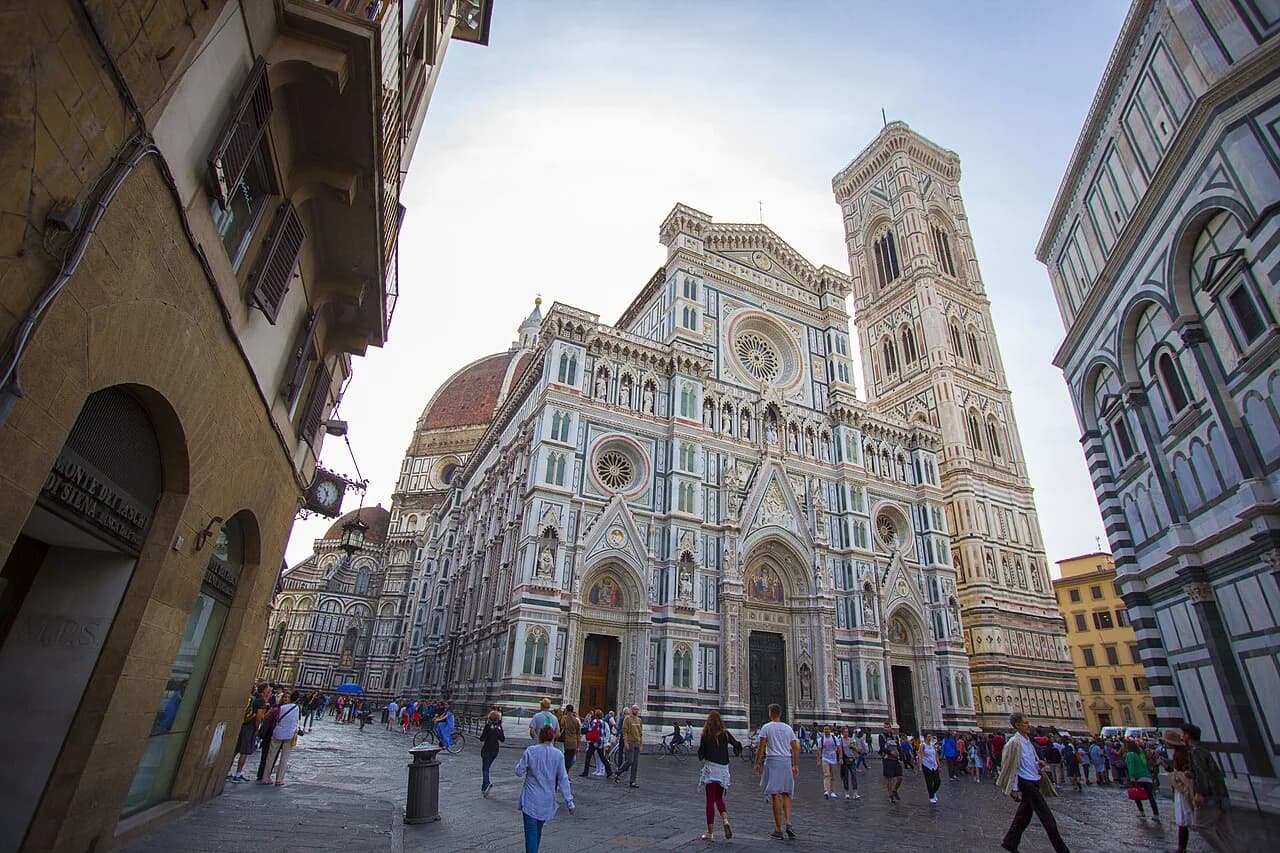
Our starting choice for where to stay in Florence is the historic center around the Duomo or San Lorenzo for a sightseeing-led first visit. Consider Oltrarno for an artisan-oriented setting across the Arno. The right base depends on the part of Florence you want close to the room and the way you will spend each day.
The useful comparison is between parts of Florence you intend to use: the Duomo and San Lorenzo for a central sightseeing plan, the Oltrarno streets around Santo Spirito and Pitti, or Santa Croce and Sant’Ambrogio for squares and market-led exploration. Choose the surroundings that belong in your day, then select the room that supports it.
Our recommendations are editorial choices based on the cited area descriptions. This guide selects a base and daily routine, rather than ranks hotels or promises facilities. In a city where several areas may serve the same sightseeing list, the difference often lies in what you want nearby between those visits.
Central Florence: prioritize the sightseeing itinerary
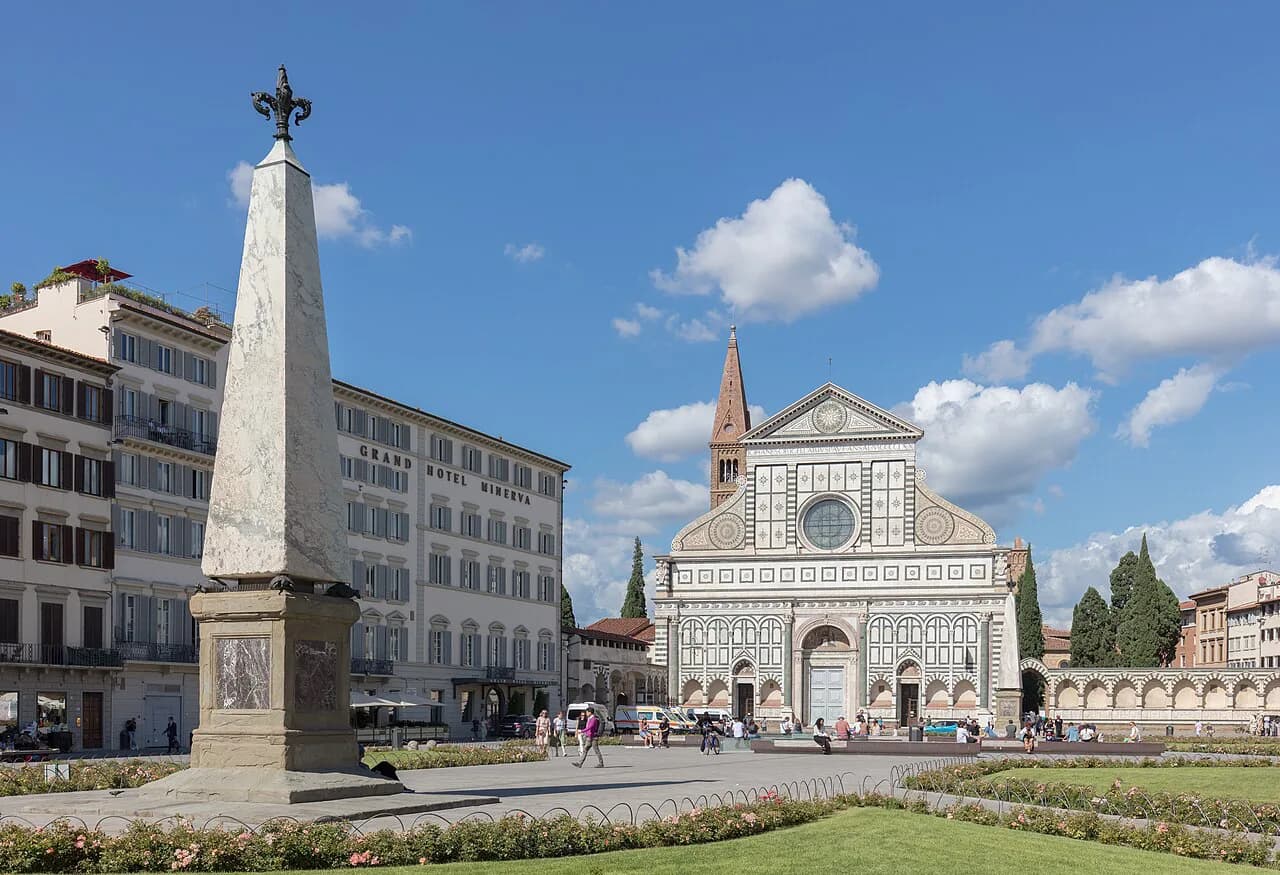
NomadicChica’s central Florence description lists the Cathedral and Duomo, Piazza della Signoria, the Uffizi, Santa Maria Novella and Santa Croce churches, and Ponte Vecchio. We would use those named landmarks to build a sightseeing-led shortlist, then choose an address around the visits that matter most to you.
A useful central comparison begins with the sequence of your outings. Do you want a cathedral-focused day, a substantial museum visit, or several shorter stops? Decide where you expect to begin and end, and whether a return to the room belongs in the middle. That gives the location a purpose beyond its description as central, while leaving space for the way you prefer to spend the day.
For a short visit, map the room with the places you most want to see, including the point where you expect the day to end. Centrality is useful when it serves that actual route. It is less useful as an abstract label if the room does not work for the party or the places you want to visit.
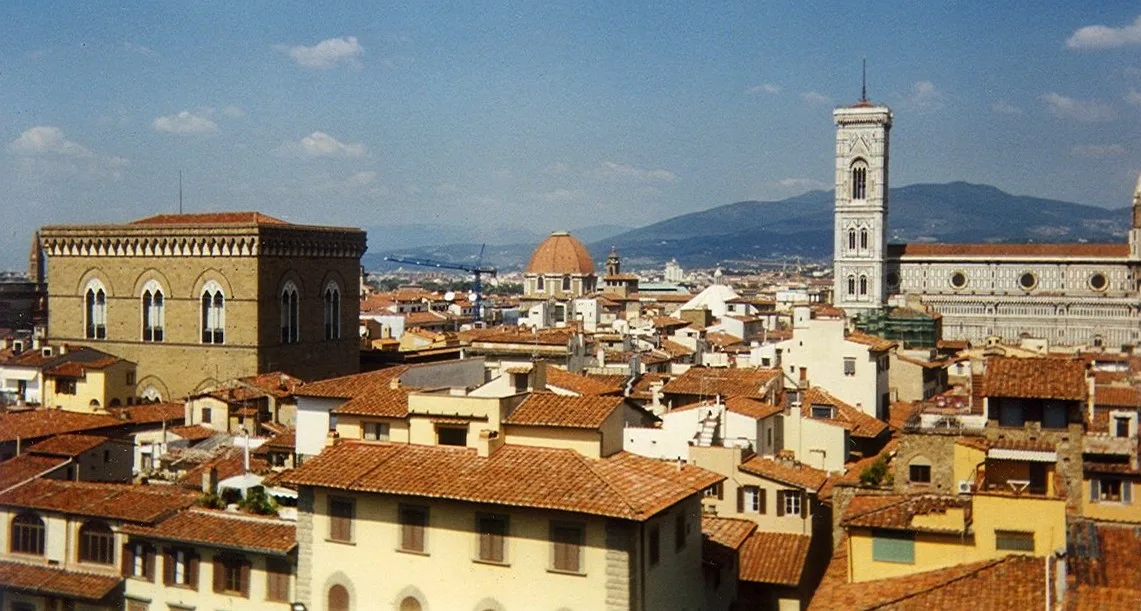
Duomo and San Lorenzo: compare landmark and market plans
We would investigate the Duomo and San Lorenzo shortlist when a landmark outing and food time are both priorities. Decide which one you want to shape the day. A room selected around a cathedral visit answers a different need from one selected around a meal stop, even when both candidates appeal for the same overall trip.
Mercato Centrale’s operator identifies its Florence venue on the first floor of the historic covered San Lorenzo market. It describes food artisans and their shops as the focus of the offer. That gives you a particular food-hall setting to compare with a cathedral-led base, rather than a general prediction about activity throughout the neighborhood.
Compare the day you would build around each candidate. If a meal stop is part of the plan, give it its own place between the larger outings. If the landmark visit is the reason for choosing the room, prioritize that sequence instead. You can keep both interests in the trip while letting the activity you expect to repeat determine the first accommodation search.
When comparing Florence Hotels Near the Duomo, start with the room that fits your party, then check how its address serves the cathedral and the other stops you have planned. The label is a location preference rather than proof of a view, an entrance arrangement or any particular facilities.
Oltrarno: investigate an artisan-oriented stay across the Arno
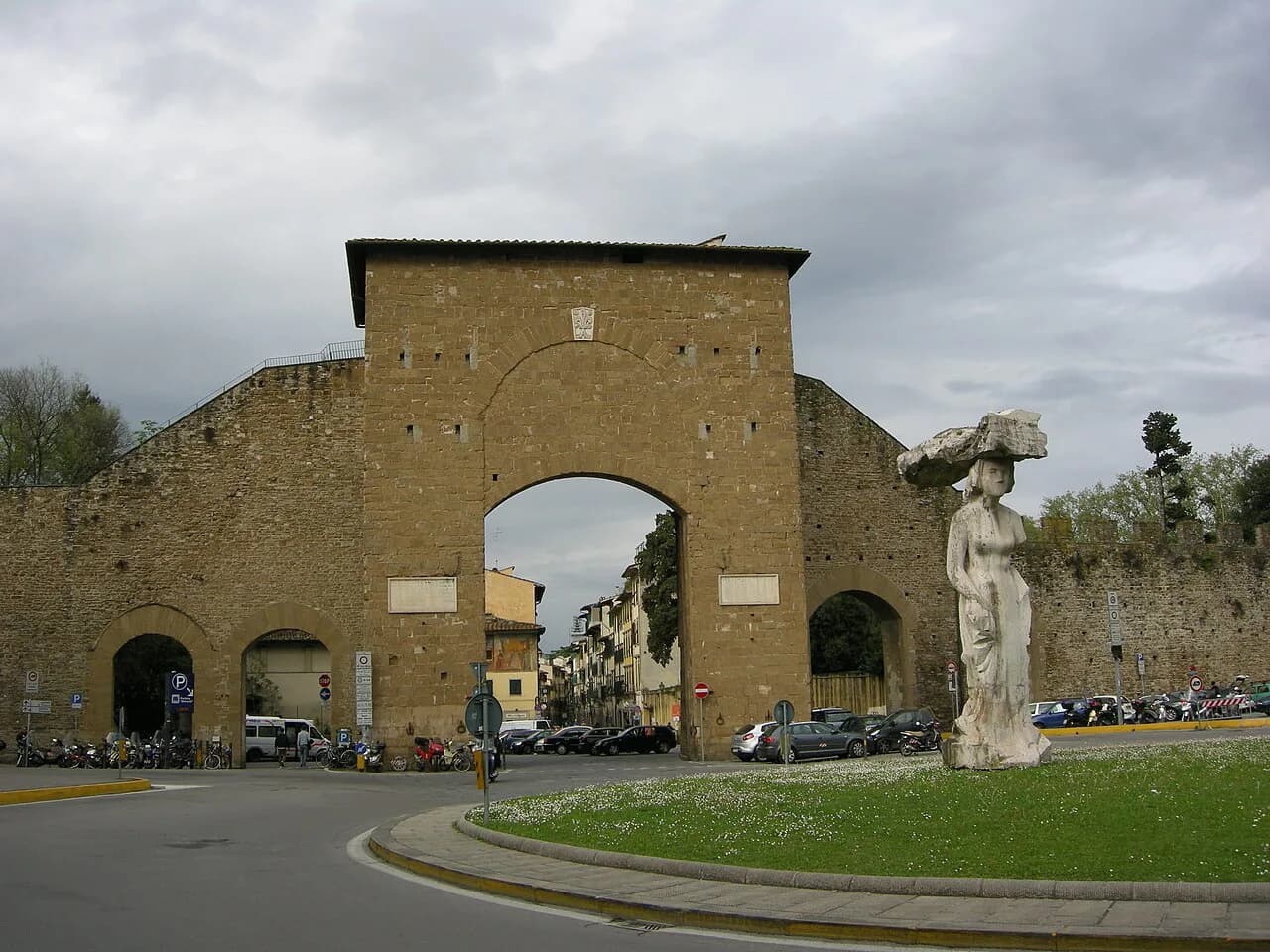
NomadicChica places Oltrarno across the Arno River. FeelFlorence’s itinerary identifies artisan workshops and connects Palazzo Pitti, Piazza Santo Spirito, the Church of Carmine and Porta Romana. We would shortlist this bank when these places are part of the trip, then narrow the search around the particular square, street or cultural outing that interests you.
For a neighborhood-led trip, consider whether this is where you want to spend time between the main sights. An appealing base is useful when its surroundings belong in the itinerary. If you plan to spend virtually every day elsewhere, compare the actual route with the central shortlist before making atmosphere the deciding factor.
If luxury hotels are the accommodation style you prefer, keep that preference separate from the bank or district. First establish the location that supports the day, then compare the exact room and services you need. An artisan-oriented neighborhood description does not tell you whether a particular property has a view, terrace, restaurant or other desired feature.
Ponte Vecchio and the river: choose which side supports your day
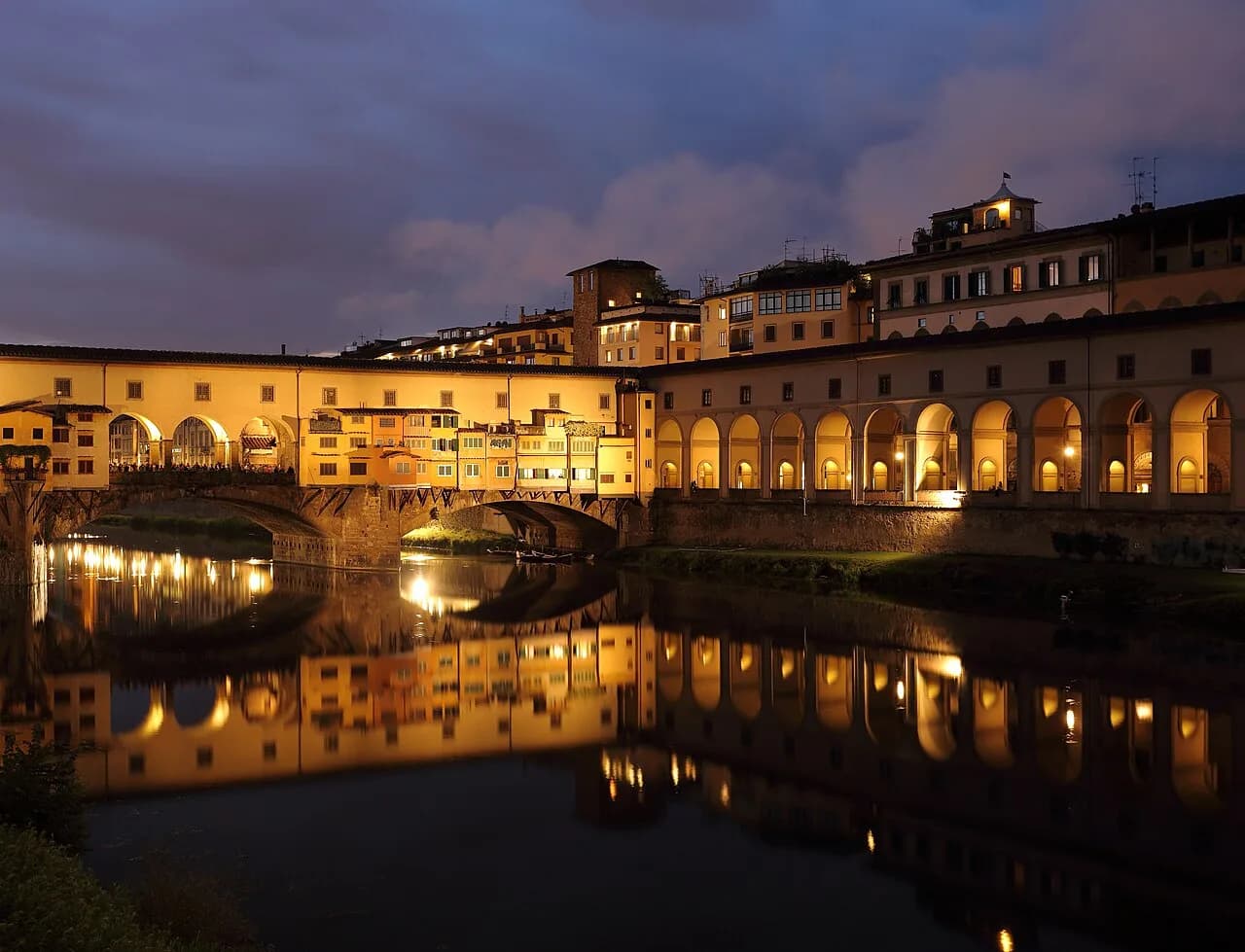
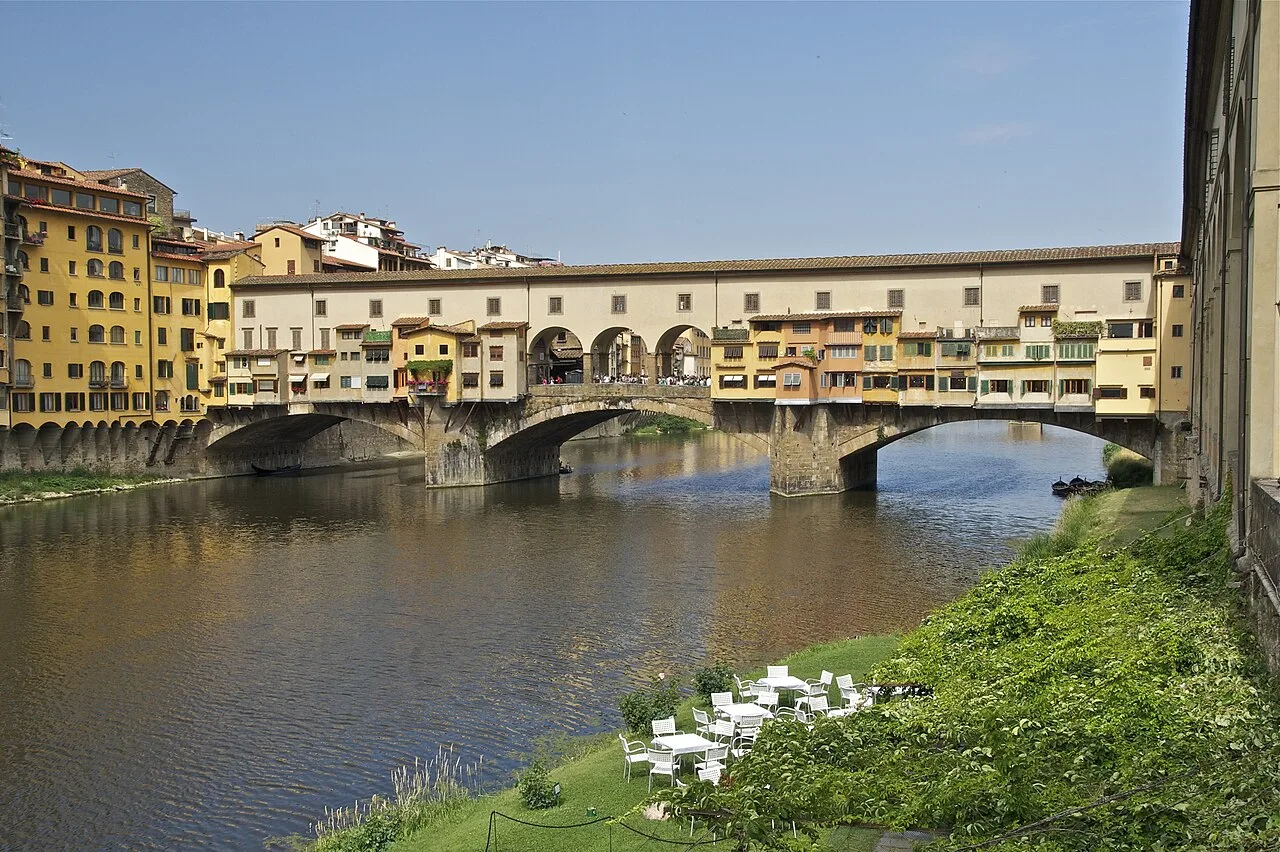
FeelFlorence’s Oltrarno itinerary crosses Ponte Vecchio and takes Borgo San Jacopo, where tower houses overlook the street. That gives a concrete first reference point for a river-oriented accommodation search. We would compare nearby addresses when the bridge and this part of Oltrarno belong in the daily plan.
Use the bridge as a geographic reference point rather than a room-view promise. Compare where the accommodation sits with the places you intend to visit and return from. If the river setting is the reason for choosing the base, distinguish wanting it nearby from expecting to see it from the reserved room.
A river-oriented stay makes most sense when the setting is part of the routine you want. If the priority is a sequence of central sightseeing stops, compare that route with a Duomo or San Lorenzo candidate. Choose the address whose compromise you understand, then assess the actual accommodation.
Santo Spirito and Via Maggio: prioritize squares and antique shops
The official Oltrarno itinerary connects Piazza della Passera with Via Maggio, which it describes as an elegant street full of antique shops, and then Piazza Santo Spirito with its Brunelleschi basilica. These named places give a more precise search than treating Oltrarno as one interchangeable area.
We would investigate this part of the district if the square and antique-shop setting interest you alongside the main sightseeing. Decide which place you most want near the accommodation, then compare the actual address with the route you intend to use. A stay organized around a square can answer a different preference from one chosen mainly for a river setting.
For a first visit, compare this choice with the Duomo and San Lorenzo shortlist. Favor the one whose surroundings you want to use during unscheduled time. For a return visit, the streets and square may be a reason to devote more of the day to Oltrarno rather than simply cross over for one outing.
Carmine and Via dei Serragli: choose a different Oltrarno focus
The current Brancacci Chapel description places it at Piazza del Carmine 14 and identifies frescoes by Masolino, Masaccio and Filippino Lippi. It also states that the church and chapel have different entrances. The Oltrarno itinerary continues along Via dei Serragli toward Porta Romana. Use these references to decide whether a Carmine-oriented address serves the cultural visit you want to make.
We would consider addresses around this part of the itinerary when Carmine or the farther Oltrarno streets are a priority. Put those intended stops beside the central sights on a map before deciding. The area makes more sense as a base when you want to use its local surroundings, rather than select it solely from an attractive district description.
If the chapel is a main reason for considering this location, make its visitor entrance part of the outing plan. Keep that destination separate from the entrance to your accommodation, especially when access requirements matter. You can choose a base for a cultural interest while still needing a room and approach that work for your party.
Pitti and Porta Romana: make the landmark sequence part of the stay
The Uffizi Galleries locates Pitti Palace beyond the Arno at the foot of the Boboli hill. Its collection descriptions distinguish the Palatine Gallery’s paintings from the Museum of Costume and Fashion. We would investigate a Pitti-oriented stay when one of those interests deserves a substantial place in the itinerary, alongside the other Oltrarno settings you want to explore.
Identify the part of the palace that interests you before organizing the accommodation around it, and confirm the visitor arrangements for that specific collection. The location can remain appealing even when the rest of your days have a different focus. Decide whether you want to return to these surroundings or mainly come here for a single cultural outing.
Compare a Pitti-oriented address with the river-oriented and Santo Spirito candidates by asking which place you want to return from most often. Choose the one that supports that routine, then assess the rest of the sightseeing. The sequence of landmarks gives you a concrete way to compare the settings before choosing the room.
Santa Croce: use the square as a base-selection reference
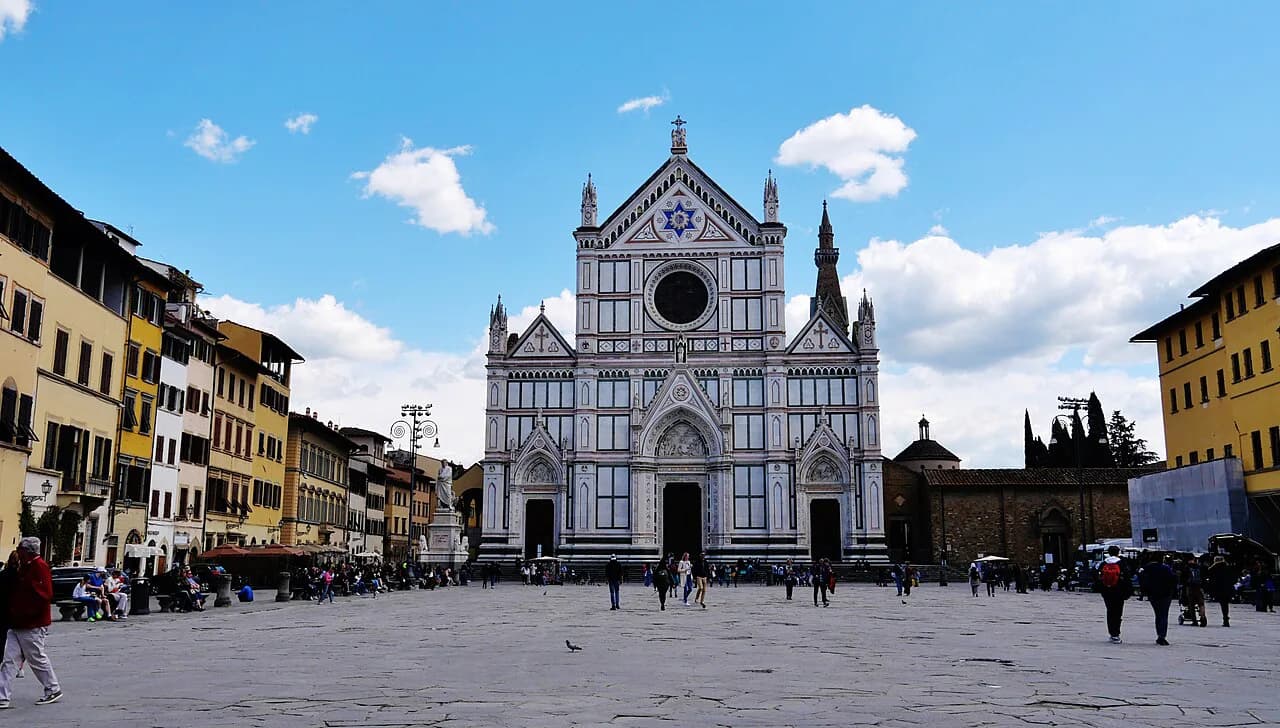
FeelFlorence’s second itinerary begins at Piazza Santa Croce and its basilica before exploring Sant’Ambrogio. That provides a concrete alternative to the Duomo and Oltrarno searches. We would investigate a Santa Croce-oriented address when the square and the adjoining itinerary are places you particularly want in the day.
NomadicChica includes Santa Croce among the center’s principal churches and sights. We would therefore compare it as another central sightseeing reference, rather than assume it is a quieter middle ground or a universally cheaper area. The address should explain what you gain compared with a Duomo or San Lorenzo candidate.
For a first visit, put the square, the planned museum visits and the room on the same map. For a return visit, consider whether exploring toward Sant’Ambrogio is part of the reason to stay here. These are different ways to use the same location, and either can be more relevant than a general best-neighborhood ranking.
Sant’Ambrogio: choose a market-led neighborhood routine
FeelFlorence places Sant’Ambrogio Market at Piazza Lorenzo Ghiberti. Its current description distinguishes food shops inside the covered market from stalls around the building selling items such as flowers, clothes and household goods. This gives a market-led traveler a specific layout to consider when deciding how much of the stay to organize around shopping and food.
The Santa Croce–Sant’Ambrogio itinerary also groups the historic market with the nearby Flea Market and the Murate complex. Those named places help you refine an accommodation search around the outings you actually want. Decide whether food shopping is the main interest or whether browsing and other planned stops deserve equal time before choosing the candidate address.
Our editorial reason to shortlist Sant’Ambrogio is the market and local-area itinerary, rather than an assumption that it avoids tourists or guarantees quiet. If your main plan is central landmark sightseeing, compare the exact address with those journeys. If neighborhood time is a leading priority, decide which market or square you would like close by.
For friends traveling together, decide who wants to make the market outing and who would rather use that part of the day differently. You can share a base without sharing every activity. Agree where you want to meet afterward, then compare the accommodation against the group’s common requirements rather than letting one person’s shopping plans decide the whole stay.
Piazza dei Ciompi and Via Ghibellina: refine the eastern-area search
FeelFlorence names Piazza dei Ciompi with Vasari’s Loggia del Pesce, and Casa Buonarroti on Via Ghibellina, in its Santa Croce–Sant’Ambrogio itinerary. These are useful cultural reference points for narrowing a property search beyond the main square or markets.
We would compare addresses near the places you actually plan to use, especially if your interests combine neighborhood wandering and cultural visits. A market-centered morning, a visit around Via Ghibellina and a classic sightseeing day can create different priorities. Let the strongest of those plans determine which candidate location comes first.
Use the named sites to test the route from the room, rather than expand the shortlist indefinitely. Once you know that two addresses both serve the intended day, compare the accommodation itself. A more detailed map search is valuable when it resolves a choice, not when it simply adds more places to the itinerary.
Compare the arrival plan with the sightseeing base
For a train arrival or departure, start with the station named on your booking and the accommodation address. Put the luggage journey in the plan alongside the sightseeing priorities. Decide whether you will use the room immediately, leave bags by arrangement, or begin with an outing. Those are different arrival patterns, and the property’s actual entry arrangements matter to each.
Keep arrival convenience distinct from the ordinary day. A room may work well for an arrival yet serve a different part of Florence from the one you intend to explore most. Compare the one-off luggage journey with the routes you will repeat, then decide which priority should carry more weight.
If arriving by air, confirm the current journey with the transport provider and the property. For any arrival, clarify how you reach the room and what entry arrangements apply to your stay. The location decision should be based on the actual address and travel plan, rather than assumed transfer services or a general central label.
Choose a room format that supports the Florence routine
For a hotel, apartment or hostel search, begin with the actual sleeping arrangement, bathroom and space you need. A family returning midday will judge the room differently from friends who mainly use it to sleep between outings. Compare those requirements with the base areas before making a style or category preference decisive. If you are combining this trip with Rome, see our guide to where to stay in Rome.
For families, map the day with a possible return to the accommodation, then confirm the number of beds and permitted occupants. For couples, decide whether the setting around the Duomo, an Oltrarno square or a market-oriented neighborhood is part of the appeal. For a group, agree on the location compromise and the room-sharing arrangement together.
For budget planning, compare complete accommodation offers that meet those needs. Account for the room layout and any meals or facilities you would use, rather than assume one Florence neighborhood is automatically affordable. A lower headline cost is useful only if the resulting base and sleeping arrangement still work for the trip.
Before choosing, ask about the entrance, any steps on the route to the room and the exact category you would receive. For sleep, compare recent comments and ask which way the room faces. For meals or downtime, confirm the actual equipment and space. These details decide whether a promising neighborhood is attached to suitable accommodation.
Choose the part of Florence you want nearby
Start around the Duomo and San Lorenzo for a classic sightseeing plan. Compare the river, Santo Spirito, Carmine and Pitti parts of Oltrarno when those settings belong in the trip, or Santa Croce and Sant’Ambrogio for a square-and-market-led routine. Refine the choice by the actual places you want nearby, then choose a room whose layout and access work for your party. If you are combining this trip with Siena, see our guide to where to stay in Siena.
Explore more Florence guides
- Best Family Hotels in Florence
- Best Hotels in Florence for Couples
- Cheap Hotels in Florence
- Florence Hotels Near the Duomo
- Luxury Hotels in Florence, Italy
- Florence Hotels Near Santa Maria Novella
- Hotels Near Florence Airport
- Florence Hotels With Swimming Pools
- Hotels in Florence With Parking
- Spa Hotels in Florence
Frequently Asked Questions
Where should I stay in Florence for a first visit?
Our starting choice is the central Duomo or San Lorenzo area for a classic sightseeing-led visit. Compare Santa Croce and Oltrarno when their surroundings are an important part of the plan. The best address is the one that serves your intended day and fits the room requirements.
Is Oltrarno a good base in Florence?
We would choose Oltrarno when its artisan workshops, squares or Pitti-area landmarks belong in your itinerary. Refine the search around Ponte Vecchio, Santo Spirito, Carmine or Via Romana, then compare the exact address with the rest of your sightseeing.
What is the difference between Santa Croce and Sant’Ambrogio?
Use Piazza Santa Croce as a square-and-basilica reference, and Sant’Ambrogio’s named markets and neighborhood itinerary as a different search focus. FeelFlorence connects them in one walking itinerary. Decide which places you want nearby before comparing accommodation.
Where should I stay for markets and neighborhood exploration?
Compare Mercato Centrale’s first-floor food-hall setting in San Lorenzo with Sant’Ambrogio’s covered food shops and surrounding stalls. Decide which shopping or meal plan matters to you, then choose an address that also serves the rest of the day. Confirm visitor arrangements for the date of your outing.
Is Florence walkable for sightseeing?
Build a shortlist around the sights you intend to visit, then assess the actual routes from each candidate address. The central landmark list gives you places to compare, while walking tolerance, terrain and the approach to the room are separate requirements. Choose the base using those details rather than a universal walkability promise.
Where should families stay in Florence?
Start with the room that fits everyone and the need for a midday return. Compare central sightseeing bases with the Oltrarno or Santa Croce–Sant’Ambrogio places your family wants to use. Confirm beds, occupancy and the route to the room before choosing the address.
Sources
- Retained NomadicChica2019: actual central landmarks and Oltrarno across Arno only
- In Oltrarno, between Pitti, Santo Spirito and Porta Romana
- From Santa Croce to Sant’Ambrogio
- Brancacci Chapel: actual Piazza Carmine address, frescoes and separate entrances
- Pitti Palace operator: beyondArno/Bobolihill geography and named collections
- SantAmbrogio actualcoveredfoodmarket/outdoorstalls/address; erroneouscapitalhistory excluded
- Mercato Centrale Firenze: firstfloorSanLorenzo coveredmarket and foodartisan description
You might also like

Continue reading
More guides you'll find useful