Where to Stay in Paris: Choose Your Neighborhood and Base
Compare Paris bases around museums, cafes, gardens and the Seine, then choose the neighborhood, address and room that suit your own travel plans.
AI-assisted guide · Sources and editorial policy
On this page
Our starting shortlist for where to stay in Paris is the Louvre area for a museum-led trip, Le Marais for a museum-and-shopping plan, or Saint-Germain-des-Prés for cafe and gallery time. Consider Montmartre, Canal Saint-Martin or Île Saint-Louis when their particular settings are part of what you want from the stay.
Paris offers more than one workable base. The choice is a tradeoff between the outings you want to repeat, the place you want to return to after dinner and the room you need when the day ends. A traveler planning several museum visits may make a different choice from someone leaving whole afternoons unplanned.
Use this guide to choose an area and routine before selecting accommodation. It compares neighborhood features, explains the banks and arrondissement numbers, and separates the appeal of a location from the features of a room. Our recommendations are editorial judgments: begin with the experiences that matter to you, then compare actual addresses.
Understand the banks and arrondissement numbers
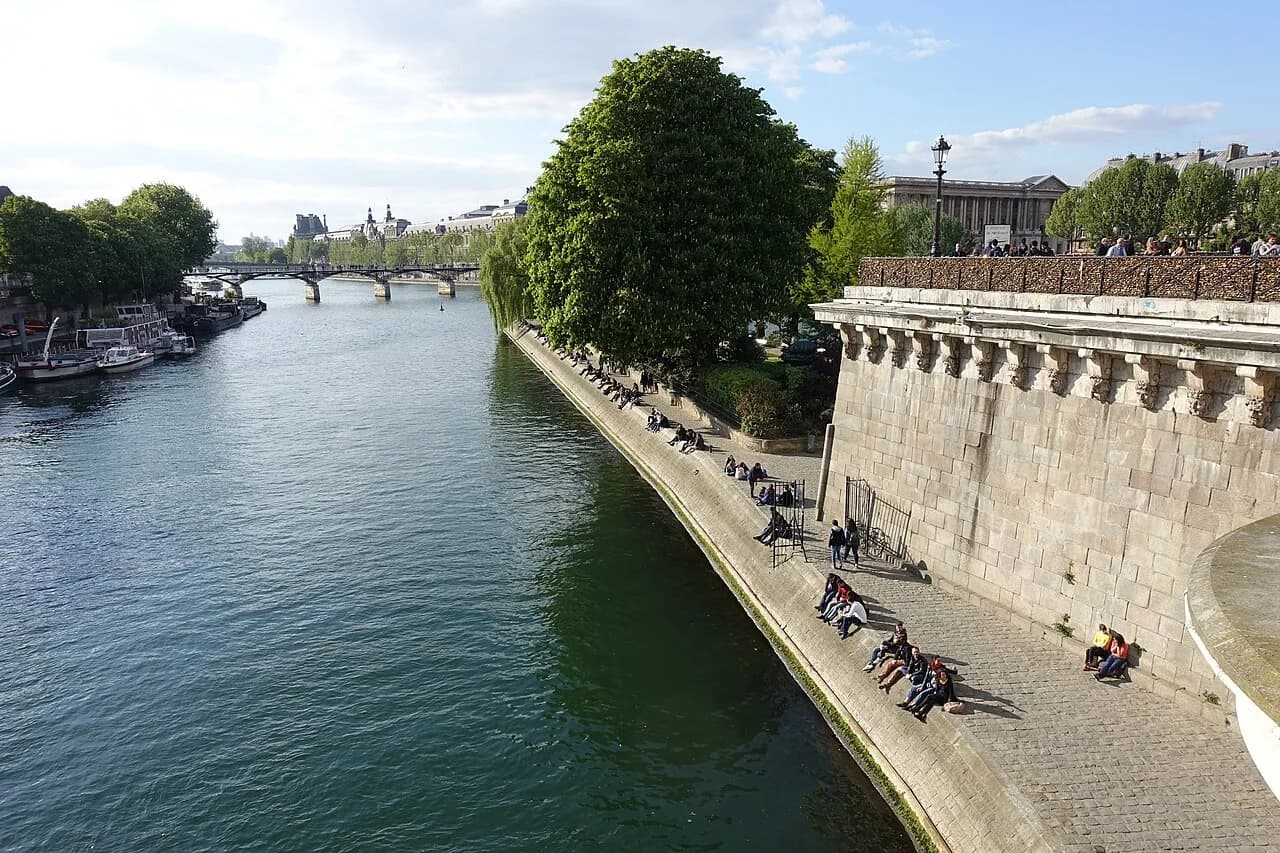
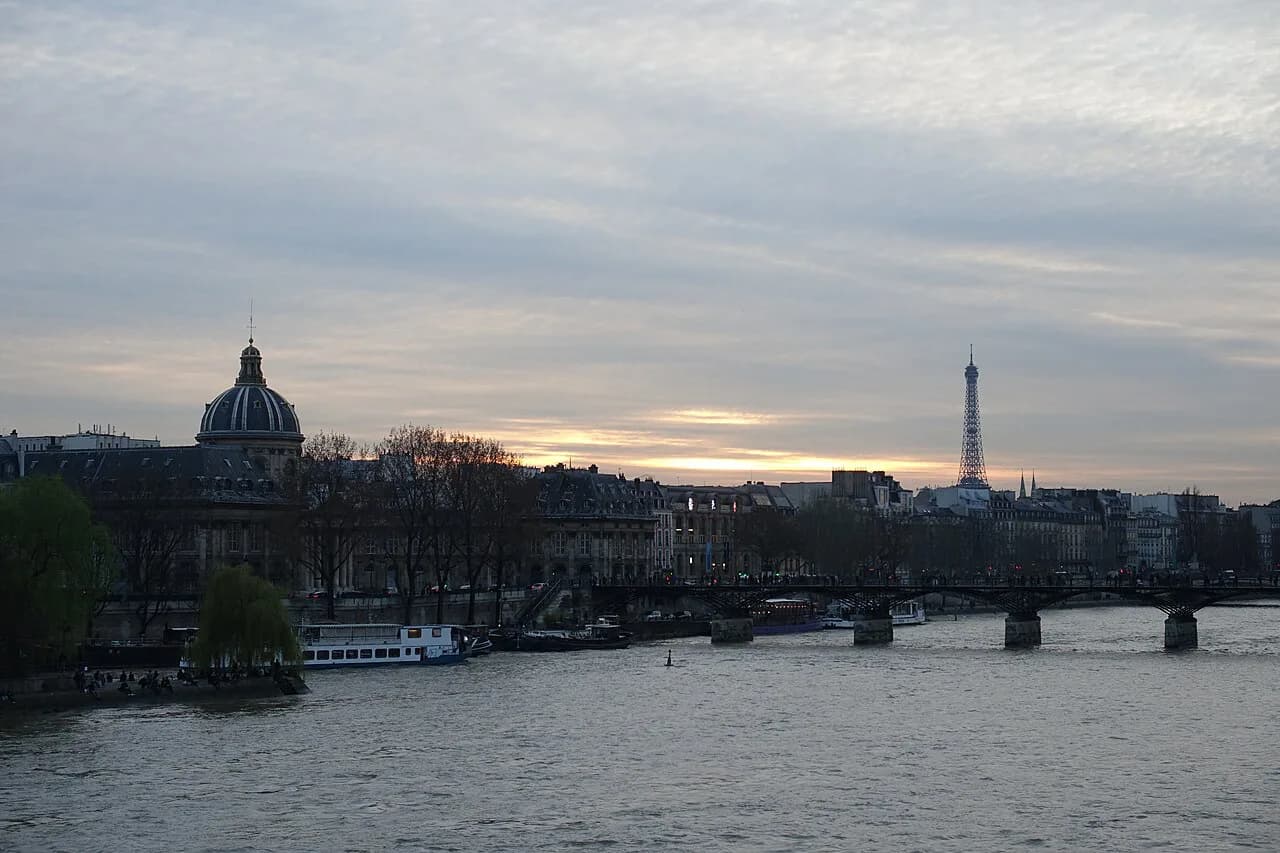
Earth Trekkers explains the geographic distinction: the Right Bank is north of the Seine, with the Louvre among its landmarks, while the Left Bank is south, with the Eiffel Tower among its landmarks. Paris has 20 arrondissements, numbered in a clockwise spiral. Use these labels to orient your search rather than rank one bank above the other.
A neighborhood name and a district number answer different questions. The name helps you identify the setting you want; the address helps you locate a particular room. Start a shortlist with the neighborhood, then compare the specific property with your intended outings. This keeps a broad area preference from becoming an assumption about every address within it.
For example, if your plan combines a museum visit with an afternoon elsewhere, identify both destinations before choosing which side of the river to stay on. Decide where you expect to begin and end that day. You can favor one part of the itinerary without requiring your accommodation to stand beside every stop.
Build a shortlist from the experience you want nearby
Choose two areas that answer your main practical need in different ways. A museum-focused traveler could compare a Louvre-oriented address with a candidate in Le Marais. Someone planning cafe time and cultural outings could compare Saint-Germain with the Latin Quarter. These are different ways to shape the stay, rather than a fixed ranking for every visitor.
Write a short version of an ordinary day: what happens before the main outing, whether you return in the afternoon, and where the day ends. A base that appeals for one major excursion may be less compelling if you never expect to spend time around the room. Give repeated activities more weight than a single photograph you hope to take.
Louvre and Tuileries: prioritize museum and garden plans
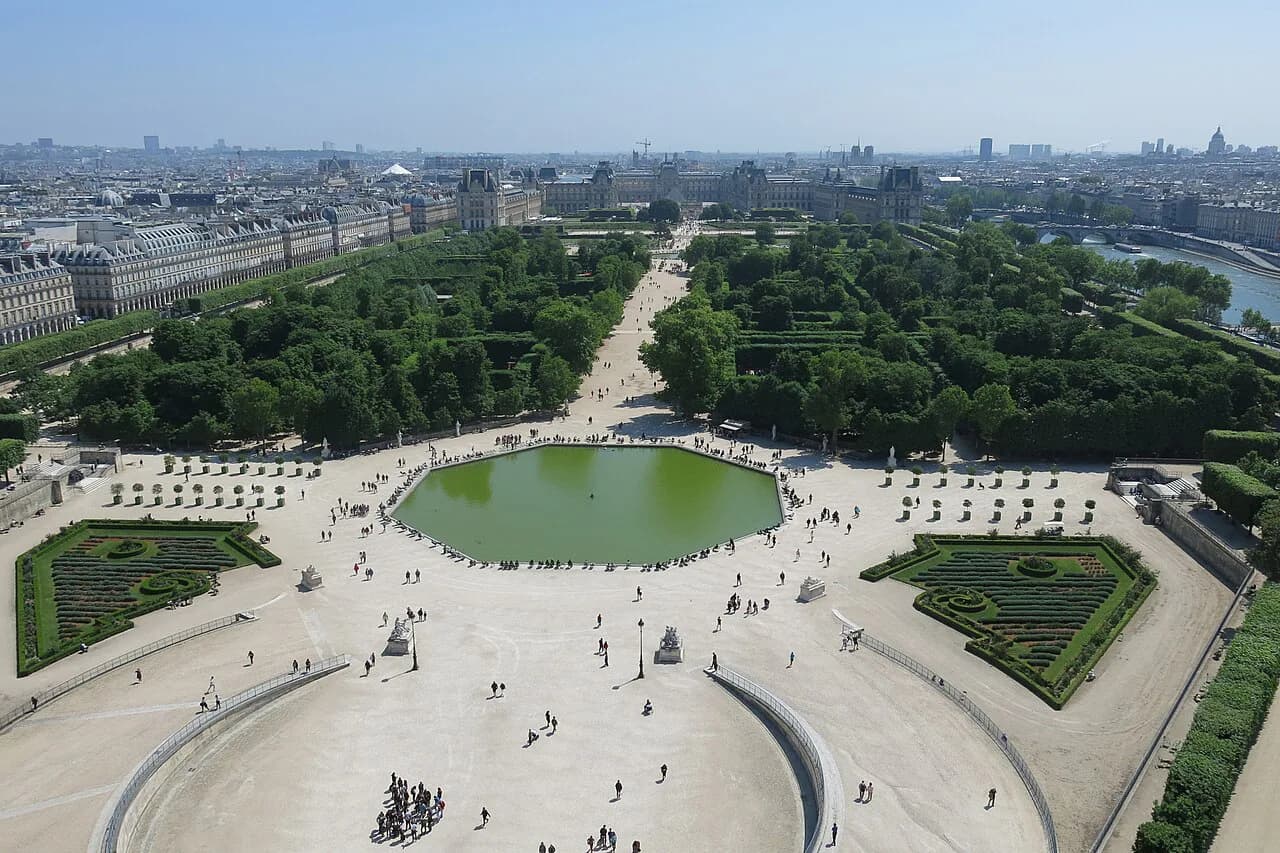
The Louvre describes the Carrousel Garden as lying between its Pyramid and the Tuileries Garden. Green lawns and rows of hedges form an open-air sculpture setting there. Consider this museum-and-garden combination when deciding how you want to spend time around a Louvre-oriented base.
We would favor this shortlist when a substantial museum outing is one of the main reasons for the trip and you also want to make room for garden time. Picture the day after the visit: would you like to continue exploring, take a break in your room, or meet another traveler later? Choose the address around the sequence you actually intend to follow.
Compare it with a museum-focused alternative before deciding. One traveler may want the accommodation to organize the whole visit around a single collection; another may prefer a base associated with several smaller outings. Both are reasonable choices. Make the planned return to your room part of the comparison, rather than assuming that a famous museum nearby settles the question.
Le Marais: choose named museums and shopping streets
Paris je t’aime places Le Marais mainly in the 3rd and 4th arrondissements on the Right Bank. Its description identifies the Picasso museum in the Hôtel Salé and Musée Carnavalet for Paris history, along with shopping streets including rue Vieille-du-Temple, rue du Temple and rue Charlot. These give you specific interests around which to compare a stay.
We would shortlist this area when you want a museum plan and time browsing shops to share the same trip. Compare an art-focused outing with one centered on the history of Paris, then decide how much browsing time to leave around it. That helps you choose between a room selected for a scheduled visit and one selected for afternoons with less structure.
Latin Quarter: choose a Left Bank cultural itinerary
The official Latin Quarter description places it in the 5th arrondissement on the Left Bank. It names the Panthéon, Musée de Cluny and Sorbonne among its cultural reference points, together with rue Mouffetard and place de la Contrescarpe. We would use those named interests to decide whether this area deserves a place on your accommodation shortlist.
A traveler particularly interested in the Panthéon or Musée de Cluny has a specific reason to investigate this shortlist. Give that outing a realistic place in your plans. Then ask whether you want to start from the area on other days as well, or spend one day here while choosing the room around another part of the trip.
Compare it with Saint-Germain according to how you want to spend the gaps between major visits. If you prefer a scheduled cultural plan, let that guide the first candidate; if your priority is a slower cafe-and-gallery routine, consider the other. Decide which of these patterns you most want to repeat during the stay.
Saint-Germain-des-Prés: favor cafes and galleries
Les Frenchies identifies Saint-Germain-des-Prés with the 6th arrondissement and the Left Bank. It names Les Deux Magots and Café de Flore and describes art galleries and antique shops. We would investigate this area when cafe and gallery time are intended parts of the stay, alongside any major sightseeing plans.
Give that intention a place in the itinerary. If you want to spend an afternoon sitting over a coffee, leave the afternoon open rather than filling it with appointments elsewhere. An area preference becomes useful when it changes what you plan to do, not simply when the name sounds like the Paris you have imagined.
Montmartre: choose a hill neighborhood deliberately
Paris je t’aime describes Montmartre as a hill neighborhood associated with Sacré-Coeur. Its visitor route includes Place du Tertre and streets such as rue des Abbesses and rue Lepic. The official description offers a funicular or steps through Square Louise Michel as ways to reach the hilltop. Decide which approach suits the hilltop outing you want to make.
We would choose this shortlist when spending time around the neighborhood is a meaningful part of the holiday. Separate a hilltop visit from the accommodation address: you may want to make the outing without choosing a room there, or choose the room because you want to return to the area on several days. Neither choice requires a universal rule about first visits.
If walking terrain or luggage handling matters, assess the proposed approach to that address. Decide how you want to arrive, whether you expect to return for a break, and what happens after your final outing. For a stay with specific access requirements, ask about the room entrance and the approach from your intended drop-off point separately from the sightseeing route.
Canal Saint-Martin: consider a canal-side routine
The tourism office lists Canal Saint-Martin at Quai de Jemmapes, 75010 Paris. Its description follows a waterway punctuated by locks, movable bridges and footbridges. We would investigate a canal-side base when spending time beside that waterway is itself part of the trip. Give that preference a place in the days you plan to spend here.
Imagine the time you would actually spend around the base. If you want an unplanned walk before leaving for a larger outing, that preference can justify investigating the setting. If every day begins with a fixed appointment elsewhere, compare the proposed address against those appointments instead. The reason to choose a canal-oriented stay should come from your plans.
Île Saint-Louis: investigate an island setting in the center
The official Île Saint-Louis description gives a 75004 address and identifies rue Saint-Louis en l’Île as its main street. It describes walking through that street or around the quays, with private mansions from the 17th and 18th centuries. We would shortlist the island when that street-and-river setting is a particular attraction for your stay.
Consider whether the island is somewhere you want to return to or somewhere you mainly want to explore once. For a stay built around riverside time, it may deserve serious comparison. If it is one stop among many, you can preserve that outing in the itinerary while choosing accommodation for a different daily routine.
Compare an island candidate with the room you would otherwise book on either bank. Imagine both an outing-heavy day and a day with no appointments, then decide which address you would prefer to return to. Assess the actual room alongside that preference. An island setting supplies a geographic choice; it does not establish the level of street activity or the quality of sleep.
Eiffel Tower or Louvre: choose by the full itinerary
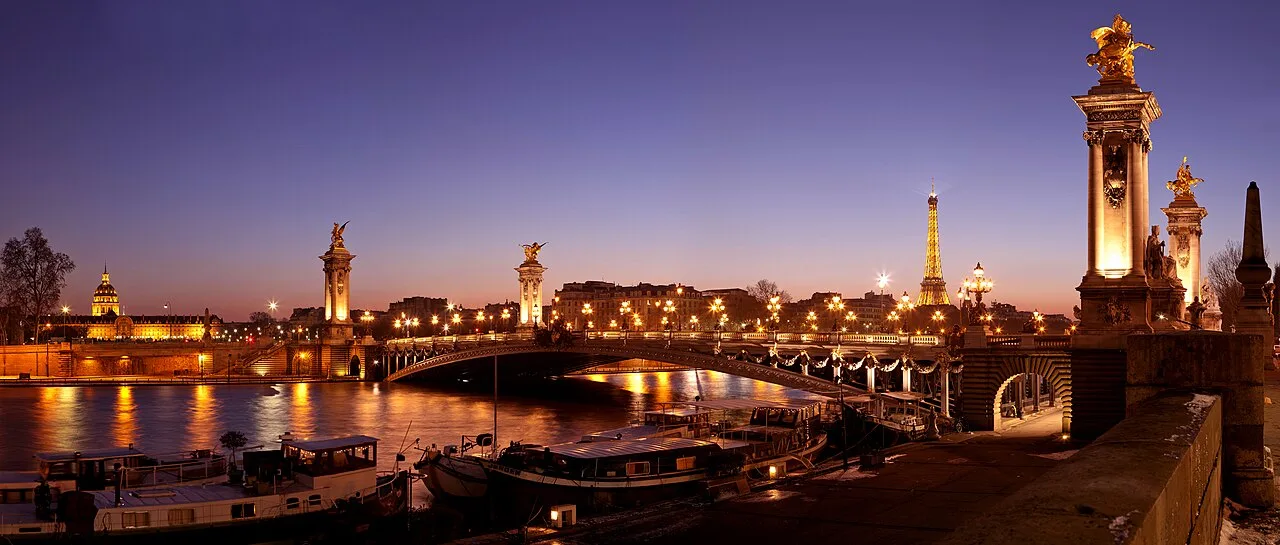
The Eiffel Tower operator locates the monument in the 7th arrondissement on the Champ de Mars. That gives you a specific landmark area to compare with the museum-and-garden choice described above. We would favor the landmark-led candidate when repeated time around that setting is a priority, and the museum-led candidate when that is the main interest.
Treat the Eiffel Tower as a location preference, a planned outing or a room-view requirement, and distinguish those choices. Staying nearby is different from having a view, while wanting to visit does not require staying beside it. Establish which of these matters before narrowing the accommodation search.
When traveling with someone whose priorities differ, compare the two proposed rooms against the whole plan. Which outing is repeated, which happens once, and when would you return to the accommodation? A special location can be worth choosing for its own sake. Make that an intentional preference rather than treating one landmark as a shortcut to the best base for everything.

Adapt the area choice to a family, solo or group trip
Families should start with the sleeping arrangement and daily rhythm. A midday return may matter more than the number of attractions attached to a neighborhood description. Identify which outing the family most wants to make together, then compare accommodation that fits everyone. Beds, permitted occupancy and the approach with luggage belong in that comparison before an area choice becomes final.
For a solo trip, decide how much structure you want. A base chosen around a particular collection can suit a day with a clear main event; a candidate selected for cafe or street time may better match a looser plan. Choose according to the routine you enjoy rather than assuming that traveling alone requires a particular district.
For friends or several households, settle the shared requirements first. Are you booking one unit, several rooms, or independent accommodation? Agree which activities everyone will do together and which are optional. This prevents the person with the longest sightseeing list from deciding the base for everyone, while still giving the group a workable plan for meeting and returning.
Separate accommodation format from district appeal
Choose the accommodation format around what happens inside it. If you need separate sleeping spaces, compare the exact layout being sold. If meals in the accommodation matter, identify the facilities the booked category actually provides. If your main requirement is somewhere to sleep between outings, assess the offer against that purpose rather than assuming more facilities always improve the trip.
When comparing 5-star hotels, use the same practical questions: does the booked category fit the party, the room arrangement and the experience you want? Treat the category as the beginning of the property comparison. Choose the base and offer together rather than allowing a classification to settle the location decision.
Compare arrival and departure plans deliberately
Give the first and last day their own place in the decision. Write down how you expect to arrive, where luggage will go before you can use the room, and what you intend to do afterward. For departure, work backward from your actual booking and allow for the route you choose. Compare addresses using the same assumptions so that one candidate does not receive an easier imaginary journey.
A room selected for the main sightseeing days may still need a workable luggage arrangement. Ask the property about storage and arrival procedures when those are essential to the plan. Keep requested services separate from confirmed arrangements, and review current route information for the date of travel. This turns an attractive area choice into a practical booking.
If an address outside the areas described here appeals, evaluate it on its own terms. Include the journeys your intended days require and compare the complete offer with your other candidate. Choose it when the overall combination suits you. A broad location label or a lower advertised nightly figure cannot by itself decide whether that stay serves the trip better.
Make the final choice at the room and address level
After choosing two areas, compare offers for the same dates and party. Record the booked room category, bed arrangement, total terms and cancellation conditions together. A location advantage is useful only if the room also meets the needs that made you start the search. Eliminate an unsuitable offer before trying to justify it through the surroundings. If you are combining this trip with the Loire Valley, see our guide to where to stay in the Loire Valley.
Decide which requirement would make you reject a room: a particular view, separate sleeping spaces, a bath, a workable entrance or another essential feature. Seek category-specific confirmation for that requirement. Then treat preferences separately. This makes it easier to trade an appealing location against a room that better fits the stay without restarting the entire neighborhood search.
Choose the Paris base that fits the routine
Start with the experience you want to repeat, narrow the search to two areas, and compare real room offers against the same itinerary. A museum plan, cafe afternoon, hill outing or riverside routine can each lead to a different sensible base. Choose the address and room whose tradeoff fits your stay, and let the remaining outings shape the days around it. If you are combining this trip with Normandy, see our guide to where to stay in Normandy.
Explore more Paris guides
- 5-Star Hotels in Paris
- Best Hotels in Paris for Couples
- Best Hotels in the 7th Arrondissement
- Hotels in Paris's 6th Arrondissement
- Hotels Near the Louvre
- Selecting the Best Hotels in Paris Near the Eiffel Tower
- Where to Stay in Paris for First Timers
- Where to Stay in Paris on a Budget
- Where to Stay in Paris With Family
- Hotels in Paris Near a Train Station
- Hotels in Paris With Swimming Pools
- Spa Hotels in Paris
- Accessible Hotels in Paris
- Hotels in Paris With Parking
- Pet-Friendly Hotels in Paris
- Boutique Hotels in Paris
- Serviced Apartments in Paris
Frequently Asked Questions
Where should I stay in Paris for a first visit?
Begin with the activities you most want to repeat. Our starting comparison is a Louvre-oriented candidate for a museum-led visit versus another base chosen for your other main interest. Choose between actual addresses and rooms using the same itinerary, rather than requiring every first-time visitor to book one district.
Is Montmartre a good place to stay in Paris?
We would investigate it when time around the hill neighborhood is part of the holiday. Decide separately whether you want to make a hilltop outing or stay in the area. Assess the proposed route to the accommodation, especially when terrain or luggage handling matters, instead of predicting every day’s journeys from the district name.
Is the Left Bank or Right Bank better for a first visit?
Use the bank labels for orientation, then compare the places you actually intend to visit. Choose two candidates that answer your main priorities and decide where you want to begin and end a typical day. The bank alone does not determine the best room or base for your itinerary.
Where should a family stay in Paris?
Begin with a room that fits everyone and a routine the family can enjoy. Compare the intended outings with any need for a midday return, then assess beds, occupancy and luggage access. Choose the area and the booked room together rather than relying on a general family-friendly neighborhood label.
Where should I stay in Paris on a budget?
Compare complete offers for the same dates, party and essential room requirements. Include the arrangements your actual plans need before deciding which offer fits the budget. Keep more than one area in the search when useful, without assuming that an entire district always has the lowest rates.
Should I stay near the Eiffel Tower or the Louvre?
Choose according to the experience you want to repeat. A landmark-led stay and a museum-led stay serve different priorities. Compare the whole itinerary from both proposed addresses, and distinguish staying near a landmark from booking a room with a specified view.
Sources
- Earth Trekkers retained geography: banks and twenty clockwise districts
- Retained Frenchies Saint-Germain: sixth arrondissement Left Bank cafes and galleries only
- Official Marais Right Bank districts, named museums and shopping streets
- Official Latin Quarter fifth arrondissement Left Bank sites
- Louvre Carrousel Garden relation to Pyramid and Tuileries
- Eiffel Tower seventh arrondissement Champ de Mars address
- Official Montmartre hill, Sacre-Coeur and route options
- Official Canal Saint-Martin Quai de Jemmapes, locks and bridges
- Official Ile Saint-Louis fourth arrondissement street and quays
You might also like

Continue reading
More guides you'll find useful