
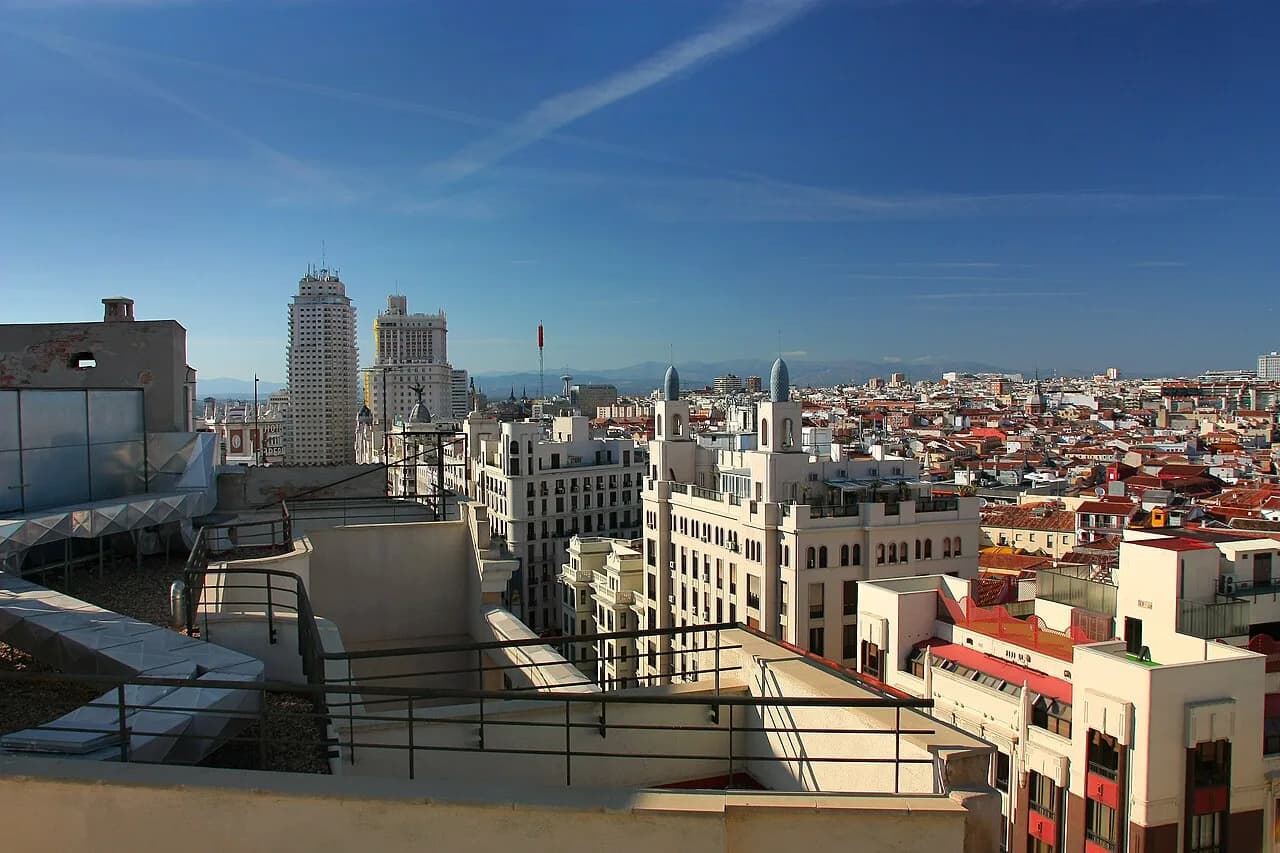
Where to Stay in Madrid: Neighborhoods and Base Tradeoffs
Compare Centro, Salamanca, Malasaña, La Latina and Chamberí, then choose a Madrid base around sightseeing, evening atmosphere and your room needs.
AI-assisted guide · Sources and editorial policy
On this page
Our starting recommendation for where to stay in Madrid is Centro, particularly Barrio de las Letras, for a sightseeing-led first visit. Compare Salamanca for fashion and architecture, Malasaña for music-led evenings, La Latina for tapas streets, and Chamberí for neighborhood squares and cultural interests. These are editorial starting choices to match to your itinerary.
A museum-led morning and an evening spent around music can lead to different address choices. Decide which activity should guide the base and which you are happy to enjoy as a separate outing. Keep that preference beside the room requirements.
Choose the tradeoff you want to make
Begin with two priorities: the place you most want to visit during the day and the kind of evening you want afterward. The Solo Travel in Style Blog recommends Centro for a first visit, Salamanca for an upscale stay, Malasaña for nightlife and La Latina for a traditional setting. Treat that as one writer’s preference framework, then compare the documented places below.
Keep two candidates rather than compare every district at once. For an art-led visit, start with the neighborhood geography that serves the cultural itinerary. For shopping or evenings out, begin with the streets and activities that interest you. Decide which experience belongs near the accommodation and which you are happy to enjoy as a separate outing.
Separate the area from the accommodation. A district’s shopping or dining reputation does not determine bedroom size or the sleeping arrangements. Agree on essential beds and arrival needs, then use the neighborhood to support the itinerary.
Centro and Barrio de las Letras: start here for a first visit
If Puerta del Sol, Plaza Mayor and the Royal Palace lead your first-visit plans, we would begin the address search in Centro. Use those priorities as reference points instead of treating the entire central area as one location. A short stay benefits from choosing around the places you most want to use, including where you plan to end the day.
Madrid’s official tourism guide places Barrio de las Letras between Sol–Gran Vía and Paseo del Arte, the Art Walk. That gives an art-led visitor a concrete geographic comparison inside the central search. Choose the side that serves the intended museum or central outing, and assess the actual route from the candidate room.
For example, give a museum-focused morning and a central evening separate places in the plan, then compare how each candidate address handles both. If returning for an afternoon rest is important, include that return in the comparison. The useful compromise is between the locations you intend to use, rather than a district-wide promise of walking convenience or calm.
Salamanca: favor shopping and architecture
We would investigate Salamanca when fashion and the built setting are principal interests of the stay. This is a choice about what you want around the accommodation, after deciding the day’s priorities. Someone planning shopping between cultural visits may give those surroundings more weight than someone organizing every day around central landmarks.
The official tourism guide describes Salamanca’s regular street grid, carefully designed building frontages and sophisticated fashion stores. Those characteristics reinforce its appeal for travelers who want architecture and shopping to shape their surroundings. Choose the district because those interests belong in your day, rather than because an upscale label guarantees a better room.
Compare where you will start and end a representative day. A shopping-led afternoon and dinner near the accommodation ask a different location choice from a sequence of visits elsewhere. Put the actual destinations beside the candidate address, and choose the advantage that will contribute to several days of the trip.
When comparing luxury hotels, choose the neighborhood around your shopping or cultural interests, then assess the property separately. The district setting does not establish its pool, terrace, restaurant or room features. Compare the exact accommodation with the requirements that will matter during the stay.
Malasaña: put nightlife at the center of the stay
Madrid’s official neighborhood description puts Malasaña between Gran Vía, Fuencarral, Carranza and San Bernardo. It identifies Plaza del Dos de Mayo as an evening reference point and describes rock, punk and indie interests among the music scene. We would put Malasaña first when those evenings are a main reason for the trip, rather than choose it because of the travelers’ ages.
Plan the evening you actually want: a particular kind of music, meeting friends, or spending time in a chosen venue. Then compare the address with that plan and the daytime outings. A district’s scene can help choose where to investigate, but it does not establish the program or opening arrangements of a venue on a particular night.
For a mixed group, agree on the evening and bedtime preferences first. Some companions may want to stay around the music interest while others prefer to visit from another base. Choose a plan that accommodates those different routines before settling the neighborhood.
La Latina: build the stay around traditional streets and tapas
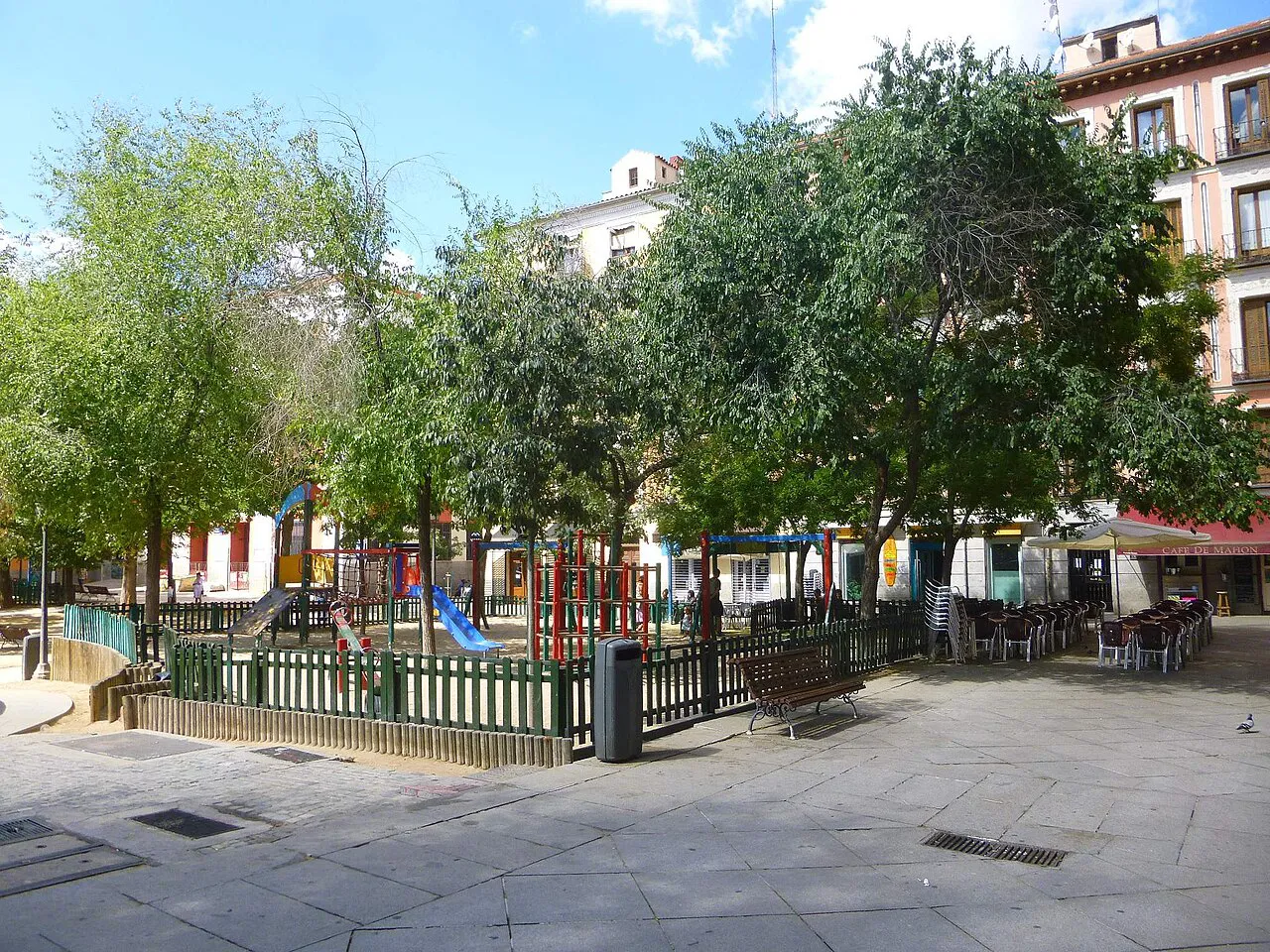
The official neighborhood guide describes La Latina through winding streets that lead onto squares, and identifies Cava Alta and Cava Baja within its dining setting. It also describes tapas bars and traditional taverns. We would investigate this combination when dinners and neighborhood wandering should occupy a substantial part of the stay.
La Latina is in Madrid’s Central District, distinct from the separate Latina District across the Manzanares. The tourism nightlife description includes terraces, tapas and flamenco venues. Establish which place the accommodation means, then choose the actual address around the dinner or performance you intend to enjoy.
We would consider La Latina when casual dinners and neighborhood exploration belong in the itinerary. If timed sightseeing fills most days, compare its particular address with the other candidate first. Choose the food-led setting according to how often you expect to enjoy it.
Use Barrio de las Letras geography to refine Centro
The official Madrid tourism description identifies Barrio de las Letras by Calle de la Cruz, Carrera de San Jerónimo, Paseo del Prado and Calle Atocha. These named boundaries make it possible to search a particular part of the central area instead of choosing only by the broad Centro label.
Use those boundaries to compare two addresses against the day’s main destination. For a museum-led morning followed by an evening elsewhere, include both legs and any return to the room. Decide which location earns more weight through repeated use. The quarter’s name alone cannot choose the particular address for you.
For someone interested in literature as well as location, the official guide connects the quarter’s name to Golden Age writers who made their homes here, including Cervantes and Lope de Vega. That history can be part of the reason to choose the neighborhood, while the exact address still needs to work for your practical itinerary.
Chamberí: choose a cultural and terrace-oriented stay
Chamberí offers a different reason to choose a Madrid base. The official tourism guide describes a district comprising Trafalgar, Arapiles, Gaztambide, Vallehermoso, Ríos Rosas and Almagro. We would investigate it when you want the surroundings of the accommodation to contribute to the itinerary, rather than choose it only as an alternative to Centro.
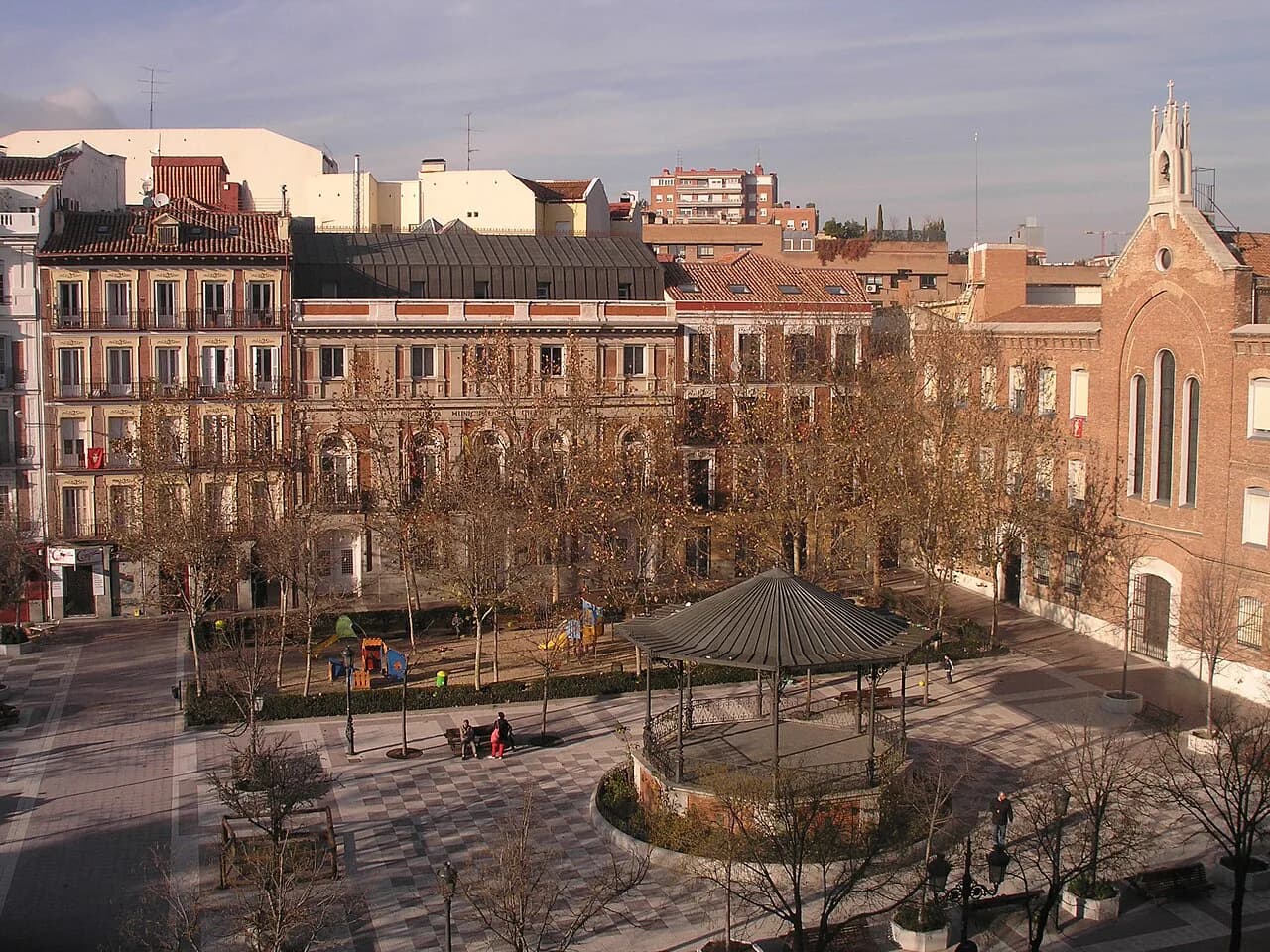
The guide identifies Plaza de Olavide in Trafalgar as a landscaped square surrounded by terraces, suitable for meeting friends and eating tapas. That gives a concrete planning point for travelers who want an evening around a neighborhood square. Compare candidate addresses with the square if that is the experience you want nearby.
The same guide describes Calle Zurbano through mansions, boutiques, restaurants and museums. We would investigate that street setting when architecture is an interest of the trip. Choose a few places you would like to explore, then compare the property address around them rather than treating the whole district name as the final decision.
For Chamberí, give time in the neighborhood its own place beside outings elsewhere. Decide whether a square-based evening or an architectural walk is a main activity or an occasional visit. That distinction helps you choose between staying around the interest and traveling there from another base.
Salamanca can support a culture-led trip as well as shopping
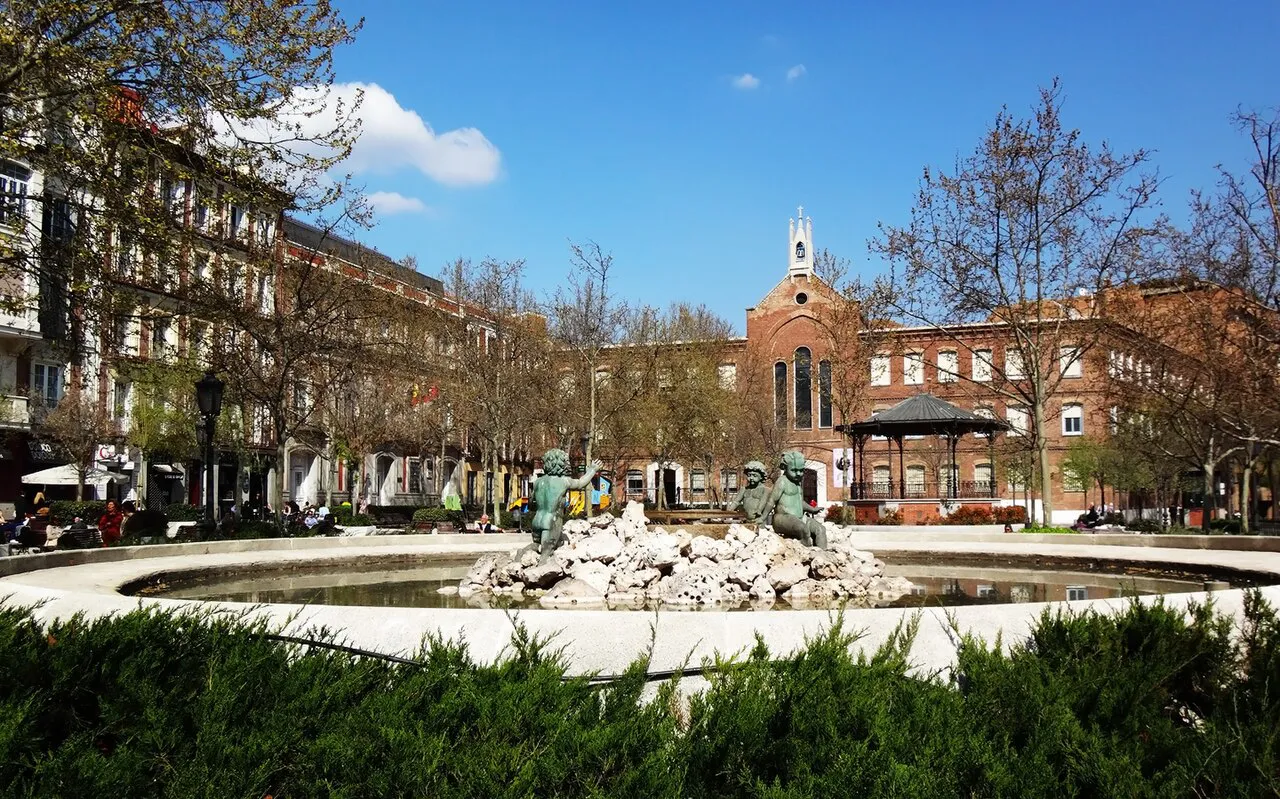
The official Salamanca guide includes the National Archaeological Museum, Lázaro Galdiano Foundation Museum and Juan March Foundation in its cultural description. We would investigate the district for a stay combining those institutions with shopping, then choose the address around the intended visits.
If one of these institutions is a priority, compare its location with the accommodation and the other activities for that day. Plan the visit through the institution’s own current information; a district overview supplies location context rather than opening or admission terms.
A useful base is central to your plans. A culture-and-shopping visit can reasonably produce a different Salamanca shortlist from a classic landmark itinerary. Choose according to the places you intend to use, including the evening destination, rather than adopt a default neighborhood without testing it.
Choose which part of Chamberí belongs in your routine
Within Chamberí, compare a property serving the Olavide square interest with one serving the Zurbano street setting. Choose the part that belongs in your routine, including where you want to return after outings elsewhere. This keeps the neighborhood search specific without making every address in the district interchangeable.
For performing-arts interests, the official guide locates the Canal Theatres between Arapiles and Vallehermoso on Calle Cea Bermúdez. We would use that location when an intended performance is one reason for the trip. Check the venue’s own programme separately before letting an event drive the accommodation decision.
For open-space interests, the guide identifies Santander Park as Chamberí’s largest green area. Its presence is another point to compare on the map, without assuming any room looks onto it. Decide whether a neighborhood square, architectural streets or a green-space setting matters most, then narrow the address search accordingly.
Match the shortlist to a short stay, family trip or solo visit
For a short sightseeing trip, we would begin with Centro and Barrio de las Letras. A short stay leaves less room to discover that a favored district does not suit the routine. Prioritize the address that simplifies the most important day rather than the area with the most appealing description.
Families should start with sleeping arrangements, planned outings and the need for a midday return. Decide which accommodation layout fits the party, then compare its address with those plans. A child’s age and everyone’s walking preferences can change which advantage matters most; the district label alone cannot settle the choice.
For an evening-led trip, agree on what the group wants to do and when people expect to return. For a sightseeing-led trip, give daytime destinations greater weight. That preference is more useful than choosing a neighborhood by the travelers’ ages, especially when companions want different versions of the holiday.
For a solo visit, decide whether planned sights, shopping or a preferred evening activity should guide the base. Then assess the actual property’s entry and reception arrangements. A familiar arrival routine and a suitable room are practical requirements to resolve for the booking, rather than conclusions drawn from a district’s reputation.
Choose the accommodation format after the base
For an apartment, ask whether the kitchen equipment, sitting space and bedroom layout match the way you intend to use it. For a hotel, clarify the room you would receive and which services belong to the selected stay. Treat both as formats to investigate; neither label answers whether there is a lift, enough sleeping space or a suitable arrival arrangement.
If boutique hotels appeal to you, keep that preference beside the address and room requirements. Compare a design-led option with the other candidates using the same essential criteria: sleeping arrangements, layout, arrival and the locations you intend to use. The style should contribute to a stay that works for the trip.
For budget planning, compare complete offers meeting the same requirements. Include accommodation, meals or services you plan to use, and the journeys in the itinerary. The actual party and dates should decide the cost comparison; a neighborhood name cannot establish the best total for your stay.
Use the exact address to plan walking and transport
Choose a representative day with the places you intend to use and any return to the room. Compare the candidate address with that whole plan. Two properties sharing the same neighborhood description can serve different directions of travel; use the stated address to settle the choice rather than extend a general walkability recommendation to every stay.
Map the Royal Palace, Prado Museum or other stops that matter to your plan beside each candidate address. Include any return for a rest before dinner. Compare the complete day, rather than choose a location useful only for the first outing.
For public transport, compare the actual stops and journeys for each address with the operator’s current information. Include arrival and departure with luggage. Choose according to those connections and your itinerary, rather than use a general walkability description as a substitute.
Finish with a room checklist and a deliberate decision
Before reserving, establish exact beds, permitted occupancy and bathroom layout. For access needs or luggage, ask about the complete entrance-to-room route, including any steps. Add the space or equipment you will use during downtime, and discuss room-facing and sleep preferences for the specific property. Resolve these essentials once the base shortlist is clear.
Write down one reason for choosing the base and one compromise you accept. Choose an address serving the main daytime interest while planning an evening elsewhere, or prioritize the evening activity while allowing separate daytime journeys. If that compromise feels wrong, revisit the shortlist before choosing accommodation.
Pick the neighborhood that supports your Madrid routine
Start with Centro or Barrio de las Letras for the sightseeing itinerary you want, Salamanca for fashion and architecture, Malasaña for music-led evenings, or La Latina for tapas streets. Consider Chamberí when time around its squares and cultural references is part of the plan. Choose the address and room together, with one clear priority and one accepted compromise. If you are combining this trip with San Sebastián, see our guide to where to stay in San Sebastián.
Explore more Madrid guides
- 4-Star Hotels in Madrid
- Best Area to Stay in Madrid for Nightlife
- Best Hotels in Madrid for Couples
- Best Hotels in Madrid for Families
- Boutique Hotels in Madrid
- Finding the Best Affordable Stays and Cheap Hotels in Madrid
- Hotels in Madrid Airport
- Hotels in Madrid City Centre
- Hotels with Pools in Madrid
- La Latina Neighborhood Madrid
- Luxury Hotels in Madrid
- The Best Hotels on Madrid’s Gran Via
- Spa Hotels in Madrid
- Hotels in Madrid Near Train Stations
- Madrid Hotels With Parking
- Serviced Apartments in Madrid
- Pet-Friendly Hotels in Madrid
Frequently Asked Questions
What is the best area to stay in Madrid for a first visit?
Our starting choice is Centro, particularly Barrio de las Letras, for a sightseeing-led stay. The Literary Quarter’s position between Sol–Gran Vía and Paseo del Arte supplies a specific central comparison. Choose the address against your intended outings and return to the room.
Where should I stay in Madrid for nightlife?
We would begin with Malasaña for a music-led evening itinerary. The official description identifies Plaza del Dos de Mayo and rock, punk and indie interests. Choose around the nights you want to enjoy, then assess the room and return arrangements separately.
What is the best Madrid neighborhood for families?
Start with the sleeping arrangement, intended outings and need for a midday return. Choose the actual property address against that routine. A district label cannot establish the beds, access or accommodation layout that your family will receive.
Where should I stay in Madrid on a budget?
Compare complete accommodation offers that meet your room and itinerary requirements, rather than assume a neighborhood is cheap. Consider the beds, services and journeys you need. A lower headline rate is useful only when the resulting stay supports your plans.
Is Salamanca better than Centro?
We would investigate Salamanca for fashion and architecture, and Centro for a classic sightseeing itinerary. Choose according to the places you intend to use during the day and evening. That comparison does not establish which area has calmer rooms or lower prices.
Should I stay in a hotel or an apartment in Madrid?
Choose the format according to how you will use the space. If meals, work or downtime matter, check the actual layout and equipment. For either format, confirm beds, bathroom, access and arrival arrangements rather than assume features from the category.
Sources
- Where to stay in Madrid first time: best areas + hotels
- Barrio de Las Letras | Tourism Madrid
- Barrio de Salamanca | Tourism Madrid
- Chamberí | Tourism Madrid
- Malasaña official geography and music interests
- La Latina narrow streets squares and actual tapas streets
- La Latina central neighborhood distinct from other Latina district
You might also like

Continue reading
More guides you'll find useful

_27.jpg)

