Where to Stay in Rome: Neighborhoods and Base Choices
Compare Centro Storico, Piazza di Spagna, Monti, Prati, Trastevere and Termini in Rome, then choose a base around your sights, evenings and room needs.
AI-assisted guide · Sources and editorial policy
On this page
For a first Rome visit centred on the Pantheon and Piazza Navona, our starting choice is the historic-heart pocket around those sights. Choose Monti when ancient Rome leads the plan, Prati for a Vatican-focused visit, and Trastevere when returning for dinner and the evening matters as much as the daytime appointments. These are editorial starting points; the address and the room still decide the stay.
Piazza di Spagna and the Termini area give you two further comparisons: a stay organised around the Spanish Steps and shopping, or one organised around a station journey. Start with two areas that serve the same itinerary. This guide compares six practical bases, then looks at arrival routes, budget and accommodation formats without treating a district name as a guarantee about the hotel.
A quick choice between the six areas
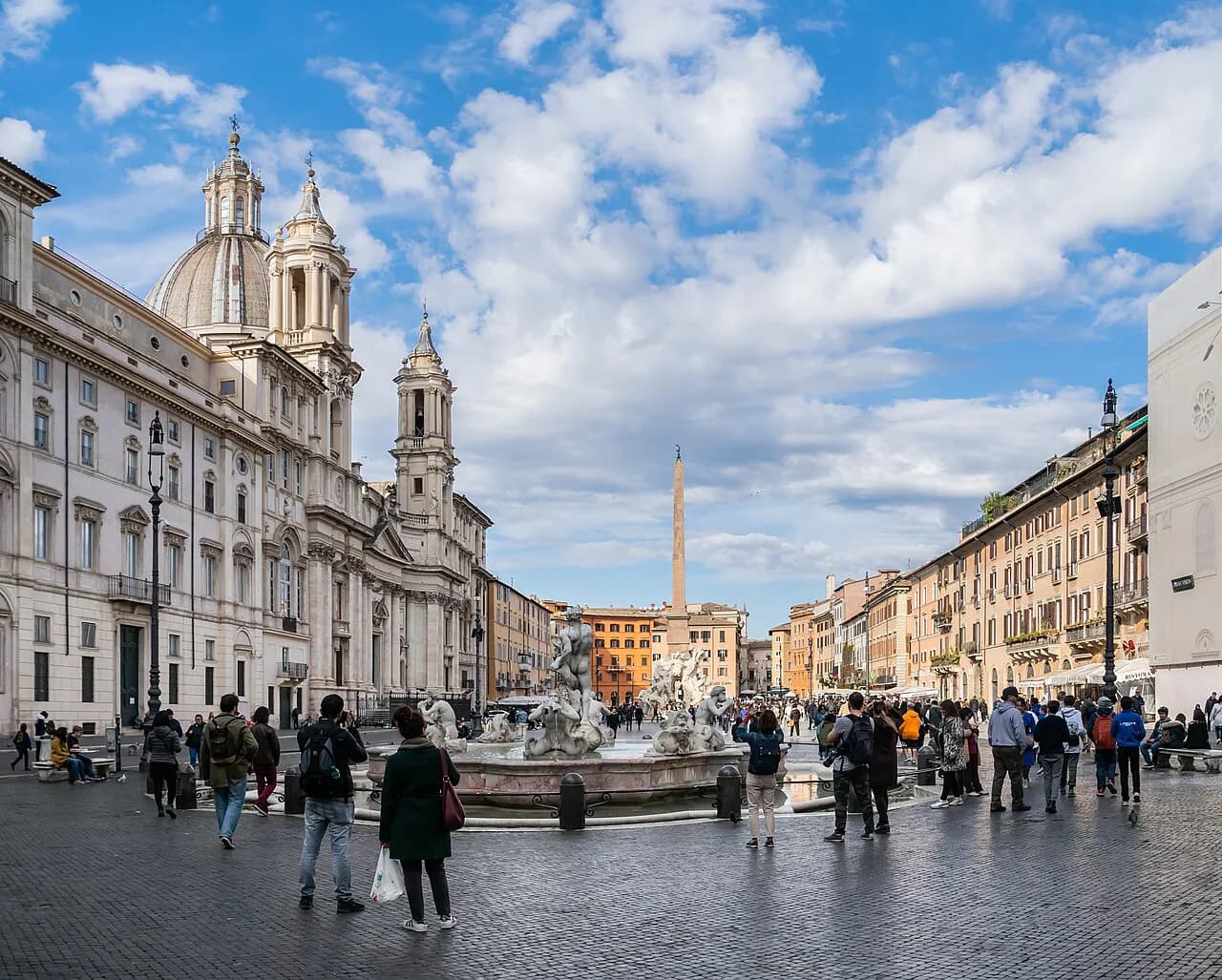
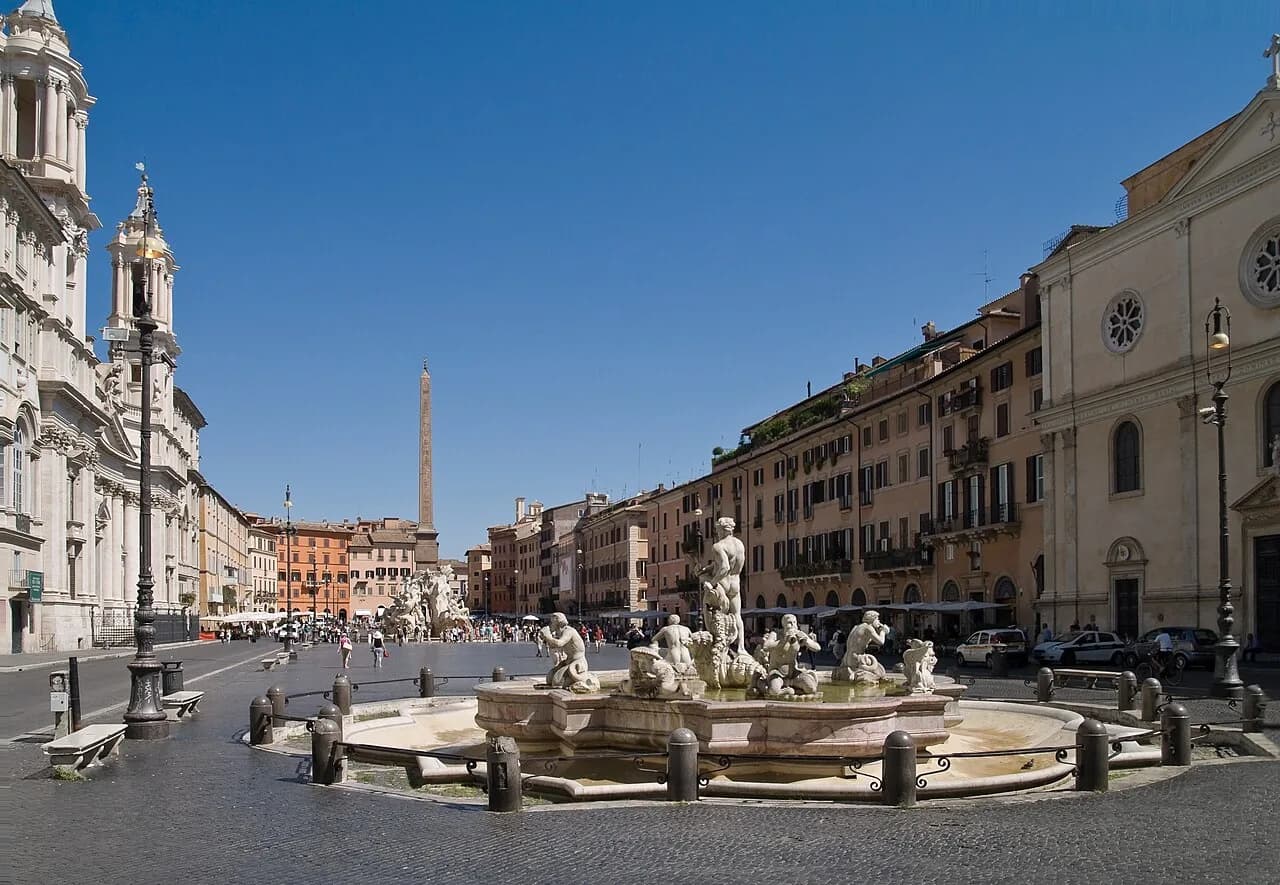
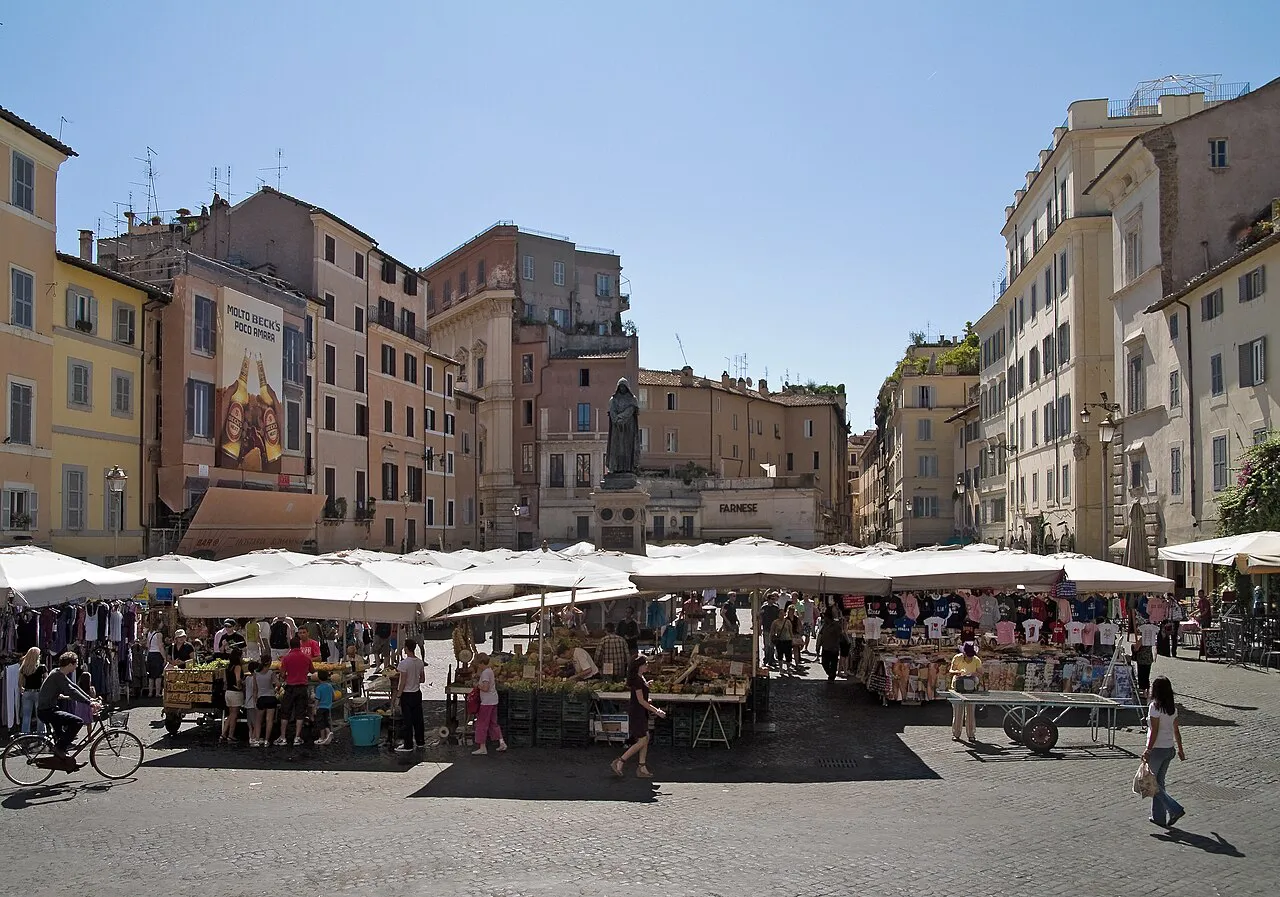
Centro Storico: Turismo Roma groups the Pantheon, Piazza Navona and Campo de’ Fiori as a historic-centre pocket. We would begin here when those places lead the holiday.
Piazza di Spagna: the official square description identifies the Spanish Steps and high-fashion shops nearby. We would investigate it when shopping is a planned part of the visit.
Monti: the official district account lists the Imperial Fora and Trajan’s Markets. We would start here for an ancient-Rome emphasis, then compare actual hotel and visit entrances.
Prati: the official account places it on the Tiber’s right bank near the Vatican, with shopping on Via Cola di Rienzo. We would start here for a Vatican-led plan.
Trastevere: the city’s area guide describes trattorias, nightlife, Piazza Santa Maria in Trastevere and Piazza Trilussa. We would investigate it when returning for dinner is central to the stay.
Termini/Esquilino: Turismo Roma identifies Termini at Piazza dei Cinquecento as a main station and Metro A/B interchange. We would compare a station-area address when that journey matters.
Start with the journeys you will repeat
Put the fixed visits on a map before choosing the neighborhood. A Pantheon/Piazza Navona plan asks a different question from a Vatican Museums and St. Peter’s plan. Include the morning appointment and evening return; these make the comparison concrete.
Compare the Pantheon/Piazza Navona pocket with the Spanish Steps side for the same central-sights visit. For ancient Rome and a train journey, compare Monti with a station-area address. For a Vatican-led visit, begin with Prati. Connect the recommendation to the actual appointments rather than a broad first-time visitor label.
Keep the same itinerary when comparing addresses. Mark the guest entrance and decide which journeys you expect to walk. Give the most frequent journey weight, while allowing a room to suit one day particularly well without being the best start for every day.
Centro Storico: the Pantheon, Piazza Navona and Campo de’ Fiori
Turismo Roma describes narrow streets and monumental squares in the Pantheon, Piazza Navona and Campo de’ Fiori area. Its named museums include Palazzo Altemps and the Museum of Rome in Palazzo Braschi. These give the pocket a specific sightseeing focus.
We would begin here when those visits are the reason for the trip. Decide whether to make one afternoon an unhurried local outing or move on to another booked attraction. Then choose where you want to return between them. This makes the address a deliberate part of the day rather than a central label alone.
Think about the first and last journeys separately from the sightseeing walk. Arriving with luggage asks a different question from leaving the room for a museum after breakfast. Compare the proposed arrival point and guest entrance, then assess the walks you actually intend to make. You can value the local streets while still giving the approach to the accommodation proper attention.
Once the address works, use the 4-star hotels guide to narrow the room search. A published category does not choose between the Pantheon pocket, Piazza Navona and the Spanish Steps side. Keep the location requirement alongside the particular room offer.
Piazza di Spagna: choose the northern setting deliberately
Piazza di Spagna’s city tourism page describes the Spanish Steps rising to Trinità dei Monti, with the Barcaccia fountain in the square and high-fashion shops nearby. That is the specific setting to investigate, rather than a claim about the city’s highest concentration of luxury hotels.
Compare a shopping outing and time around the square with a day centred on the Pantheon/Piazza Navona pocket. Neither choice restricts the rest of Rome to one neighborhood. If shopping is only a brief stop, it need not determine the overnight address. Give the activity the weight it actually has in your plan.
If design matters, use the boutique guide while holding the address requirement constant. A citywide design shortlist and a neighborhood choice answer different questions. Investigate the actual building and room after deciding whether this setting fits the planned days.
Monti: ancient Rome and a short stay
The official Monti account lists the Imperial Fora, Trajan’s Markets and Santa Maria Maggiore. Its boundary description reaches Piazza del Colosseo and the Lateran area. Monti therefore deserves an address-level comparison rather than being treated as a single small station-to-Colosseum pocket.
Separate the ancient-Rome day from the arrival day. Plot your booked visit entrance, hotel entrance and station journey if there is one. A room that fits the principal visit can still ask something different of you on arrival. Compare candidates within Monti using both routes before choosing another area.
For one night, we would put arrival, room and main visit ahead of adding extra neighborhoods. For several nights, repeat the comparison across the days you expect to spend out. Include an evening meal and return journey. Choose by that itinerary rather than assume every hotel offers the same walk or view.
Use the Monti guide for candidates around the Roman Forum. Carry the same party size and room requirements into the search. If Vatican appointments lead the itinerary instead, compare Prati using that full plan before settling on the address.
Prati: the Vatican, river side and Via Cola di Rienzo
Turismo Roma places Prati on the Tiber’s right bank near the Vatican and St. Peter’s Basilica. It identifies Via Cola di Rienzo shopping and Piazza Cavour, and explicitly places Castel Sant’Angelo in neighboring Borgo, rather than Prati.
Mamma Mia Indeed identifies Ottaviano as a Metro reference in its Prati description. Use it as a point to investigate from the offered address, rather than assume a station beside every hotel. Compare the actual entrance, the stop you would use and the onward destination for the same appointment.
Someone with one Vatican visit and several other appointments may choose differently from someone returning there repeatedly. Compare rooms against both versions of the itinerary. Let the quoted accommodation and planned meals decide the budget; we would not predict lower costs or quieter nights from Prati’s district label.
If the Colosseum and Roman Forum lead your visits, compare routes from a Prati address with routes from Monti. Either can be evaluated for a mixed itinerary. Give the repeated journeys weight according to the walks you want to do, rather than apply a walking-distance limit to everyone.
Trastevere: make the evening neighborhood part of the choice
Turismo Roma places Trastevere on the Tiber’s right bank and describes trattorias, clubs and the evening squares Piazza Santa Maria in Trastevere and Piazza Trilussa. Its area account also lists Villa Farnesina and Santa Cecilia among the art and church visits.
Decide whether dinner is also where you want the hotel. If you prefer to go there for one meal and return elsewhere, that outing need not settle the base. Compare the room address with the evening destinations you expect to return from, then with the next morning’s appointment.
The city guide describes Tiber Island as connecting Trastevere and the Jewish Ghetto via the Cestio and Fabricio bridges. This is a specific crossing to consider if those places are in your plan. Choose the actual crossing for your destination; being across the river is not one identical journey from every hotel.
Compare the evening time you want with how early you intend to start the next day. Ask about the offered room if sleep is a deciding factor. Neither a nightlife description nor an appealing restaurant settles its sound conditions. Keep dining plans and the room requirement separate.
Termini and Esquilino: station journeys and the local setting
The official train-arrival page names Termini and Tiburtina as Rome’s two main stations. It places Termini at Piazza dei Cinquecento, with a Metro A/B interchange and bus connections. Confirm which station belongs to your journey before choosing a station-led hotel search.
The city’s Esquilino account describes a district developing around Piazza Vittorio Emanuele II, with arcaded buildings, the Nicola Calipari gardens, a covered market and the Ambra Jovinelli and Brancaccio theatres. That is a local setting beyond the station itself, without assigning all nearby hotels one price or style.
We would investigate a station-area address for repeated train use or a brief stay involving that station. Compare the approach with a sightseeing-led alternative. For a longer holiday, give the ordinary days away from the station their own weight. The first journey should not stand in for the whole visit.
Separate sightseeing walks from arrival and onward transport
Draw three routes for the same candidate: arriving with luggage, reaching the main booked visit and returning after your evening plans. Each serves a different purpose. A room that suits the sightseeing walk can still require a different arrival arrangement. We would compare these routes explicitly instead of giving central or near the station one fixed meaning for the entire party.
An arrival happens once, while a preferred dinner setting may influence several evenings. A museum appointment may be fixed, while the rest of the day is open. Give that repeated routine weight without discarding the first journey. Compare two rooms against both when they meet the same sleeping requirements.
Start with the journey you have booked rather than an assumed airport train. Resolve an actual vehicle approach and parking separately if a car matters. For walking or public transport, evaluate the route the party will use; no area label establishes the entrance or a complete accessible journey.
Compare the whole budget, not just the room category
Compare the quoted room, the journeys and the meals you expect using the same dates and party for every candidate. An area-wide budget label can conceal that the offered rooms are different. Start with comparable accommodation requirements, then decide how much the address matters to your planned days. This lets the location carry an explicit value without predicting that one district always costs less.
Keep the same sleeping arrangement when comparing Prati with a candidate nearer the principal central visit. A lower total for a different room type does not answer the same question. We would weigh the complete offer and planned routine instead of turning a restaurant or shopping description into a room-price forecast.
Keep the address and party requirements constant when comparing quoted totals. Then decide which setting is worth the difference to you. A broad budget category should not carry more weight than the offered room and the journeys you expect to make.
Use named properties to understand the accommodation formats
Earth Trekkers describes Romance al Colosseo as a three-bedroom, two-bathroom apartment with a small kitchen, and The RomeHello as a hostel offering dormitory-style and private quadruple rooms. These are published format examples, rather than a promise that all apartments or hostels have those layouts.
Mamma Mia Indeed describes The Place Giuliana in Prati as an apartment converted into three separate rooms, each with a keypad lock and bathroom. That differs from booking an entire apartment. We would use the example to ask what is private, what is shared and how arrival works before comparing a room rental with a whole-property offer.
Decide which sleeping spaces, beds and bathrooms you need, and whether the offer covers a room or the whole accommodation. The format label does not settle all four. Choose the arrangement for the actual party, then compare addresses offering it. This keeps room choice connected to base choice.
Adapt the base to families, couples and short trips
For a family, place fixed visits and sleeping requirements on the same shortlist. Compare offers for the full party in two areas serving that plan. Include the returns you expect to make during the day. One suitable room can change the decision more than a generic family-friendly area label.
For a focused comparison, Best Family Hotels in Rome can help you move from the neighborhood to property candidates. If a pool is essential, make that a separate requirement with Hotels in Rome With a Pool. Carry the same party size and address priorities into each search; a facility preference should be resolved at the property level.
For couples, give the daytime visits and evening returns separate weight. A shared dinner plan may point to one address while fixed appointments point to another. For three days or a single night, use the same method with particular attention to arrival and departure. We would not assign one romantic neighborhood to everyone.
Resolve the room and arrival details after choosing the area
After choosing the two most suitable areas, consolidate the property questions into one comparison. Ask about the offered sleeping configuration, bathrooms, entrance, stairs or lift where needed, heating and air conditioning where important, and the arrival procedure. Those are requirements for the actual accommodation. Neither the district’s architecture nor its station connection proves that they are resolved.
Ask for the guest entrance, the arrival arrangement and the sleeping configuration being offered to your party. If stairs or movement through the building affect anyone traveling, describe the actual need and request a precise answer. Keep this check separate from a neighborhood’s Metro access; a station nearby does not establish the full route to the room.
Finally, compare the chosen room with your evening preference. Ask about room position if quiet matters, rather than rely on an area label or one writer’s experience of a square. Once those essentials are resolved, your decision rests on a concrete address, a suitable room and the days you intend to spend from that base.
Choose the base around your main day and evening
Begin with the Pantheon/Piazza Navona pocket for that central-sights plan, the Spanish Steps setting for a shopping-led visit, Monti for ancient Rome, Prati for the Vatican, Trastevere for evening plans or a station-area address for a train-led visit. Our preference is to shortlist two areas for the same itinerary and compare actual entrances and room offers. The useful choice should become clearer from the days you want to spend, rather than a universal neighborhood ranking.
Explore more Rome guides
- 4-Star Hotels in Rome
- Best Area to Stay in Rome for Young Adults
- Best Boutique Hotels in Rome
- Best Family Hotels in Rome
- Best Hotels in Rome City Centre
- Best Hotels in Rome for Couples
- Hotels in Rome With a Pool
- Monti Rome Hotels
- Where to Stay in Rome on a Budget
- Serviced Apartments in Rome
- Spa Hotels in Rome
- Luxury Hotels in Rome
- Hotels in Rome Near the Train Station
- Hotels in Rome With Parking
Frequently Asked Questions
What is the best area to stay in Rome for first-time visitors?
Our starting choice is the Pantheon/Piazza Navona pocket when those places lead the itinerary. If your fixed visits point mainly to ancient Rome or the Vatican, compare Monti or Prati instead. First-visit status alone does not decide the address.
Where should I stay in Rome for three days?
Compare two addresses using the same three-day plan, party and sleeping requirements. Give fixed appointments and arrival/departure routes weight, then decide where you want to return between visits. Trip length alone does not identify one best neighborhood.
Where should I investigate a budget stay in Rome?
Compare actual offers for the same dates and party in the areas that fit your itinerary. Include planned journeys and meals in the decision. This guide does not predict district-wide prices or promise that Prati or Termini will be cheaper.
Is Rome easy to walk around?
Choose the walks from your particular entrance to the places you plan to visit. Assess sightseeing walks separately from arriving with luggage and returning after dinner. Decide which journeys you want to walk rather than apply one walking-distance limit to everyone.
Should I stay near Termini station?
Investigate a station-area address when that journey has an important role in the visit. Confirm whether your train uses Termini or Tiburtina, then compare the approach with a sightseeing-led alternative. A station label does not settle the entire itinerary.
Is Trastevere a good base for Rome?
We would investigate it for an evening-led stay around the area’s dining and squares. Decide whether you want the hotel there or prefer to visit for dinner and return elsewhere. Compare the offered room and the next morning’s journey as well.
Which Rome areas should families compare?
Start with the family’s fixed visits and exact sleeping requirements, then compare suitable offers in two areas serving that plan. Ask about the particular room capacity, beds, bathrooms and entrance. A family label for the neighborhood does not establish those arrangements.
Should I choose Prati or Monti for sightseeing?
We would start with Prati for a Vatican-led visit or Monti for an ancient-Rome plan. Compare each actual address with the full itinerary and the walks you want to do, including the evening return. Either needs the same room-level comparison.
Sources
- Where to Stay in Rome: Best Areas of the City - Mamma Mia Indeed
- Where to Stay in Rome for the First Time (+ Where NOT to Stay)
- Turismo Roma: navona actual geography and local setting
- Turismo Roma: spagna actual geography and local setting
- Turismo Roma: monti actual geography and local setting
- Turismo Roma: prati actual geography and local setting
- Turismo Roma: trasteverearea actual geography and local setting
- Turismo Roma: train actual geography and local setting
- Turismo Roma: esquilino actual geography and local setting
You might also like


Continue reading
More guides you'll find useful