

Best Area to Stay in Rome for Young Adults: Choose Your Base
Compare Monti, Trastevere, Testaccio and a central-sights option in Rome, then choose a base around mornings, evening plans and your group’s room needs.
AI-assisted guide · Sources and editorial policy
On this page
Our starting choice for the best area to stay in Rome for young adults is Monti when ancient sights and evenings both matter. We would investigate Trastevere when returning after dinner leads the plan, or Testaccio when eating and social outings shape the visit. A central-sights base gives you a fourth comparison.
Choose by the group’s actual days rather than age alone. Put the most important morning and evening on the same shortlist, then decide which routine you want to repeat from the accommodation. Use our broader guide to where to stay in Rome for the citywide context; this guide focuses on making that group choice concrete.
Monti: begin with ancient sights and an evening plan
Turismo Roma describes Monti’s art galleries and nightlife, and lists the Imperial Fora and Trajan’s Markets among its landmarks. We would start here when an ancient-Rome visit is a fixed part of the trip and the group also wants an evening plan. Use the named visit, rather than a broad central label, to begin the address search.
This is a starting preference for a mixed itinerary, not a claim that everyone should choose the same street. If the group has one booked visit and several open afternoons, weigh that appointment against where you want to return later. A single early start can matter greatly, but it need not decide every other day.
Compare the actual guest entrance with the entrance for the visit you have booked. Then add the evening destination you would genuinely choose. We would keep a candidate that works for both routines on the shortlist, while allowing the room arrangement to decide between addresses serving the same plan.
Trastevere: choose the evening return deliberately
The city’s area account places Trastevere on the Tiber’s right bank, describes trattorias and nightlife, and names Piazza Santa Maria in Trastevere and Piazza Trilussa. It also lists Villa Farnesina and the Basilica of Santa Cecilia among the area’s visits. These are specific reference points for the comparison. We would investigate a room here when returning from a chosen meal or outing is central to the stay.
Decide whether you want the accommodation in the evening neighborhood or prefer to go there for one outing and return elsewhere. Those are different holidays. If dinner is the main shared activity each day, the evening return deserves repeated weight; if it is one open night between booked visits, give the daytime plan equal attention.
Keep the actual destination visible when comparing addresses. Choosing a square as a meeting point does not require everyone to follow the same activity beforehand. Agree on where and when you will meet, then choose the accommodation around the return the group expects to make, rather than a general nightlife label.

Testaccio: give dinner and social outings their own weight
The same official guide places Testaccio on the Tiber’s left bank and describes trattorias. It identifies Monte dei Cocci and the former grottini at its base as restaurants and disco-pubs. That gives a food-and-social-outing search a specific local focus, without treating it as part of Trastevere.
We would compare this option when meals are deliberate plans, rather than stops fitted between monuments. Choose the eating outing the group is most excited about and decide whether the accommodation should support returning there repeatedly. A food-led holiday can still include fixed sightseeing; the question is which part should shape the overnight address.
Compare dinner and the next morning as a pair. If the group would happily travel for one special meal, that meal alone need not settle the base. If several evenings are organised around eating and meeting up, give those returns their own weight alongside the room offer.
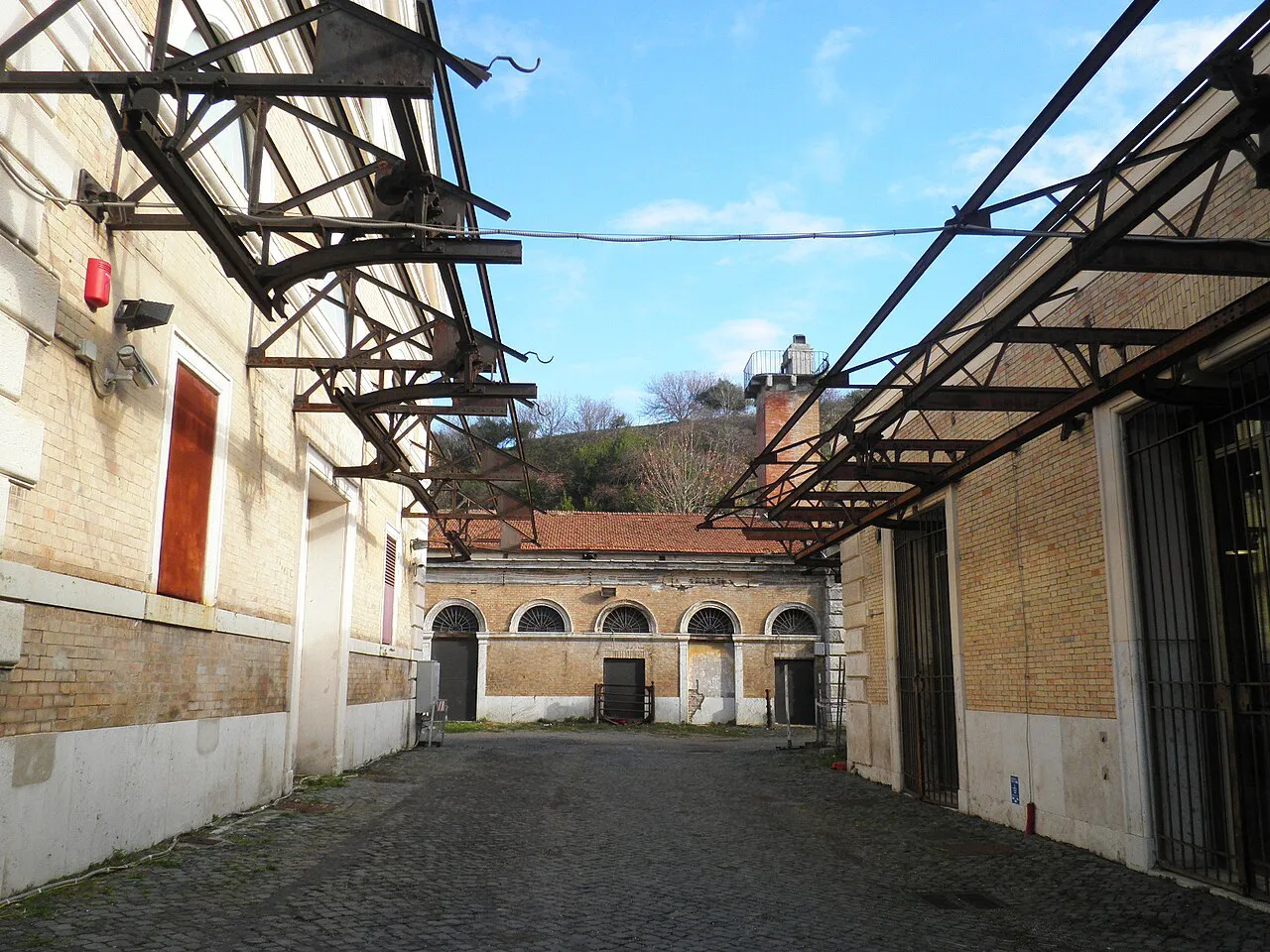
Centro Storico: a Trevi-to-Pantheon sightseeing comparison
Bon Traveler recommends the Trevi-to-Pantheon part of Centro Storico for first-time visitors wanting to walk to iconic sights. We would use that as a fourth comparison when those visits lead the plan. It is an attributed sightseeing recommendation, not a promise that one room puts all of Rome within the same walking reach.
Separate the first-visit label from the actual appointments. A group wanting to spend most of its time around those sights may choose differently from one with a single central visit and several dinner plans elsewhere. Mark the fixed stops first, then compare an evening-led candidate using the same full itinerary.
If you prefer 4-star hotels, keep the category requirement alongside the area choice. Compare suitable offers for the same party after choosing two useful settings. The category itself does not determine the sleeping arrangement, guest entrance or journeys that the group needs.
Compare the first morning with the late-evening return
Choose one morning everyone cares about and one evening everyone cares about. Include a booked visit, a meal or meeting point, and the guest entrance for each candidate. Which routine would you rather support from the accommodation? This gives a mixed group a clearer discussion than asking for the youngest or liveliest neighborhood.
An early appointment and an open evening have different consequences. If missing the morning would lose a booked visit, give it proper weight. If the evening is flexible, the group may prefer to travel for it. Conversely, a holiday designed around long dinners should give the repeated return serious attention instead of treating it as an afterthought.
Allow friends to spend some time separately. You can agree on a shared meal without agreeing on every museum, or on one fixed visit without identical evening plans. Choose a meeting routine that everyone can use, then compare the accommodation against the journeys that follow from it.
Agree on the room routine before choosing optional extras
The evening neighborhood and the sleeping arrangement are separate decisions. Before comparing upgrades, agree on the number of beds and bathrooms the group needs, who expects an early start and whether everyone intends to return together. These choices can rule out an attractive offer more decisively than its district label.
If some friends want a late outing while others prefer sleep, decide how that will work before booking. Ask about the particular room’s position and the arrangement being offered, rather than forecast sound conditions from a nightlife description. A lively outing does not establish whether the selected room meets anyone’s sleep requirement.
Consider the hours spent indoors as well. If everyone expects to get ready at once, make that part of the room comparison. If friends will read or work while others go out, decide whether one shared space meets the need. Treat extra facilities as secondary once the basic routine works.
Make the arrival and offered address concrete
Resolve arrival separately from the sightseeing walk. Begin with the transport journey actually booked, then identify the guest entrance and luggage approach. A route that suits an outing after breakfast may serve a different purpose from the first journey with bags. Use the real arrival arrangement when comparing two offers.
Keep the dates, party and sleeping requirements constant. Compare the total offer and cancellation conditions, then ask the accommodation about any access need that could decide the choice. A district recommendation cannot settle stairs, a lift or the route through the building. Resolve those requirements for the particular booking.
Choose the address only after the group agrees on its main compromise. Some trips give the morning visit more weight; others give the evening return more weight. Keeping that decision explicit makes it easier to choose a room everyone can use, without expecting the neighborhood to answer every accommodation question.
Choose the routine the group wants to repeat
Begin with two settings serving the same trip, then compare the first morning, the evening return and the room arrangement. Our preference is the base with a clear role in the days you want to spend together. You can make space for individual plans while agreeing on where the group meets, returns and sleeps.
Frequently Asked Questions
Should young adults start with Monti or Trastevere?
We would begin with Monti for an ancient-sights-and-evenings plan, or Trastevere when the evening return leads the trip. Compare the actual addresses using the same appointments, meeting points and room requirements before choosing.
Is Testaccio useful for a food-led Rome visit?
We would investigate it when meals and social outings are deliberate parts of the plan. Decide whether you want the accommodation to support repeated returns or prefer to travel for one meal and stay elsewhere.
Does a first visit require the same area for every group?
No. A first visit with fixed sightseeing appointments asks a different question from a visit organised around dinners. Put the booked mornings and intended evenings beside each address, then choose the routine you want to support.
Does a nightlife description establish room noise?
No. It describes an area’s evening activity, not the sound conditions of a particular room. Agree on the group’s sleeping needs and ask about the offered room when those conditions could decide the booking.
Should the group prioritise arrival or the daily itinerary?
Compare both separately. Arrival with bags has one purpose; the walks and returns you repeat have another. Give each appropriate weight, then choose an offer that meets the room requirements for the whole party.
Sources
You might also like

Continue reading
More guides you'll find useful

.jpg)
.jpg)
