Where to Stay in Milan: Neighborhoods for Your Trip
Compare Milan bases around the Duomo, Brera, Navigli and Città Studi, then choose around sightseeing, shopping, evening plans and daily journeys.
AI-assisted guide · Sources and editorial policy
On this page
For a first visit centered on monuments and shopping, our starting choice is Centro Storico around the Duomo. Compare Brera for an art-focused stay, Navigli if canal-side outings are a priority, and Città Studi for a university-oriented visit. These are editorial choices to investigate, rather than a ranking every traveler should follow.
Milan’s base decision becomes clearer when you name the activities that will shape several days, not just one outing. A cathedral visit, an afternoon browsing shops and a substantial art visit can all belong in the same holiday, while suggesting different priorities for the accommodation. Choose what you want the trip to revolve around, then assess the journeys between your actual address and your plans.
Centro Storico: choose a landmark-led sightseeing base
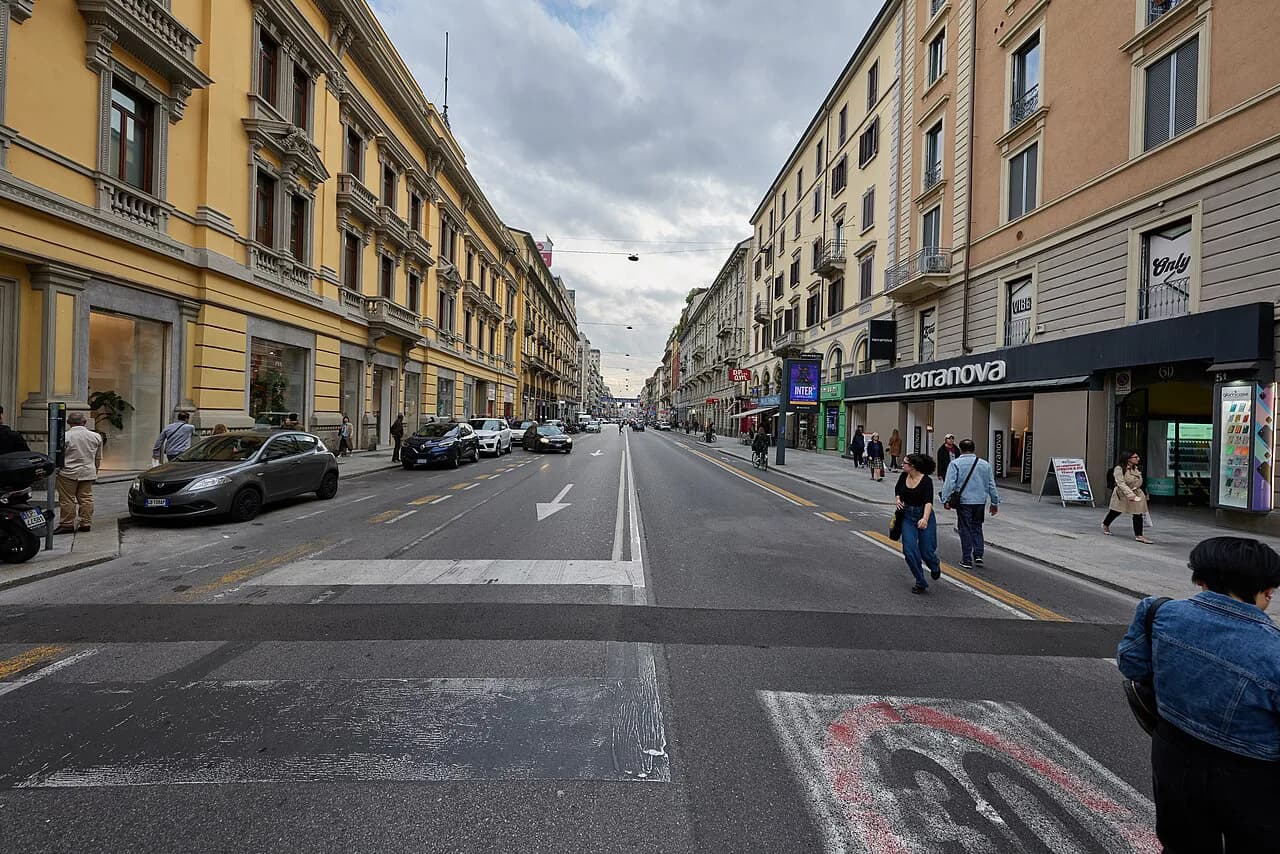
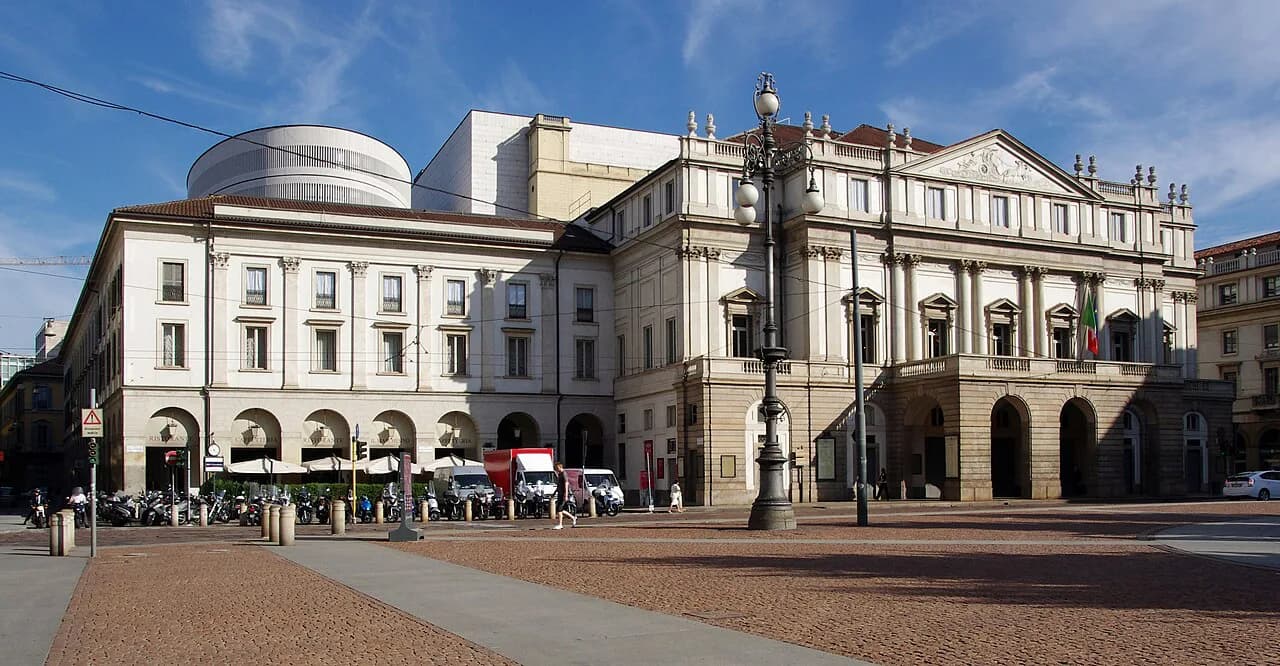
Follow Me Away’s historic-center description names the Duomo, Galleria Vittorio Emanuele II and Teatro alla Scala among its principal landmarks. That gives a monument-led visit specific destinations around which to build a central shortlist. Decide which of these places matters most to the trip before using the broad Centro Storico label to choose accommodation.
The advantage is concentration, not a promise that every Milan destination will be outside your door. Start with the places you genuinely plan to visit and compare them with each candidate address. If the Duomo, Galleria and La Scala account for much of your itinerary, a central location has a clear purpose. If they are one day within a longer visit focused elsewhere, give the other areas more weight.
Choose a central base for the days you intend to spend there. If a main landmark visit shapes each morning, it deserves substantial weight. If sightseeing is one part of a holiday built around other interests, give those interests equal space. Make that choice before comparing room photographs: otherwise the best-looking accommodation can pull you toward a setting that does not match the holiday.
The Duomo and Galleria: decide how often you will return
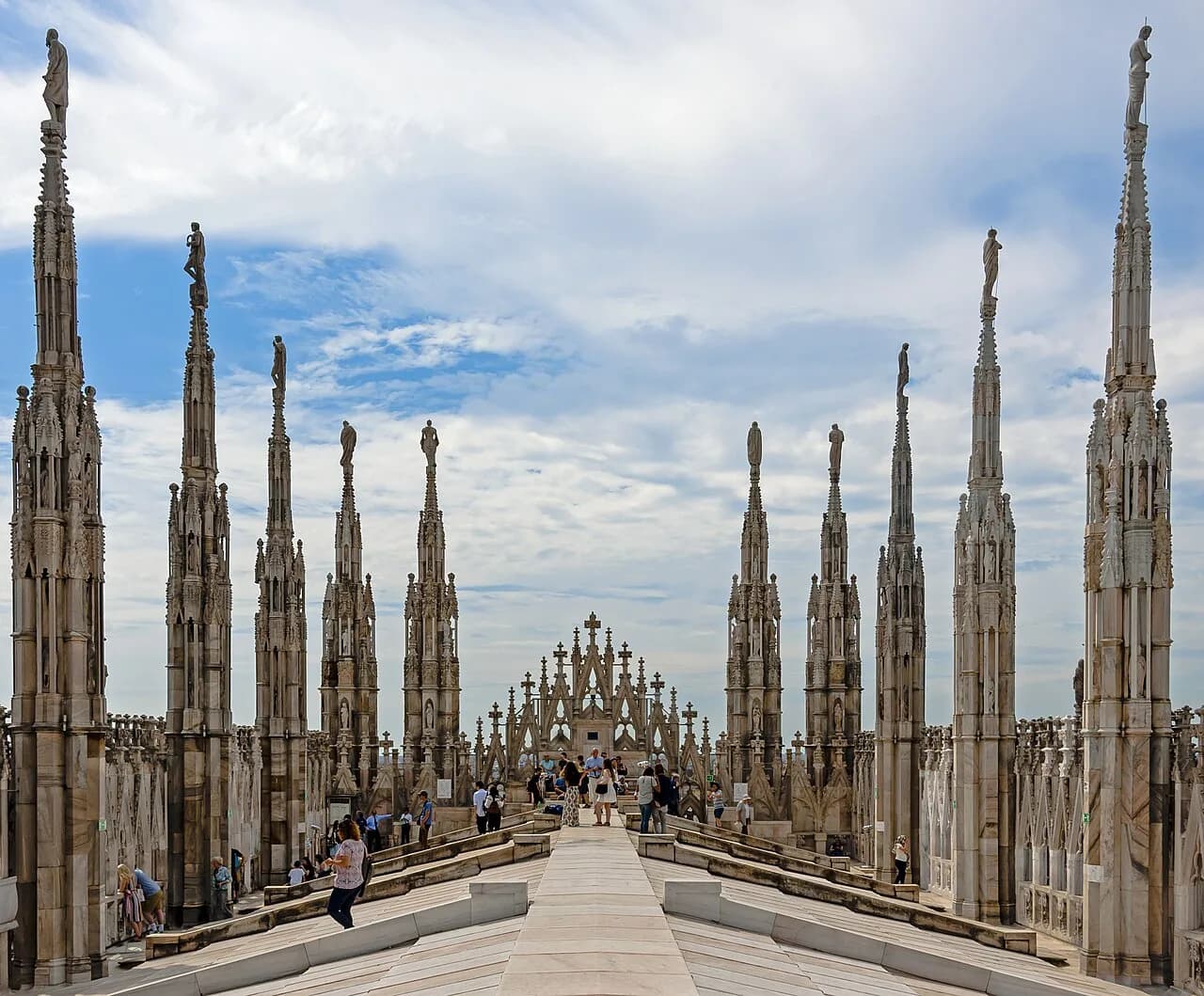
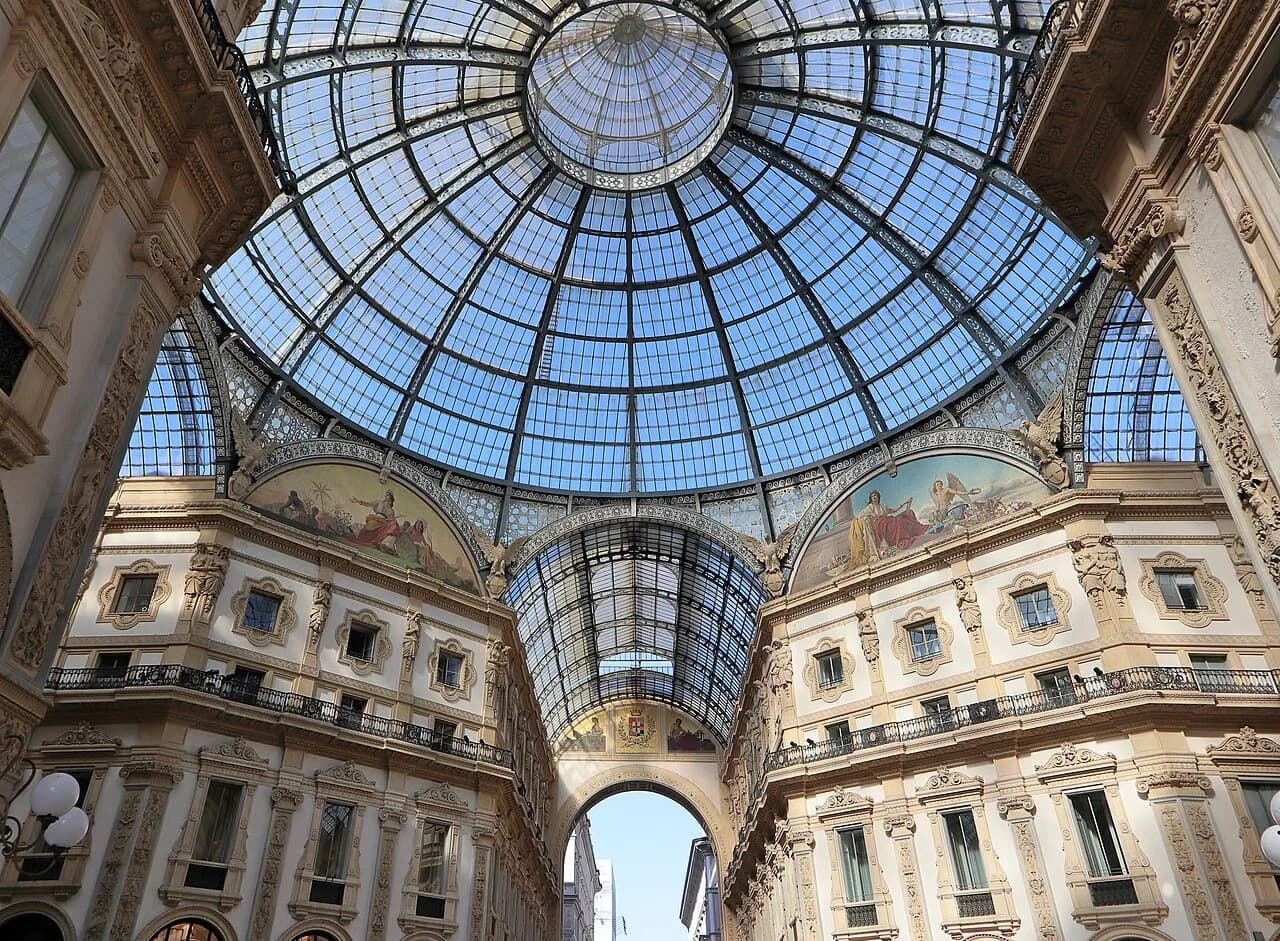
Wild About Travel’s central outing list includes the Duomo and Galleria Vittorio Emanuele II, describing the Galleria’s iron-and-glass vaults and dome. Our recommendation is to focus the search around these landmarks if they are places you expect to revisit, while deciding whether the cathedral or the arcade is the stronger reason for choosing the address.
That is especially useful when a short visit has only a small number of principal objectives. Put those objectives ahead of a long list of districts: an address chosen around the landmark you most want to see is easier to evaluate than a hotel chosen because its neighborhood appears in many recommendations. For a longer trip, decide whether the Duomo will remain the center of your plans after the first sightseeing day.
After choosing that focus, compare hotels near the Duomo by the actual address and the accommodation you need. Keep the cathedral-centered location as one part of the decision, alongside the arrival and departure plan. A recognizable landmark is a useful map reference, but it should help you select the right candidate rather than replace the comparison.
Corso Vittorio Emanuele and La Scala: refine the central choice
Wild About Travel lists shopping on Corso Vittorio Emanuele among its central outings. Follow Me Away identifies Teatro alla Scala as an opera house in the historic center. These give a central stay two distinct interests beyond visiting the cathedral: a shopping-led itinerary and a stay in which the opera house is an important destination.
Our editorial approach is to compare the individual addresses against the interest that will bring you back most often. If shopping is a major part of the visit, include the named shopping street in the map comparison. If La Scala is the reason for a particular evening, use the actual venue and your planned return journey. Neither requires treating the whole historic center as one identical location.
Fashion streets: choose around the shops you intend to visit
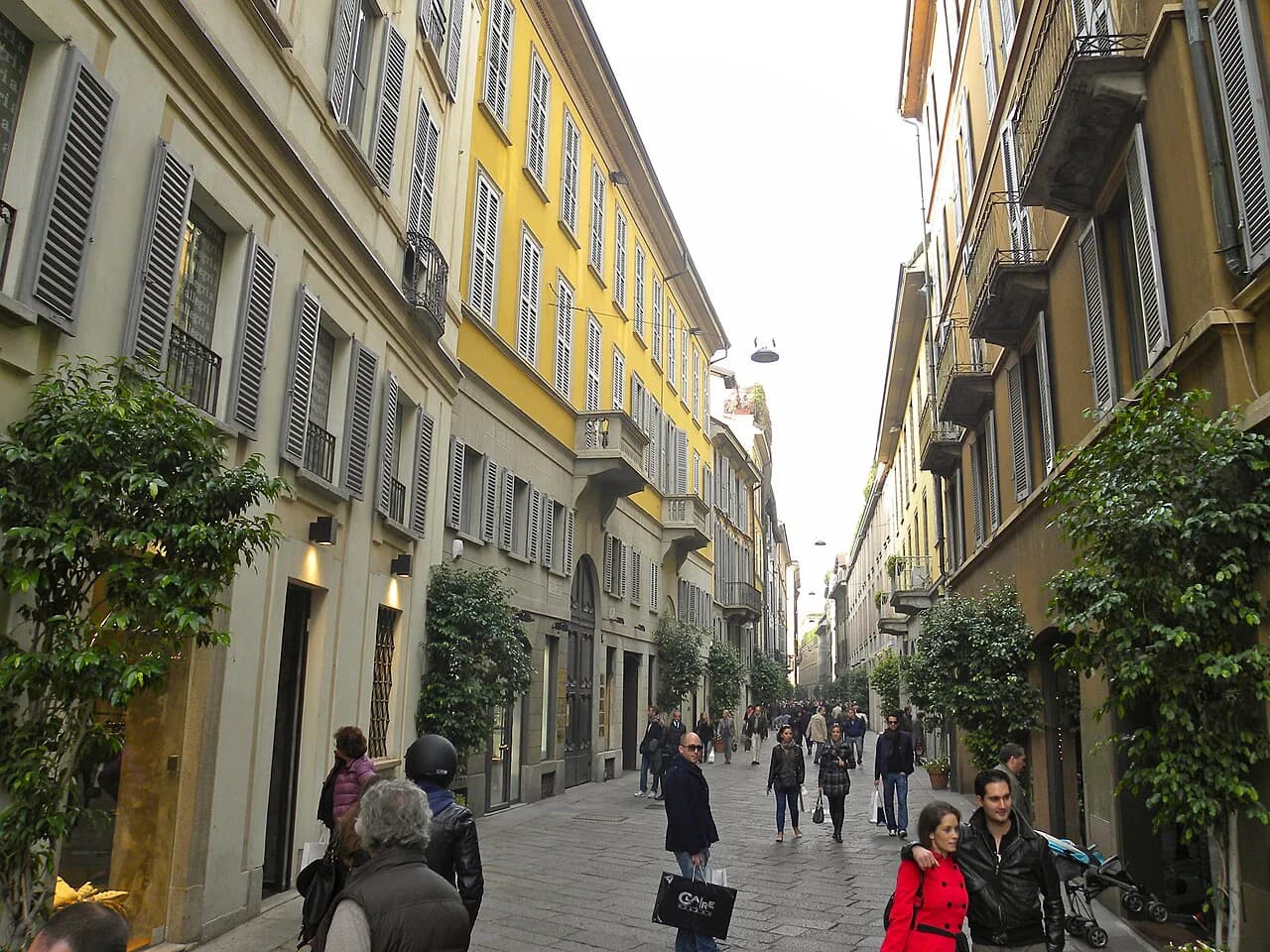
Wild About Travel’s fashion-area suggestions name Via Montenapoleone, Via della Spiga and Via Sant’Andrea, with designer storefronts as an interest. If browsing those streets is a principal reason for the visit, use them as anchors in the accommodation comparison rather than assuming that every shopping trip has the same geographic focus.
Distinguish that preference from a broader shopping itinerary around Corso Vittorio Emanuele, and from the independent-shop interest described around Ticinese. You can enjoy several of those settings during one visit, but the base should reflect the one that draws you back repeatedly. Name a few actual destinations before narrowing the accommodation search; that is more useful than choosing around the general reputation of Milan as a shopping city.
If you are also comparing boutique hotels, keep the design preference separate from the location preference. First decide whether the fashion streets, Duomo area or a canal-oriented neighborhood best supports the visit. Then compare properties in that shortlist by the style and room requirements you actually want. A hotel format does not by itself tell you which part of Milan will suit the trip.
Brera: compare an art-led visit with the Duomo focus
YesMilano identifies Brera as an art district north of the city centre, describing cafés, shops, showrooms and art galleries along its streets. Its itinerary locates Palazzo Brera on Via Brera 26, with the Pinacoteca on the first floor and the Botanical Garden behind the building. We would investigate this setting when an art visit is an important part of the holiday.
An art-led search and a cathedral-led search answer different questions about the same trip. Choose the cultural outing you most want to organize a day around, then compare individual addresses with the other destinations on the itinerary. A venue’s location supplies a clear reference point; it does not decide how much time you want to spend inside or whether its visitor arrangements match your dates.
For a couple planning a visit with room for unstructured exploring, we would include art-oriented candidates alongside the cathedral candidates. For a first visit dominated by a tightly chosen monument list, compare how each address serves that list. Keep the preference specific: choose around the collection, exhibition or browsing plan you want, then leave enough room in the itinerary to enjoy it.
Navigli and Naviglio Grande: put canal-side evenings on the map
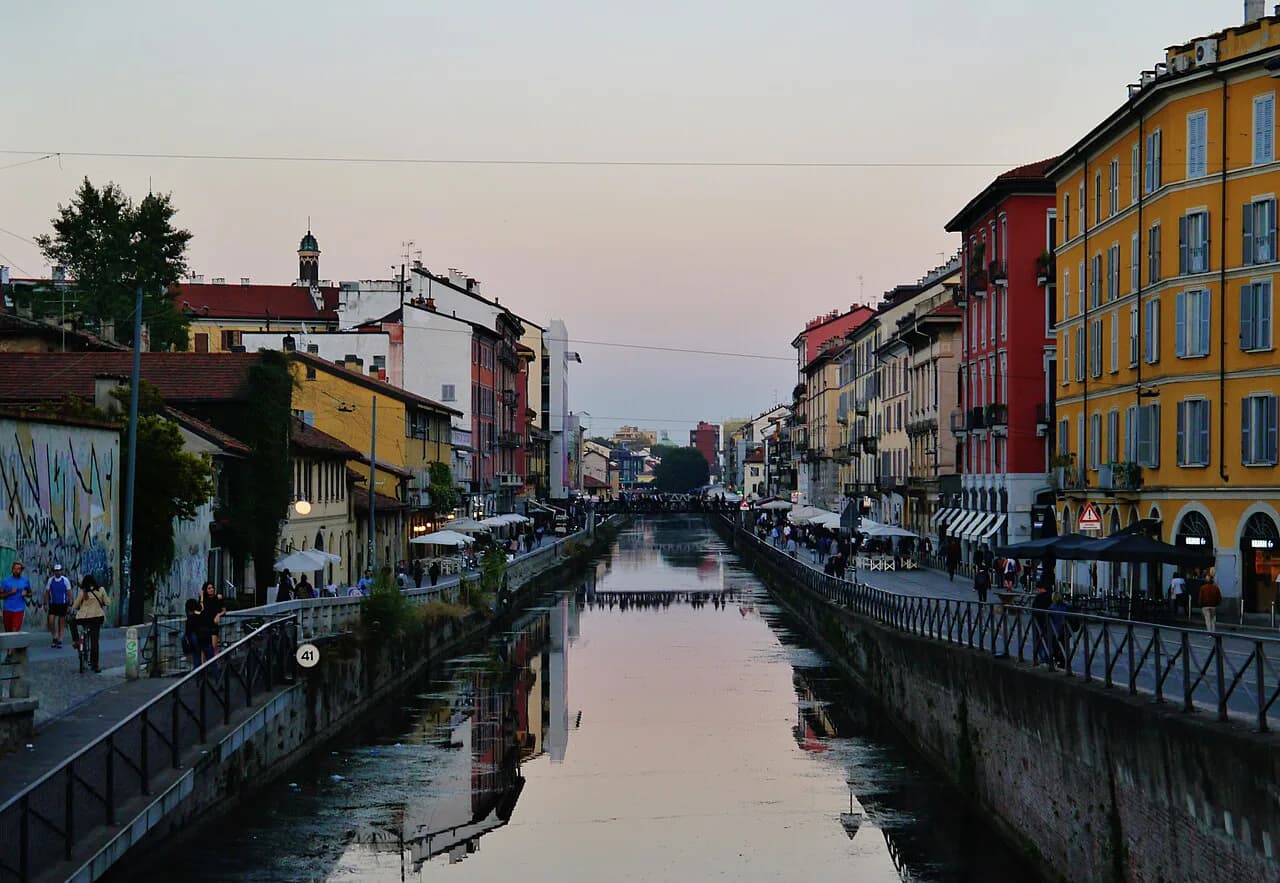
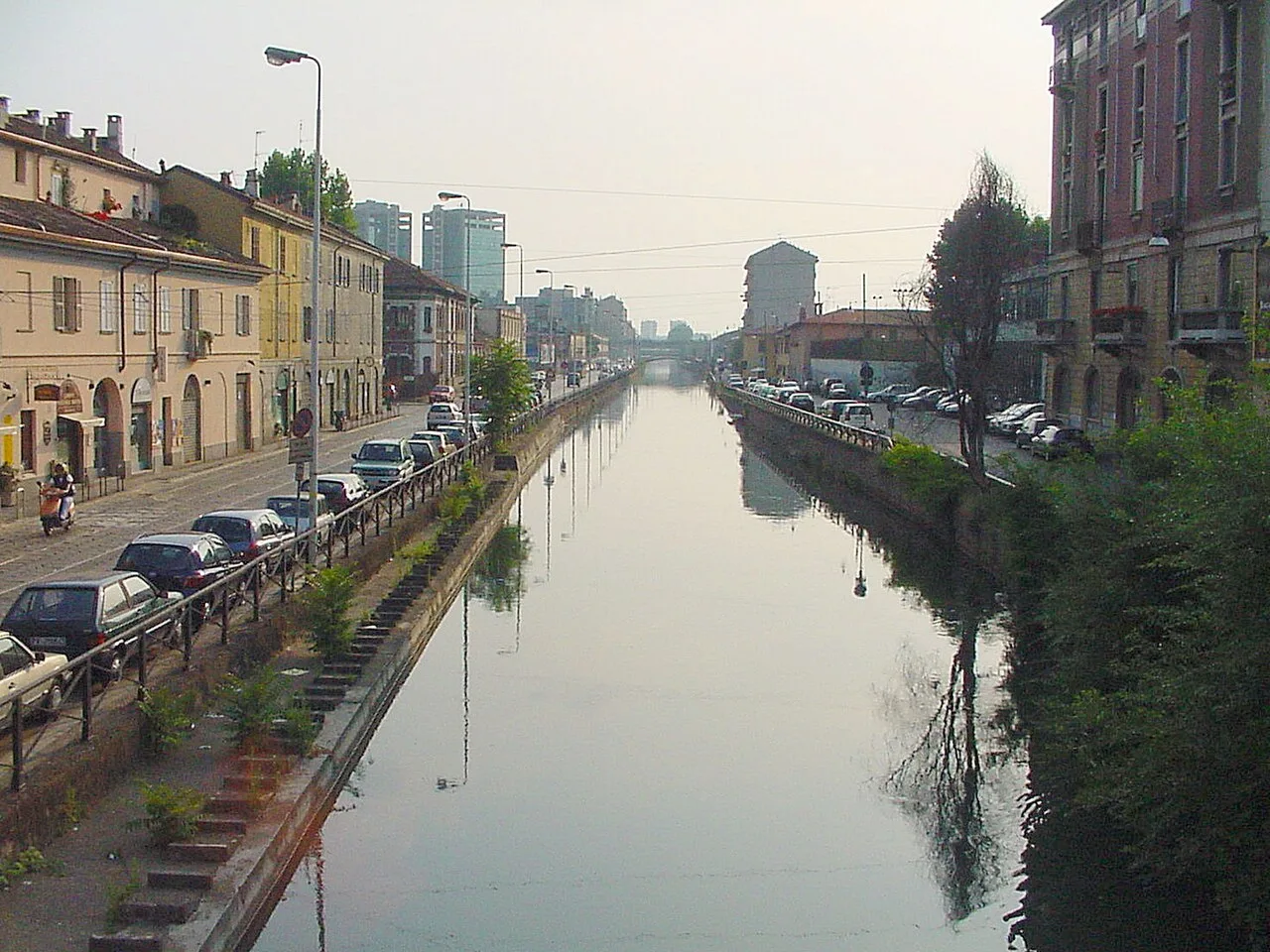
YesMilano describes Naviglio Grande and Naviglio Pavese as canals entering from the south and southwest and converging near Porta Ticinese. It identifies the Darsena as Milan’s former river port. These are distinct geographic reference points for a canal-oriented accommodation search, so decide which waterfront outing you want to organize the stay around.
That creates a different starting point from a Duomo-led stay. You would be choosing around the place where you want to eat, stroll or go out, then fitting the sightseeing journeys around it. If your visit is almost entirely a list of central monuments with early finishes, compare the historic center first. If several evenings around the canals are part of the plan, Navigli has a clear role in the accommodation search.
Give a canal-oriented base a purpose beyond the photograph. You might want to spend an afternoon exploring the waterfront, make a particular meal the focus of an evening, or meet friends after separate daytime outings. Decide which of those plans would bring you back repeatedly. If none is central to the trip, another location may serve your priorities more directly.
Navigli and the Darsena: distinguish canal and basin plans
A canal outing and a basin-oriented outing need not produce the same accommodation shortlist. Use the named waterways and Darsena to decide where you intend to spend time, then compare the candidate address with that choice. A plan built around a particular waterfront setting is easier to evaluate than a broad preference for somewhere lively after dark.
Our recommendation is to compare your morning and evening plans together. If a meal or social outing is a main attraction of the trip, give that preference proper weight in the base choice. If you expect early starts most days, decide whether you will actually make time for the waterfront plan. The answer should come from your intended routine, rather than a rule about which areas suit younger visitors.
A group should agree on this before deciding where to sleep. One person’s favorite part of Navigli may be exactly the part another plans to skip. Identify the evenings you expect to spend together and the mornings when everyone needs to leave. That conversation can make the choice between a canal-oriented stay and a central sightseeing stay much clearer than comparing hotel categories alone.
Ticinese and the Colonne: compare an independent-shopping interest
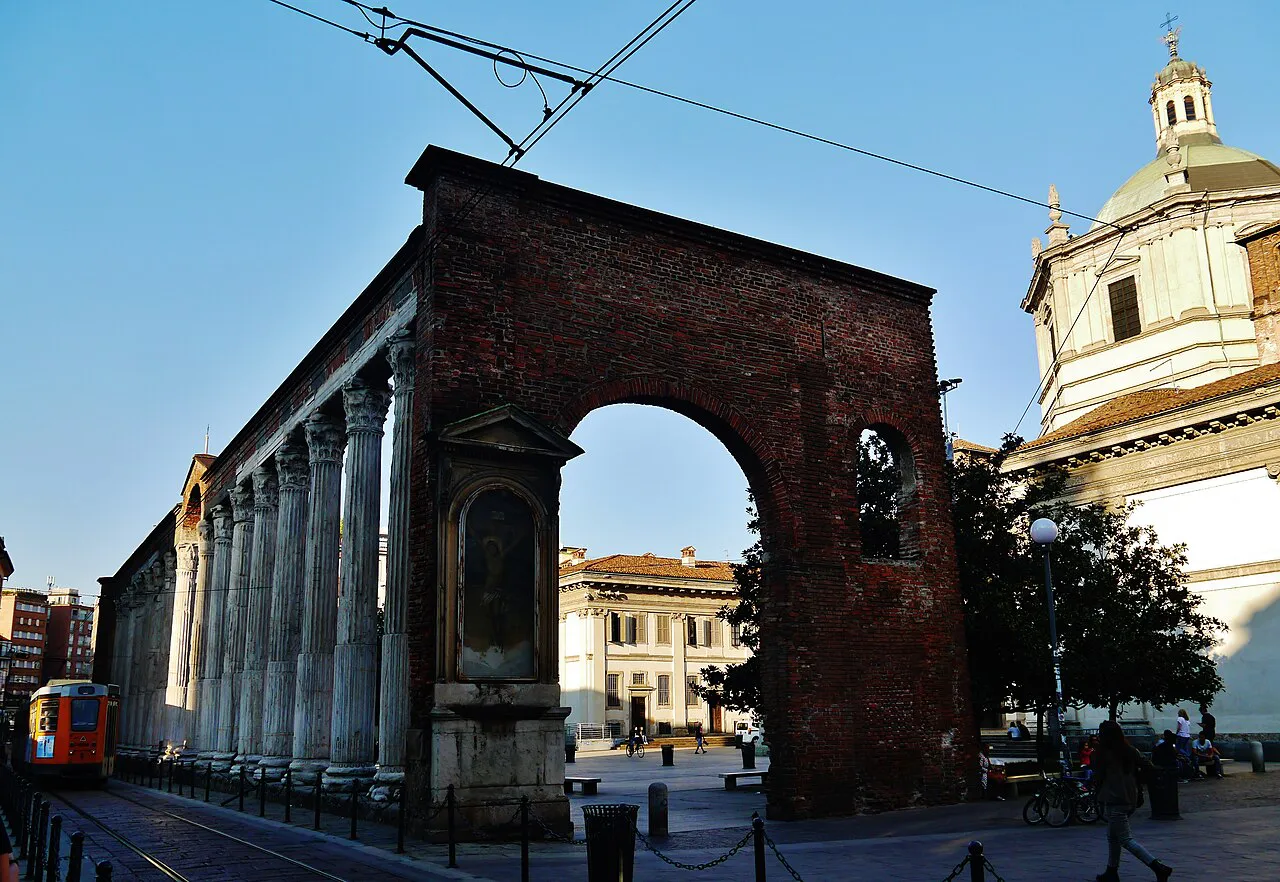
YesMilano’s Ticinese description identifies boutiques and food venues on Corso di Porta Ticinese, and names the wash houses at Vicolo dei Lavandai as another outing. Wild About Travel also includes Colonne di San Lorenzo in its local suggestions. These references give you specific browsing and place-based interests to compare with a canal-led search.
This is a useful comparison with the fashion-street choice. A visit focused on Via Montenapoleone and designer storefronts may lead to a different shortlist from one focused on independent shops and canal-side dining. Make the shopping interest concrete before choosing the neighborhood. Both can belong in the itinerary, but they should not be reduced to the same vague preference for staying where the shops are.
Use the named street and Colonne as reference points when assessing individual addresses. Then compare the rest of the day’s destinations with the same candidate. We would give this setting more weight on a visit that deliberately leaves time for browsing and neighborhood outings, and less weight when every available day is already organized around central landmarks.
Via Tortona: give a design interest its own place in the decision
Italia.it places Zona Tortona between Navigli, Porta Genova and Via Solari, describing a fashion-and-design setting shaped by the reuse of former factories. Its local cultural references include BASE Milano, Mudec and Armani Silos. We would use these named places to investigate a design-oriented stay, then decide which particular visit deserves to influence the accommodation choice.
The practical distinction is between visiting a district because its design identity appeals and choosing it around particular appointments or cultural destinations. If you already have places to visit, compare those addresses first. If the interest is broader exploring, decide how much time you intend to devote to it. A substantial museum visit and an afternoon looking at architecture can justify different day plans, even within the same shortlist.
Give Via Tortona more weight if design-related outings appear on several days of the visit. If it is a single outing within a trip otherwise focused on the Duomo, Galleria and central shops, compare a central base first. The choice should reflect how much of the itinerary the design interest occupies, rather than the appeal of one destination in isolation.
Città Studi: consider the university district for a defined purpose
YesMilano identifies Piazza Leonardo da Vinci as the heart of Città Studi and the location of Politecnico’s headquarters. Its description also names University of Milan science departments in the surrounding area. That gives a university-oriented trip specific destinations to compare with the accommodation, rather than treating the district as another version of the monument-led center.
For an academic visit, use the actual department, meeting or campus address on your arrangements. Decide whether you expect to spend several days there or make a single visit between other outings. A room selected around recurring university commitments answers a different need from one chosen for sightseeing. Compare the remaining days as well, so the institutional reason for the stay and the rest of the holiday receive appropriate weight.
For a sightseeing-led trip, Città Studi needs a clear justification in your particular plans. A suitable accommodation option or an institutional destination may supply that reason. If neither is central to the visit, start with the historic center, Brera or Navigli and compare those first. A neighborhood recommendation is useful only when it answers something the trip actually requires.
Walking and public transport: plan around the journeys you repeat
Compare the journeys from the particular room address rather than choosing between walking and transport in the abstract. A single museum outing, a recurring appointment and an evening return place different demands on the base. Work out the destinations first, then review current route information for the journeys you actually expect to make, including the approach to the accommodation entrance.
Choose the comparison by frequency. An outing you make once can carry a different weight from the journey you expect to make every morning and evening. Mark your recurring destinations and the accommodation address, then check current route information for those journeys. A central sightseeing choice may reduce some trips; a visit focused on another district may justify organizing the day around that location instead.
For a one-night stay, keep the arrival point, overnight priorities and departure point together in the decision. For a longer stay, give the neighborhood interests more room in the comparison. Neither requires a universal walking-only or transport-only rule. Select the base that makes sense for the particular combination of outings you have planned.
Driving and final booking: settle practical requirements once
If you plan to bring a car, establish where you intend to leave it and what entry arrangements apply to the accommodation before booking. Ask for the actual parking location and any reservation or charge conditions, then check the relevant current official access information for your vehicle and travel dates. A central address or attractive neighborhood description does not settle those practical requirements.
Make one accommodation checklist after narrowing the areas. Families should establish the required beds and occupancy; a couple may prioritize the room or the surrounding setting; a group may need particular arrival arrangements. If step-free access or a quieter bedroom is essential, request the relevant details for the accommodation you are considering. Those are property questions to resolve once, rather than reasons to assign facilities to an entire neighborhood.
Choose the Milan base that serves this visit
Our starting choice for a first sightseeing visit is Centro Storico, refined around the cathedral or shopping plans according to your interests. Compare Brera for an art-oriented stay, Navigli for canal and basin outings, and Città Studi when university commitments give you a clear reason. Finish by checking the journeys you will repeat and the practical requirements of the room you intend to book. If you are combining this trip with Lake Garda, see our guide to where to stay in Lake Garda.
Explore more Milan guides
- 4-Star Hotels in Milan
- 5-Star Hotels in Milan
- Best Area to Stay in Milan for Nightlife
- Best Area to Stay in Milan for Shopping
- Boutique Hotels in Milan
- Brera Milan Hotels
- Cheap Hotels in Milan
- Hotels in milan near airport
- Milan hotels near duomo
- Milan Hotels Near the Train Station
- Where to Stay in Milan for First Timers
- Where to Stay in Milan for One Night
- Where to Stay in Milan with Family
- Milan Hotels With Swimming Pools
- Milan Hotels With Parking
- Spa Hotels in Milan
- Serviced Apartments in Milan
Frequently Asked Questions
Where should first-time visitors stay in Milan?
Our starting choice is Centro Storico if the Duomo, Galleria Vittorio Emanuele II and La Scala shape the visit. Compare Brera for an art-led stay or Navigli if canal-side evenings matter as much as sightseeing. Choose around the destinations you expect to return to.
How should I compare Brera with a Duomo-led stay?
Compare an art-oriented base with a cathedral-led base. Brera’s Pinacoteca and Botanical Garden give an art interest specific places to investigate. Choose the outing you expect to organize the day around, then compare accommodation addresses with the rest of your plans.
Is Navigli a good base if I am not interested in nightlife?
It can be worth comparing if canal and waterfront outings appeal. Decide whether you want to organize the stay around Naviglio Grande, Naviglio Pavese or the Darsena, and how often you intend to return. If your priorities are mainly central monuments, start with the historic-center candidates.
Which Milan areas should shoppers compare?
Compare Corso Vittorio Emanuele and the fashion streets including Via Montenapoleone with the boutiques along Corso di Porta Ticinese. Use the kind of browsing you want to do to refine the base choice. A particular shopping plan is more useful than treating all shopping interests as identical.
When should I consider Città Studi?
Consider it when university plans shape the stay. Piazza Leonardo da Vinci and the institution named on your arrangements give you concrete destinations for the comparison. We would assess how often you need to be there alongside the sightseeing or other outings planned for the rest of the visit.
Do I need a car for a sightseeing stay in Milan?
Choose around the journeys you intend to make and the room address rather than a universal car requirement. If you bring a car, establish the parking location and property entry arrangements, then check current official access information before committing. Those details should be resolved for the particular booking.
Sources
- Where To Stay In Milan: Best Hotels And Neighborhoods (2025)
- Where To Stay In Milan: Best Hotels And Areas - Follow Me Away
- Brera official itinerary: actual art district and Palazzo Brera body
- Navigli/Ticinese official actual canal and shopping paragraphs
- Via Tortona national tourism actual design and cultural places
- CittaStudi actual Politecnico/PiazzaLeonardo science departments
You might also like
Continue reading
More guides you'll find useful