
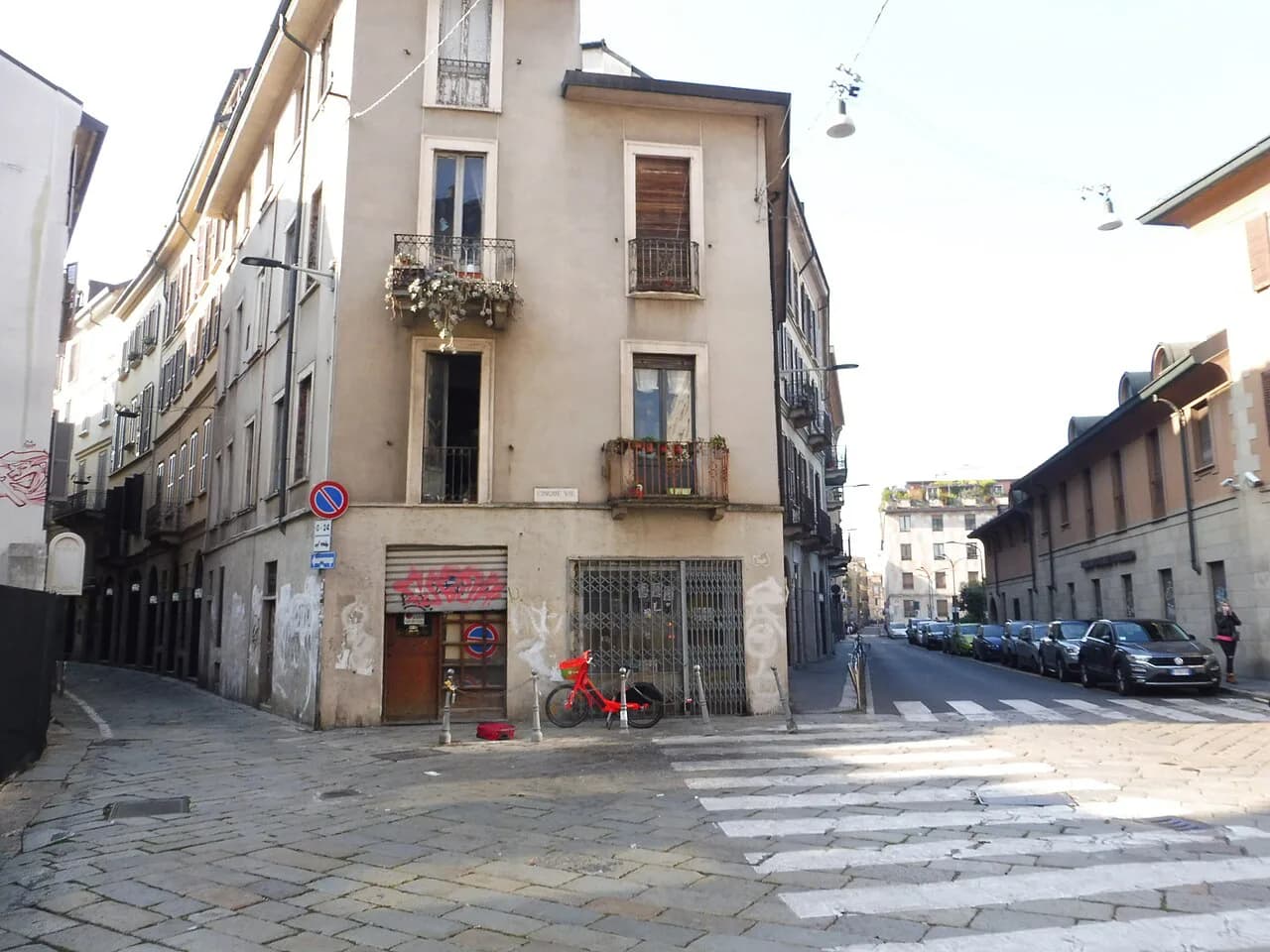
Boutique Hotels in Milan: Compare Design, Scale and Setting
Compare Milan boutique hotels by interior materials, private outdoor space and shared lounges, with four concrete stays to match your design preferences.
AI-assisted guide · Sources and editorial policy
On this page
Our boutique hotels in Milan shortlist compares Room Mate Giulia, Senato Hotel Milano, Crossing Manzoni and Vico Milano through specific design and accommodation choices. We would start with the feature that will change your stay: the room’s visual character, somewhere outdoors to sit, or a living space to use between outings. Give that preference a clear role before comparing offers.
A design stay can be the reason for a trip or simply a setting you enjoy after a day out. Decide which applies to you. Someone planning long museum days may put more weight on the bedroom; someone reserving time at the property may value the space beyond it. Our choices below follow those different uses rather than a quality ranking.
Choose the design and accommodation format together
Start with two separate questions: what do you like looking at, and how do you want to occupy the space? A distinctive palette can make a bedroom appealing without changing the way you share it. A lounge can add somewhere to spend time without becoming part of your private accommodation. Treat both as deliberate preferences.
Make a short list of the features you would use on an ordinary day of the visit. Put a private outdoor seat on it only if you expect to sit outside; put exclusive living space on it only if your party wants to gather away from the beds.
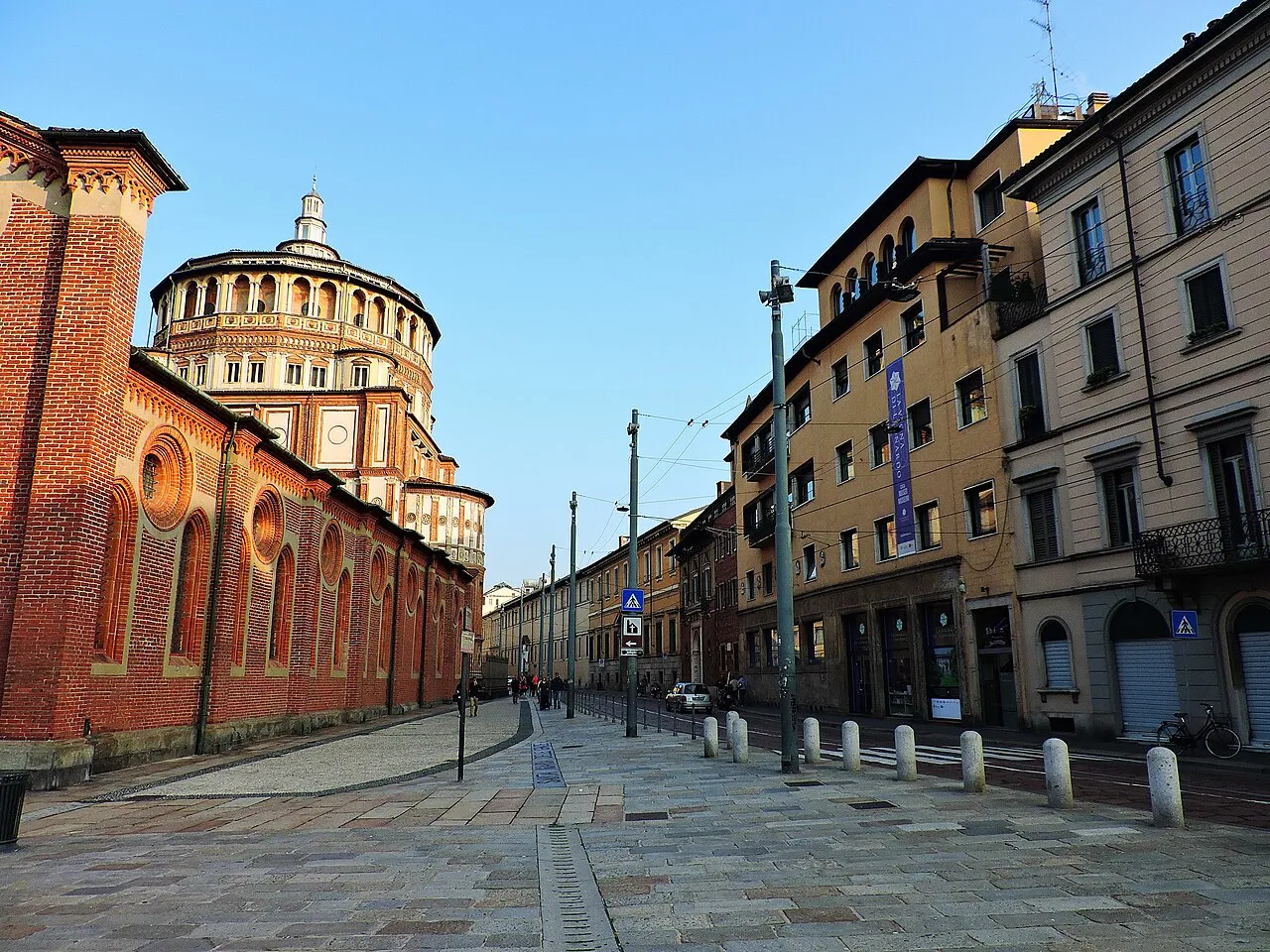
Room Mate Giulia: Urquiola interiors at a Duomo address
Room Mate Giulia has 85 rooms and interiors by Patricia Urquiola, combining traditional materials with a contemporary approach. The operator gives Via Silvio Pellico 4 as its address and places it near the Duomo and Galleria Vittorio Emanuele II. That supplies both a designer-led comparison and a specific location to assess.
We would put this option on the shortlist when a coherent interior scheme is part of the attraction. Before choosing a category, decide what you want to experience from the room itself: a visual setting for a short city break, or a place where you plan to spend substantial downtime. Compare the room you are offered rather than letting the designer’s name settle every part of the choice.
If proximity to the cathedral is your main priority, our guide to hotels near the Duomo gives that search its own focus. Keep the design preference alongside the location decision so that each earns its place in the final booking.
Senato Hotel Milano: a restrained palette with tactile detail
Senato Hotel Milano pairs a Neoclassical building with contemporary interiors. Its rooms use white, herringbone oak flooring, plaster cornices and handmade brass lamps, with black details in lampshades and velvet armchairs. Carrara marble appears in the bathrooms. The property address is Via Senato 22.
We would compare this material palette when you prefer the interest to come from surfaces and details rather than a strong variety of colors. Consider how much the bathroom matters to the design experience as well as the sleeping area. If you enjoy examining the way a room is put together, floor pattern, lighting and stone can be useful reasons to keep this choice on your list.
Use the overall scheme to narrow your preference, then choose the room format that suits your visit. A material description answers a style question; it does not decide how much space you need or whether you want an outdoor setting. The next category makes that distinction concrete.
Senato’s Terrace category: choose outdoor space deliberately
The Terrace category measures 22 square meters and has a bath, a large double bed and a private planted terrace with a chaise longue. This private outdoor setting belongs to the named category.
We would choose around the outdoor space when sitting outside is a planned part of the stay, such as reading between outings. That is a more useful reason than simply wanting the category with the most attractive name. For travelers who expect to return only to sleep, the feature may have little influence on the visit even if it appeals in a photograph.
Keep the terrace and bedroom in the same comparison. An outdoor setting can be your first priority while the sleeping arrangement remains essential. Ask for the named category in the offer so that the private outdoor feature you selected is tied to what you would reserve.
Crossing Manzoni: six rooms with a conditional two-room option
Crossing Manzoni has six rooms across the first and second floors of a historic palazzo at Via Gerolamo Morone 6. Booking the first-floor Venezia and Bagutta rooms together creates the two-bedroom Scala arrangement, with exclusive use of its living and kitchen space. The combined booking is the condition for that exclusive use.
This offers a specific decision for friends or two couples: separate sleeping rooms with a place to gather as one party. We would consider it when evenings together are part of the trip, rather than choose a small property solely for its room count. Work out whether everyone wants the same shared accommodation arrangement before comparing it with two independently booked bedrooms.
A six-room scale and an exclusive living area answer different questions. Choose the scale if that format appeals; choose the paired booking if the living arrangement serves the party. Keep the two-room condition explicit in the proposal you compare, because it is central to the reason for selecting it.
A shared lounge is a different choice from exclusive living space
The common lounge at Crossing Manzoni has a kitchenette concealed behind floor-to-ceiling cabinetry. It is a shared guest space. This is a different accommodation proposition from reserving the paired first-floor rooms for exclusive living and kitchen use.
We would value a shared lounge when you want somewhere beyond the bedroom for a drink, conversation or a pause between outings. If your purpose is a private gathering with your own party, the paired-room arrangement deserves a separate comparison. Decide how comfortable you are sharing the setting with other guests; that preference can matter more than the overall size of the property.
For a longer visit, separate somewhere to prepare a simple refreshment from the equipment needed for regular cooking. If meals are part of the accommodation plan, make a list of the tasks you need to perform. Use that list to assess the exact arrangement offered, instead of treating the kitchenette label as a complete meal plan.
Vico Milano: craft and a layered building history
Vico Milano’s identity page traces the building from a Legnano racing-bicycle factory to a fashion showroom and then a hotel. Its interiors include furniture made with Italian artisans, Moroccan Zellige bathroom tiles, design pieces from the 1950s to the 1970s and green marble from Tinos in Greece. The factory and fashion histories are successive chapters.
We would include this choice when you enjoy a mixture of materials and design periods rather than one uniform visual language. Think about which details you notice most: bathroom surfaces, furniture or the setting of the building. The value of the history here is that it gives another way to understand the accommodation’s character, alongside the actual interiors.
The hotel’s address is Corso Genova 11. Breakfast is served in its lounge, and the Speakeasy bar is reserved for hotel guests. Those are settings to consider if you intend to spend part of the visit at the property; the description does not establish that breakfast or drinks are included in your room offer.
Let the address and your hotel time settle the shortlist
Give the actual hotel address a practical role alongside the design. Mark the places you intend to visit repeatedly, then decide how much weight you want the accommodation setting to carry. Our broader guide to where to stay helps with the city-base decision; this comparison is for choosing the property experience within your plans.
For a short stay with full days out, we would prioritize the bedroom and the address. For a visit with time deliberately left open, give the outdoor or living setting greater weight. Two travelers who like the same interiors can reasonably make different choices because one wants a place to return to during the day and the other wants a room for the evening.
Compare the named room or arrangement on the dates you need, together with the total offer and its conditions. Put the feature that led you here at the top of that comparison. This keeps a design preference connected to the accommodation you are actually considering, without turning a property’s overall style into a promise about every category.
Choose the feature that changes your stay
We would narrow the choice to the experience you intend to use: a designer’s interior scheme, a material palette, private outdoor seating or living space for your own party. Then give the offered category and the address equal attention. The most useful boutique choice is the one whose specific format supports your visit, with the design adding something you will enjoy rather than replacing the practical decision.
Frequently Asked Questions
How should we compare boutique hotels in Milan?
Start with the interior style, then separate private accommodation from shared spaces. Decide which feature you will use during the visit before comparing the named room and total offer. A design preference becomes useful when it is tied to your plans.
Does a small property automatically give us private living space?
No. Room count and the accommodation arrangement are separate questions. Choose around the actual private or shared setting offered, especially when more than one room is needed for your party.
Which room in this shortlist has a private terrace?
Senato’s Terrace category has a private planted terrace with a chaise longue. Select the named category when outdoor seating is a reason for the booking; the feature is not a promise for every room.
When is the Scala living and kitchen space exclusive?
At Crossing Manzoni, Venezia and Bagutta must be booked together to form Scala with exclusive living and kitchen use. Keep that paired-room condition in the comparison if gathering with your party is the aim.
What distinguishes Vico’s design approach?
Its interiors combine Italian artisan furniture, Moroccan bathroom tiles and design pieces from the 1950s to the 1970s. We would consider this approach when the interplay of materials and periods appeals more than a single uniform scheme.
Sources
- Room Mate Collection Giulia: design, count and street address
- Senato Hotel Milano: white, oak, brass and Carrara marble
- Senato Terrace: named private outdoor room setting
- Crossing Manzoni: six rooms, floors and conditional Scala arrangement
- Crossing Manzoni: shared lounge and concealed kitchenette
- Vico Milano: atelier setting, guest-only bar and address
- Vico Milano: materials, craft and layered building history
You might also like
Continue reading
More guides you'll find useful

.jpg)
