
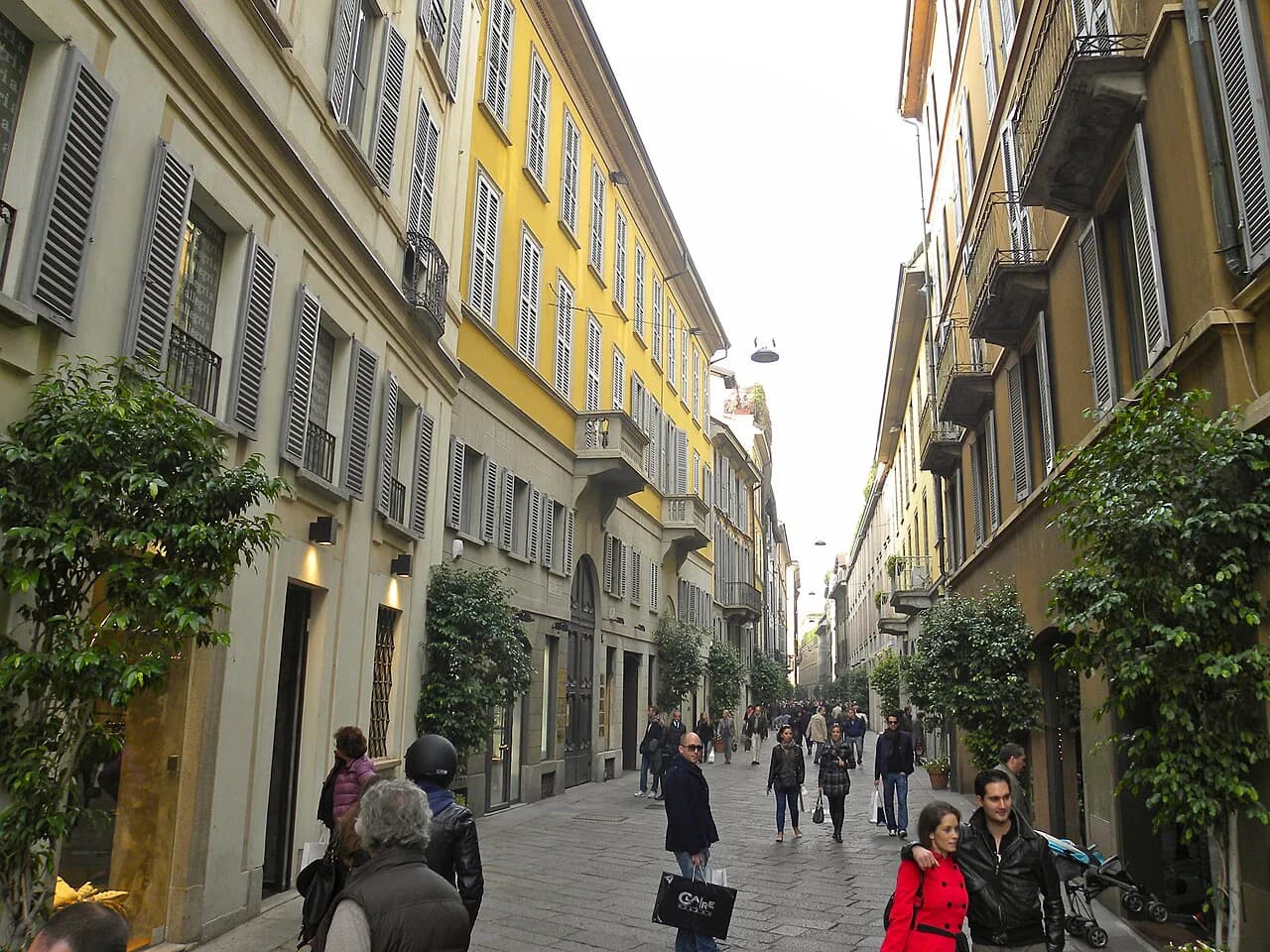
5-Star Hotels in Milan: Compare Four Distinct Luxury Stays
Compare four Milan luxury hotels by five-star descriptions, Forbes recognition, garden setting, room design and the facilities that suit your trip.
AI-assisted guide · Sources and editorial policy
On this page
Start with the experience you want to repeat during your Milan stay: returning to a familiar central address, spending time in a garden setting, swimming indoors or enjoying a room with residential character. This shortlist compares Park Hyatt, Bvlgari, Mandarin Oriental and Portrait Milano through those decisions. There is no single winner for every luxury trip.
Choose the wider district first if most of your plans are outside the hotel. Our where to stay guide helps with that citywide decision. Here, compare the actual room and the hotel time you intend to use: a property that appeals on paper can lose its advantage if its defining feature never enters your itinerary.
Understand what the five-star label describes
Hyatt calls Park Hyatt Milan five-star; Bvlgari and Lungarno Collection make that description for Bvlgari Hotel Milano and Portrait Milano respectively. Mandarin Oriental’s own awards page specifically states Forbes Travel Guide Five-Star recognition. These operator descriptions and the named Forbes award should be read separately, rather than combined into a claim that every hotel holds the same rating.
Treat the star label as a starting filter, then give your personal requirements their own test. A room layout, an outlook and a swimming facility answer different questions. Someone who wants a separate living space may choose differently from someone who plans to spend almost every waking hour sightseeing, even when both want a luxury hotel.
Park Hyatt: put the Duomo-area address first
Park Hyatt’s operator places this five-star hotel at Via Tommaso Grossi 1 near the Duomo. Hyatt describes Terrace Suites and a separate collection of Signature Suites; AQVAM Spa includes a whirlpool, steam rooms and a relaxation area. Condé Nast Traveler also describes its setting near the Galleria Vittorio Emanuele II and names Pellico 3 and Mio Lab as dining and bar options.
I would begin here when the central sightseeing address is the priority and the hotel itself needs to offer a place to pause between outings. Choose the room after settling that location preference. If outdoor space matters, compare the specifically named terrace category with the other room you are considering, rather than treating terrace access as a general property benefit.
Give a suite upgrade a purpose before paying for it. A couple who wants to sit together after separate appointments might value additional living space; a traveler who only returns to sleep may put more weight on the room’s basic arrangement. Ask what changes between your two shortlisted categories and judge those changes against an ordinary day of your trip.
Bvlgari: compare the garden with the room outlook
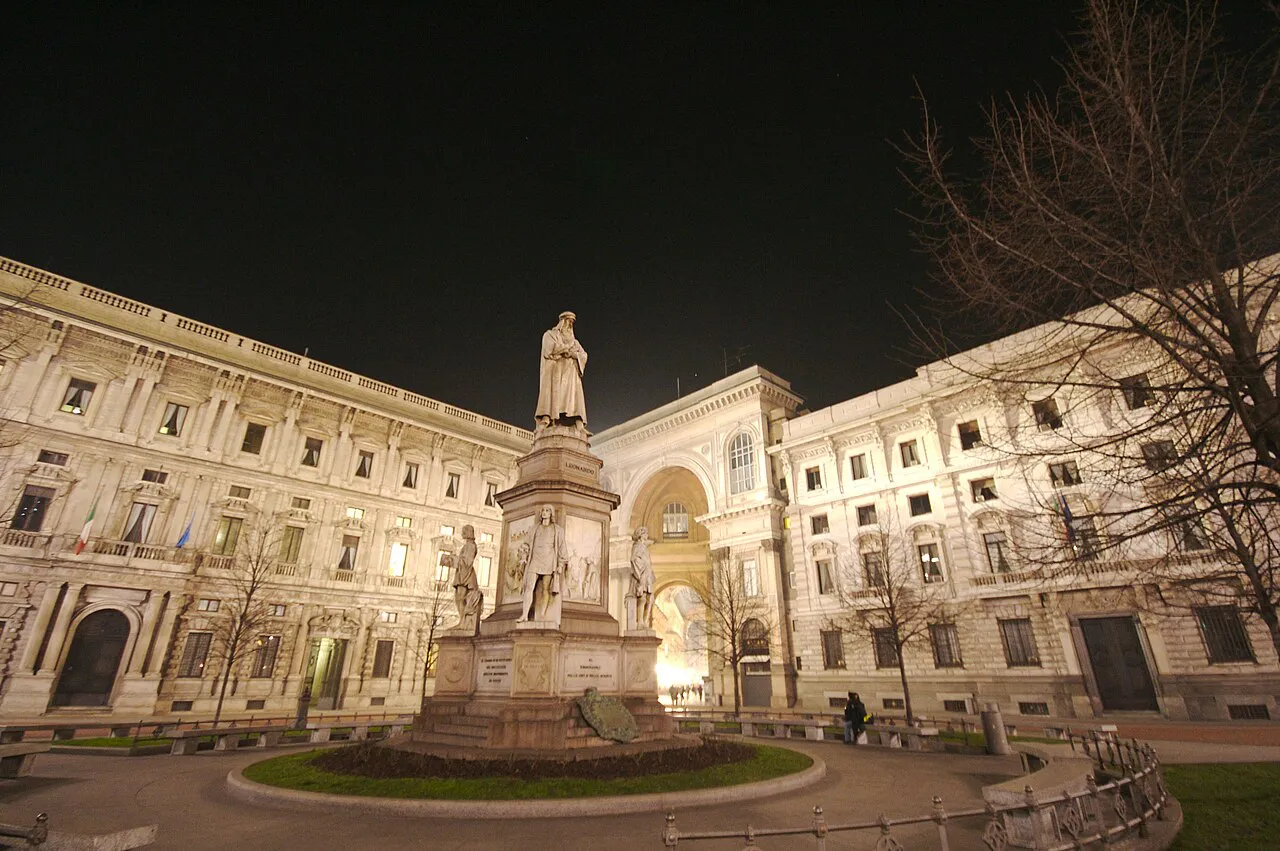
Bvlgari’s overview describes a five-star hotel on a private downtown street in a renovated palazzo, with a private garden. Its Premium Rooms face the garden or a courtyard; Premium Suites overlook the adjoining botanical gardens and have a separate bedroom and living room with a dining area. The overview distinguishes these categories rather than promising one outlook throughout the property.
That makes this my starting choice for a traveler who wants the outdoor setting to be part of the stay. Decide whether the garden matters as a shared place to spend time or as the outlook from your own accommodation. Those are separate preferences. A garden-oriented hotel can satisfy the first without the particular room satisfying the second.
For a suite, consider how you will use the separation between sitting and sleeping. It could help when one person wants to read while another rests, or when you want a place to talk before going out. A dining area is useful for judging the layout; its size does not tell you how many people the hotel permits to sleep there.
Mandarin Oriental: make an indoor swim a real priority
Mandarin Oriental’s about page identifies four historic palazzos at Via Andegari 9, custom furnishings by ACPV Architects and Forbes Five-Star recognition. It describes a heated indoor pool and fitness center, and names Seta and Mandarin Garden in its dining offering. These are specific reasons to compare it, rather than assuming a star label establishes a particular spa experience.
I would put this hotel ahead of the others when an indoor swim is something you intend to schedule, rather than a facility you merely like seeing on a list. Allocate time for it before choosing. If your days already run from breakfast to a late dinner elsewhere, a pool may contribute less to your stay than the room arrangement.
Compare the dining choices with your plans outside the hotel as well. You might want one evening centered on the property and another devoted to a restaurant elsewhere. Decide which evening the hotel should carry, then consider the relevant dining venue on its own terms. Room selection and dinner selection need not follow the same preference.
Portrait Milano: choose residential design in the fashion district
Lungarno Collection describes Portrait Milano as five-star in the Quadrilatero della Moda, with interiors by Michele Bönan inspired by Milanese residences of the 1950s. Condé Nast Traveler places it at Corso Venezia 11 and describes the restoration of a Baroque religious college, with walnut and red velvet in its suites. That combination gives the property a distinct residential-design starting point.
I would start here when the visual character of the room matters as much as the hotel’s broader setting. Compare the room you are actually booking with the residential mood that attracts you. The name of a design approach is useful for forming a preference, but a category-specific floor plan and photographs are more useful for deciding where you will sit, unpack and spend time.
For a shopping-led trip, decide whether the room should feel like a retreat for the whole afternoon or simply an appealing place to return after browsing. That decision can change how much space you need. A suite may be worthwhile if you intend to use its living area, while a smaller arrangement can suit a stay organized mainly around activities outside.
Compare rooms using the same three requirements
Write down three requirements before comparing the final two rooms: the sleeping arrangement, the space you need outside the bed and the outlook you would be disappointed to miss. Keep these consistent across both hotels. Otherwise, it is easy to compare one property’s most appealing suite with another’s entry category and mistake the room difference for a difference between the hotels.
Separate a preference from a requirement. More sitting space might be pleasant, while a particular sleeping arrangement may be essential. Rank the essentials first; then use design and outlook to break a close choice. This also gives you a focused reservation question instead of a broad request for the best room.
If interior style becomes the main reason for the trip, our boutique hotels guide offers another way to frame the search. A boutique comparison and a five-star comparison serve different purposes. Use the former to explore character, then keep the exact room configuration at the center of the decision you make here.
Distinguish a whirlpool from a swimming-pool plan
Park Hyatt describes AQVAM’s whirlpool and steam facilities, while Mandarin Oriental explicitly identifies a heated indoor swimming pool. These are different uses of hotel time. Start with Mandarin Oriental if swimming is the decisive activity; compare Park Hyatt’s described spa facilities if your preference is a spa pause alongside the central-address choice.
Give wellness the same discipline as a restaurant reservation: decide what you want to do and when it fits. A facility list does not establish which experience is included in your room booking. Resolve that specific access question for the facility you plan to use, without turning every other part of the stay into a checklist.
Resolve two concrete hotel comparisons
If you are choosing between Park Hyatt and Mandarin Oriental, compare the Duomo-area address with the heated indoor pool as the feature that organizes your day. I would prioritize Park Hyatt for repeated central sightseeing returns and Mandarin Oriental for planned swims. Neither preference settles the room layout, so keep that requirement consistent across the comparison.
For Bvlgari versus Portrait Milano, compare the garden-oriented setting with the residential interior approach. Choose Bvlgari if the selected garden or courtyard outlook and sitting space drive the decision; begin with Portrait when the room’s design character matters most. Decide which attraction belongs in your own accommodation and which you are happy to enjoy elsewhere in the hotel.
Choose the feature you will use
Start with the location and room requirement you would miss most, then choose the hotel whose distinctive feature fits that plan. Keep the final comparison to two concrete room options. A clear purpose for the address, outlook, design or facility makes the decision more useful than trying to name Milan’s best hotel for everyone.
Frequently Asked Questions
Are all four hotels described as Forbes Five-Star?
No. Mandarin Oriental’s operator explicitly states Forbes Five-Star recognition. Hyatt, Bvlgari and Lungarno Collection describe their respective hotels as five-star; those descriptions do not establish the same Forbes award.
Which choice should I compare for the Duomo area?
Start with Park Hyatt at Via Tommaso Grossi 1, whose operator describes its location near the Duomo. Compare the actual room next; the location does not settle whether you need a terrace or a suite.
Do all Bvlgari rooms face a garden?
The operator describes Premium Rooms with garden or courtyard outlooks and Premium Suites overlooking the botanical gardens. Choose the category and clarify the particular outlook rather than assuming every room faces the same garden.
Which hotel specifically describes a heated indoor pool?
Mandarin Oriental does. Park Hyatt’s described whirlpool serves a different purpose, so choose according to whether your plan is swimming or a spa pause.
What distinguishes Portrait Milano’s design?
Its operator attributes the interiors to Michele Bönan and describes inspiration from 1950s Milanese residences. I would compare it when residential interior character is central to the stay.
Should I choose a suite before choosing the hotel?
Begin with the layout you need, then compare categories across your final two hotels. A separate sitting area can matter when you plan substantial time indoors; a suite label alone does not explain the arrangement or the permitted sleeping party.
Sources
You might also like
Continue reading
More guides you'll find useful
.jpg)

