Where to Stay on the French Riviera: Six Bases Compared
Compare Nice, Antibes, Menton, Cannes, Èze and Saint-Tropez through local visits and actual arrival conditions, then choose the base for your Riviera stay.
AI-assisted guide · Sources and editorial policy
On this page
Choose where to stay on the French Riviera by deciding what you want to do after breakfast on an ordinary holiday day. A town that fits that routine can be a better base for your trip than one selected because it appears in every coastal itinerary. Start with one recurring activity, then test the arrival and the accommodation against it.
We would compare Nice for promenade time, Antibes for a particular beach, Menton for gardens, Cannes for an island outing, Èze for a deliberate hilltop or seafront choice, and Saint-Tropez for a stay with a clearly worked-out onward connection. These are recommendations by travel purpose, rather than a ranking of towns by price or hotel quality. The useful question is which choice supports your actual days.
Start with the local days you want from the base
Write down three things you expect to do more than once. They might be an early seafront walk, an afternoon on sand and a return to the room before dinner. Alternatively, the trip might revolve around garden visits, with beach time optional. Give those repeated activities more weight than a distant attraction you hope to see once.
Next, choose a reason for staying overnight in each town on your shortlist. A beach-led traveler should name the beach; a garden-led traveler should name the venue. Someone choosing the hilltop experience should decide whether they also want to sleep there. This turns a vague coastal wish list into two or three accommodation searches with different purposes.
If everyone wants something different, choose one shared daily anchor. A couple could agree on a return to the room after an afternoon outing while keeping mornings independent. A family might put its preferred beach first. Resolve that shared purpose before adding more places to the search.
Nice: promenade time and a specific airport approach
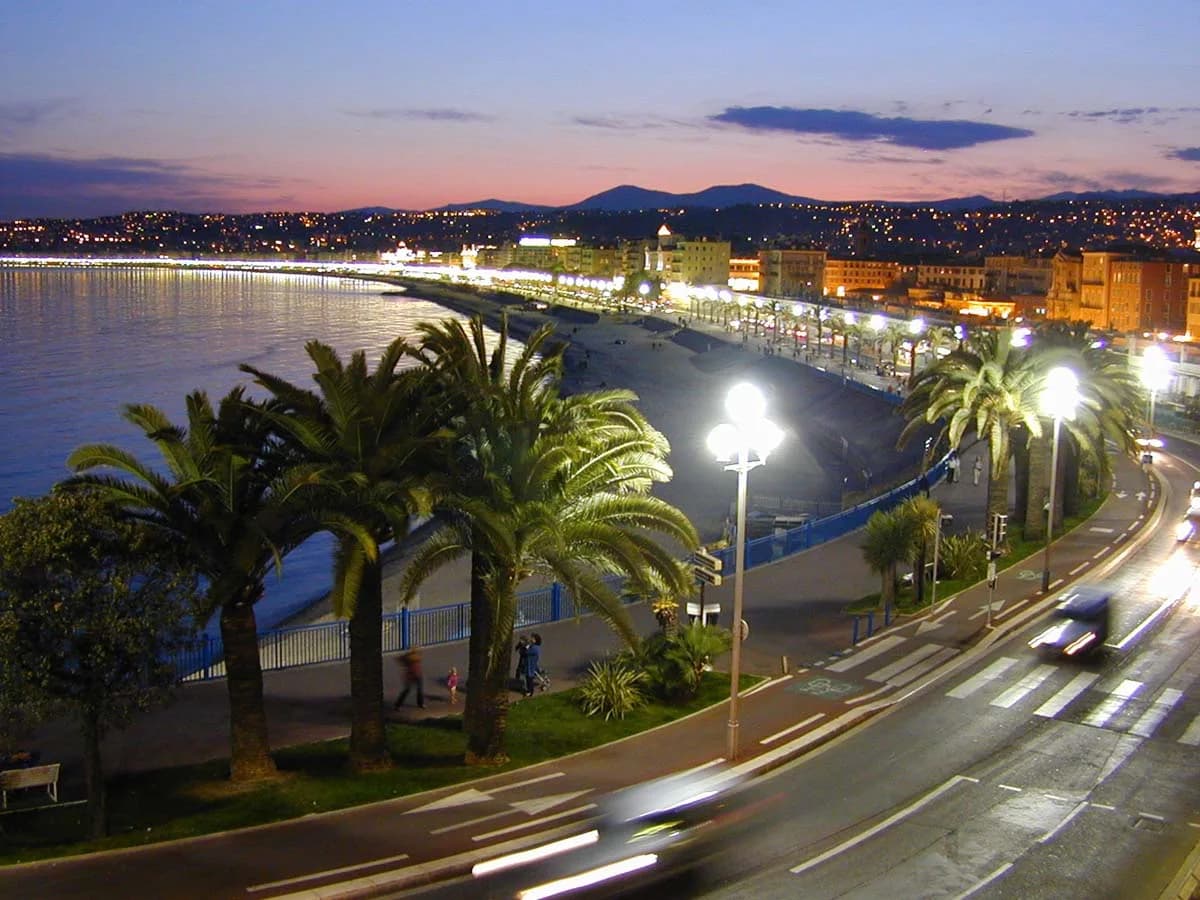
The Nice tourism office describes the Promenade des Anglais along the Baie des Anges, with palm trees and blue chairs beside the seafront. Walking, running and cycling are among the activities it identifies. That gives a promenade-led stay a specific focus: returning to the coast can be part of the daily routine.
For the arrival, Nice Airport lists tram line 2 serving Terminals 1 and 2 via Jean-Médecin, with a line 1 connection toward Gare Thiers for the Nice Ville railway approach. Those tram stops and the railway entrance are separate points to put on an arrival plan.
We would shortlist Nice when walking beside the sea matters more than visiting a different town every day. Locate the accommodation entrance in relation to the point where you want to join the promenade. That actual daily route matters more than a sea photograph in the listing.
Keep the airport arrival separate from the next morning. You may prefer an accommodation approach that suits your luggage, yet still choose a different starting point for leisure walks. If the room only wins because of the arrival, compare that one journey with the outings you will repeat throughout the stay.
Antibes: choose the actual sandy or shingle beach
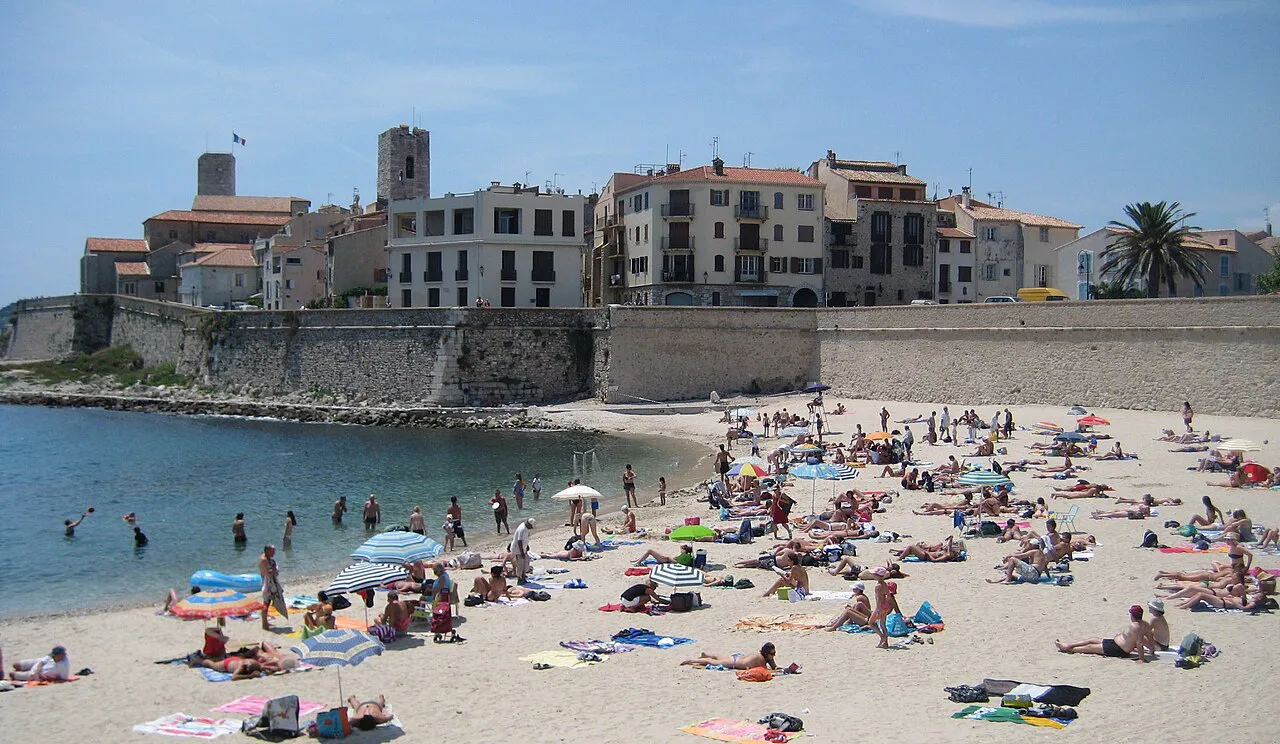
Antibes Juan-les-Pins tourism identifies La Gravette, Ponteil and Salis as sandy beaches. Its beach guide describes the eastern stretch from La Brague to Fort Carré as shingle, while the southern and western Cap d’Antibes coastline includes coves and smaller beaches. “Antibes” alone therefore does not specify the beach surface you are choosing.
For a sand-led holiday, begin with one of those named sandy beaches and work back to the accommodation address. We would choose the beach before choosing between room photographs. This keeps the daily objective clear even when two properties both advertise a coastal setting.
Think through one complete beach day. Will you carry everything once, or do you want to return to the room for lunch or a change of clothes? Will one person leave before the others? Those preferences can affect the address you choose more than whether the listing leads with a balcony or an attractive breakfast room.
A second beach can be an occasional outing without becoming a second accommodation requirement. Avoid building a shortlist that tries to put every named shore outside the same door. If your priority changes from sand to exploring coves, reconsider the daily starting point instead of assuming the original room remains the right fit.
Menton: build the stay around named garden visits
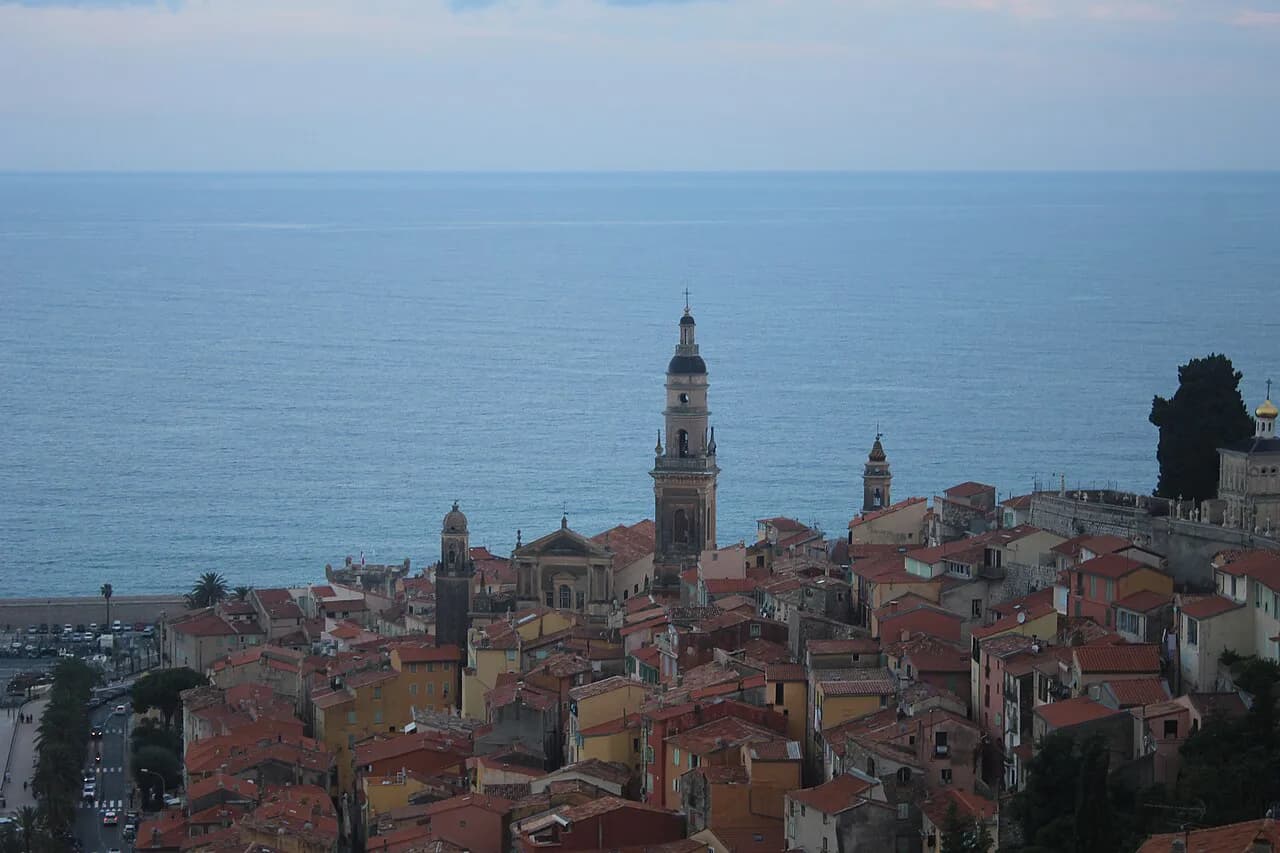
Menton’s garden itinerary places Serre de la Madone in the hills above town and Val Rahmeh on Avenue Saint-Jacques. It also lists Domaine des Colombières at 312 route de Super Garavan, with visits by reservation only. These are distinct garden destinations, so a garden-led stay benefits from selecting the actual venues.
We would compare Menton when gardens are a principal reason for the trip. If Serre de la Madone leads the plan, investigate the hill-side outing first; if Val Rahmeh is the priority, start with its named address. Secure the reservation-only visit before letting it determine an overnight stay.
Someone who wants two substantial garden outings should plan differently from someone who only wants a short botanical stop. Give yourself room to linger, rather than treating every garden as a box to tick between other towns. Equally, do not add nights merely because a published sightseeing itinerary divides its visits across several days.
For the accommodation decision, describe the routine after each visit: return to the room, change for dinner, or continue with another outing. Then assess the actual property entrance and your transport choice. The right base for this plan depends on that routine, rather than on a promise that the whole town has a particular atmosphere.
Cannes: organize an island day from quai Saint-Pierre
Cannes tourism places Île Sainte-Marguerite off Cannes and describes pine and eucalyptus woodland, Fort Royal, and a museum within the fort. Its island page identifies quai Saint-Pierre as the departure point for the two boat companies linking Cannes with the island. It lists restaurants near the fort from April to October.
We would choose Cannes when that island day is a firm part of the trip. Make the departure quay the starting point of the excursion, then work back to the room. Decide whether you want the boat outing to occupy most of a day or whether you are willing to shorten other plans to accommodate it.
Separate the island outing from the hotel style. If the accommodation itself is a major part of the holiday, continue with Luxury Hotels in Cannes after choosing the base, and compare the property features you expect to use.
If your recurring priority is time beside the shore, use Beach Hotels in Cannes to develop the accommodation shortlist instead. An island excursion and a beach-oriented room search can coexist, but they answer different questions. Put the everyday routine first, then reserve a suitable day for the boat outing.
Èze: decide between the hilltop village and seafront
The Nice Côte d’Azur tourism office distinguishes the hilltop village on the Moyenne Corniche from the seafront on the Basse Corniche. Its Èze arrival guide places Èze-sur-mer TER station on the seafront, lists bus 83 from that station to the village, and bus 82 from Nice Vauban to the village. The Nietzsche path also links shore and village.
Choose which of those settings you want to return to at the end of the day. A rail arrival at the seafront does not complete an arrival to a hilltop address. Conversely, a village stay should be chosen because you want that setting, rather than because the station name sounds as though it delivers you to the same place.
We would shortlist the hilltop option when the village is the reason for staying in Èze. For a shore-led routine, investigate seafront addresses instead. Ask the accommodation to explain the final approach to its entrance, especially if the chosen arrival point is in the other setting.
Treat walking between the two settings as a leisure choice separate from arrival with bags. You can be interested in the linking path without making it your required check-in route. When two companions want different settings, resolve where you will sleep first, then consider how each outing will work.

Saint-Tropez: keep seasonal sea links with the arrival plan
Saint-Tropez tourism lists rail-to-bus approaches from Toulon and Saint-Raphaël–Valescure, the latter via Sainte-Maxime. Its arrival page describes Nice and Cannes boat links during high season. It separately lists nearby-port departures including Port Grimaud and Sainte-Maxime, plus Les Marines de Cogolin and Les Issambres. A plan using the Nice or Cannes sailing needs that seasonal condition.
We would choose Saint-Tropez for a stay that gives the destination its own time, with the onward connection worked out before the room is reserved. Decide whether you want to use a particular sea arrival or are happy with a rail-and-bus approach. Then build the rest of the trip around the option that actually fits your dates.
For a Nice or Cannes sea arrival, check the operator for your dates within high season. Otherwise, compare the published rail-to-bus approaches before choosing the room. Decide the arrival connection as part of booking.
Also work through the departure. A room that suits several local days can still be the right choice, but you should know how the final journey fits your onward reservation. Give the last morning its own plan instead of assuming the arrival arrangements will work in reverse.
Separate the first arrival from the repeated journeys
Draw two plans for each shortlisted base: arrival with luggage, and an ordinary day from the room. In Èze, that means identifying shore versus village before selecting the entrance route. For the airport tram approach in Nice, keep the stop and the railway entrance distinct. Include any additional walk or change of vehicle.
This distinction is especially useful when one traveler likes walking and another wants to conserve energy for the visit. Agree which parts of the day are shared and which can be independent. A flexible itinerary should not rely on everyone accepting the same walking route with bags, shopping or beach equipment.
Compare journeys by repetition. An arrival that needs extra coordination may be acceptable if it happens once and the room suits the following days. A convenient check-in is less persuasive if the recurring outings conflict with your preferences. Give the holiday routine its own weight.
Use your actual departure time as the final test. If you would spend the last evening worrying about the onward journey, reconsider the address or the final night. Changing one accommodation choice can be more useful than trying to force every outing and connection into a single base.
Compare the chosen beach with the daily room routine
For a beach-led trip, imagine the first ordinary afternoon rather than the perfect promotional image. Decide what you would take, what you would leave in the room and whether you expect to return between activities. The answer can separate a room that merely appeals in photographs from one that supports the holiday you want.
A balcony is optional if most of the day will be spent outside; it can matter more if one companion wants to stay at the room while others go out. Consider that preference alongside the actual sleeping arrangements. Paying for a feature that nobody expects to use does not make the whole base a better fit.
If you want loungers, towels or a reserved beach area, compare those services in the actual accommodation offer. Decide whether you intend to use them every beach day or only once. Keeping that requirement separate from the beach address makes the property comparison more precise.
If beach days are only one part of the trip, let the other recurring activity influence the address too. A balanced stay can include a planned shore outing without requiring the accommodation to satisfy every possible beach preference. Make one priority explicit and accept a deliberate compromise on the rest.
One base or two: give the change a practical purpose
Start with one base and add a second only when it changes the daily experience you want. A move makes sense when the new stay has its own clear purpose. It is less compelling if the reason is simply that another familiar town name has not yet appeared on the itinerary.
Write the moving day as a day of the holiday. Include packing, leaving bags, reaching the new property and settling in before considering what else you will do. Do not assume the hours between rooms can always be used as a full sightseeing day. This is particularly relevant when people want different amounts of activity.
For a two-base trip, give each stop a distinct role. A Menton stay centered on selected garden visits and a Cannes stay organized around the island outing have different purposes. Compare that split with keeping one base and dropping an optional visit; then choose the plan that leaves enough time for what matters most.
For one base, keep optional outings optional. Dropping a departure should not leave the stay without a purpose. Choose a room and daily routine you can enjoy even when you decide to leave a day unfilled.
Choose the room for the actual companions
Once two bases remain, compare accommodation for the same party and dates. Specify the adults and children, each child’s age and the sleeping arrangements everyone accepts. A town choice cannot answer whether a particular room has enough beds or whether a sofa bed is suitable for your group.
For two companions sharing, decide whether one large bed or separate beds matters before considering decorative differences. For a group, distinguish a separate sleeping area from an enclosed bedroom and a pair of adjacent rooms from an actual connecting door. Use the property’s category description to resolve those requirements.
If cooking is central to the plan, seek an explicit kitchen description and decide what you actually intend to prepare. If nobody wants to cook, a kitchenette should not dominate the comparison. The same reasoning applies to breakfast: compare the offered meal arrangement with the routine you expect to follow.
Check entrance and room access against the people traveling. Ask about the selected category and the complete approach, rather than relying on a general lift label. Make essential access and sleeping requirements decisive before a view or styling detail settles the choice.
Settle the complete base and accommodation offer
Compare the complete offer for your dates, including the room category, meals you will use, transport you have chosen and any relevant property charges. Avoid replacing that exercise with a general claim that one town must cost less. The useful comparison is between the actual arrangements your party is considering.
Keep the non-negotiable requirements short. They might be separate beds, an acceptable entrance, or a place to return between outings. Once a candidate meets them, weigh the optional features in the order you expect to use them. A long wish list can make several suitable bases look impossible to choose.
Before booking, test the decision against a simple afternoon. Can the party follow its preferred outing and return to the chosen room in the way it wants? If that routine requires a compromise, name it now and decide whether it is acceptable.
Leave some time unassigned. Matching the base to your days means a simpler afternoon still works; you do not need to fill every slot to justify the accommodation choice.
Choose the base that supports your ordinary day
Our recommendation is to reduce the choice to two bases, give each a specific daily purpose and compare real accommodation for the same party. Keep the arrival, room access and departure visible alongside the local outing. You can then choose a Riviera stay that fits the holiday you intend to take, with fewer decisions left to solve after arrival. If you are combining this trip with Genoa, see our guide to where to stay in Genoa.
Explore more French Riviera guides
- Cannes Hotels on the Beach
- Luxury Hotels in Cannes
- Where to Stay in Antibes
- Where to Stay in Cannes
- Where to Stay in Menton
- Where to stay in saint tropez
- Hotels in Antibes With Pools
- Hotels in Menton With Swimming Pools
- Compare Le Collier and Le Ponteil for an Antibes Budget Stay
- Luxury Hotels in Saint-Tropez
- Cheap Hotels in Menton
- Cheap Hotels on the French Riviera
- Boutique Hotels in Cannes
- Luxury Hotels on the French Riviera
- Boutique Hotels on the French Riviera
- Cheap Hotels in Saint-Tropez
- Luxury Hotels in Antibes
- Cheap Hotels in Cannes
- Boutique Hotels in Antibes
- Family Hotels in Cannes
Frequently Asked Questions
Which French Riviera base should a first visit compare?
Start with the activity you want to repeat, then shortlist two bases that fit it. Nice can suit a promenade-led plan; Antibes can suit a stay focused on a named sandy beach. These are travel-purpose recommendations rather than a universal first-visit ranking.
Are all the beaches in Antibes sandy?
No. The tourism office identifies La Gravette, Ponteil and Salis as sandy, but the eastern La Brague–Fort Carré stretch as shingle. Choose the actual beach before choosing an accommodation address.
Does Èze-sur-mer station arrive in the hilltop village?
No. Èze-sur-mer TER station is on the seafront. The tourism office lists bus 83 from the station toward the village, so a hilltop stay needs an onward arrival plan.
Where do boats from Cannes to Île Sainte-Marguerite leave?
Cannes tourism identifies quai Saint-Pierre as the departure point for the two boat companies linking Cannes and Île Sainte-Marguerite. Use the selected operator’s current arrangements for the actual outing.
Do boats from Nice and Cannes to Saint-Tropez run all year?
The Saint-Tropez tourism page describes these links during high season. It lists other nearby-port departures separately; do not extend those different arrangements to the Nice and Cannes services.
Sources
- Antibes Juan-les-Pins actual beach surfaces and named locations
- Menton named garden visits and Colombières reservation condition
- Cannes Sainte-Marguerite island and quai Saint-Pierre departure
- Èze hilltop-village versus seafront rail and bus arrivals
- Promenade des Anglais: extended coastal setting
- Nice Airport: tram connections to Nice Ville
- Saint-Tropez official sea departures and rail-plus-bus approaches
You might also like

Continue reading
More guides you'll find useful