Where to Stay in Carcassonne: Cité or Lower Town?
Compare Carcassonne’s medieval Cité, Bastide Saint-Louis and canal setting by your daily plans, arrival and the room layout you need.
AI-assisted guide · Sources and editorial policy
On this page
For a Carcassonne stay centred on the fortified district, we would begin with the Cité. For a holiday organised around the lower town’s squares and shops, compare the Bastide Saint-Louis. If canal outings are the main reason for coming, give that setting its own place in the choice instead of treating every waterside plan as the same river visit.
The decision is about what you want to return to between outings. A castle visit, a café square, a canal excursion and time in a hotel garden can all belong to the same holiday, but they need not carry equal weight. Name the one that matters repeatedly, then let the arrival and room offer refine it. The two hotel examples below explain particular choices within the medieval district; they are examples for comparison, rather than an exhaustive city catalogue.
Choose between Cité, Bastide and a canal-led routine
Start with the setting you want around an ordinary return: the Cité for a fortified-quarter preference, Place Carnot for a town-square routine, or the Canal du Midi for a canal-led plan. We would let the strongest shared interest lead. Someone expecting to revisit medieval sights has a different reason to choose a base from someone chiefly interested in browsing and sitting around a square.
For a mixed-interest party, agree on one repeated routine and keep the other visits as excursions. A couple may want one castle outing but prefer to organise the rest of the holiday around cafés; another party may want the fortified quarter to frame most of the stay. Both can make coherent choices. The useful question is what the accommodation should serve between the major plans.
Begin with the setting before an elaborate hotel description changes the destination choice. Our Luxury Hotels in Carcassonne guide addresses the property-focused comparison once that requirement is clear. This wider base guide keeps the public setting, the room arrangement and the arrival as separate parts of the decision.
The two banks: separate the Aude crossing from canal outings
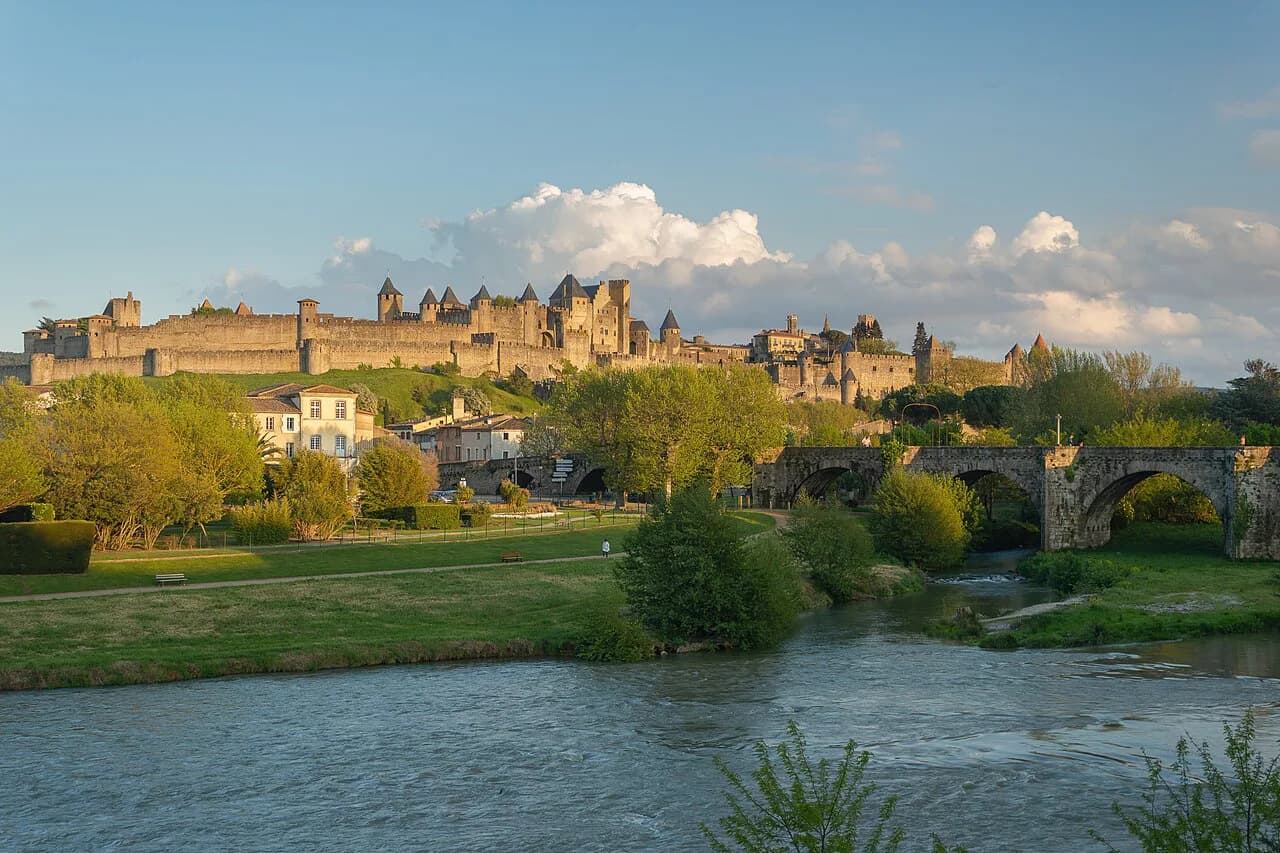
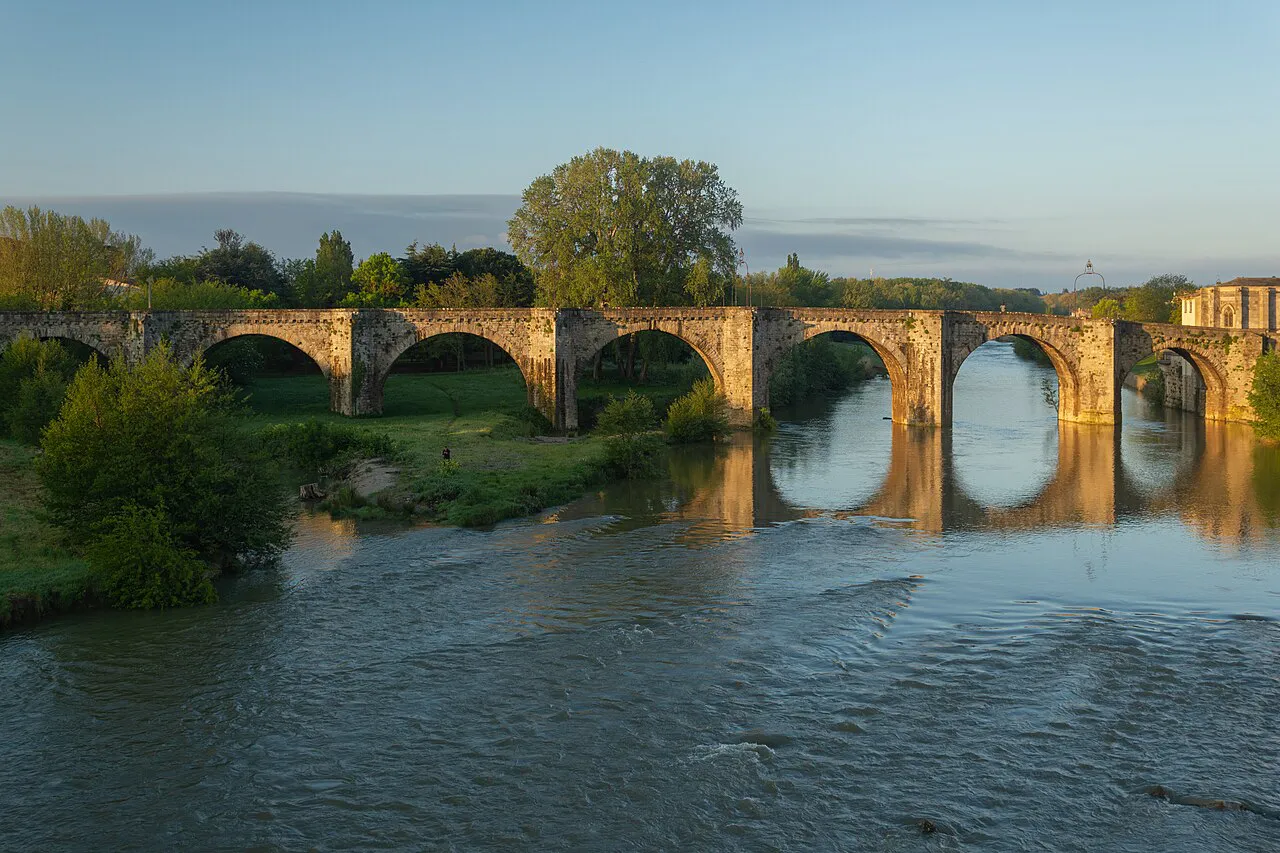
The tourism office places the Bastide Saint-Louis on the Aude’s left bank opposite the medieval city, which it places on the right bank. The Centre des monuments nationaux describes Pont Vieux spanning the Aude to connect the lower and upper towns. Those named relationships help distinguish a river crossing from a Canal du Midi outing.
Use that distinction when describing the stay to another traveler. A plan to cross toward the fortified district is not the same as a plan to spend time around the canal. If one person says they want a waterside base, ask which waterway and which activity they mean. It may be the setting of a crossing, or it may be the main purpose of an outing.
For a particular accommodation, place its address beside the public destination you intend to use. This gives the two-bank comparison a practical role without assigning everyone a fixed walking time. A shared plan can include both parts of the city; you are choosing where the ordinary return belongs, not excluding one side from the holiday.
Inside the Cité: choose gates, Lices and medieval sights
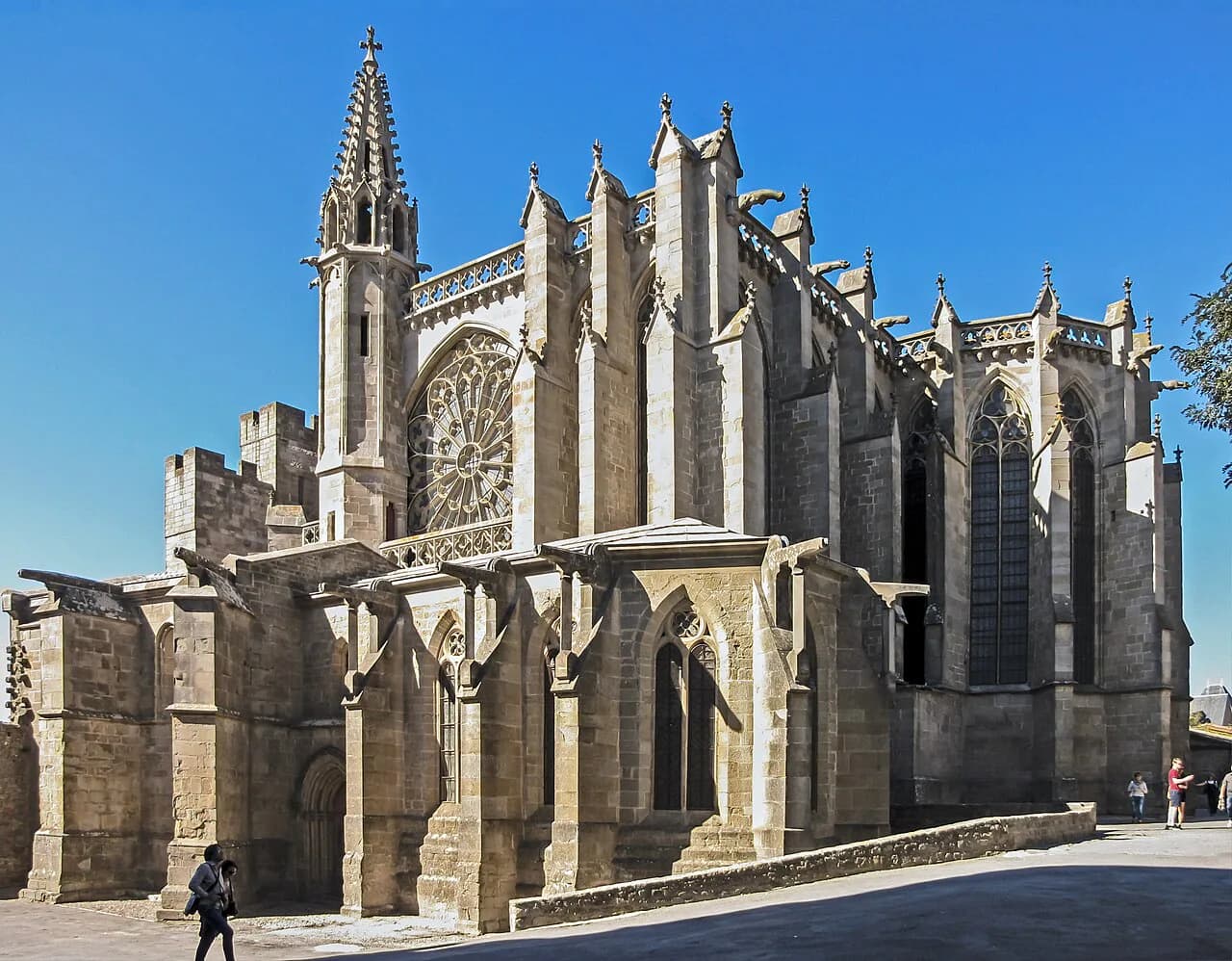
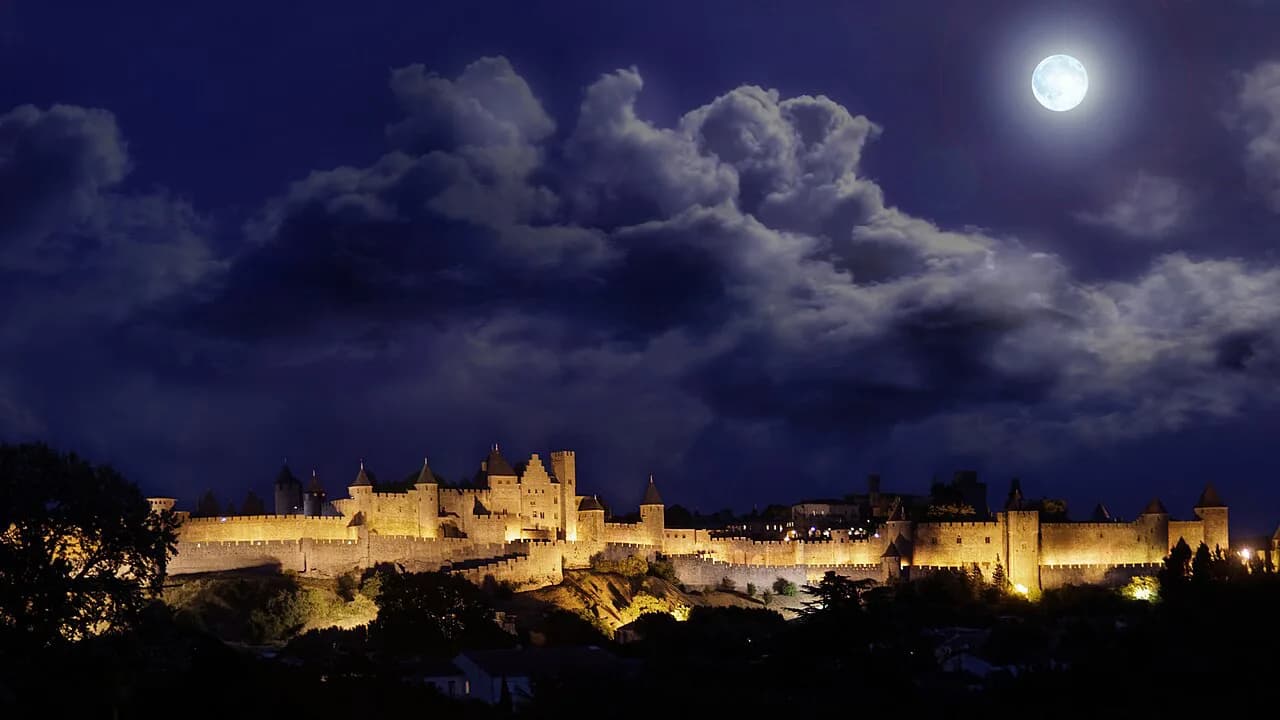
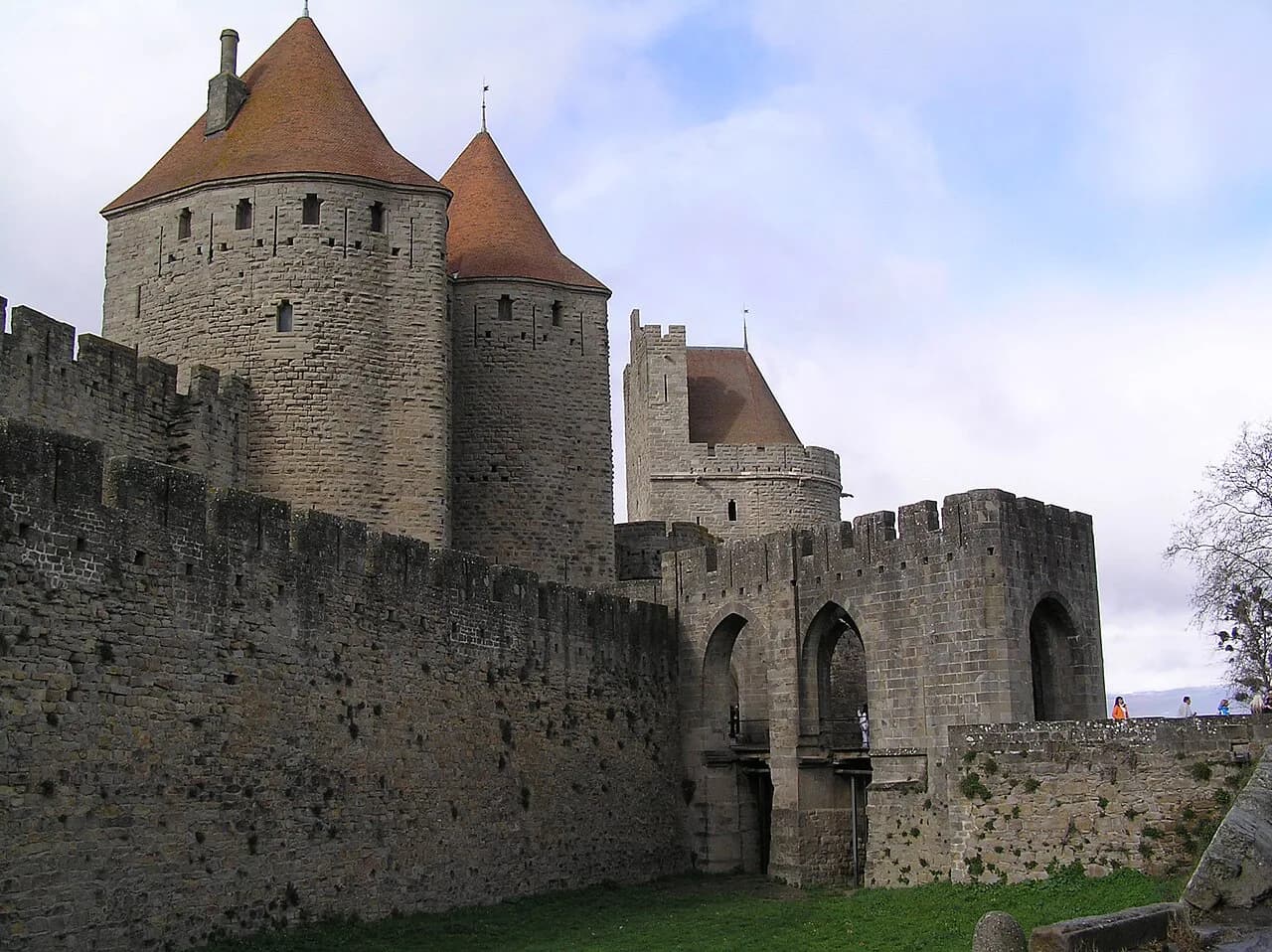
The tourism office identifies the Narbonnaise and Aude gates as entrances to the Cité and describes the Lices between the two ramparts. It places the castle within the medieval quarter and names Saint-Nazaire Basilica among its sights. We would compare accommodation inside the district when those places are the repeated focus, with the gates retained as distinct points in the arrival plan.
District entry is free; the castle has separate paid admission. Keep that distinction when imagining the stay. Returning to the district’s public spaces and arranging a castle visit are separate choices, even if both are part of the trip. An address inside the quarter does not make every monument visit part of the room offer.
A fortified-quarter preference can also concern the setting between visits. Someone who wants to return to this district after other outings may value it even when the castle itself is a single planned visit. Conversely, a traveler mainly interested in the castle can keep it as an excursion from another base. Decide whether it is the backdrop to most days or one important item in the itinerary.
Bastide Saint-Louis: Place Carnot as everyday starting point
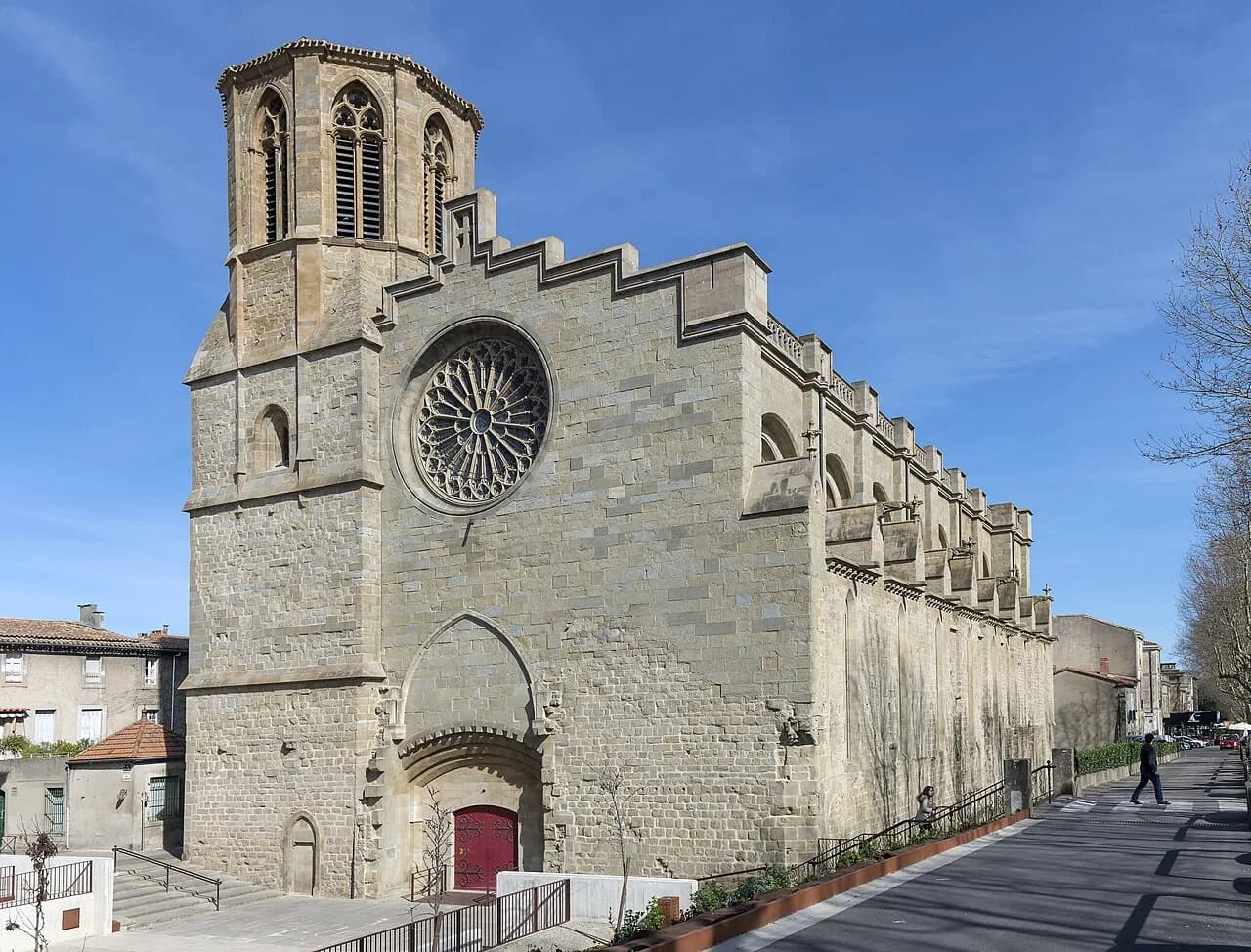
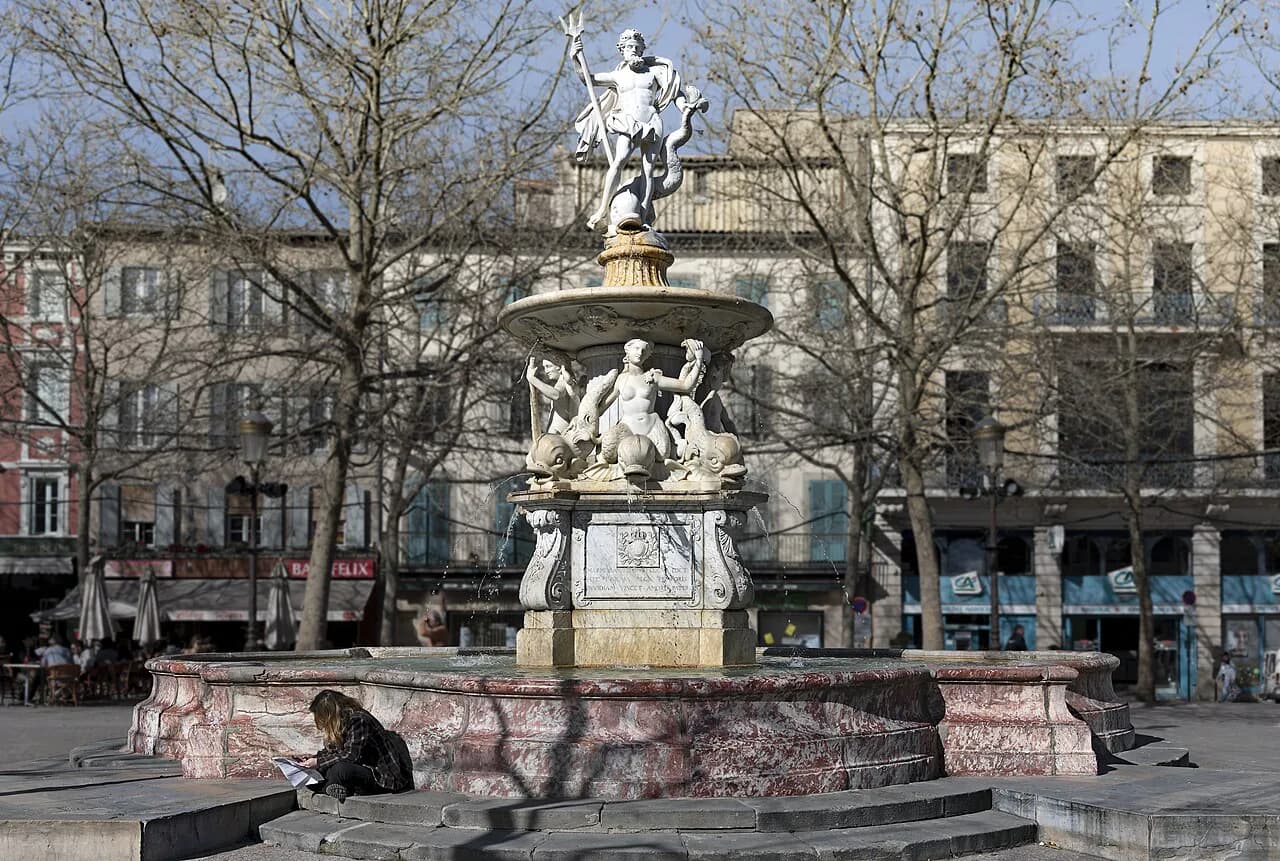
The Bastide’s official description identifies a quadrangular street plan organised around a central square and bounded by boulevards, with shops and restaurants as part of local town life. The municipality places Place Carnot at its centre and describes bar and restaurant terraces there. We would compare this setting when a square-led routine is the main attraction.
Picture the time outside the accommodation that does not belong to a major sightseeing visit. If browsing and sitting around the square are what you want to repeat, this lower-town preference has a clear purpose. You can still plan the medieval sights separately. The base need not reproduce the most famous attraction when another everyday setting better serves the party.
Keep a particular street address attached to the choice. The Bastide label helps define the search, while the actual address determines what the accommodation means for your planned returns. For travelers who mainly want the public square, room-floor area can remain a secondary comparison. For those who expect substantial time indoors, the layout should still carry its own weight.
Square Gambetta and local town outings
The municipality describes Square Gambetta with planted areas, shaded structures and a reflecting water feature, and says it houses the Musée des Beaux-Arts. We would include this named square in a lower-town comparison when an art visit and time in a public outdoor setting are part of the holiday, rather than reduce the Bastide choice solely to one central square.
For example, one traveler may care chiefly about the museum visit while another wants a public place to spend time between plans. That can give the lower town a shared role without requiring everyone to be interested in the same exhibit. Keep the intended museum visit separate from the hotel choice; select its actual programme and visit arrangements as their own decision.
The tourism office also names André Chénier Square as a Tourist Office reception point with a kiosk, and places Commandant Roumens Boulevard in the continuation of Barbès Boulevard. We would use those particular names to make a lower-town outing concrete: a public reception point and a named boulevard can serve different purposes from sitting around a café square.
Canal du Midi: compare a port-led stay
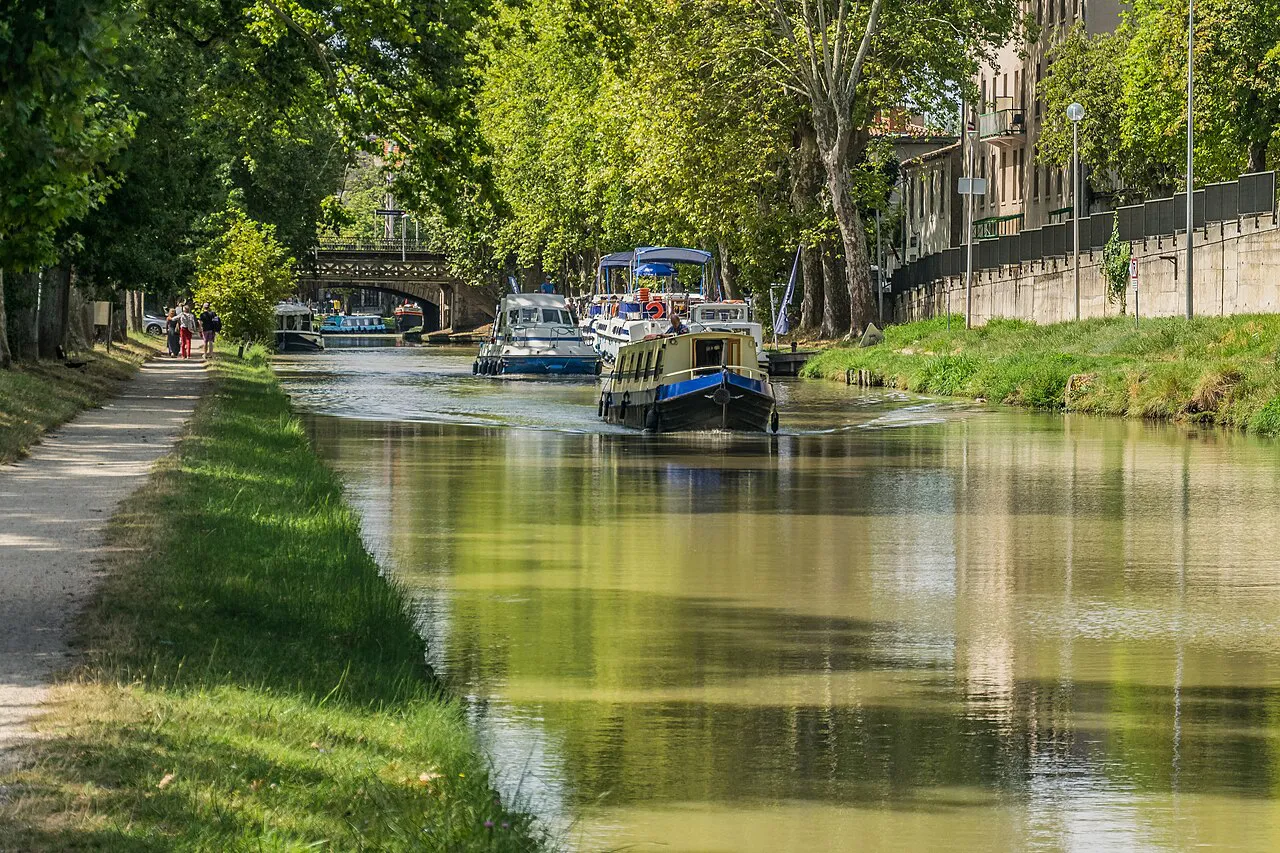
The tourism office describes the Canal du Midi running through Carcassonne, with walking and cycling routes and boat outings, and identifies the Port of Carcassonne in that canal setting. We would give a canal-led preference its own comparison when the intended activity is the central reason for the stay. It serves a different plan from crossing the Aude toward the medieval district.
Choose the activity before making the accommodation search depend on it. Someone planning a specific boat outing may chiefly need to organise that departure, while someone interested in canal walks may want to return to the setting repeatedly. Those are different uses of the same broader place. Neither requires a promise that every path or boat works for every traveler.
The tourism office’s walking material describes routes from lock to lock, with a Walking Guide for suggested itineraries. We would use the intended route as the detail that refines a canal-oriented address, while a booked boat outing begins with its own departure. A walking plan and a boat plan can share an interest in the canal without sharing the same accommodation priority.
Rail arrival: use the actual station address
SNCF gives Carcassonne station as 1 Boulevard Maréchal Joffre. Use that actual arrival address when discussing the accommodation journey. We would treat the station as a practical starting point rather than a substitute for choosing the public setting you want during the stay.
For a rail-led trip, put the actual arrival and hotel address together before booking the final transfer. This is particularly useful when bags, an offered collection or a necessary room approach influence the choice. You are resolving the journey to the accommodation, not simply deciding whether the listing is in the same city as the train station.
A Bastide address for square outings and a Cité address for district visits can both be considered after a station arrival. Let the arrival lead when it is the main constraint; otherwise, let the repeated outing lead and resolve the transfer afterward. Keep the actual addresses together in either case, so that a single rail journey does not become the whole definition of the stay.
A car-based visit: distinguish public parking from hotel arrival
The tourism office lists Gambetta, André Chénier and Jacobins parking for the Bastide, and parking at the Narbonnaise and Aude gates near the medieval city. We would compare those named public parking locations according to the part of town you intend to visit, while keeping the hotel’s own parking offer separate.
Hôtel de la Cité describes an enclosed car park at the foot of the ramparts and gives Place Auguste Pierre Pont as its hotel address. Its airport or station transfers are by prior arrangement. These are specific property arrangements; a public car park with a similar destination description is a different choice.
For a car-based stay, settle where the vehicle will remain and how bags reach the offered accommodation. Someone leaving a car for the stay has a different practical requirement from someone using a public car park for a single visit. Discuss the handover with the actual property rather than make a district-level parking label do that work. Space, charges and the offered arrangement belong in the particular booking.
Hôtel de la Cité: separate setting from room outlook
The Hôtel de la Cité operator places the hotel in the medieval district adjoining Saint-Nazaire Basilica. We would compare it when that particular setting is the main interest, then choose the room outlook as a separate feature. The location of a hotel beside a named sight and the view from a particular category are different parts of the stay.
Its Classic category is a double room designed for two, with a city view; the Superior category has a garden view and an en suite bathroom with a bath. We would compare the outlook you want rather than assume the hotel’s district gives every room the same panorama.
The hotel’s reception and lounges combine neo-Gothic décor with an Art Deco influence. We would compare that shared interior setting when you expect time indoors between outings. The public spaces can be a separate reason to choose the property from the view of your bedroom. Let the particular room category resolve the outlook while the shared setting resolves where you would like to spend time outside it.
Family sleeping arrangements versus suite living space
Hôtel de la Cité describes its Family room with one double bed and two single beds, with a cot on request. Its 55 m² Suite has a king-bed bedroom and a separate living room with a sofa bed. We would compare those arrangements through the actual sleeping needs of the party, keeping living space distinct from an additional bedroom.
A family wanting separate ordinary beds has a different requirement from a pair chiefly wanting somewhere to sit. A separate living room can serve time together while one person prepares for an outing, but it should not silently become a second enclosed bedroom. A sofa bed is also a different arrangement from the two single beds described in the Family category.
State the actual adults and children for the offered category, especially if a requested cot or sofa bed is essential. The category description gives a useful starting layout; the offer should resolve who sleeps where. For travelers who mainly need separate rooms, that requirement belongs ahead of a preference for extra floor area or a more elaborate category name.
Le Donjon: inner gardens and the specific breakfast venue
Le Donjon describes its location in the heart of the medieval town and its inner gardens. We would compare this hotel example when a garden setting within that district is part of the intended routine. The gardens give the property a specific role in the search without making a prediction about noise or the outlook from every bedroom.
Its breakfast page identifies a medieval dining room on the first floor accessible by lift, with garden breakfast possible in fine weather. That is information about the breakfast venue. Keep it separate from the approach to the offered bedroom, and compare the meal arrangement in the actual room offer rather than presume breakfast is included.
This can matter when travelers agree on the district but value different parts of a hotel stay. One may want the public medieval setting and another a garden routine at the accommodation. A particular breakfast venue can help explain that offer, while a necessary bedroom approach remains its own requirement. Choose the feature that changes an ordinary day for the actual party.
Choose your base and compare complete room offers
For a square-led stay, compare the actual accommodation address with the public place you want to revisit. For a medieval-district stay, keep the named gate and hotel arrival arrangement together. For a canal-led stay, settle the intended outing or departure. These are concrete ways to narrow the base before comparing the room offers for the actual travelers, rather than three competing sightseeing lists.
If swimming is a deciding requirement, our Carcassonne Hotels With a Swimming Pool guide addresses that separate property comparison. Choose the base and settle the particular pool offer together when both are essential, rather than infer swimming arrangements from a hotel name or a general destination description.
Compare the same party and dates across the shortlisted offers, including the bed arrangement, outlook, meals you intend to use and any parking or requested transfer. A larger room need not solve a separate-bedroom requirement, and a familiar area label need not resolve the arrival. The final choice should explain how the actual setting and offer work together for the stay you want.
Choose the ordinary day you want in Carcassonne
We would choose the setting around the interest that you intend to repeat: the fortified quarter, the lower-town squares or the canal outing. Then settle the actual accommodation offer, including the bed arrangement, outlook and arrival. The appeal of the Cité can coexist with a Bastide hotel search, and a canal visit can remain an excursion. The best fit is the combination that serves your shared plans.
Explore more Carcassonne guides
Frequently Asked Questions
Should I compare the Cité or the Bastide first?
We would compare the Cité first for a stay centred on the fortified district, and the Bastide for lower-town square and shop interests. Give canal outings their own priority if they motivate the trip. Choose the recurring activity before the hotel category.
Does free Cité entry include the castle?
No. The district can be entered freely, while the castle has separate paid admission. Plan the district outing and castle visit as different decisions.
Where is Carcassonne station?
SNCF lists Carcassonne station at 1 Boulevard Maréchal Joffre. Match that arrival address with the actual hotel approach or arranged transfer, rather than assume the station name settles the journey to a bedroom.
Is hotel parking the same as the public parking nearby?
No. Public car parks and a property’s arrival arrangements are separate offers. Hôtel de la Cité describes its enclosed parking at the foot of the ramparts. Establish the actual parking and luggage handover for the selected accommodation.
Does a suite guarantee a second bedroom?
Not necessarily. Hôtel de la Cité’s Suite has one bedroom and a separate living room. Choose the sleeping layout for the actual party.
Sources
- Le Donjon: medieval setting and inner gardens
- Carcassonne Tourism: Bastide streets, banks and local squares
- Carcassonne Tourism: Cité banks, gates, hill and Lices
- SNCF: Carcassonne station entrance address
- Hôtel de la Cité: Classic, Superior, Family and Suite rooms
- City of Carcassonne: Place Carnot and Square Gambetta
- Hôtel de la Cité: medieval setting beside Saint-Nazaire
- Carcassonne Tourism: named public car parks by area
- Carcassonne Tourism: canal setting and port outings
- Le Donjon: breakfast dining room and garden setting
- Hôtel de la Cité: parking, prior transfers and address
- Centre des monuments nationaux: Pont Vieux across the Aude
You might also like
Continue reading
More guides you'll find useful