Where to Stay in Cannes: Areas for Your Riviera Base
Compare central Cannes, La Croisette, Le Suquet, the Old Port, La Bocca and Pointe Croisette by the streets, shore and arrival routine you want.
AI-assisted guide · Sources and editorial policy
On this page
Our starting choice for where to stay in Cannes is a central-street address when shopping, café stops and an open-ended day lead the holiday. Put the waterfront first when a promenade outing is the activity you want to repeat. For historic lanes or harbour time, compare the hill and its foot separately. The most useful base is the one that supports your ordinary day, rather than the one with the broadest resort description.
Decide what happens after breakfast, where you would pause during the afternoon and how you want to spend the evening. Then shortlist two areas with different roles. If you are still choosing the Riviera town, Where to Stay in the French Riviera covers that wider decision. This guide narrows Cannes itself through actual streets, market locations, shore stretches and the station entrance.
Central streets: put shopping and café stops first
Cannes Tourism identifies Rue d’Antibes and the Carré d’Or for shopping, with café terraces on Cours Félix Faure and Rue Hoche. Its centre description also names Rue Meynadier and Marché Forville for food. Those are useful search anchors for a stay built around browsing, a coffee break and choosing what to do next.
We would begin with a central address for a mixed visit in which no single shore activity dominates. Give the hotel a role between outings: somewhere to leave purchases, change before dinner or meet a companion who has spent the morning differently. If you expect to stay out all day, that midday return should carry less weight.
Choose one street for the first outing and another for the evening plan. Use those two destinations to narrow the address search before comparing attractive rooms; “city centre” alone leaves too much undecided.
La Croisette: select the part of the promenade you want
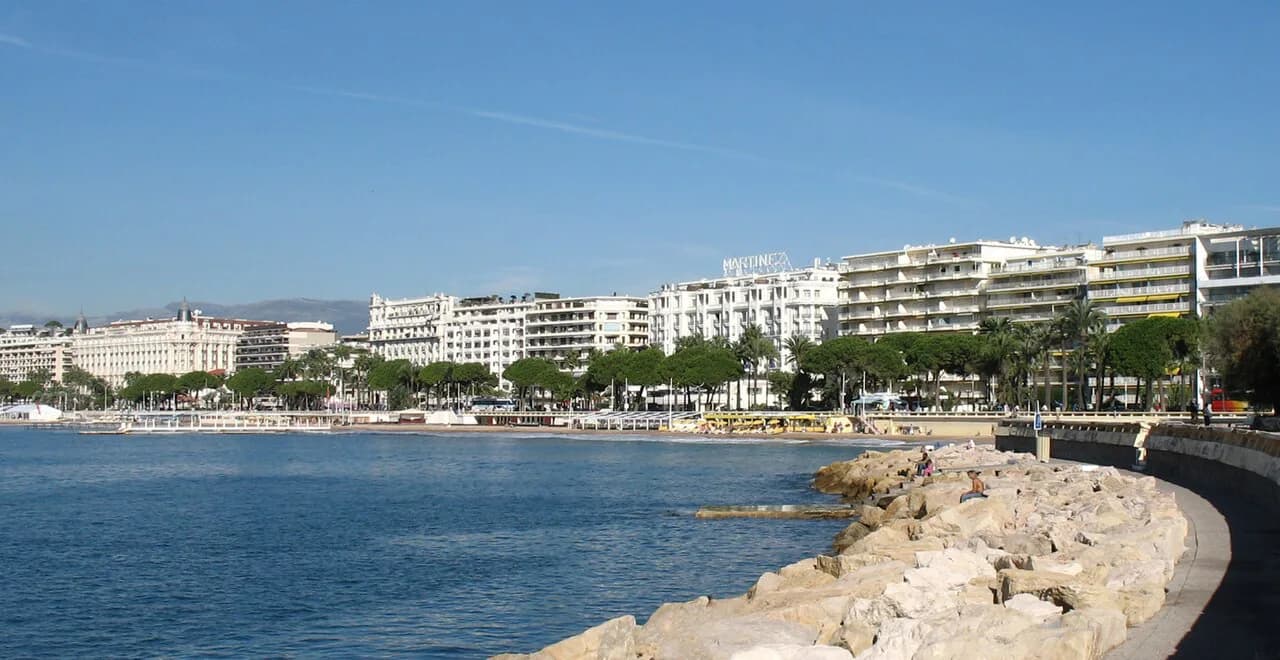
The official districts guide describes La Croisette as a promenade bordered by beaches and palms, extending from Port Canto to the Palais des Festivals et des Congrès. We would compare this setting when time on that waterfront is a repeated part of the stay. Choose which end or stretch matters to your planned day.
A Palais appointment and a leisurely promenade-led holiday need not produce the same shortlist. For the appointment, plot the actual venue entrance and accommodation entrance. For the holiday, choose where you want to begin the waterfront outing and whether returning to the room before dinner is important. Let that distinction shape the address search.
Keep the promenade, a room outlook and beach arrangements as three separate choices. Luxury Hotels in Cannes can help with the property comparison after the location is settled. A waterfront address alone does not describe a particular room’s view or what a shore service includes.
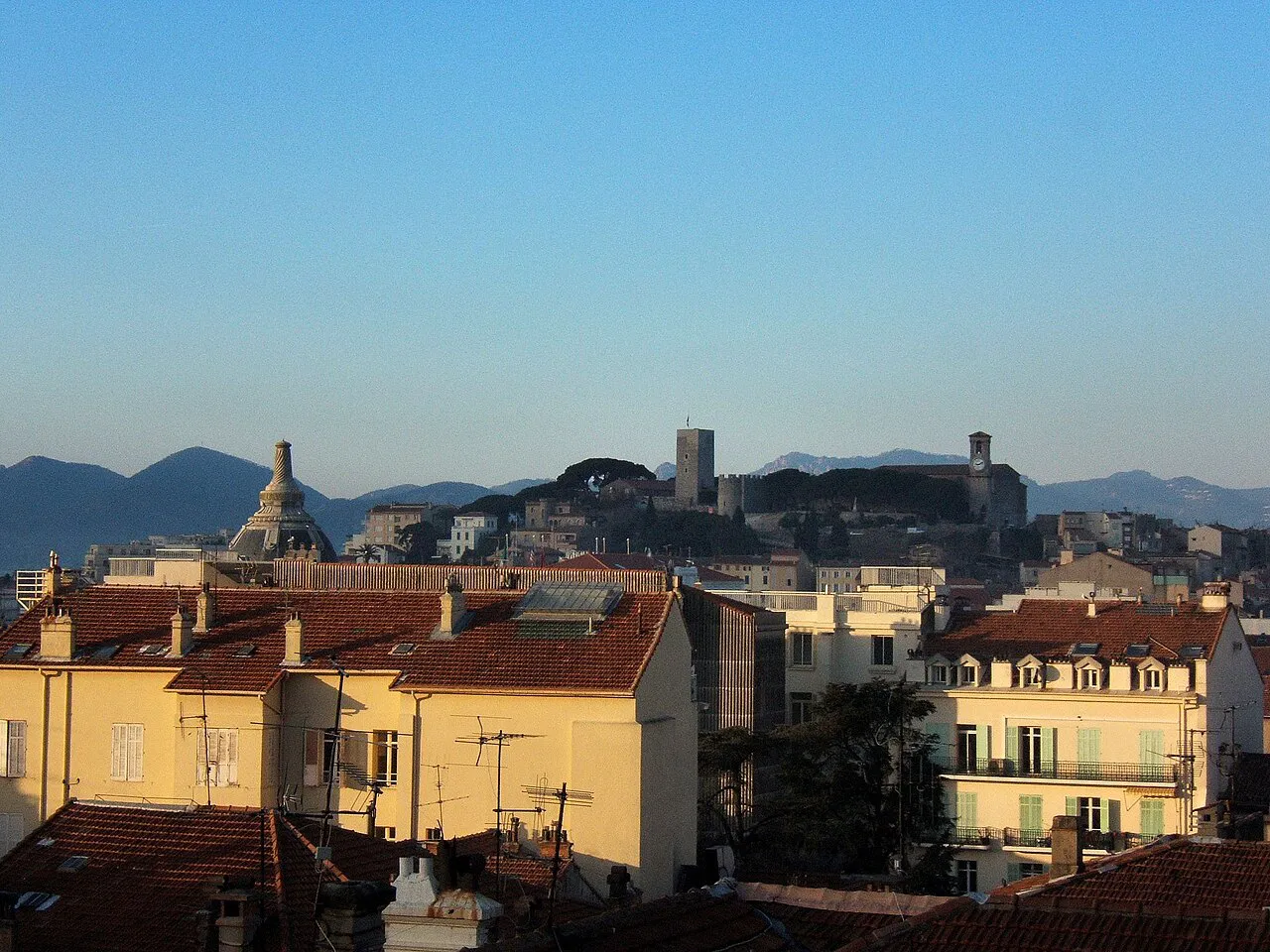
Le Suquet: distinguish upper lanes from the foot of the hill
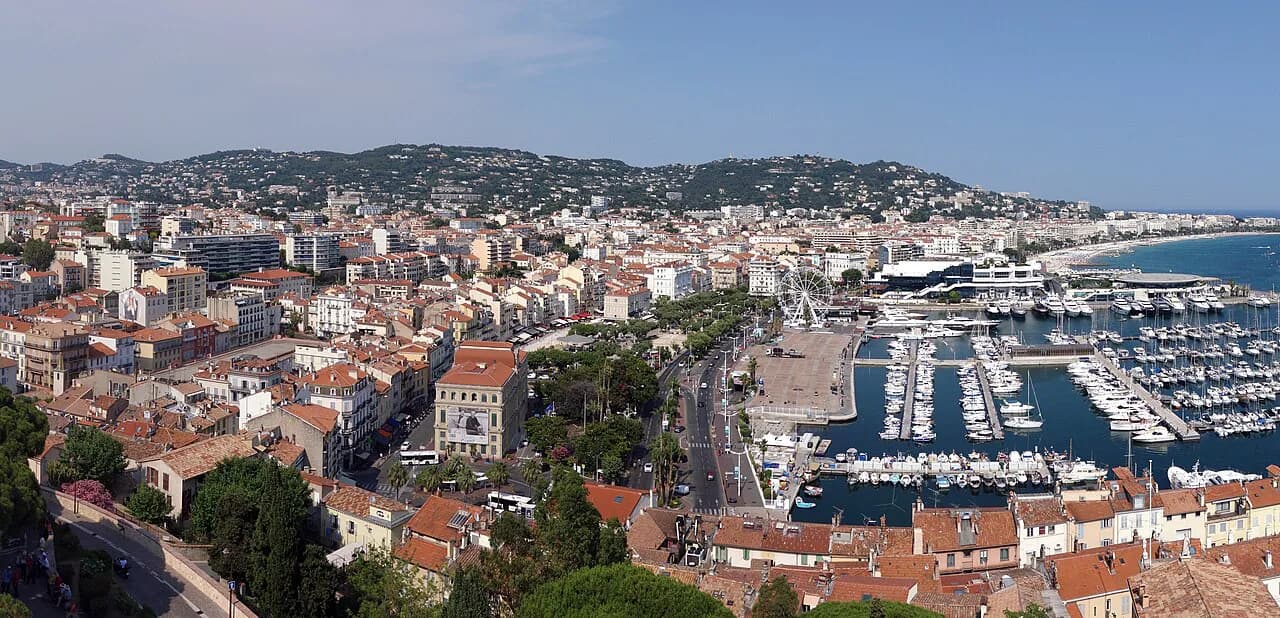
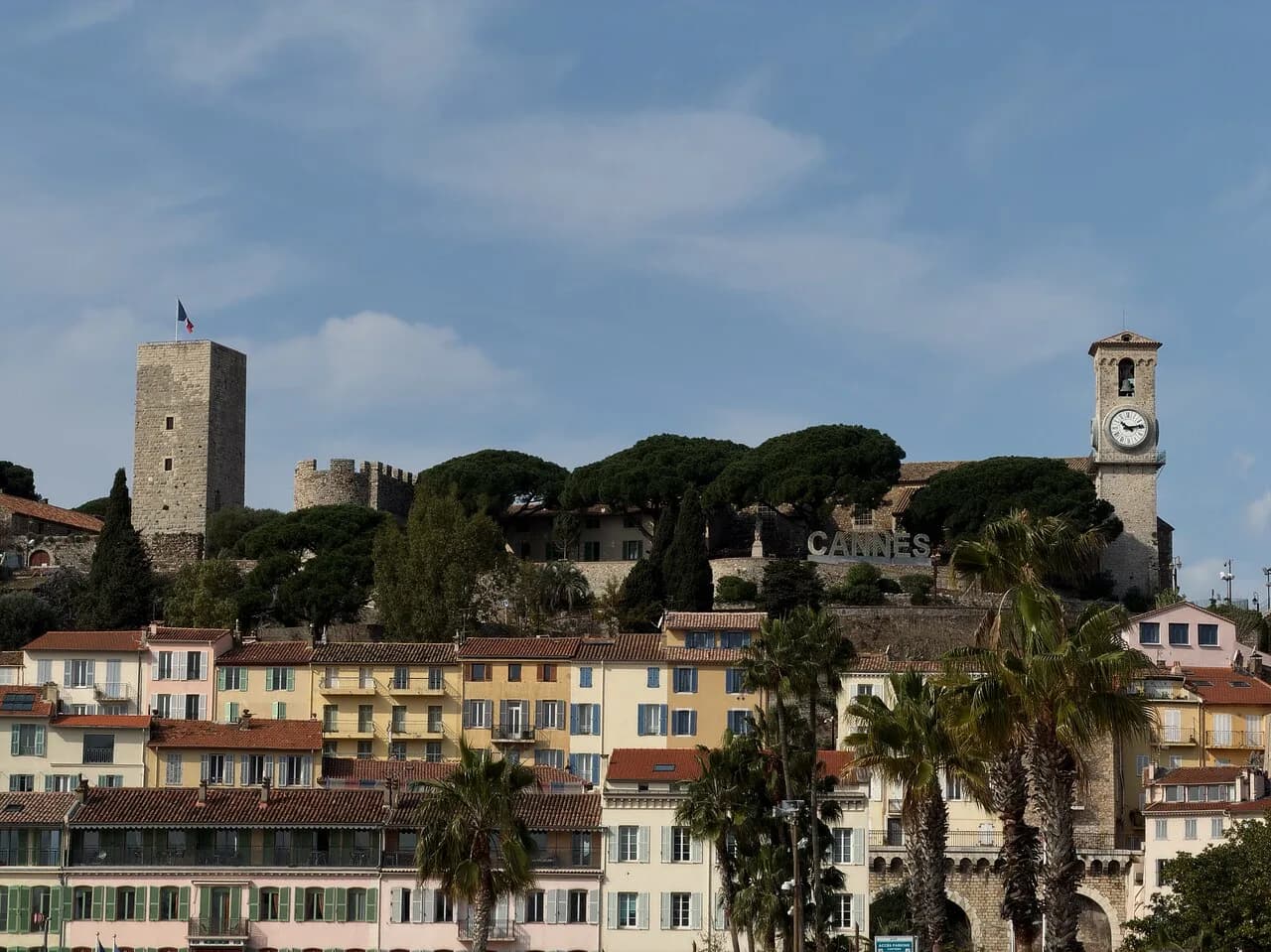
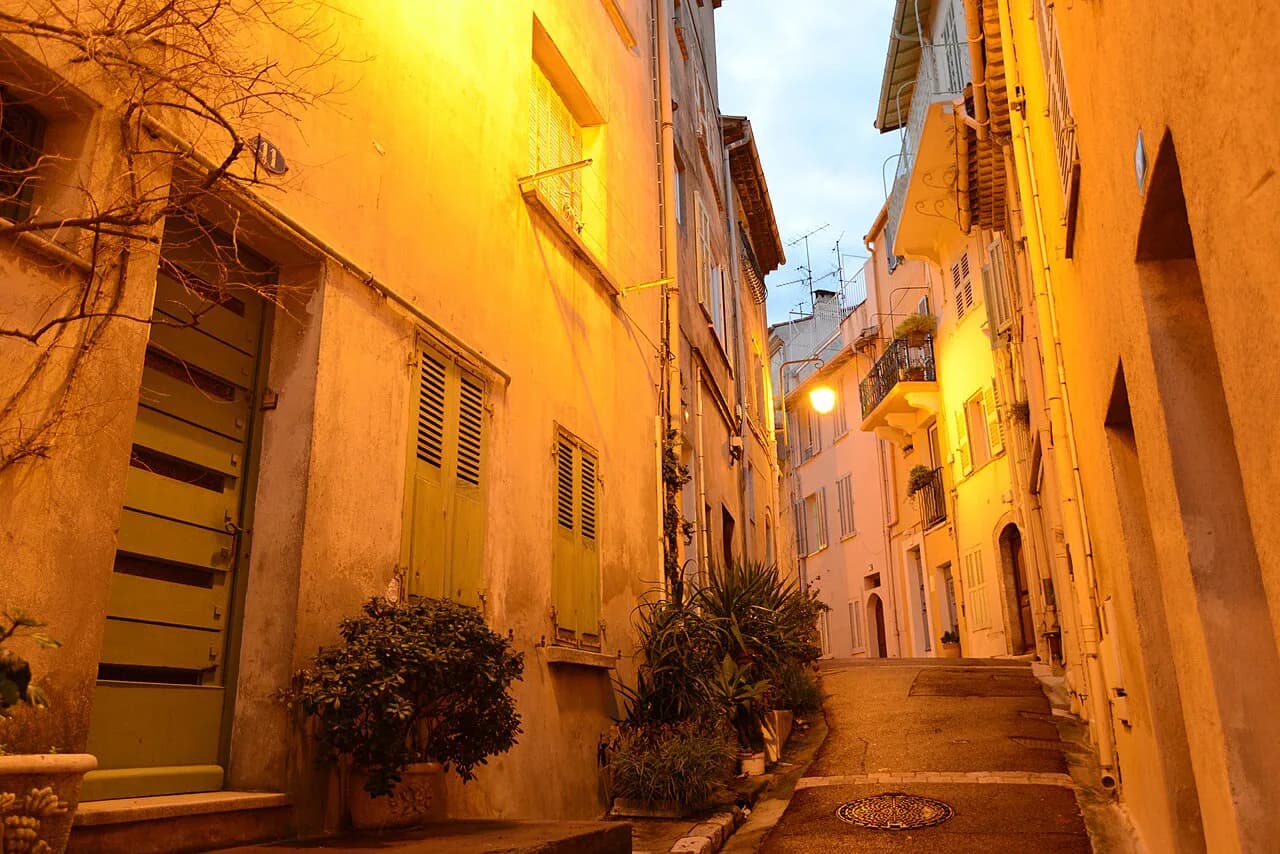
Le Suquet’s tourism account describes a promontory with winding, cobbled streets. Rue Meynadier leads to its foot and Marché Forville; Rue Saint-Antoine and Rue du Suquet belong to the lanes explored above. At the top, the Castre has Notre-Dame-d’Espérance and the Museum of World Explorations. The lower approach and upper sights give the district two different search priorities.
We would favour an upper-lane search when spending time around those historic sights is the reason for the stay. Start at the foot when food shopping leads the morning and the hill is an outing. An address described simply as “near the old town” leaves this choice unfinished.
With luggage, a pushchair or a particular mobility requirement, draw the actual approach to the accommodation. Ask about the building entrance separately from the street route. The hill setting makes the approach worth examining; it does not establish that every hotel has stairs or that every guest faces the same route.
Old Port: choose the harbour routine rather than an upper address
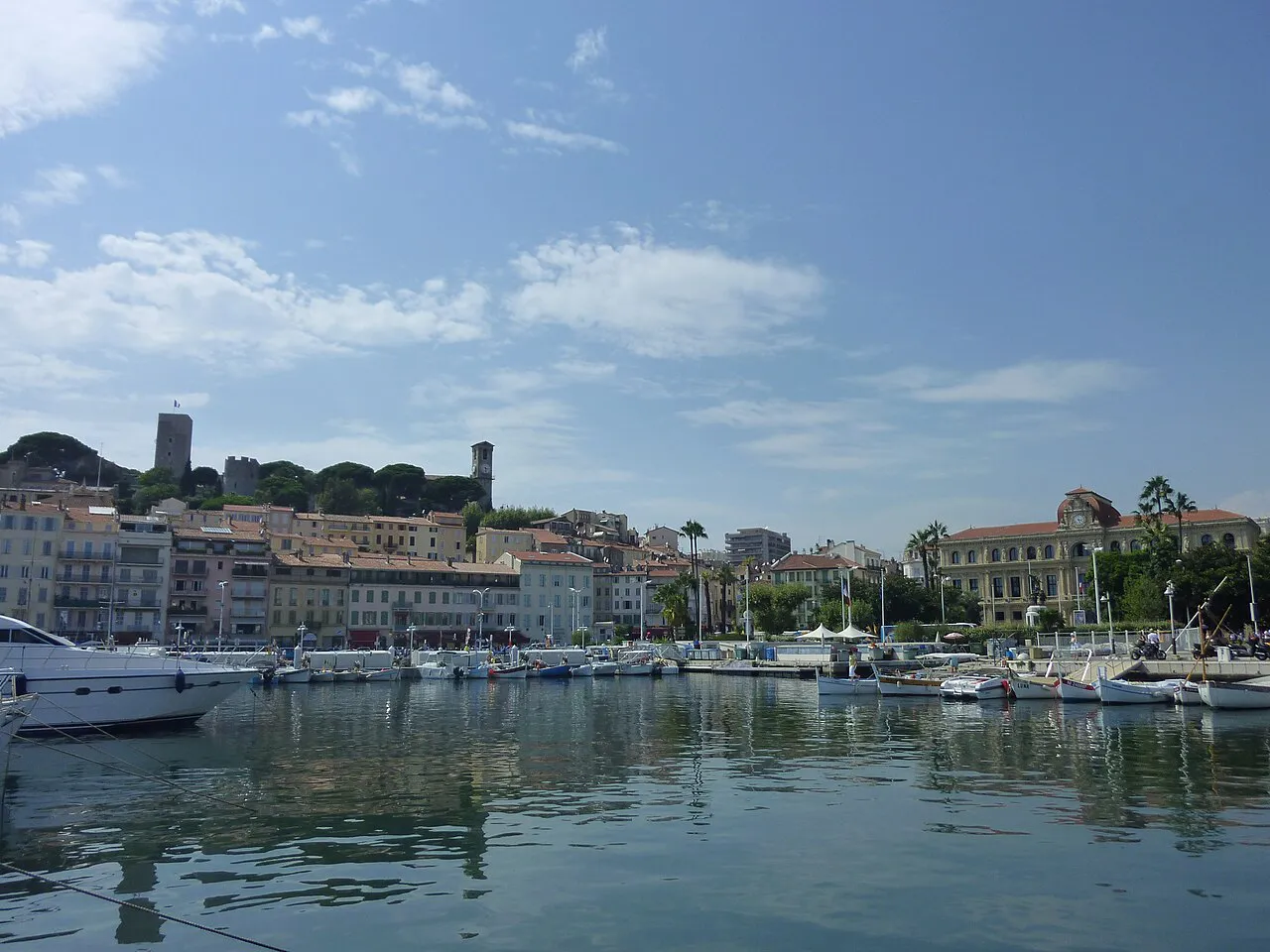
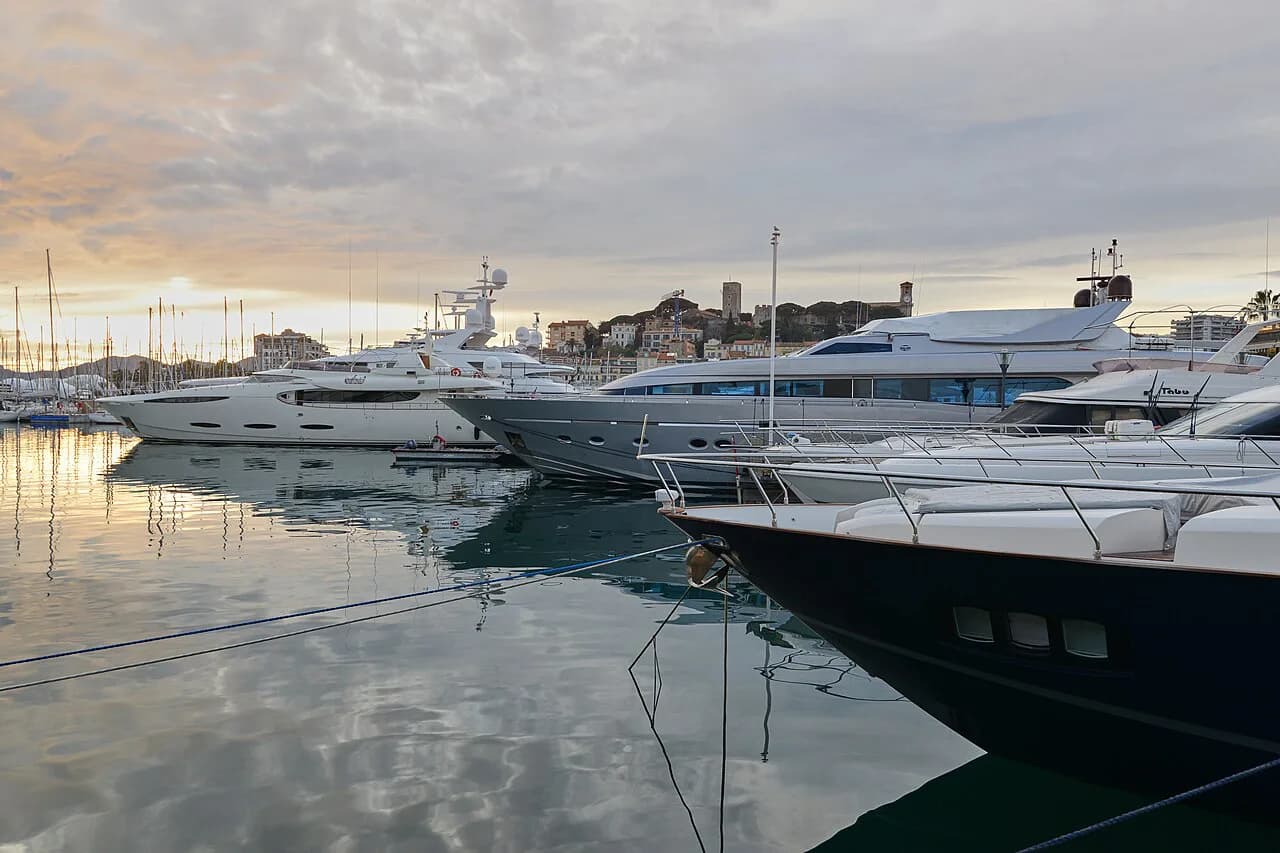
The Old Port description places the harbour at the foot of Le Suquet, opening towards La Croisette. It identifies yachts, island shuttles and fishing boats, and names Quai Saint-Pierre for dining. We would begin a harbour-led search here when looking at boats and choosing a meal by the quay are central to the visit.
Give the harbour destination and accommodation entrance separate map points. Decide whether boats and quay dining lead the daily plan, or whether you mainly want a room outlook. Those priorities can produce different shortlists even within the same harbour search.
If an island outing is the main reason for the stay, add the booked departure point to the comparison. Use the operator’s instructions for that sailing instead of treating the whole harbour as a single meeting place. For a food-and-lanes day, compare the hill’s lower approach too; the overnight choice can serve the morning as well as dinner.
La Bocca: compare the market with a named shore stretch
La Bocca’s market listing gives Place du Marché and describes fruit, vegetables, flowers, local fish and clothing. We would use the market square as a starting point for a stay in which shopping for food is a recurring activity. Decide whether that routine matters more than returning to the room directly after a shore outing.
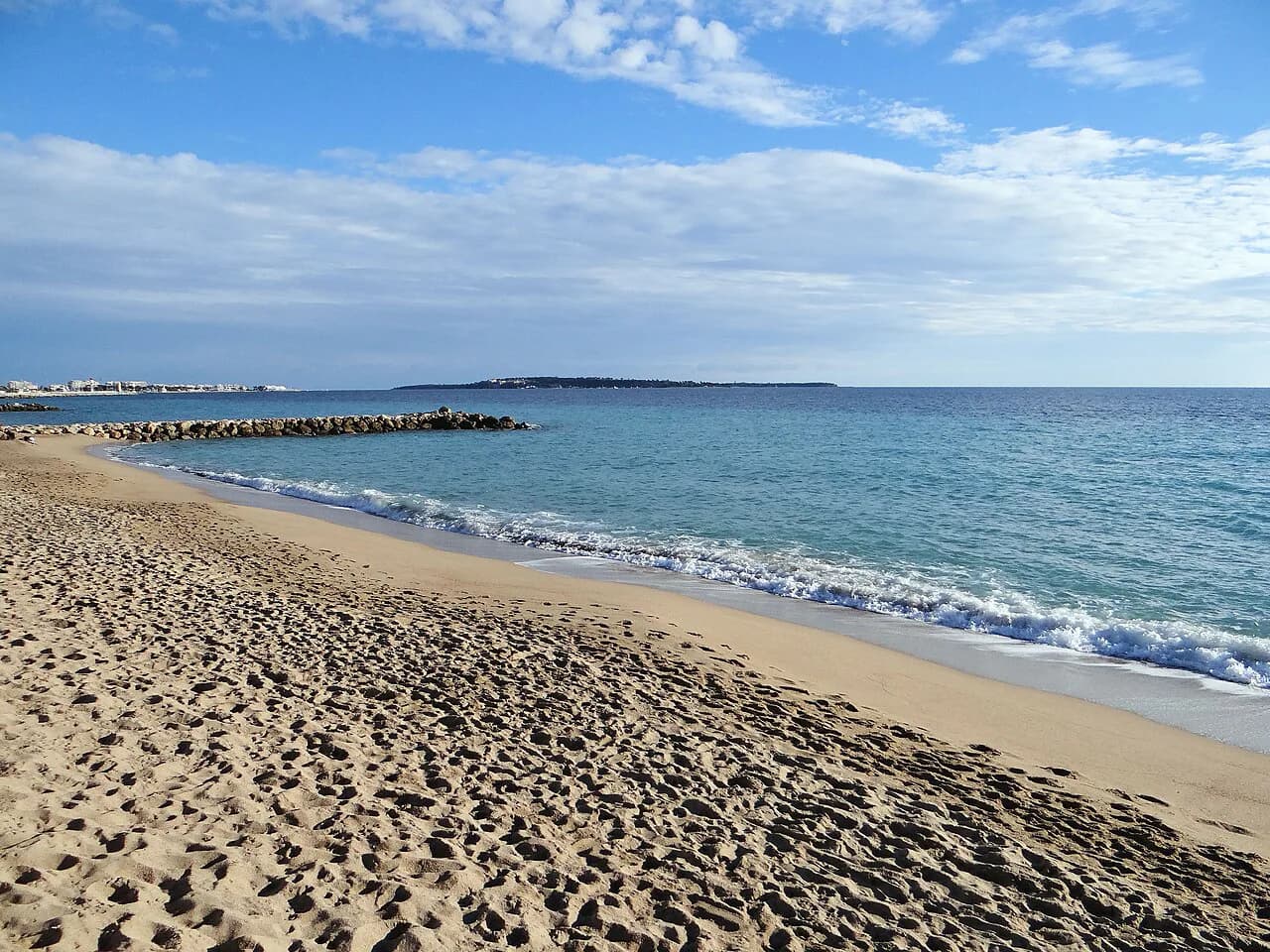
The city’s beach guide places La Bocca shore locations along Boulevard du Midi-Louise Moreau. It describes Plage des Rochers with red rocks on the sand along the Boulevard du Midi. These are more precise coastal search points than a general beach-area label.
Make two address searches: one oriented towards the market, one towards the shore you intend to use. Compare how each serves breakfast, an afternoon return and dinner. We would choose between them on that routine, not assume that the district guarantees a lower room price. Keep the same dates and party when comparing the complete offers.
Pointe Croisette: separate the port promenade from the beach
The municipality’s Moure Rouge account describes a pedestrian promenade with viewpoints at the port in Pointe Croisette. Its shore listing separately identifies beaches along Boulevard Eugène Gazagnaire. Use the port promenade and the beach stretch as distinct destinations when searching this setting.
We would compare this area when those particular coastal outings give the stay a clear purpose. A traveller hoping to sit by boats and one planning a beach afternoon should plot different destinations. Choosing the same district does not make their days identical, so agree on which outing will lead the accommodation search.
If beach time is essential, Beach Hotels in Cannes is the next property-focused comparison. Keep the service you intend to use visible alongside the room offer. The waterfront setting should support the plan; it does not by itself establish included loungers, a private shore area or a suitable route for every guest.
Cannes station: plan from the actual arrival address
SNCF Gares & Connexions lists Cannes station at 1 Rue Jean Jaurès. Put that address on the arrival plan, then add the accommodation’s guest entrance. Compare the onward approach separately from the places you want to visit after you have left your luggage.
For a short stay with repeated rail outings, give departures a substantial role in the area choice. For several days concentrated around one local setting, you may prefer to coordinate a different arrival once. The sensible weighting depends on how often you expect to repeat each journey.
Plan a luggage-heavy arrival and an early departure separately. Use the booked journey and the property’s arrival instructions for each approach. A station address starts that work; it does not supply a hotel transfer.
Narrow the area before comparing the room offer
Give the finalists different roles: browsing and café stops, or a promenade and harbour meal. Write down the outing you would repeat from each entrance and choose the routine you would most enjoy.
Compare room offers for the same people and dates, resolving sleeping arrangements and essential building access before optional upgrades. Keep any necessary parking alongside those requirements; a view should not replace them.
If the offers remain close, use the evening as the deciding test: picture finishing dinner and returning to that particular entrance. Choose the address whose purpose stays clear through the whole day. This gives the base a stronger role than a district-wide label about prestige, price or atmosphere.
Choose the Cannes day you want to repeat
Begin with two area searches that serve different interests, then narrow each to an actual entrance and room offer. Keep the first outing, afternoon return and evening plan together. We would choose the base whose location has a clear role throughout the stay, with arrival and any essential shore arrangement resolved alongside it.
Frequently Asked Questions
Which Cannes area should I compare first?
We would start with central streets for browsing and café stops, a waterfront search for promenade days, or the hill and harbour for historic lanes and boats. Pick the activity you want to repeat, then compare two actual addresses.
Should I choose upper Le Suquet or the Old Port?
Compare upper lanes for a historic-sights-led stay and the harbour for a quay-led routine. Plot the actual entrance and approach, especially with luggage or a mobility requirement, before choosing between the two offers.
Is La Bocca always the cheaper Cannes base?
Do not choose it on an assumed district-wide discount. Compare offers for the same dates and people, then weigh whether a market-led or shore-led daily routine suits the stay. The complete offer should decide the price comparison.
Where is Cannes railway station?
SNCF Gares & Connexions gives 1 Rue Jean Jaurès for Cannes station. Use that arrival address, the journey booked for your dates and the accommodation entrance to plan the final approach.
Does a waterfront hotel include beach services?
A waterfront location and an included shore service are separate requirements. Choose the particular beach arrangement you want, then compare it with the room offer; resolve any essential loungers or reserved area through the actual booking terms.
Sources
- Cannes Tourism: Croisette and central shopping streets
- Cannes Tourism: Le Suquet streets, market and upper landmarks
- Cannes Tourism: Old Port position and Quai Saint-Pierre
- SNCF: Cannes station identity and entrance address
- Cannes Tourism: La Bocca market location and products
- City of Cannes: Moure Rouge promenade at Pointe Croisette
- City of Cannes: named shore locations in La Bocca and Moure Rouge
You might also like
Continue reading
More guides you'll find useful