Best Boutique Hotels in Rome: Design, Views and Room Layouts
Compare three Rome hotel options by documented interiors, named room views and living areas, then choose a boutique stay around your daily plans.
AI-assisted guide · Sources and editorial policy
On this page
For the best boutique hotels in Rome for your trip, start with the experience you want inside the hotel. An ornamental room, a landmark outlook and a useful sitting area answer different wishes. Our shortlist compares three properties through their documented room categories, then asks which feature deserves a place in your own plans.
We would choose the room’s main purpose before adding optional upgrades: somewhere to sleep between visits, somewhere to return for a break, or somewhere to spend a deliberate part of the holiday. For the broader neighborhood decision, use our guide to where to stay in Rome alongside this room-focused comparison.
Use boutique as a style direction
Forbes Travel Guide describes J.K. Place Roma through bold boutique style and Palazzo Ripetta through a 1920s-style boutique identity. Those are starting directions for a design search, rather than specifications for a room. We would use a published style description to decide what to investigate, then make the overnight choice from the category actually offered.
A decorative preference becomes more useful when you can name it. Do you want an artwork to study, a view to look out at, or a place to sit away from the bed? These can be competing reasons to upgrade. Choose the one that would change your ordinary morning or evening, instead of collecting features you are unlikely to use.
Keep hotel category as a separate comparison. Our 4-star hotels guide can help with that search, while this shortlist stays focused on character and room use. We treat best as an editorial match to those priorities; a boutique description alone does not establish small size, independent ownership or a particular set of facilities.
Albergo del Senato: frescoed character or a Pantheon view
Albergo del Senato describes Suite Seminario as an ornamental suite with a Renaissance fresco and separate sleeping and living areas, without a view of Pantheon Square. Its Senior Suite is on the fourth floor, with separate sleeping and living areas and a Pantheon view. The choice therefore involves the particular interior and outlook, rather than the suite label alone.
We would begin with the ornamental option when the room itself is part of the pleasure of the stay. Think about whether you enjoy noticing decorative details while reading or taking a break. If you normally leave early and return only to sleep, a distinctive interior may matter less than it does on a slower trip.
If looking out at a landmark is the reason for choosing the hotel, give the offered outlook more weight. A sleeping area and a living area can also serve different routines without necessarily providing two enclosed rooms. Decide whether you want a place to sit or actual separation for simultaneous activities before treating either arrangement as the right upgrade.
Singer Palace: separate living or a larger open plan
Singer Palace lists the One Bedroom Prestige Suite at 40 square metres with a separate living area. Its Junior Suite Grand Deluxe is 55 square metres, has an open-plan layout and two private bathrooms. This is a useful comparison of spatial arrangement: the larger advertised area is not the same thing as a separately described living space.
We would compare these formats by the way you expect to occupy the room. If one person wants to read while another prepares for the day, start with how the areas relate to each other. If you prefer spending time together in one shared space, an open arrangement may be the more appealing direction. Neither preference needs to be universal.
Treat floor area as one part of the decision, alongside the activities it must accommodate. Before paying for more space, identify what you would do with it: unpack properly, spend an afternoon indoors, or keep work separate from bedtime. A smaller arrangement can meet a specific purpose better than a larger one whose principal appeal is its number.
TriviHo: design-led seating or a bath feature
TriviHo combines contemporary architecture, antiques and art installations in its design description. Its Suite is 27 square metres, for up to two guests, with a double bed and corner living seating. The 30-square-metre Glass Suite lists a double bed, a living area and a bathroom with a freestanding bathtub; its stated maximum is three guests.
We would begin with the sitting-space option if the hotel will be a regular place to pause between outings. Decide what you want to do during that pause, rather than treating seating as decoration. Reading, talking over the day and using a laptop can place different demands on a room; the activity should decide which offered layout deserves closer attention.
The bath is a stronger reason to choose a room if you intend to make time for it. If your plan is to shower and leave for dinner, it may add little to the stay. The published guest maximum also does not identify an additional sleeping place: a three-person booking needs its actual bed arrangement resolved, not assumed from the room’s size.
Compare three actual hotel addresses
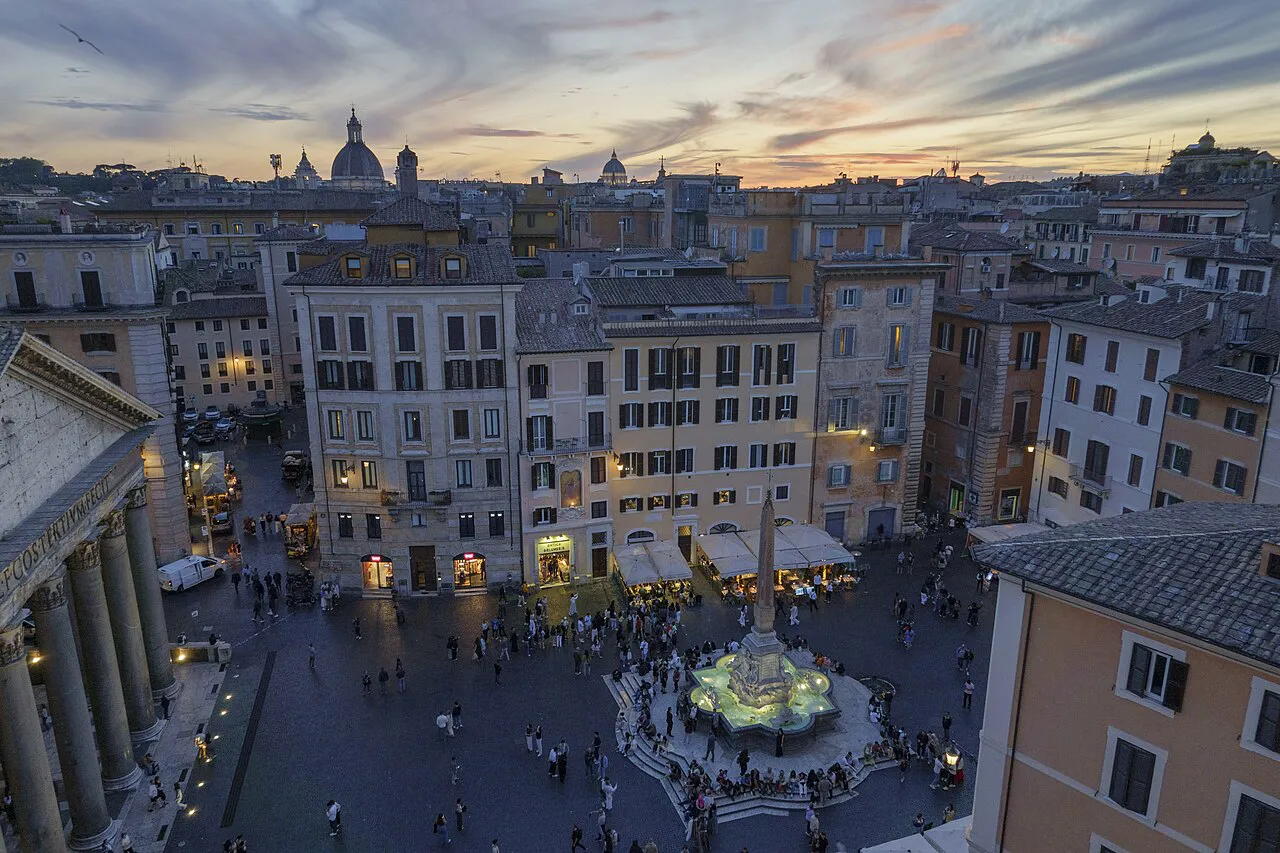
The hotel addresses are Piazza della Rotonda 73 for Albergo del Senato, Via Alessandro Specchi 10 for Singer Palace and Via Barberini 50 for TriviHo. Use those exact locations in the comparison rather than a central-Rome label. Place the guest approach and your booked visits on the same map.
For a Pantheon-led stay, we would begin by examining the square address. For a mixed itinerary, compare all three against the same appointments and evening plans. Separate an arrival with luggage from an ordinary sightseeing walk. A hotel can fit the room preference particularly well while asking you to make a different journey on the first day.
Choose the character you will enjoy indoors
Think of the room as part of a particular day. On an early-start sightseeing trip, its most valuable feature may be the arrangement that makes getting ready straightforward. On a slower visit, you might deliberately reserve an afternoon for reading or enjoying the interior. Design deserves more weight when you have actually made room for that experience.
We would select two different directions rather than several versions of the same attractive photograph. Compare an interior-led choice with an outlook-led one, or a compact sitting arrangement with a space intended for longer indoor time. Explain what each would add to your trip. If the answers are identical, the shorter shortlist will make the decision easier.
Then decide what you are willing to trade. A landmark outlook can matter more than decorative detail; useful spatial separation can matter more than a larger area. You do not need a winner on every feature. Choose the combination that serves the hours you expect to spend at the hotel.
Finish with two comparable room offers
Compare the same dates, party and meal preference in both offers. Record the precise category, sleeping arrangement, total charge and cancellation conditions. Keep the feature that earned the hotel its place visible in that comparison, so that a differently named offer does not silently replace the room you meant to choose.
Resolve the practical requirements that could rule out either option. If stairs, a lift or movement through the bathroom matter, describe the actual need to the hotel. If you plan to work indoors, ask for the relevant arrangement in the offered category. These are focused questions for your stay, rather than an expanding list of optional amenities.
Finally, decide whether the upgrade changes enough of the holiday to justify the quoted difference to you. We would favour a feature you will use repeatedly over one you merely like seeing in a room description. Keep the design preference, address and offered arrangement together until the booking decision.
Choose the room’s purpose before its label
Start with one purpose: enjoying the interior, looking out at a landmark or using the space during the day. Compare two room offers that meet the practical requirements, then test their addresses against the same Rome plan. Our preference is the boutique stay whose character has a clear role in the holiday, rather than the longest collection of attractive features.
Frequently Asked Questions
What does boutique mean in this Rome guide?
It is a style-led search direction, not a verified promise about room count, ownership or facilities. We compare documented interiors and arrangements, with best treated as an editorial match to the trip you want.
Does Senato’s Suite Seminario have a Pantheon Square view?
No. The operator describes separate sleeping and living areas and ornamental character, but explicitly excludes that square view. Choose it for the interior rather than assuming every suite offers the same outlook.
Which Singer Palace layout has a separate living area?
The One Bedroom Prestige Suite is described with a separate living area. Compare that arrangement with how you expect to use the room; the category’s layout should carry more weight than the suite name alone.
Is TriviHo’s Glass Suite maximum a confirmed third bed?
No. The operator lists a maximum of three guests and a double bed, without identifying a third sleeping place in that description. Resolve the offered sleeping arrangement for a three-person booking.
Should a landmark view decide my hotel choice?
Give it weight when you intend to enjoy it from the room. If most of the day is spent out, compare the practical arrangement and address alongside the outlook before choosing an upgrade.
How should I narrow a Rome boutique-hotel shortlist?
Keep two properties serving the same itinerary, then compare their exact room offers for the same dates and party. Choose one main reason for the upgrade and check that the offered category delivers it.
Sources
You might also like

Continue reading
More guides you'll find useful