

Best Area to Stay in Venice for 2 Nights: Choose by Your Plans
Choose a Venice base for two nights around your arrival, usable sightseeing time and evening plans, comparing San Marco, San Polo, Dorsoduro and Cannaregio.
AI-assisted guide · Sources and editorial policy
On this page
For a two-night Venice visit, our starting choices are San Marco for a basilica-and-palace plan, San Polo for a Rialto-led one, or Dorsoduro when art is the priority. Add Cannaregio if the evening is a main attraction, Santa Croce when arrival weighs heavily, and Castello for a residential-setting preference. These are editorial choices tied to the visit you intend to make, rather than a rule that a first trip must use one district.
Before choosing, write down the actual arrival and departure. Two booked nights can describe a late arrival followed by an early departure, or a stay with time available on both surrounding days. That difference should decide how much weight you give the main outing, the hotel return and the first and last journeys.
Turn two booked nights into usable time
Treat arrival day, the intervening day and departure day as separate planning opportunities. If you arrive late, let that evening serve the arrival and settling-in arrangement. If you arrive with time you want to use, choose an outing that can remain optional until the arrival is complete. A late departure can allow another planned visit; an early one should keep the departure itself at the center of the morning.
Choose the activity you would most regret leaving out, then compare an address selected for that activity with one selected for arrival. Decide whether you expect to return to the room between outings or stay out until the evening. The hotel-return preference can change the address you want, even when the main visit remains the same. Establish the room-arrival arrangement for the actual booking before assigning sightseeing time to the first day.
San Marco: let the basilica and palace lead
Travel Lemming locates St. Mark’s Basilica, Doge’s Palace, the Bridge of Sighs and Campanile di San Marco in San Marco. We would start here when those landmarks are the main purpose of the short stay. Pick the substantial visit you want to make, then decide whether the surrounding setting is also somewhere you want to revisit during the time remaining.
If the palace is the essential outing, organize the usable day around that visit and keep the other plans flexible. If you mainly want time around Piazza San Marco, that outing can play a different role from an interior visit. Select the experience first and compare the address against it. Give a possible hotel return its place in the day as well: decide whether you want a break between the main visit and the next outing.
San Polo: choose which Rialto-area interests matter
Travel Lemming identifies the Rialto Market, Frari Basilica, Scuola Grande di San Rocco and Campo San Polo in San Polo. The guide describes the Rialto Bridge as connecting San Polo with San Marco. That supplies a separate sightseeing focus from a cathedral-and-palace itinerary. We would compare a San Polo address when those places, rather than only the destination’s best-known district name, give the short visit its purpose.
Decide whether you want an exploratory Rialto outing or a more substantial Frari and San Rocco visit. The choice changes what you would reserve time for on the intervening day. A market-area outing could be an optional arrival-day idea if your arrival leaves time; an important booked visit belongs in the part of the stay you can reliably use. Keep Santa Croce as a separate arrival-focused candidate so its purpose does not disappear into a combined area label.
Dorsoduro: reserve attention for an art visit
Go Ask A Local identifies the Accademia and Guggenheim museums in Dorsoduro, across the Grand Canal from San Marco. We would choose this as the first comparison for an art-led two-night stay. Select which museum matters most, then decide whether a second art visit is another priority or an optional addition. The accommodation choice should support the visit you most want to retain.
For a late-arrival stay, you could reserve the intervening day for the main museum and decide the rest of that day around your interest afterward. For an earlier arrival, use any available time for a flexible outing rather than depend on completing a museum visit before settling in. Establish the chosen venue’s opening and admission arrangements for the actual dates. That lets the museum plan determine the base without turning two nights into a compulsory gallery checklist.
Cannaregio: include an evening you want to keep
Go Ask A Local describes Cannaregio as extending east from the railway station toward Rialto. It names Fondamenta della Misericordia and Fondamenta degli Ormesini for evening outings, and identifies the Jewish Ghetto and Strada Nuova as additional interests. We would compare an address here when a neighborhood outing is part of the stay, with the chosen evening considered alongside the main daytime visit.
A planned evening can give the second night a purpose even if the first is largely spent arriving. With usable time before departure, you could give a Jewish Ghetto outing a place of its own; with an earlier arrival, leave a Strada Nuova outing as a flexible idea. If you intend to return between sightseeing and the evening, include that return in the day. Ask about the booked room’s position near bars when sleep is a priority.
Santa Croce: weigh the first and last journeys
Travel Lemming recommends Santa Croce for easy transportation in its area summary, separately from San Polo. We would investigate it when the arrival or departure arrangement has greater weight than a particular sightseeing setting. Compare the hotel entrance with the actual arrival point and your next fixed commitment. That makes Santa Croce an address-level arrival candidate without assuming every property is beside the station.
This comparison is especially relevant if the first evening mainly serves settling in or the departure day leaves little time for another outing. Decide whether those journeys should lead the choice, or whether you prefer an address chosen around the intervening day. If the sightseeing plan remains unchanged between candidates, compare how each handles arrival, a possible hotel return and departure. Treat San Polo’s Rialto-led plan as a distinct alternative, rather than search under an interchangeable combined name.
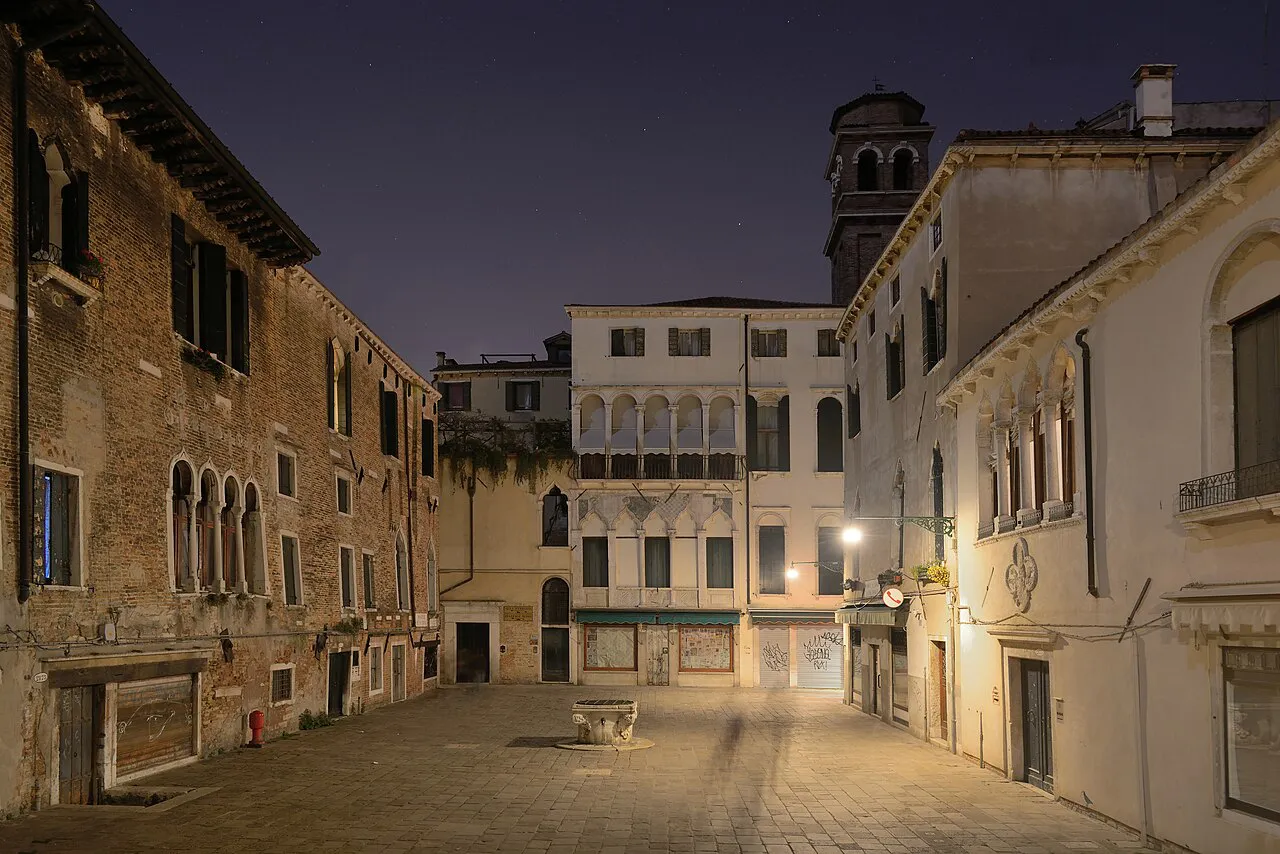
Castello: make the selected setting earn its place
Go Ask A Local describes Castello’s eastern setting as greener and more residential. We would put an address here into the comparison when experiencing that setting is part of the short visit. Judge the candidate against the outing you actually intend to make; the district name alone should not determine how the day will work. A setting-focused preference can be part of a short stay as well as a longer one.
If the hotel’s immediate surroundings are an attraction to you, give that part of the visit deliberate time. If you instead plan to spend nearly every available moment on specific sights elsewhere, compare a candidate chosen for those sights directly. After a late arrival, decide whether the next day should include time around the selected setting or mainly serve the essential outing. Use that plan, the actual hotel entrance and the booked room to settle the choice.
Use conditional examples to compare the final candidates
Suppose you arrive late and leave early after the second night. You could choose San Marco for a palace-led intervening day, leaving the first evening for settling in. Alternatively, an art-focused visitor could select Dorsoduro for the main museum plan and leave the rest flexible. These are different uses of the same booking, with the chosen visit established for the dates before it becomes the centerpiece.
Suppose instead that arrival and departure both leave time you want to use. You could give San Polo an optional Rialto outing, then retain a separate substantial visit on the intervening day; or give Cannaregio a neighborhood outing and an evening. Expand the choice of where to stay when another setting serves the actual plan. Compare luxury hotels if time in the room is itself a priority, giving the planned room time a place alongside the outings and the arrival arrangement.
Choose the address for the stay you actually have
Start with the usable time and the outing you most want to keep. Choose the district as an editorial starting point, then compare actual entrances around arrival, the main visit, any hotel return and departure. Two nights can support different trip shapes; let your own dates and priorities determine which base serves yours.
Frequently Asked Questions
Does two nights always give one full sightseeing day?
Two booked nights do not define the arrival or departure times. Write those down first, then decide what time you want to use on the surrounding days and how to organize the intervening day.
Must a first two-night Venice visit use San Marco?
We would start there when the basilica and palace lead the visit. An art-led or Rialto-led plan can produce a different shortlist. Choose the main outing before applying a first-visit rule.
When would you choose Dorsoduro for two nights?
We would compare it first for an art-led stay. Choose the principal museum visit and its date before making other art activities optional additions. Let that plan guide the hotel address.
Are San Polo and Santa Croce interchangeable bases?
Keep them separate in the search. San Polo can lead a Rialto-focused sightseeing plan; Santa Croce is an arrival-focused candidate. Compare which purpose matters more for the time available.
How should a late arrival affect the hotel choice?
Make the arrival and room-arrival arrangement part of the choice, then organize the main visit around the time you can use. An evening spent settling in need not carry the same sightseeing plan as an earlier arrival.
Sources
You might also like


Continue reading
More guides you'll find useful


.jpg)

