Where to Stay in Venice With a Car: Parking and Hotel Choices
Compare Venice terminal parking with a mainland Mestre stay, using garage height limits and Tritone’s paid offsite parking to choose your hotel base.
AI-assisted guide · Sources and editorial policy
On this page
Choose where the car will stay separately from where you want to sleep. My starting preference for a Venice-focused visit is to compare terminal parking with a hotel in the historic city. If you expect to use the car during the stay or continue the trip on the mainland, compare Mestre with a specifically described hotel-parking arrangement.
Veneto Info explains that the historic center is explored on foot or by water, while Piazzale Roma is a road-arrival terminal. Our where to stay guide helps you choose the neighborhood after settling the car plan. This guide concentrates on the parking entrance, vehicle limits and the difference between parking at a terminal and parking arranged through a hotel.
Piazzale Roma: separate the garage from the hotel entrance
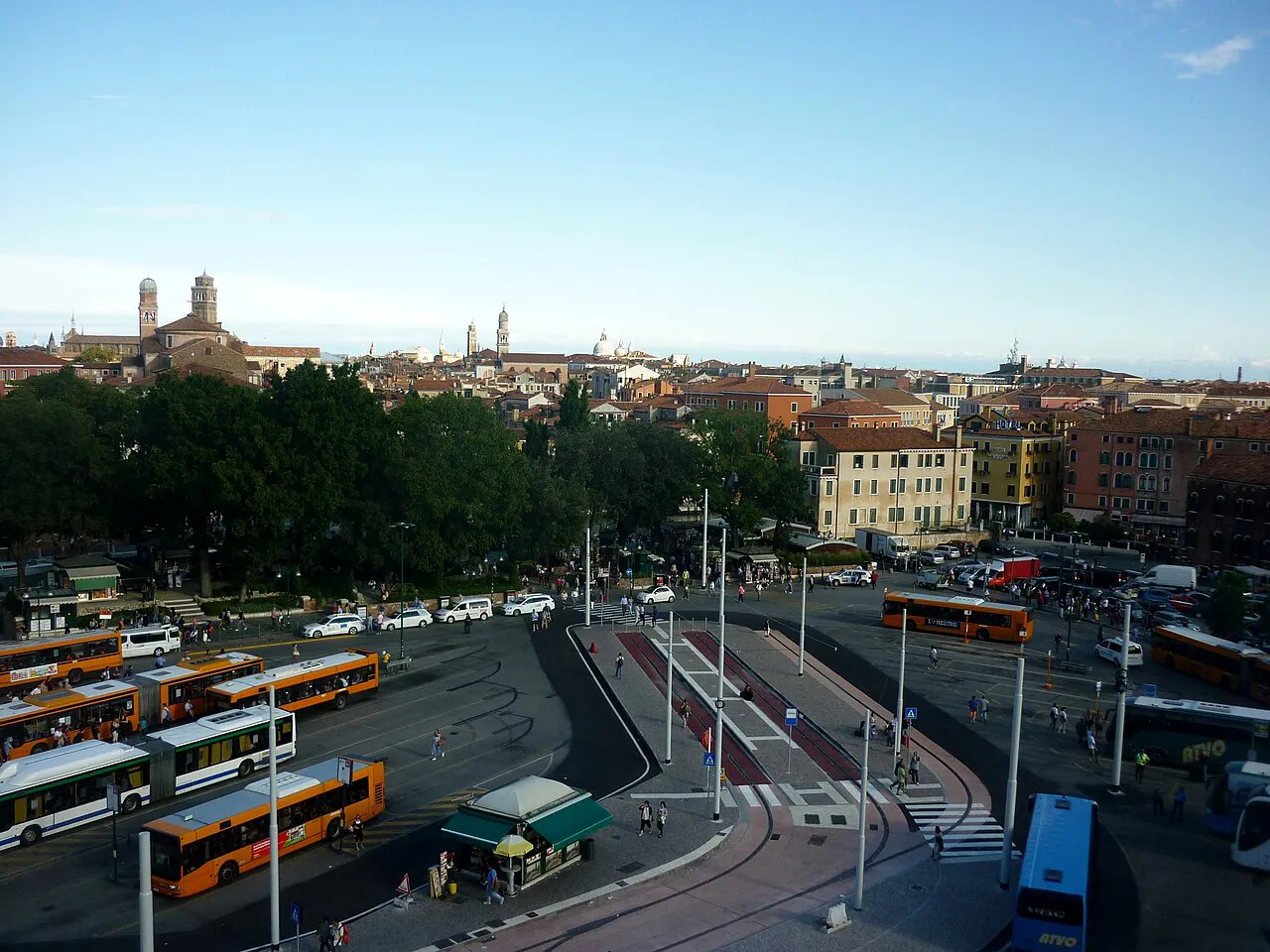
Expert Vagabond identifies Piazzale Roma in Santa Croce as a transport hub. The municipal garage operator AVM places Autorimessa Comunale at Piazzale Roma, Santa Croce 496. That gives you a specific parking address to compare with the accommodation entrance, rather than treating Santa Croce as a district where every hotel can be approached by car.
I would investigate accommodation around the arrival side of the city when luggage handling is the deciding factor. Choose the parking facility first, then examine the final journey to the room. A hotel that suits your sightseeing may still be worth that journey; a hotel chosen primarily for arrival convenience should earn that choice through its actual entrance.
If the car will remain parked throughout the visit, you can choose the bedroom around the Venice experience you want. Our luxury hotels guide compares hotel settings and room choices once the vehicle arrangement is settled. The garage need not decide the atmosphere of every evening, but its location and the final luggage journey should be part of the same plan.
Autorimessa Comunale: a published 2.20-meter car-height limit
AVM’s garage page states a car-height limit of 2.20 meters and opening around the clock throughout the year. It describes advance online reservations with credit-card payment and priority admission. The parking fee must be paid before collecting the vehicle. These are specific operating details; they do not establish the onward transport schedule or a hotel benefit.
Compare the height limit with the vehicle you will actually bring, including anything carried above it. For a rental, resolve the assigned vehicle before deciding that the garage fits. For your own car, include the roof box or other equipment in the comparison. It is easier to settle that choice before arriving than to build the room plan around a facility that may not suit the car.
Keep the parking confirmation with the arrival details. Agree who handles luggage, who deals with the garage and where the group meets next. This turns two separate arrangements into one arrival plan without assuming the hotel manages the parking.
Tronchetto: distinguish covered parking from outdoor areas
Tronchetto’s operator gives a maximum entry height of 2.10 meters for covered parking and says its outdoor areas have no height limit. The car park operates around the clock, with staff present. Payment by cash or card is made before collection, and the operator describes an electric-vehicle charging service. The height wording concerns the parking areas; it does not guarantee every oversized vehicle a space.
For a vehicle above Tronchetto’s covered limit, establish the outdoor arrangement for that particular vehicle. If charging matters, ask about the charging session as well. Choose the actual space and service you need rather than treating outdoor height wording or a charging-service listing as a complete booking arrangement.
Make the final journey to the hotel part of the comparison as well. Veneto Info identifies the People Mover as a connection between Tronchetto and Piazzale Roma. Choose around the actual route you intend to use, including the luggage you will carry. Round-the-clock garage operation and a transport connection are separate facts, so align your arrival with the onward journey.
Mestre: give the mainland stay a clear purpose
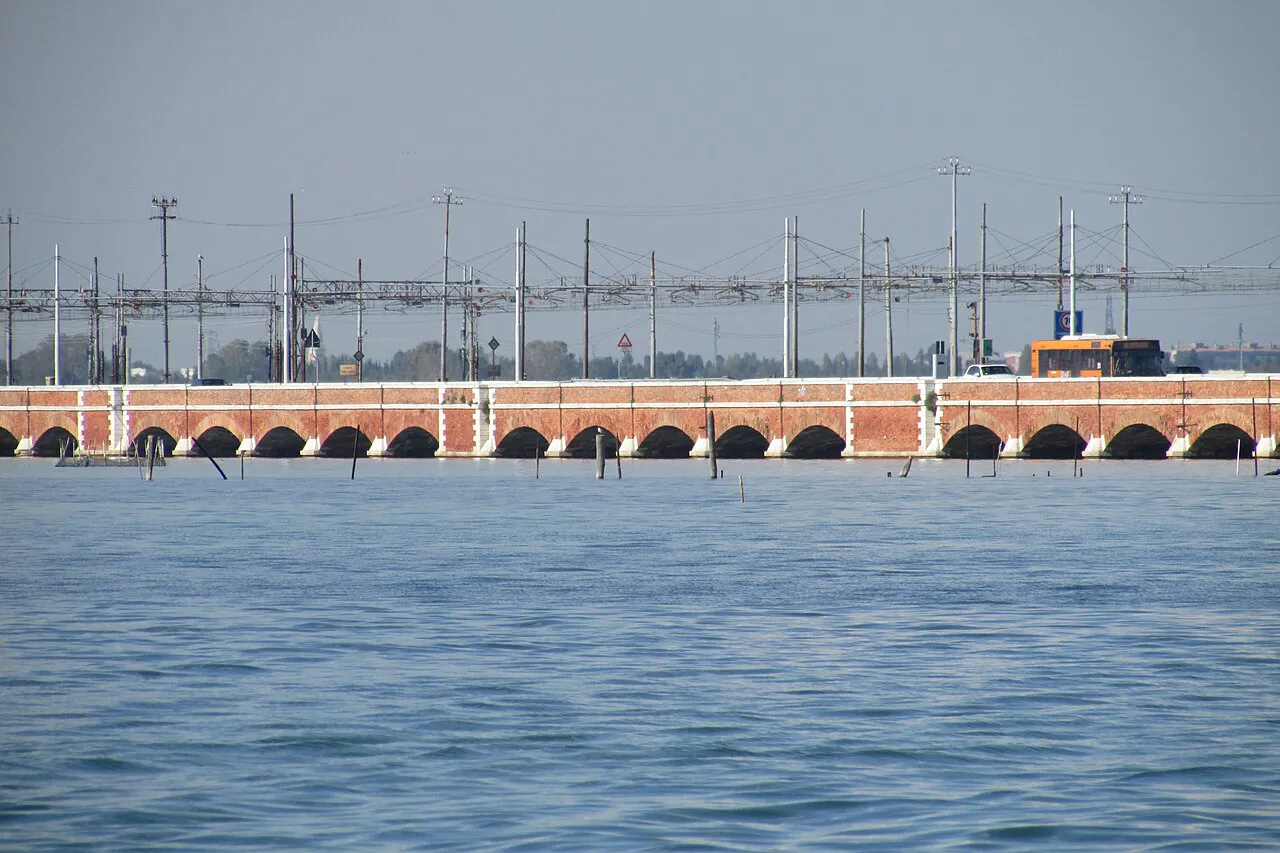
Veneto Info places Mestre on the mainland and describes onward travel to Piazzale Roma by bus or Venezia Santa Lucia by train. It also names parking areas around Via Torino, Ca’ Marcello, Piazzale Candiani and San Giuliano. These are leads for comparing a mainland parking plan, rather than proof that every Mestre hotel has its own garage.
I would begin the mainland hotel search when the car remains part of the holiday, rather than simply the way you reach Venice. An onward driving itinerary or a need to use the vehicle again during the stay can give Mestre a purpose. If all your planned days are in the historic city, compare the repeated onward journeys with leaving the car at a terminal and sleeping there instead.
Compare the actual total arrangement for your dates: the room, parking and travel you intend to use. A mainland label does not settle the overall cost. Nor does the existence of nearby parking explain whether it is included, separate or arranged by the hotel. Resolve the specific vehicle arrangement for each shortlisted property before comparing two hotel options.
Tritone: a station-oriented hotel with paid offsite parking
Best Western’s Tritone page gives Viale Stazione 16 in Mestre and describes the hotel as opposite Venezia Mestre railway station. Its equipment list explicitly states paid offsite parking and offsite electric-vehicle charging for a fee. This is a documented mainland hotel option, but affiliated parking should not be treated as a free garage within the hotel.
I would compare it when the station-oriented setting and a mainland room fit the trip. Treat the offsite parking location as another address in the arrival plan. Decide how you will get from the vehicle to the hotel entrance, when you need the car again and what the separate arrangement means for your luggage. The hotel and the parking facility should each have a clear role.
The same operator lists a Classic category with a queen bed and single bed, and a Superior configuration with a queen bed, two single beds and two connecting rooms. Those are specific room arrangements to compare if your party needs more than one sleeping space. They do not establish permitted occupancy; ask about the exact configuration that fits your party.
Vehicle fit and departure plans should decide close comparisons
Write down the vehicle height and the time you expect to collect the car before choosing between the terminal garages. Then compare the final luggage journey to the hotel. These requirements can outweigh an appealing room if the arrival arrangement does not work, and they can also show when a hotel farther from the car remains the right choice.
On departure day, decide whether the group travels to the garage together with luggage or whether one person collects the car as part of a separately arranged onward journey. Compare that plan before choosing the room. The useful hotel is the one that fits both the first arrival and the final collection.
Fusina and Punta Sabbioni: park-and-boat alternatives to investigate
Veneto Info also identifies Fusina and Punta Sabbioni as mainland park-and-boat alternatives. It discusses Punta Sabbioni in the context of a Venice visit during a coastal holiday. These belong in the comparison when they fit the direction of the wider trip, rather than as interchangeable substitutes for every city hotel and parking plan.
I would investigate this format when the car serves a wider holiday and Venice is one part of it. Work from the parking entrance to the boat departure and then to the accommodation you want. Compare the intended outbound and return journeys before choosing where to sleep. A parking-and-boat lead is useful only when the whole route fits the visit you are actually making.
Make the parking and room choice as one itinerary
Settle whether the car is being stored for a Venice stay or kept available for the rest of the holiday. For storage, compare terminal parking with your preferred historic-city room. For repeated vehicle use, compare a mainland room with a documented parking arrangement. Keep the vehicle fit, hotel entrance and planned collection in the same comparison.
Compare two complete options: terminal parking with the historic-city room you most want, and a mainland room with its exact parking arrangement. For a visit spent entirely in Venice, I would favor leaving the car parked. For a stay with planned vehicle use, give the repeated journey back to the car greater weight.
Choose the car plan before the hotel label
For a Venice-focused visit, I would begin with terminal parking and then choose the historic-city room. For a trip that needs the car again, I would compare a Mestre stay with the exact vehicle arrangement. A documented parking address and a suitable room make a stronger decision than assuming either a whole district or a hotel name explains where the car will go.
Frequently Asked Questions
Can I automatically drive to a hotel in Santa Croce?
No. Piazzale Roma’s terminal parking does not establish vehicle access to every hotel in the district. Compare the named garage entrance with the actual accommodation entrance and plan the final luggage journey.
How do the two published garage-height limits differ?
Autorimessa Comunale lists a 2.20-meter car-height limit. Tronchetto lists 2.10 meters for covered parking and no height limit outdoors. Outdoor wording does not guarantee every oversized vehicle type or a space for your visit.
Does round-the-clock parking mean round-the-clock onward transport?
No. The garage’s operating hours and your onward journey are different arrangements. Match the intended arrival and collection with the actual transport you plan to use; a parking opening statement does not set a boat or People Mover schedule.
Is Hotel Tritone’s parking free and onsite?
Its Best Western equipment list states paid offsite parking and offsite vehicle charging for a fee. Include that separate facility in the hotel arrival plan rather than treating affiliated parking as an included hotel garage.
Does Tronchetto list electric-vehicle charging?
Yes, Tronchetto’s operator describes a charging service. Ask the operator for the charging terms and session arrangement you need; a service listing is not a promise of free charging.
When would I choose Mestre over sleeping in historic Venice?
I would compare Mestre when the car remains part of the stay or onward holiday. For days devoted entirely to Venice, compare the repeated onward journeys against leaving the car at terminal parking and choosing a room in the historic city.
Sources
You might also like


Continue reading
More guides you'll find useful