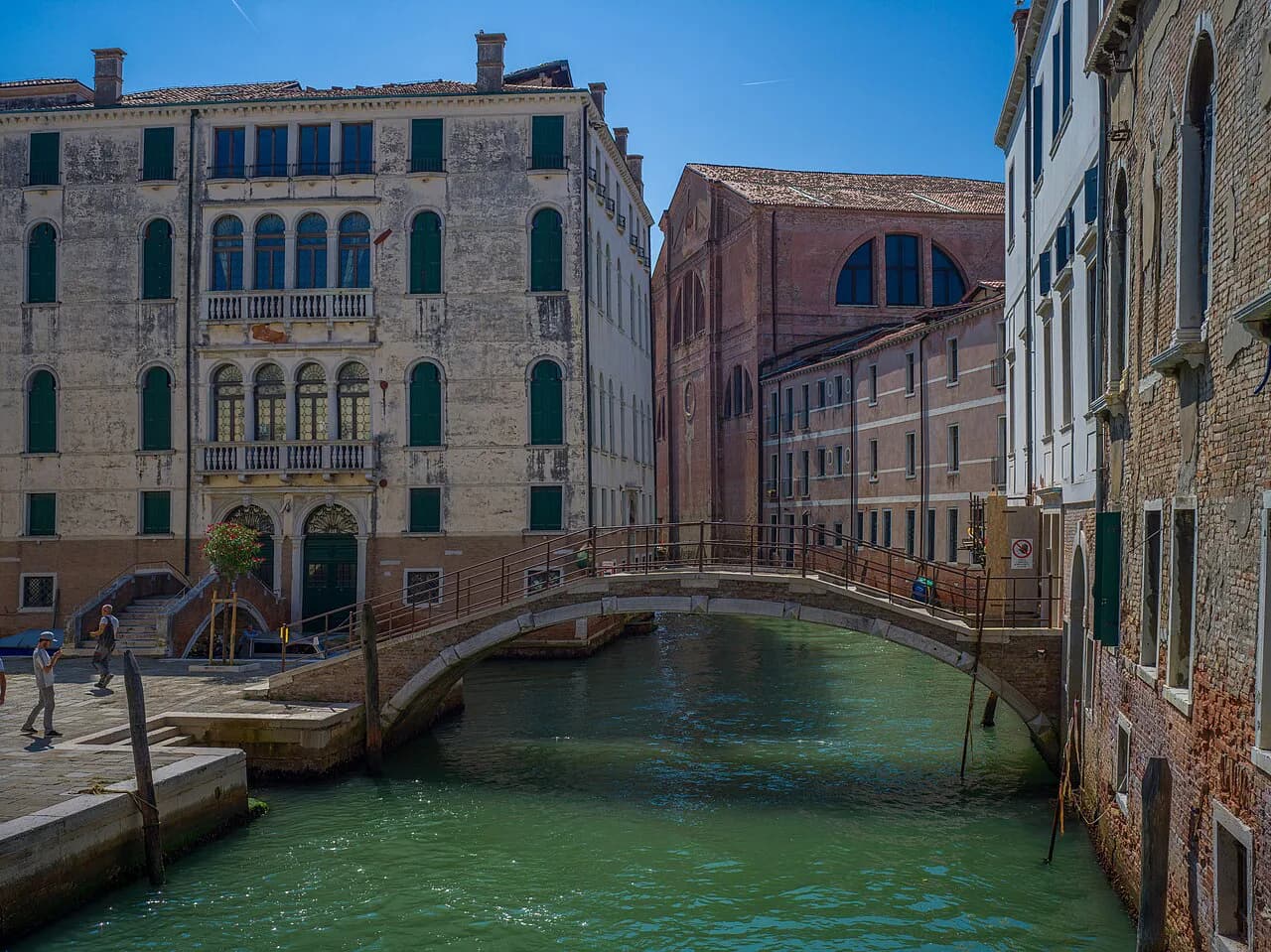
Where to Stay in Venice for First Timers: Choose Your Priorities
Choose a Venice base for a first visit around San Marco landmarks, Rialto and Frari, Dorsoduro art or Cannaregio evenings, with arrival as a separate preference.
AI-assisted guide · Sources and editorial policy
On this page
For a first visit to Venice, start by comparing San Marco and San Polo for a sightseeing-led stay. Add Dorsoduro for an art priority or Cannaregio for an evening-led one. Keep Santa Croce as an arrival-focused alternative and investigate Castello if the setting appeals. These are editorial starting points: choose the outing and the return setting before narrowing the hotel search.
Choose what you most want to experience, then decide what you want to return to afterward. Those can be different preferences: a substantial museum visit followed by a flexible evening, or repeated time around a favorite landmark. The recommendations below are editorial starting points for that choice. The actual hotel entrance and booked room complete it.
Choose the visit you want before choosing the district
Write down the outing that makes Venice worth the trip to you: perhaps a Doge’s Palace visit, a Rialto outing or a substantial museum visit. Decide which is a real personal interest and which entered the list mainly because this is your first visit. Give the personal interest the greatest weight. Then choose a second outing that would make the stay better, while keeping clear which one should lead the address decision.
Next decide whether you want to return to the room between outings or head directly into the evening. A traveler who wants a break after the principal visit is asking a different question from someone who wants the return itself to end the day. Use that distinction to choose the first candidate address. Keep another candidate for the competing interest, so the final choice reflects a preferred routine rather than the district name you recognized first.
San Marco: choose the basilica or palace as the anchor
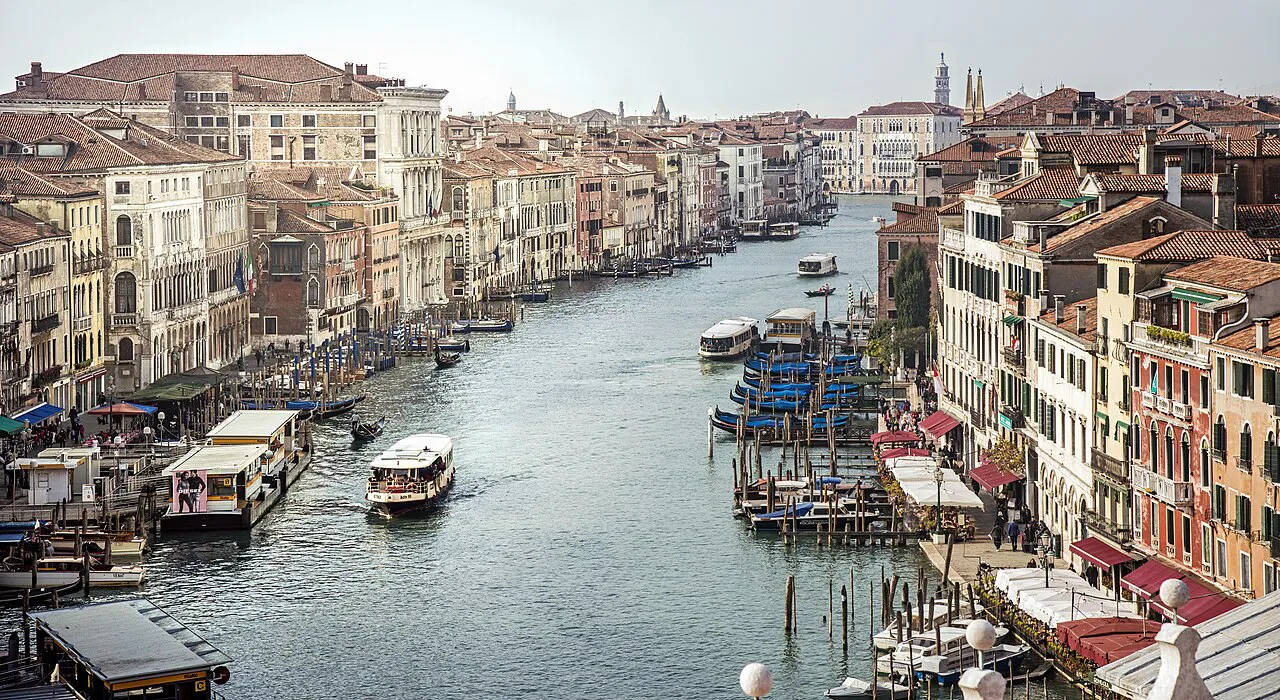
Travel Lemming places St. Mark’s Basilica, Doge’s Palace, the Bridge of Sighs and Campanile di San Marco in San Marco. We would start a hotel search here if one of those landmarks is the principal reason for the first visit. Decide whether you want a substantial interior visit, time around the landmark setting or both, then give the chosen experience its place in the plan.
A palace-focused traveler could compare an address chosen for that visit with one chosen for the evening afterward. Someone who wants to return to the same landmark setting could instead give that repeated outing more weight. Those are different reasons to select the area. Choose San Marco deliberately for the experience you want, giving both the principal visit and the preferred end to the day a place in the address comparison.
San Polo: let Rialto, Frari or San Rocco shape the choice
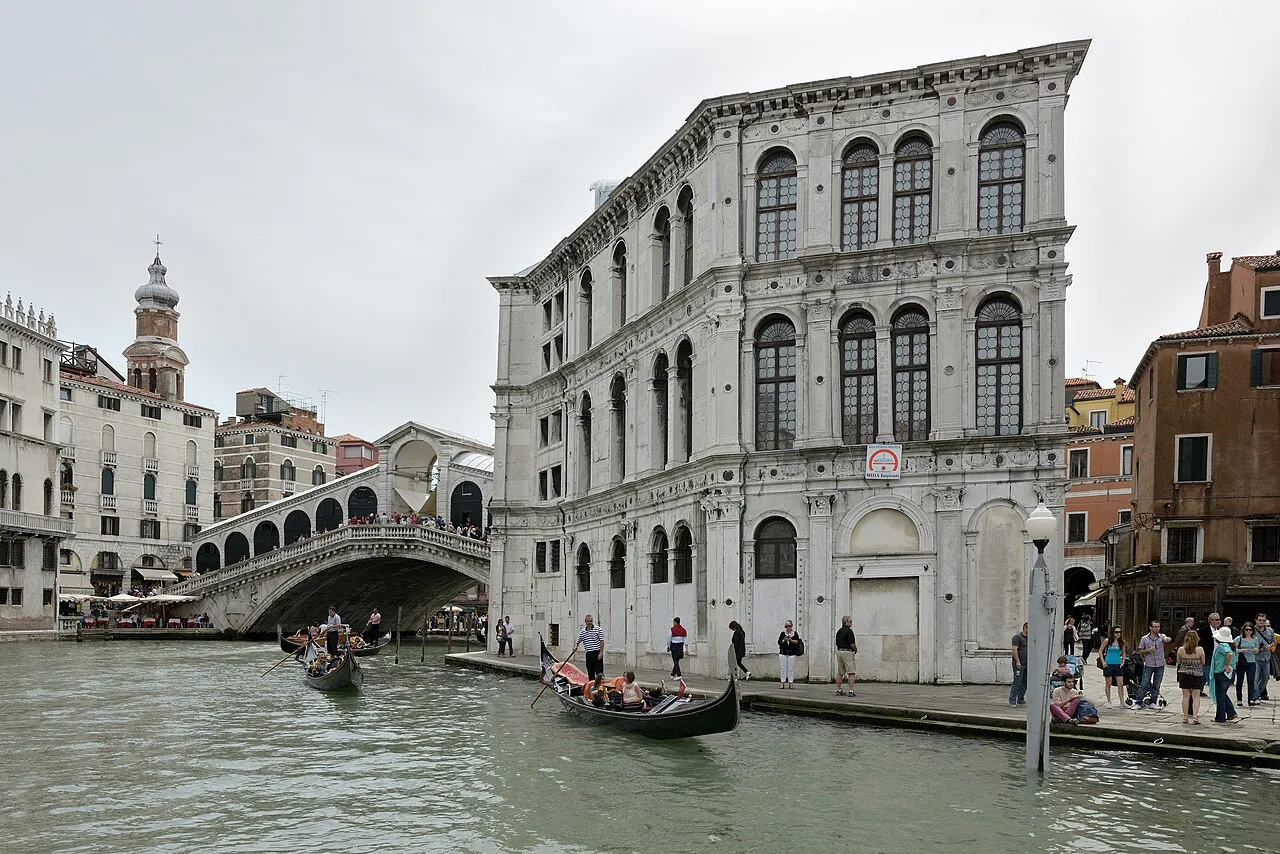
Travel Lemming identifies the Rialto Market, Frari Basilica, Scuola Grande di San Rocco and Campo San Polo as San Polo interests. It describes the Rialto Bridge as connecting San Polo with San Marco. We would use those references to create a different first-visit shortlist from a basilica-and-palace plan, especially when exploring Rialto or giving a church and art visit attention is what you most want.
Decide whether you picture an exploratory outing or a substantial visit to a particular place. If the market-area outing is the main attraction, let that preference lead the search; if Frari and San Rocco matter more, compare the candidate against those visits instead. San Polo can supply interests of its own, rather than serve only as a compromise with another district. Select the place you expect to revisit or the outing after which you would most want a room break.
Santa Croce: keep arrival separate from sightseeing
Travel Lemming’s initial area summary recommends Santa Croce for easy transportation and lists San Polo separately. We would investigate Santa Croce when the arrival arrangement is the main competing preference to your sightseeing choice. Use the actual arrival point and accommodation entrance in that comparison. The transport-led starting point is useful without treating San Polo and Santa Croce as a single interchangeable hotel location.
For a first visit, decide whether you want the arrival to determine the address or whether you are comfortable arranging it around the main outing. If you are deciding between an arrival-led candidate and a sightseeing-led one, give each a clear purpose: settling in and leaving, versus the visit you hope to repeat. Keep the first journey, any planned return to the hotel and the departure visible in the choice. A combined area label would conceal the preference you are trying to resolve.
Cannaregio: choose an evening you want to return to
Go Ask A Local names Fondamenta della Misericordia and Fondamenta degli Ormesini as Cannaregio evening references. It describes bacari, traditional Venetian wine bars, and cicchetti. We would use those named streets when choosing an evening-led alternative to a landmark-centered address. Decide whether spending time in that setting is part of why you are visiting, rather than leave the evening as an afterthought to the daytime list.
The guide also identifies the Jewish Ghetto and Strada Nuova within Cannaregio. You could give one of those interests a separate outing while retaining the evening as the address priority. Alternatively, choose the address for the principal daytime visit and make an evening elsewhere an outing of its own. When the bar streets lead the shortlist, ask about the booked room’s position relative to them if sleep is important. An evening preference and a bedroom preference both deserve a place in the decision.
Dorsoduro: make art the reason for the base
Go Ask A Local identifies the Accademia and Guggenheim museums in Dorsoduro, across the Grand Canal from San Marco. We would begin here for a first visit primarily motivated by art. Decide which museum you most want to spend time in before adding other sights to the itinerary. That turns an art-led district recommendation into a specific accommodation-search purpose.
If you want a substantial museum visit, compare a candidate chosen for that outing with one selected for what you want to do afterward. A brief gallery stop within a larger monument itinerary could carry less weight in the base decision than a visit that is the main reason for the trip. Establish the selected visit’s date and admission arrangements before building the stay around it. Give the main art visit the greatest weight, with an optional gallery stop kept as a separate addition to the stay.
Castello: investigate the setting of a particular address
Go Ask A Local describes Castello’s eastern setting as greener and more residential. We would investigate it if experiencing that kind of setting is a meaningful part of your first visit. Put the candidate beside the places you actually intend to use, then decide whether returning to the selected surroundings is an attraction in its own right. The setting preference should have a clear role in the trip.
For example, a traveler who wants the accommodation surroundings to form part of the visit may choose differently from one whose interests are concentrated on a particular museum or palace. Give the address a defined purpose before adding it to the shortlist. If time around the setting is only a vague possibility, the main outing may deserve more weight. If it is something you actively want, retain the candidate and compare the booked room with the competing option.
Compare the addresses by what you want to return to
Give the final candidates different reasons to choose them: one for the leading visit, another for the return setting or arrival preference. Imagine finishing the museum you chose: would you want to return to the room, continue exploring or head into the evening? For a Rialto-led stay, decide whether the address serves an exploratory outing or a place you expect to revisit. Choose the routine you actually want to follow, then use the competing candidate to test that preference.
For a wider choice of where to stay, broaden the search when a different setting answers a real preference. If time in the room is a main attraction, compare luxury hotels alongside the location decision, using the actual booked room’s features. Keep the room preference and the intended outings in the same comparison. A first visit can be sightseeing-led, art-led, evening-led or accommodation-led; make the address serve the one you have chosen.
Give the first hotel search one clear purpose
Choose the leading outing, decide what you want to return to and compare the actual candidates around those preferences. Keep arrival as a separate consideration, especially when it competes with the sightseeing choice. The district gives the search a starting point; the address and booked room should explain why you selected the hotel.
Frequently Asked Questions
Does every first-time Venice visitor need to stay in San Marco?
We would start there when the basilica or palace leads the visit. A different main interest can lead to another shortlist. Choose the outing and preferred return setting before treating a district as mandatory.
When would you compare San Polo for a first visit?
We would investigate it for a Rialto-led visit or when a Frari and San Rocco outing matters. Decide which experience you want to emphasize, then compare the address with a candidate selected for a different preference.
Should San Polo and Santa Croce be one hotel search?
Keep the choices separate. Use a San Polo candidate for its sightseeing purpose and a Santa Croce candidate for an arrival-focused comparison. Decide which purpose should lead the search.
Which interests would lead you to consider Dorsoduro?
We would begin there when an art visit is the main reason for the trip. Choose the principal museum visit before letting optional activities determine the address, and consider what you want to do afterward.
Does trip length alone determine the first-visit base?
Choose the activity you most want to retain and how you want to use the address. Arrival, hotel returns and the preferred evening can change the choice even when the number of booked nights stays the same.
Sources
You might also like


Continue reading
More guides you'll find useful