
La Latina Neighborhood Madrid: Choose Your Base and Room
Decide whether central La Latina fits your Madrid stay by comparing tapas streets, markets, cultural outings and a documented Cava Baja hotel room choice.
AI-assisted guide · Sources and editorial policy
On this page
We would shortlist La Latina for a Madrid stay when you want to spend part of the trip enjoying the neighborhood around the accommodation. Start with the outing that interests you most, then choose the address and room together. The useful decision is whether this particular setting serves your plans.
A food-led evening, market browsing and a culture-led afternoon give different reasons to stay here. This guide considers those choices alongside a specific local lodging example. If you are still comparing districts, our where to stay guide covers the wider Madrid decision before you narrow the search to La Latina.
Choose central La Latina, rather than the separate Latina District
Madrid’s official nightlife description places La Latina in the Central District and distinguishes it from the Latina District across the Manzanares River. Keep that difference in mind when searching accommodation: the neighborhood intended here is the central La Latina setting.
The official neighborhood guide names neighboring Habsburg, Sol–Gran Vía, Lavapiés and Madrid Río. Use those geographic references to compare the address with your planned outings.
Choose the central neighborhood for activities you actually want to include. A visitor who plans to spend an evening here and a visitor who expects to return for several neighborhood outings may make different accommodation decisions. Name the part of the trip you want this base to support before looking at room photographs.
Cava Alta and Cava Baja: make the food plan specific
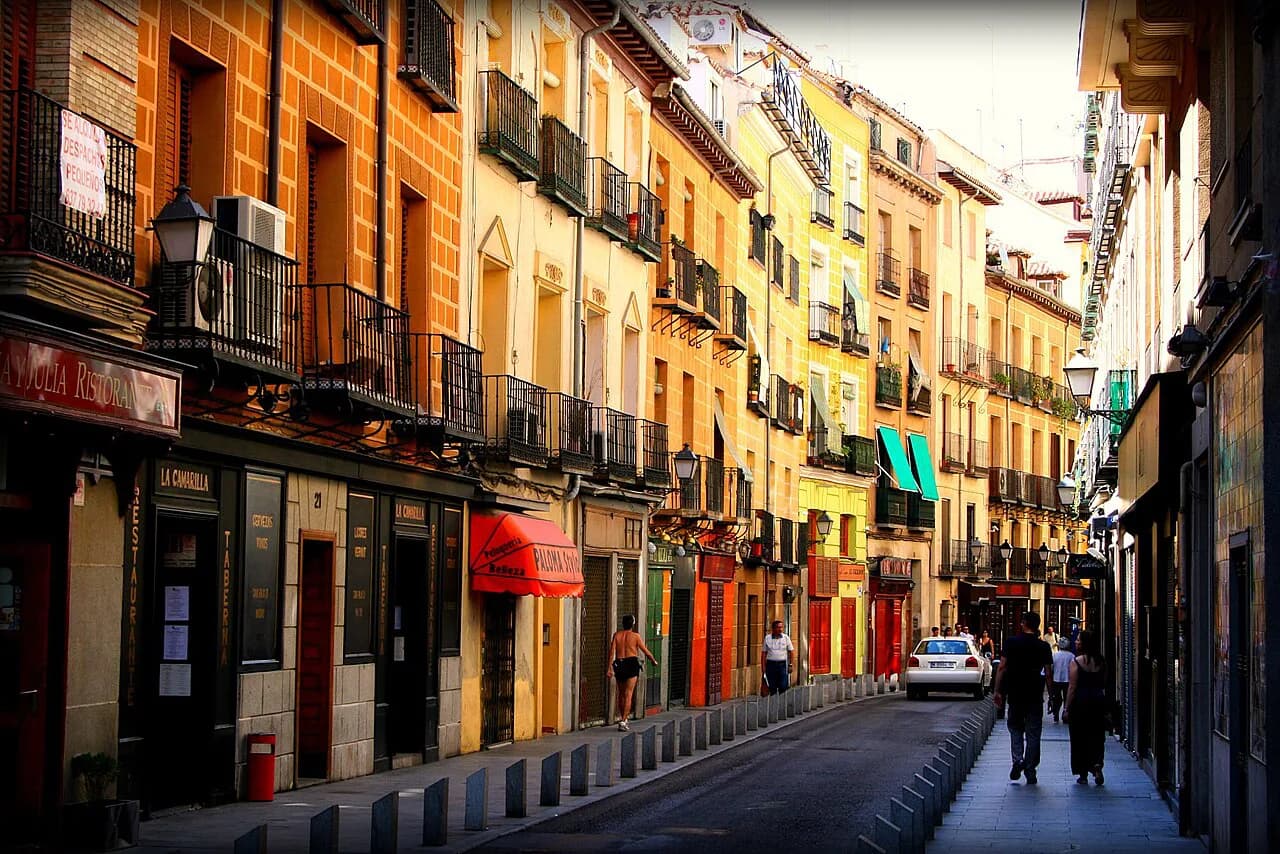
The official neighborhood guide identifies Cava Alta and Cava Baja as streets that formerly housed inns and guest houses and now form part of the area’s dining scene. We would use them as reference streets for a food-led accommodation search, without turning a neighborhood recommendation into a ranking of restaurants.
Decide whether your ideal evening involves trying different places or sitting down for a particular meal. For the first approach, the appeal is having a named dining area to explore. For the second, the restaurant you want should remain a separate decision: liking the neighborhood does not reserve a table or determine the menu.
For companions with different interests, agree on how often food should lead the evening. One traveler might want to devote several outings to that plan while another wants it only once. That difference matters more to the base decision than describing every tavern as a must-visit stop.
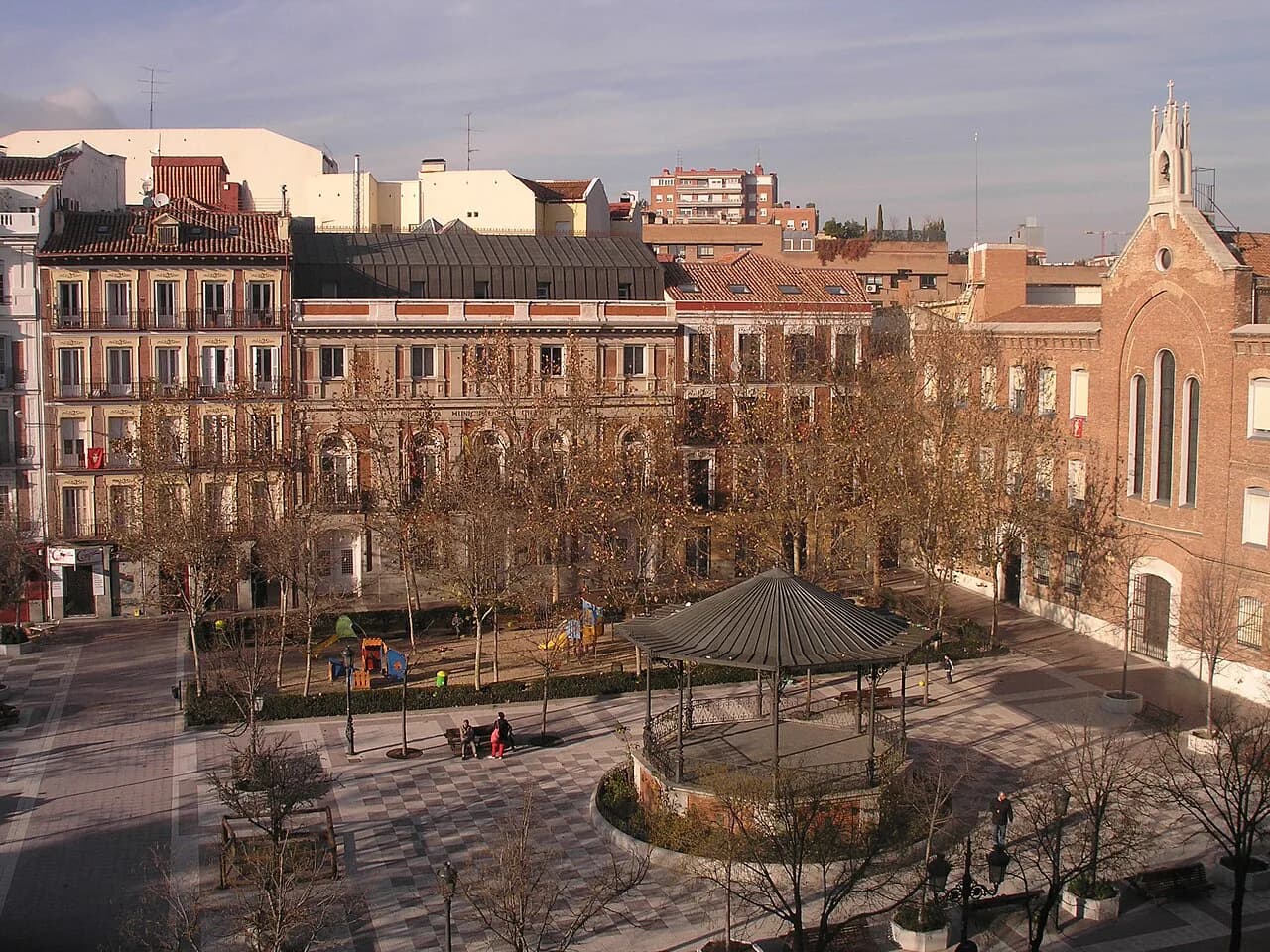
Use the squares to understand the street setting
The city guide describes narrow, winding streets that usually lead to squares. It links the commercial past to Plaza de la Cebada, meaning Barley Square; Plaza de los Carros, Carriage Square; and Plaza de la Paja, Straw Square. These names give your neighborhood exploration a specific local theme.
When comparing accommodation, identify which named street or square you want to use as your starting point. This is an address choice, not a prediction that every plaza-facing room is noisy or every interior room is quiet. A street description helps locate the stay; the room’s suitability needs its own decision.
For a history-led outing, make those squares part of the plan rather than collecting every landmark in one attempt. You could choose a particular square as the focus for an unhurried neighborhood afternoon. If the commercial history interests you only briefly, give more weight to the lodging feature you will use throughout the visit.

El Rastro: distinguish market day from everyday shopping
The city’s dedicated El Rastro description distinguishes the Sunday and public-holiday flea market from the surrounding shopping area. It places the market’s hub at Plaza de Cascorro, near Calle de la Ribera de Curtidores, and identifies specialist shops in the wider area. That gives browsing a particular destination rather than a vague neighborhood promise.
If the street market is a major reason for your stay, make sure the intended visit belongs on your calendar. If you are more interested in shops, decide which kind of browsing you want to do. A market-day plan and a shop-focused plan are related interests, but they do not depend on the same event.
If you enjoy examining objects, leave room in the plan for browsing. If you mainly want a brief look, give it a smaller role in the itinerary. Staying here makes sense when that outing matters to you; it does not require organizing every day around the market.
Mercado de la Cebada: a food-shopping plan in a market hall
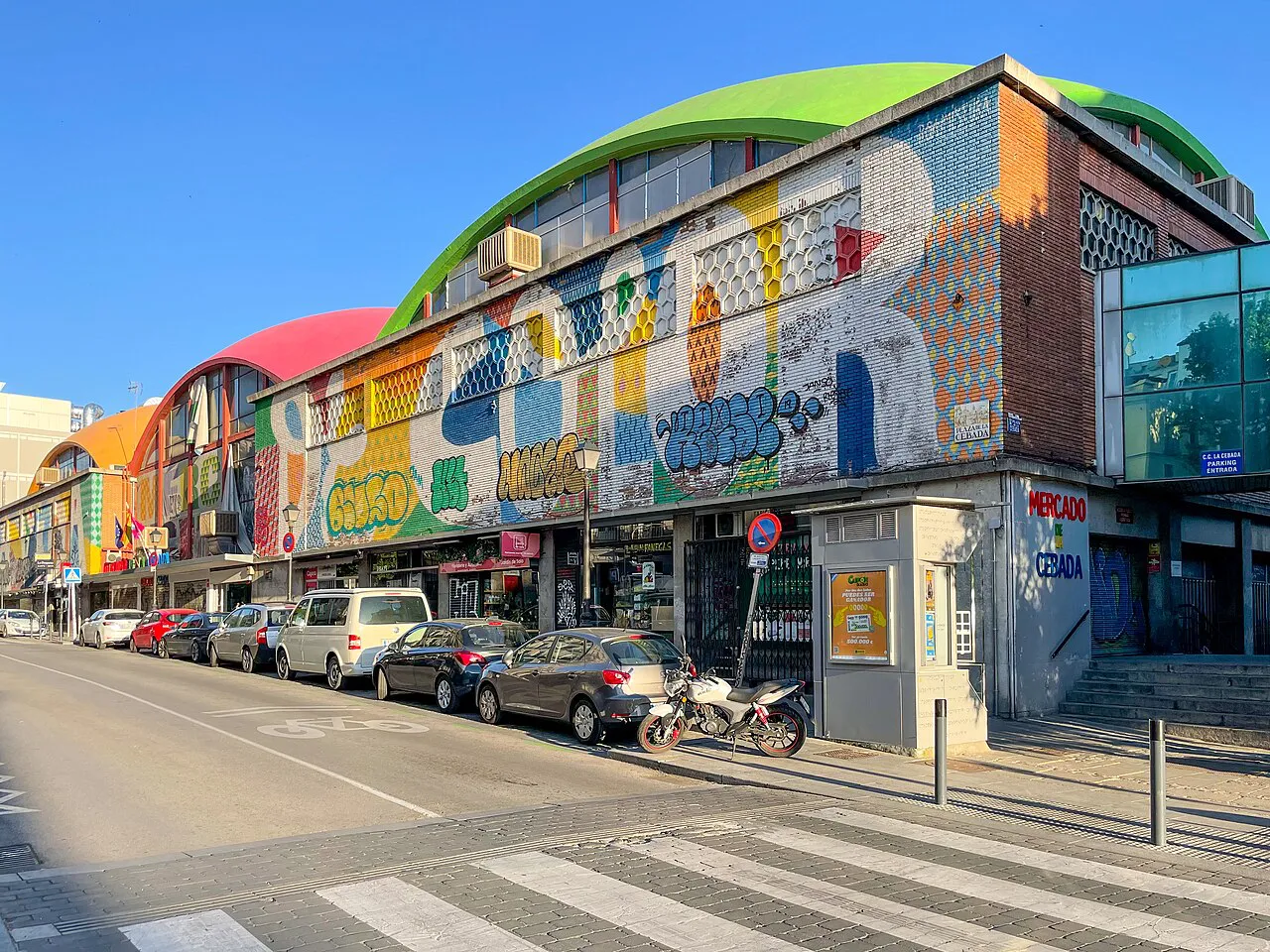
The official Cebada Market description identifies a market hall with two commercial floors. It lists food stalls selling meat, fruit, fish and other produce alongside businesses such as florists and cosmetics shops. We would consider it for a food-shopping outing, distinct from browsing the El Rastro street market.
If buying ingredients is part of your plan, choose accommodation that suits what you intend to do with them. Someone wanting to prepare a meal needs a different room arrangement from someone who only wants to explore the stalls. Establish the kitchen and food-storage requirements of your own booking before building a cooking routine around a nearby market.
For a group, agree whether the market outing is about shopping for a meal or enjoying the experience of looking around. That makes the accommodation decision clearer: a traveler planning to cook has a practical requirement to resolve, while a traveler planning a short visit may give another room feature greater priority.
Culture and garden interests give the day a different focus
The official neighborhood guide describes the Museum of San Isidro through Madrid’s archaeological and cultural heritage. It also places Príncipe de Anglona Garden at a corner of Plaza de la Paja. We would consider these as different starting interests for a culture-led or garden-led neighborhood outing.
Choose the kind of visit you want to give time to. A museum interest can involve concentrating on one subject, whereas a garden interest may be about setting aside an outdoor pause. Build your day around the experience you want instead of treating both as boxes to tick between meals.
If these interests belong to different members of the party, decide whether you want to explore together or allocate separate plans. A shared base can support different outings without everyone following an identical checklist. Confirm the current arrangements for the particular visit before assigning it a fixed place in the schedule.
Posada del Dragón: a documented Cava Baja lodging example
Posada del Dragón’s operator places the hotel in La Latina and gives its address as Cava Baja 14. Its description links the room designs to Madrid’s Arab and Castilian origins through to vintage and contemporary styles. We would investigate it when you want the accommodation’s design to form part of the neighborhood stay.
The dedicated Double Room with Balcony page lists a double bed, private balcony, air conditioning and rain shower. This gives a specific category to investigate when private outdoor space belongs on your room shortlist, rather than assuming a historic neighborhood supplies the same accommodation features everywhere.
The practical question is how you would use that space. If stepping outside while staying with the room is part of your preferred routine, keep the balcony in the decision. If you plan to spend most of the day away, the bed arrangement or another essential requirement may deserve more attention.
This is a local example to assess, not an exhaustive hotel ranking. If you are comparing luxury hotels as well, separate the service requirements from the appeal of staying on a particular street. Decide which part of the experience you want to prioritize before choosing between different kinds of accommodation.
Corrala Interior: decide whether fixed windows suit the stay
The operator’s Corrala Interior Room description explicitly says these are interior rooms with windows that do not open and artificial ventilation. That is a concrete accommodation distinction to consider before selecting the category, especially if opening a window is part of your preferred room routine.
Someone comfortable with that arrangement can assess the room against the rest of the requirements. Someone who wants to open a window should resolve that preference before booking. An interior label does not decide the whole experience: concentrate on the actual feature that would affect your use of the accommodation.
For a shared room, discuss that preference with your companion rather than assuming it is a minor detail. A category that suits one traveler may conflict with another’s expectations. Resolve the window and ventilation question alongside the bed arrangement so the lodging supports the party’s routine as well as the neighborhood plan.
Choose the outing, address and room together
La Latina belongs on the shortlist when its local outings are part of what you want from Madrid. Choose the activity that would draw you back to the neighborhood, then assess the address and the accommodation category together. A useful base is one that supports your actual plans while meeting the room requirements you will use every day.
Frequently Asked Questions
Is central La Latina the same as the Latina District?
No. The official nightlife description distinguishes central La Latina from the Latina District across the Manzanares River. Make sure your accommodation search refers to the central neighborhood intended here.
Is Mercado de la Cebada an outdoor courtyard market?
The current city description identifies a market hall with two commercial floors. Treat it as a different food-shopping outing from the El Rastro street market.
Is the El Rastro flea market only a Sunday event?
The official description lists Sundays and public holidays. Plan the intended market visit around your travel dates and distinguish it from a visit to shops in the surrounding area.
Which local hotel has a documented Cava Baja address?
Posada del Dragón gives its address as Cava Baja 14. Assess the particular accommodation category against your requirements, rather than choosing solely because the street belongs in your itinerary.
Can you open the windows in Posada del Dragón’s Corrala Interior?
The dedicated room description states that the windows do not open and the rooms use artificial ventilation. Resolve whether that arrangement suits you and your companion before reserving the category.
Sources
- La Latina official neighborhood: geography streets named squares gardens and culture
- Cebada Market official description: market hall and two floors of food and other stalls
- La Latina in Central District distinct from Latina District: municipal nightlife setting
- El Rastro official dedicated page: Sunday/public holiday flea market and shopping geography
- Posada del Dragón operator: La Latina hotel at Cava Baja14 and historically inspired design
- Posada del Dragón Double Room with Balcony: actual room information
- Posada del Dragón Corrala Interior: non-opening windows and artificial ventilation; conflicting balcony icon excluded
You might also like

Continue reading
More guides you'll find useful

.jpg)

