Best Area to Stay in Madrid for Nightlife: Choose Your Scene
Compare Malasaña for rock and indie, Chueca for LGBTQ nightlife and cocktails, and La Latina for tapas and flamenco before choosing your Madrid accommodation.
AI-assisted guide · Sources and editorial policy
On this page
We would begin with Malasaña for rock and indie interests, Chueca for LGBTQ nightlife and cocktails, or La Latina for tapas and a flamenco plan. These are editorial choices tied to the kind of evening you want. Pick the scene you would enjoy returning to, then choose accommodation around that purpose.
A spontaneous night of music and drinks asks something different of a base from a particular performance you intend to attend. Likewise, a group sharing the same bedtime has different room priorities from friends returning separately. Start with the evening’s main attraction and the party’s routine; let those decisions guide the address comparison.
Malasaña: start with the music you want
The Solo Travel in Style Blog recommends Malasaña as its nightlife area. Madrid’s municipal nightlife guide associates the neighborhood with rock and indie while also describing electronic and pop options. We would start here if the music itself is central to the trip, using that range to shape a shortlist rather than expecting the same sound everywhere.
Decide whether you want a particular band or DJ, a style of music, or simply an evening that can develop as you go. A traveler with a specific act in mind should let the actual performance drive the venue choice. For someone happy to explore a style, the neighborhood can be the starting point. Give the stay a clear musical purpose: one favorite show may justify an outing, while repeated interest in the scene may justify choosing the base around it.
Malasaña: use its squares and streets to choose an address
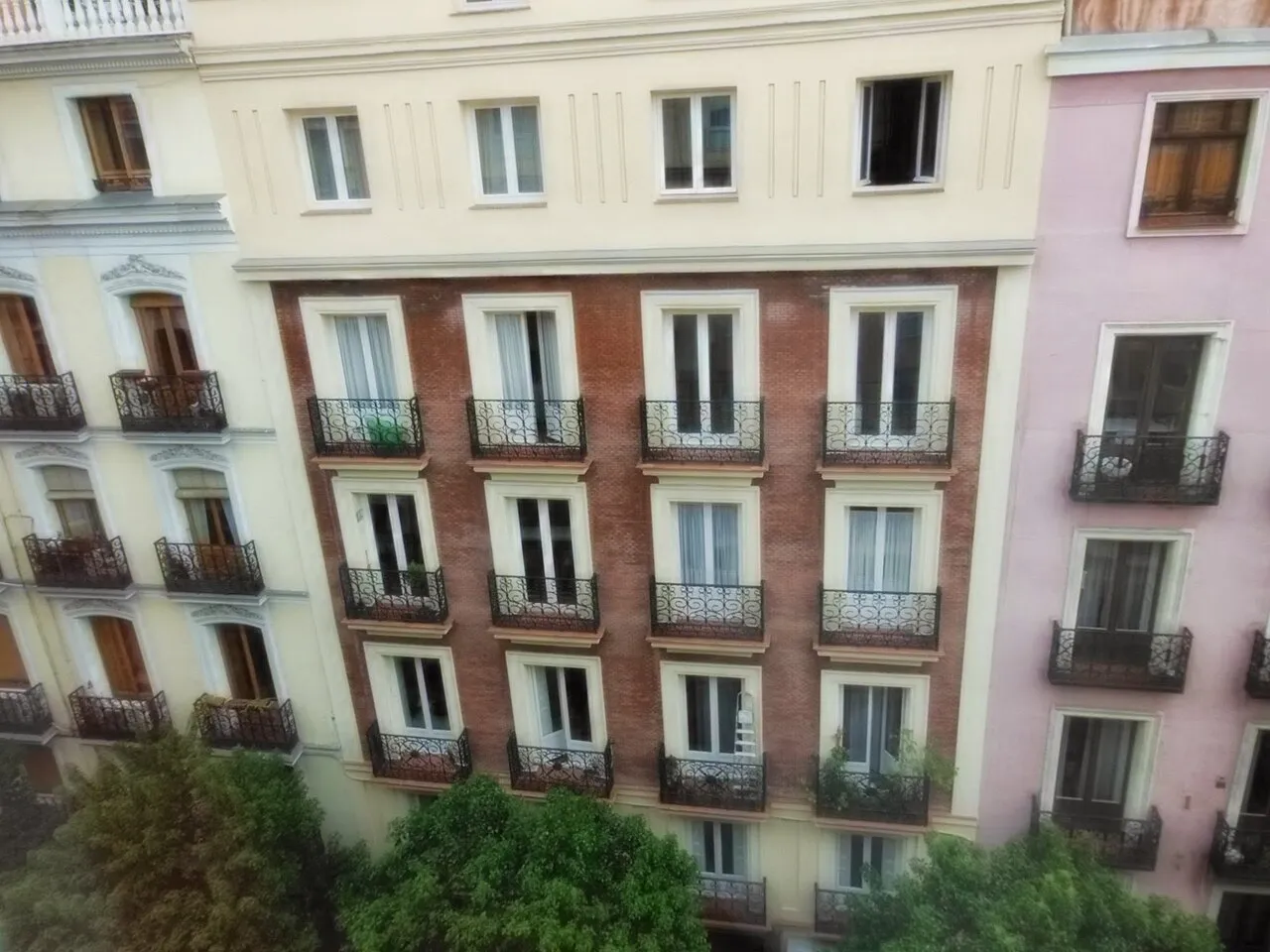
The municipal neighborhood page bounds Malasaña by Gran Vía to the south, Fuencarral to the east, Carranza to the north and San Bernardo to the west. It identifies Plaza del Dos de Mayo as a nightlife focus and names Valverde, Barco and San Vicente Ferrer as streets around evening venues. These are concrete reference points for comparing candidate addresses.
Give a reference point a reason to matter. You might prefer to begin the evening around a square, or want the particular street containing the venue you intend to visit to organize the stay. Compare each accommodation address with that chosen place rather than accept the neighborhood label alone. The boundary helps define the search, while your preferred starting point refines it. Decide which side of the area serves your own plan before selecting an offer.
Malasaña: consider a cocktail or café-led evening
The municipal nightlife page also lists 1862 Dry Bar and Macera Taller Bar among cocktail options, and describes Café Manuela with board games. We would consider those leads when conversation or a shared game appeals more than organizing the whole evening around dancing. Choose the activity first, then look at the actual venue offering for the occasion.
This can change the role of the base. For a hypothetical group wanting a game followed by a drink, you could make the first activity the evening’s anchor and leave the later decision open. For a music-focused traveler, a drink might instead be an addition before or after the main outing. Staying in the same neighborhood need not mean planning the same kind of night. Give each stop a purpose rather than add venues simply to fill the itinerary.
Chueca: LGBTQ nightlife, live performance and cocktails
Madrid’s nightlife guide connects Chueca’s scene to the LGBTQ community and describes it as open to wider visitors. It names Intruso Bar for concerts, comedy and DJ sets, and Libertad 8 at Calle Libertad 8 for its singer-songwriter association. We would investigate Chueca when that scene or a live-performance interest belongs at the center of the stay.
The same guide lists Coctelería Del Diego, Harveys and Momus Bar as cocktail options. A hypothetical evening could therefore be built around a performance you want to hear or a cocktail venue you want to try. Decide which experience earns a definite place in the plan and which can remain flexible. Use the current program or offering to refine that choice before making a particular venue the reason for the accommodation address.
For friends with different preferences, agree on what you want to share. Perhaps the performance is the shared outing but the drinks afterward are optional; perhaps everyone prefers conversation to a show. Choose the location around the part of the night that matters to the party. A neighborhood’s scene describes the setting you are investigating; each person’s preferred experience still needs its own place in the plan.
La Latina: tapas, live music and a flamenco plan
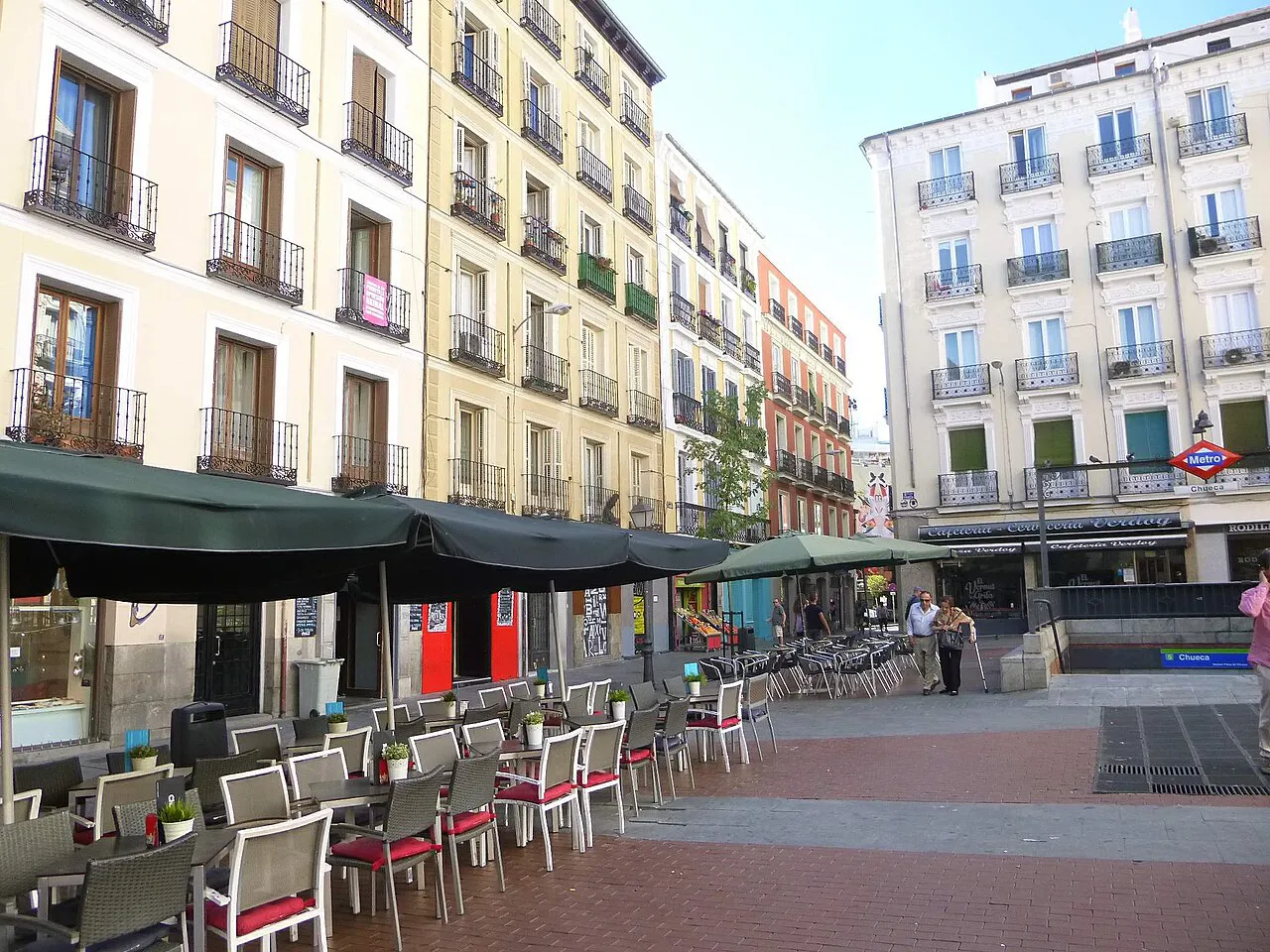
The municipal guide places La Latina in Madrid’s Central District, distinguishing it from the Latina District across the Manzanares. It describes terraces and tapas bars alongside bars, clubs and flamenco venues. We would investigate this neighborhood when eating and a performance are the evening’s priorities, using the intended show or venue to refine the address choice.
Named music leads include Contraclub, with jazz, hip-hop and flamenco, and El Rincón del Arte Nuevo, with comedy and singer-songwriter performances in a small café. The guide also identifies El Corral de la Morería as a flamenco venue. Choose between a music or comedy interest and a dedicated flamenco plan, then investigate the actual performance that attracts you.
Let that preference determine how much of the evening to organize in advance. If a particular show is the reason for going out, it can anchor the accommodation comparison and the meal plan. If your priority is food and conversation, keep the performance optional rather than make it a compulsory extra. The useful distinction is between a stay built around an outing you care about and a stay designed to leave the evening open.
Decide whether a performance should anchor the stay
A named venue is useful when it answers a real interest, especially if attending a particular performance is the reason for the trip. Establish the event you want before comparing accommodation around it. Then decide whether other evenings would also use that setting or whether the performance belongs as one separate outing. The importance of the occasion matters more than an arbitrary number of nights.
Imagine two friends wanting a rock outing and a singer-songwriter performance during the same visit. They could choose the base around the music they hope to revisit, with the contrasting show treated as a separate outing. If the whole trip instead revolves around a particular performance, its venue address could carry more weight. The useful question is whether the location serves a recurring interest or principally that one occasion. Compare the rest of the trip on that basis.
Agree on separate returns and the room routine
Talk through a night when one person leaves the outing earlier than the others. Decide whether people returning separately need individual entry arrangements, how shared-room occupants want to handle a late return and whether everyone intends to start the following day together. Establish the accommodation’s relevant arrival and room arrangements for that plan. These are concrete booking needs even when the group likes the same evening scene.
If sleep requirements differ sharply, choose the accommodation configuration before treating the group as a single nightlife party. A neighborhood choice can support shared interests without requiring everyone to stay out equally late. You might keep the main outing together and make later stops optional, or give people different plans from the start. Agree on those choices before purchasing the rooms so that the evening you imagine is compatible with how the group wants to rest.
Balance the evening purpose with the daytime plan
Choose the daytime outing that matters most to you and compare its role with the evening’s main attraction. A trip largely organized around nights out may give the preferred scene more weight; a trip with one planned evening can let the daytime itinerary lead. Use the broader choice of where to stay when comparing those priorities across the city, with the particular accommodation address considered alongside them.
If luxury hotels are also part of your shortlist, decide which room features you actually intend to use before letting the category influence the address. Keep sleep requirements and return arrangements distinct from the neighborhood’s musical or dining appeal. Compare complete accommodation offers for the same party and dates, retaining the option that serves the intended day and evening. Choose the place for the experience you want nearby, then the room for the stay you want to have.
Choose the scene, then the evening arrangement
Begin with the music, performance, meal or shared activity that gives the evening its purpose. Decide whether it should organize the stay or remain a separate outing, and agree on how the group will use the accommodation afterward. Our recommendations favor a base chosen around those interests, with the room and return arrangements decided for the actual party.
Frequently Asked Questions
Which area would suit a rock or indie nightlife stay?
We would start with Malasaña. The municipal nightlife guide associates it with rock and indie as well as electronic and pop options; choose the particular music experience you want.
Is Chueca only for LGBTQ visitors?
The municipal guide connects Chueca’s scene to the LGBTQ community and describes wider visitors as welcome. Investigate the venue and experience that interest you rather than assume every place has the same format.
Is La Latina the same place as the Latina District?
No. The nightlife neighborhood is in Madrid’s Central District; the municipal guide distinguishes it from the Latina District across the Manzanares. Use the correct neighborhood when comparing addresses.
Does a nightlife neighborhood establish a quiet hotel room?
No. Choose the room for your own sleep requirements and establish the relevant accommodation arrangements. The evening scene is a reason to investigate an area, while your particular room needs a separate decision.
Should a scheduled performance determine where I stay?
It can when that occasion is central to the visit. Establish the performance you want, then decide whether the same setting serves the rest of the trip or should remain one separate outing.
Sources
- Where to stay in Madrid first time: best areas + hotels
- Malasaña: actual boundaries and named evening reference points
- Municipal Malasaña nightlife: rock, indie, electronic, pop and cocktails
- Municipal Chueca nightlife: LGBTQ scene, live music and cocktail choices
- Municipal La Latina nightlife: central neighborhood, tapas, music and flamenco
You might also like
Continue reading
More guides you'll find useful