
Where to Stay in Loire Valley: Tours, Amboise, Blois, Chinon or Saumur
Compare five Loire Valley bases by transport, town setting and hotel details. Match your intended visits with an arrival plan and the room you want to book.
AI-assisted guide · Sources and editorial policy
On this page
Start with the days you want to have, then choose where to sleep in the Loire Valley. Put your favourite visits beside your arrival, transport and hotel preferences. Compare them together before reserving, especially when one particular outing is essential to the trip.
This guide compares five towns and three hotel examples using published tourism and property information. Narrow the setting first, then compare the room and arrival arrangements. For a longer trip, weigh one base against the time needed to change hotels.
Quick Answer: Which Loire Valley Base Suits Your Trip
Consider Tours for its rail stations and local transport, Amboise for pedestrian streets and a regional station, Blois for the route towards Chambord, Chinon for cellars in town, and Saumur for the château and the tourism office’s varied outings. Start with the interest that matters most to your party, then check the intended visits and journeys before making that town your base.
Choose the hotel after narrowing the base. If the property itself is central to the trip, compare Loire Valley chateaux hotels and begin with the room or estate experience you want. Keep the dates, included meals and intended outings beside the accommodation offer.
Tours: The Rail and Tram Hub for a Flexible Trip
The Tours tourist office lists Tours Centre and Saint-Pierre-des-Corps as its two TGV station options, with Paris Montparnasse and Paris Austerlitz among the rail connections described. Check which station your ticket uses before choosing the hotel. Map the final leg to the accommodation with your luggage and arrival time in mind, and include any transfer in the plan for both the first and last day.
Fil Bleu provides metropolitan tram and bus services seven days a week; the page lists 24-hour, 48-hour and group passes. It also points to Fil Blanc adapted buses and Rémi regional bus and rail services. It describes a tram line and a high-level service line crossing the metropolitan area from north to south. Treat local travel and an excursion as separate journeys. Compare the ticket or pass with the trips you actually intend to make, then check the relevant timetable for your dates.
Consider this base if using the two named stations and local tram and bus services fits the way you want to travel. Build a sample day including a meal and an unhurried return, then compare the particular hotel.
Amboise: A Walkable Royal Town in the Château Heartland
Amboise’s access guide describes a historic centre explored on foot, with pedestrian stretches at Rue Nationale and Place Michel Debré. Le Clos d’Amboise’s website places its hotel near the royal château, Clos Lucé and Château Gaillard. Compare the visits you want with the particular accommodation address. Plan time to enjoy the town itself instead of filling every available hour with another outing.
The guide lists a regional station on the Paris–Tours line, a municipal bus between the station and historic centre, and a regional bus linking Amboise, Tours and Chenonceaux. It distinguishes regional trains from Paris Austerlitz from high-speed arrivals via Saint-Pierre-des-Corps from Paris Montparnasse. Check the complete journey for the day you travel, including the return. If your plans depend on one connection, settle that before reserving a timed visit and give yourself enough flexibility around the appointment.
The same guide describes six cycling loops around Val d’Amboise, through countryside, forests and vineyards. A stay focused on pedestrian streets and local cycling loops may suit you if you want time outdoors built into the trip. Compare boutique hotels in Loire Valley using the same dates, party and room requirements.
Blois: Historic Stairways and the Road to Chambord
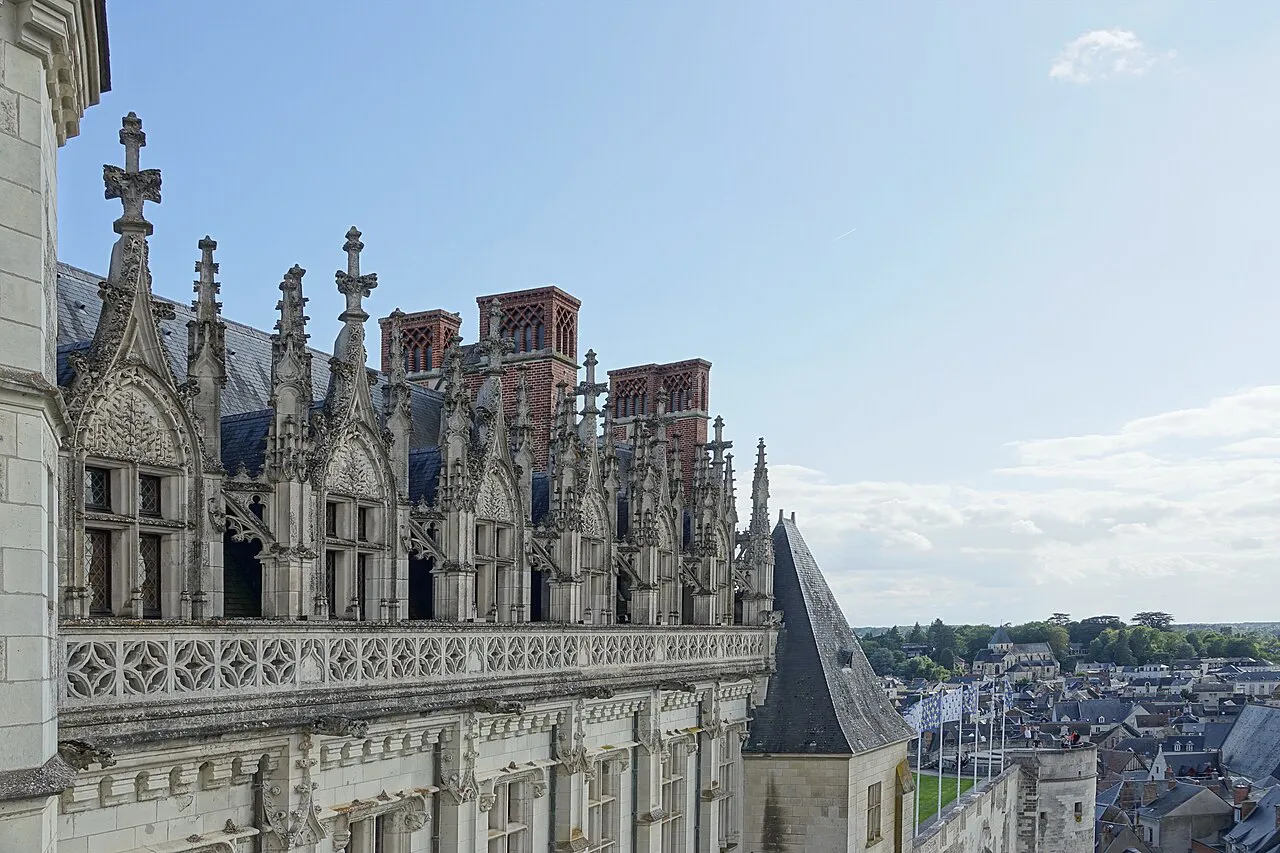
The Muides-sur-Loire to Blois route guide highlights historic quarters with stairways called degrés, the churches of St Vincent and St Nicholas, the château, Beauvoir Tower and the Maison de la Magie. Use that town programme when deciding how much of the stay to spend locally. Match the accommodation with your intended walks and ask about the particular arrival route if steps or luggage affect your choice.
The guide describes a north-bank levée route and alternatives through St-Dyé-sur-Loire and via Chambord. Its current main-stage chart shows 70% road and 30% cycle path. Choose the intended circuit before planning the day around it. Check its distance, conditions and return arrangement, and make the riding fit your party rather than assuming every alternative is the same outing.
St-Dyé-sur-Loire is described as Chambord’s historic river port, with old streets and the Maison de la Loire. The guide lists Blois markets on Tuesday, Thursday and Saturday. It also points to Ménars, a private château visible from the Loire. Choose this base if you want to combine the town’s château and Maison de la Magie with a ride on the Blois–Chambord circuit. Check the programme before centring a day on a market.
Chinon: Fortress Town on the Vienne with Wine Cellars Below
The Chinon tourist office describes limestone hills beside the Vienne and a royal fortress above the medieval town. Its history includes Henry II’s stronghold and Joan of Arc’s meeting with the king in 1429. The fortress visit includes recreated royal apartments and an exhibition devoted to Joan of Arc. If that combination appeals, allow time for both the fortress and the town. Consider your own pace when deciding how much to include before a meal or another booked visit.
The historic centre has half-timbered houses and Gothic façades; the Chanoines district around Place Saint-Mexme has tuffeau-stone houses. Rabelais was born at La Devinière near Chinon. Consider this setting if time in a medieval town matters as much as a booked cellar visit. If access matters, ask about the route to the property and the exact room, including its building and floor.
Les Caves Painctes occupies galleries beneath the fortress. Cave Monplaisir and Cave Plouzeau are private troglodyte cellars whose tastings are described as exclusively Chinon wine. For a wine-led trip, arrange the particular cellar visits before making them central to the itinerary. Keep the return journey and accommodation alongside those bookings.
Saumur: Castle, Cellars and Troglodyte Sites
Saumur tourism’s 48-hour itinerary suggests the château and its museum, a stop at a wine cellar, the old quarters and views over the town and Loire. A little tourist train is another option listed for discovering the town. Use the suggested stops as a shortlist rather than a timetable. Choose the ones that interest your party, check their individual programmes and leave enough time to move between them without rushing the visit.
Other suggestions include Cadre Noir, the Combier distillery, Stone and Light, the Mushroom Museum and the cavalry and motor museums. Cave restaurants are associated with local specialities such as fouées and galipettes. Choose a meal or outing around the experience you want, then reserve the particular programme where needed. Compare its timing with the rest of your day before adding another stop.
The itinerary also suggests Puygirault gardens and a stroll along the Loire. Consider this base if your party wants to mix the château, a cellar visit and one of the museums. Agree on a shared outing, then leave other time flexible and check individual programmes.
Getting Around Between Bases by Train, Bus and Bike
For travel by train or bus, write out the journey to the accommodation and the outward and return legs for each intended visit. Include transfers, luggage and the time you want to be back. Check the operator’s current information when booking the actual journeys.
For cycling days, choose the route before the overnight stop. Decide whether you want a complete riding day or a shorter outing, and arrange bicycle storage at the accommodation. Read where to stay in Loire Valley without a car for more base comparisons, then check the journeys for your own dates.
Hotel Example in Amboise: Le Clos d'Amboise
Le Clos d’Amboise describes a 17th-century house with 20 rooms, including two suites, a terrace, a park and a pool. Room examples include Tradition for two, Confort for two or three with a possible extra bed for young children, and Suite Royale for up to five. Select the particular category and sleeping arrangement before comparing the complete offer for your party.
The main house has a lift and the hotel lists one adapted room. Its pool and sauna are not accessible to guests with reduced mobility. It also lists 24-hour reception and the restaurant Le Clos, using fresh seasonal produce. Explain your access requirements before booking and ask which building contains the offered room. If dinner is central to the stay, arrange the restaurant booking alongside the room reservation.
Hotel Example in Chinon: Hôtel Diderot
Hôtel Diderot describes a family-run boutique hotel in Chinon’s historic quarter, near shops and restaurants, with 27 rooms in four categories. It lists a Winemaker’s breakfast of local specialities, shaded terraces and a tree-lined garden. The page describes breakfast beside a fireplace in winter. Consider this address if you want a stay focused on Chinon’s historic quarter, with breakfast and time on the hotel’s terraces when weather allows. Compare the room and complete offer for your dates.
The hotel has three buildings: the Logis, Pavilion and Annex, with no lift or air conditioning. Its eight courtyard parking spaces are paid, cannot be reserved and close from 9 pm to 7 am. Pets are forbidden in the hotel, grounds and cars parked inside. Check these conditions against your arrival and room requirements, particularly if a parking space or a particular building would decide the booking.
Hotel Example in Saumur: Hôtel Anne d'Anjou
Hôtel Anne d’Anjou presents a stay in a historic monument in Saumur, with Louis XVI-style room décor, a jacuzzi facing the château and breakfast in an inner courtyard. It lists a sauna, massage room, bar and 24-hour reception. Consider this address if a historic building and spa facilities belong on your shortlist. Match the particular room and included services to the stay you intend.
Secure parking is paid and requires a reservation; the hotel lists four electric-vehicle charging stations. Pets are allowed on request for a charge. Its regional suggestions include the château, Cadre Noir and cycling beside the Loire. It also suggests a meal at the bistronomic restaurant L’Essentiel. Reserve the parking you need alongside the accommodation and confirm any arrangements for your pet. Keep these practical requests attached to the booking rather than leaving them until arrival.
How to Choose: Matching a Base to Your Travel Style
For a family trip, agree on beds, separate sleeping spaces and the facilities you would use before comparing offers. Family friendly hotels Loire Valley gives you another accommodation shortlist. Keep the same party and dates while comparing, and ask about the exact unit offered. For a celebration or a stay centred on the property, compare luxury hotels in Loire Valley and make the room and intended meals part of the same plan.
If comparing destinations, use the same requirements for each option. Where to stay in Annecy and where to stay in Carcassonne are other site guides to read at that stage. Compare the stay, complete travel arrangements and time available, then return to the individual bookings once you choose.
Choosing Your Loire Valley Base
Choose the base that makes your intended days work, then book the particular room that fits your party. Keep accommodation, confirmed visits and complete journeys together. If a second base appeals, weigh its setting against the time needed to move. Leave time to enjoy the town and hotel too.
Explore more Loire Valley guides
Frequently Asked Questions
What is the best base to stay in the Loire Valley?
Consider Tours for rail arrivals or Amboise for its walkable historic centre; compare your intended journeys.
Is Tours or Amboise a better base for the Loire châteaux?
Tours tourism lists TGV stations; Amboise has a regional station and pedestrian streets.
Is Saumur a good base for exploring the Loire Valley?
Saumur tourism suggests the château, wine cellars, Cadre Noir and troglodyte sites; check individual programmes.
Which Loire Valley town is best for wine lovers?
Consider Chinon for town cellars, including Monplaisir and Plouzeau; arrange the visits you want.
Which Loire Valley base works best without a car?
Compare Tours and Amboise, then check complete outward and return journeys for your dates.
What should I check before booking a Loire Valley hotel?
Confirm the exact room and building, access requirements, parking arrangements and seasonal facilities for your dates.
Sources
- How to get to Tours - Tours Loire Valley Tourist Office
- Access - Amboise Val de Loire Tourist Office
- Muides-sur-Loire / Blois - La Loire à Vélo (France Vélo Tourisme)
- Chinon, the fortress city - Azay-Chinon Val de Loire Tourist Office
- 48 hours in Saumur - Saumur Loire Valley Tourism
- Hôtel Le Clos d'Amboise (official site)
- Hôtel Diderot, Chinon (official site)
- Hôtel Anne d'Anjou, Saumur (official site)
You might also like


Continue reading
More guides you'll find useful

_(1).jpg)
