Where to Stay in Lille: Choose a Base for Your Plans
Choose where to stay in Lille by matching the setting to your plans, then check the hotel address and room. Compare the specialist guides before booking.
AI-assisted guide · Sources and editorial policy
On this page
Where to stay in Lille depends on what you want the address to help you do. We would begin with a setting, then compare actual rooms within a useful search area. A sightseeing plan, a market visit and a railway arrival create different priorities, even when the same hotel photographs appeal.
Choose the activity that will shape the stay. Put that reference and candidate hotel entrances on the same map, then compare the actual address and named room.
Decide what you want near the address
Imagine the first morning and the final departure. Would you prefer to begin by looking at monuments, browsing streets or heading towards a market? If the train determines the trip, start with the station on the ticket. Use one clear priority to narrow the search before comparing room categories.
For a mixed itinerary, mark the places you expect to return to. Compare the route with luggage as well as the route for an unhurried outing. Check a requirement that rules out a property before comparing room photographs.
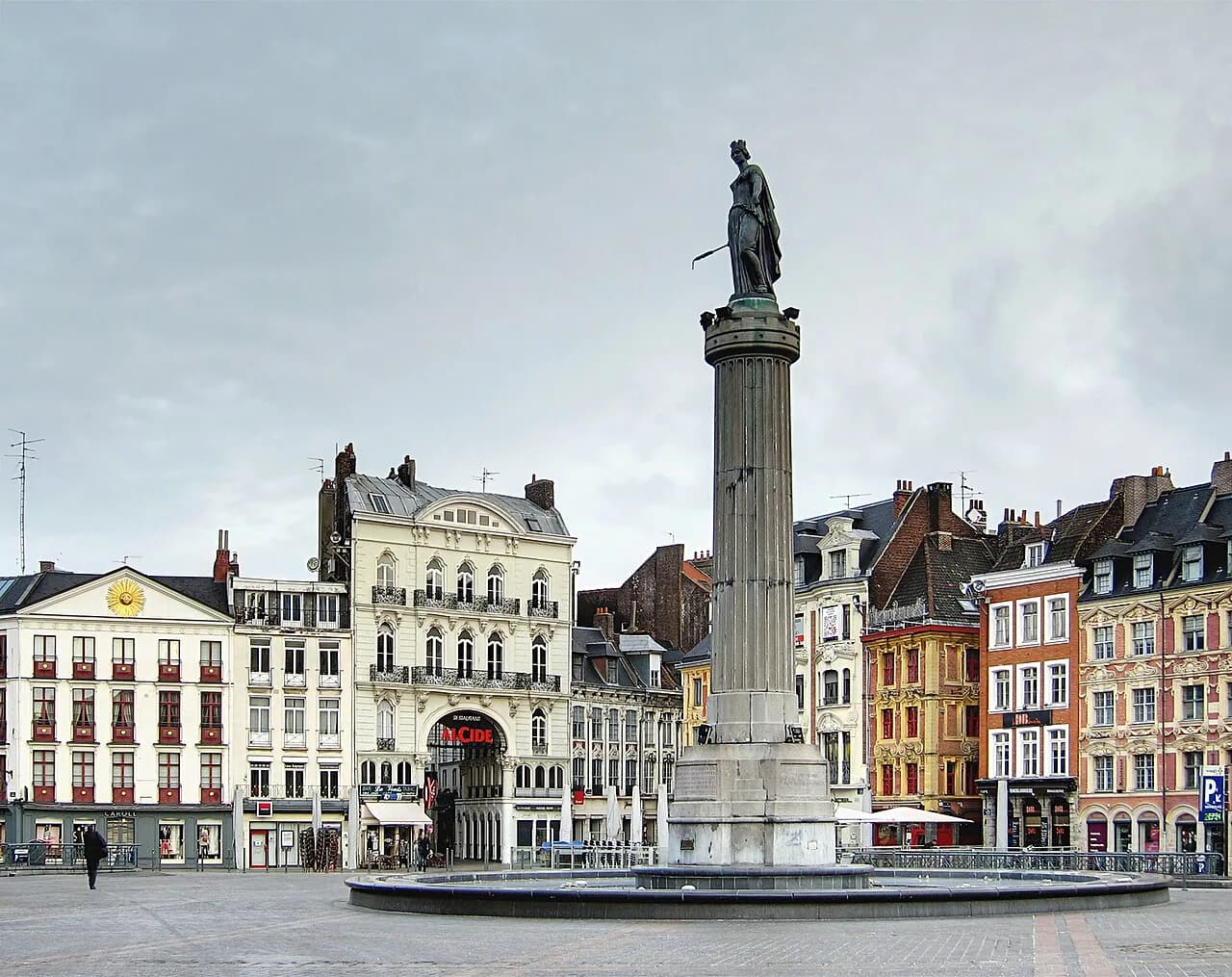
Start around Grand Place for a monument-led plan
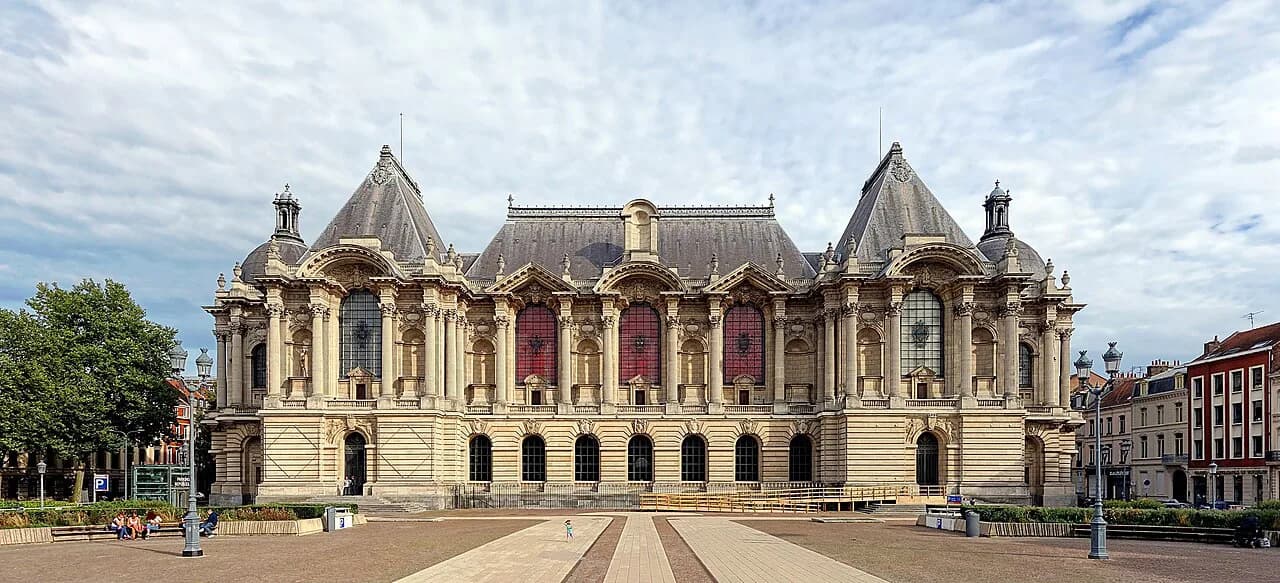
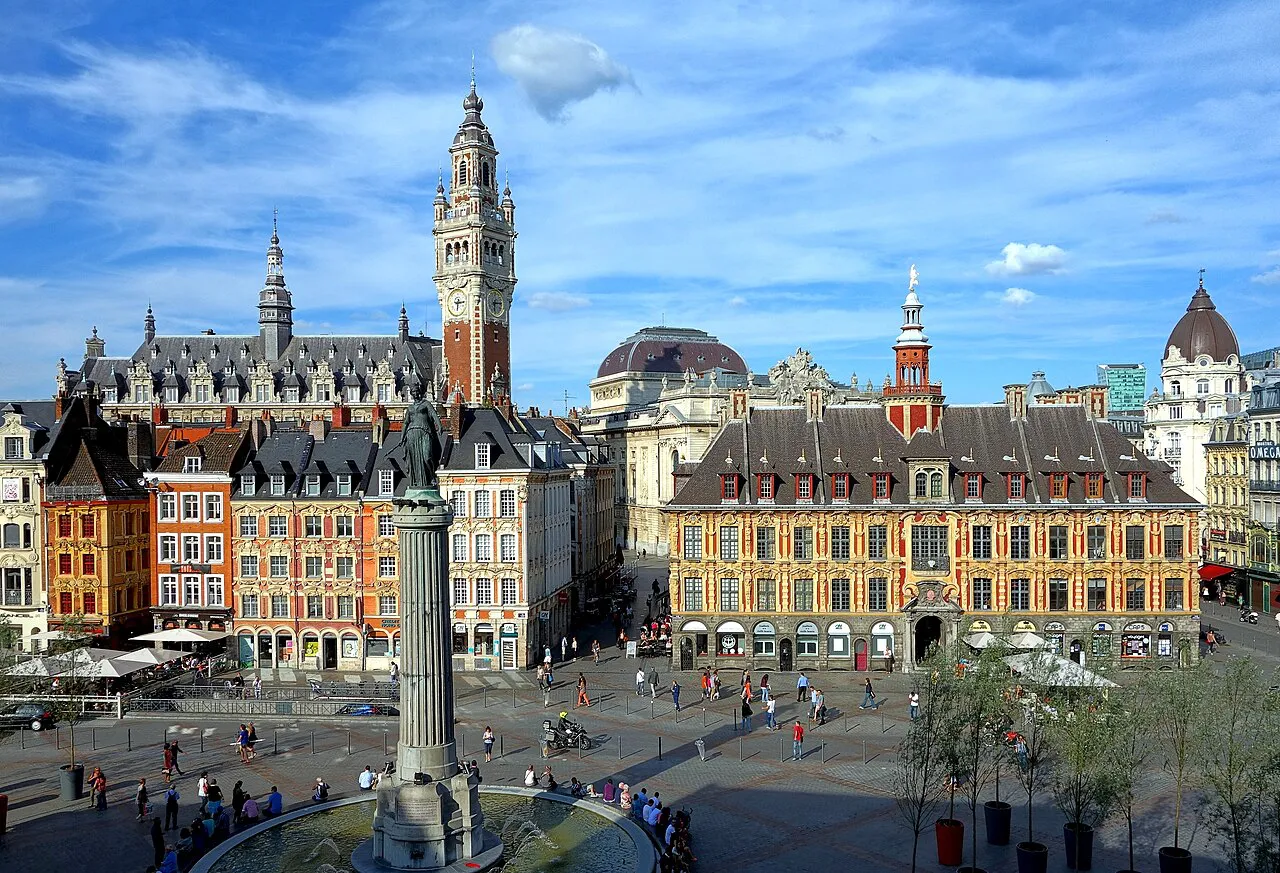
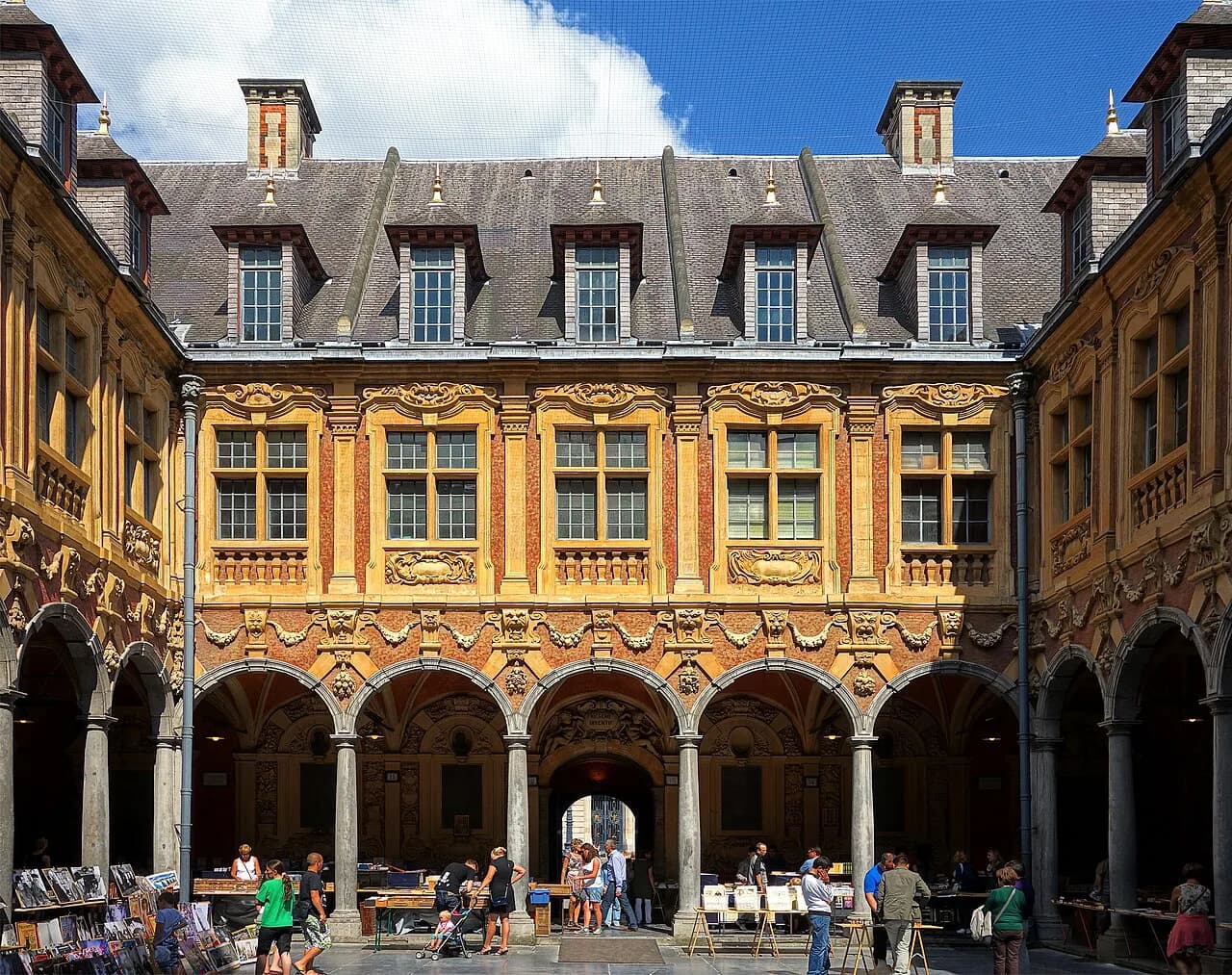
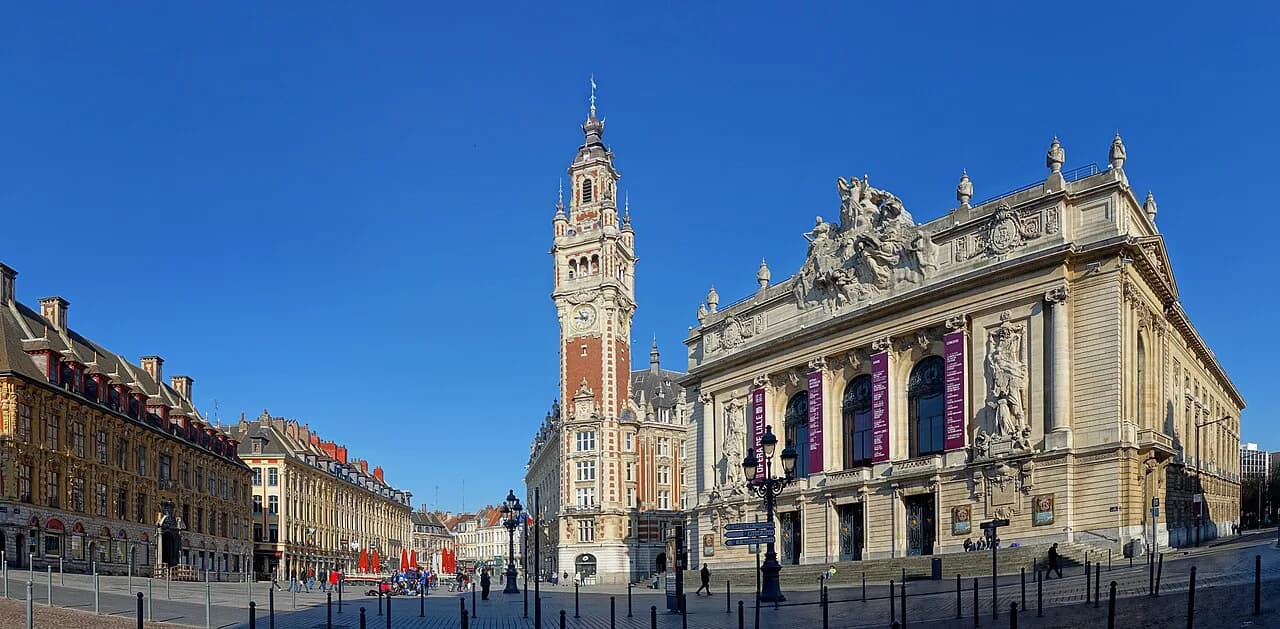
The Tourist Office’s district guide places downtown activity around Grand Place and names the Vieille Bourse and Opera among its monuments. We would use that reference for a monument-led search.
Choose which landmarks matter to your own visit, then use their positions to assess the hotel entrance. A listing that calls itself central still needs to work for those particular plans. For a tighter comparison of central settings, see hotels in Lille city centre.
Decide whether you want the main reference point outside the door or are content to reach it during an outing. Use that preference to narrow the shortlist.
Vieux-Lille: look at the street setting
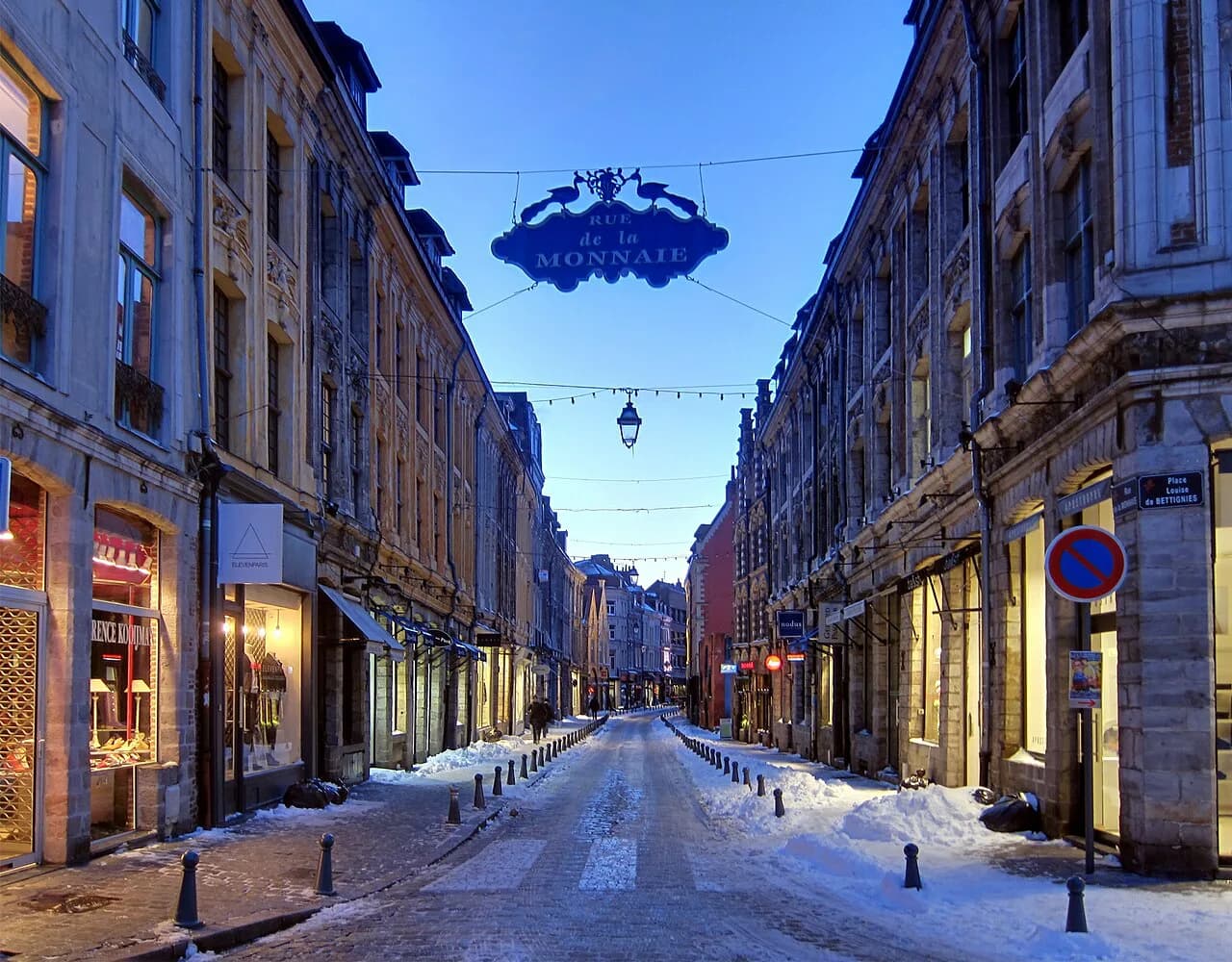
The same Tourist Office page describes Vieux-Lille’s cobbled streets and facades of brick and coloured stone. It names Notre-Dame de la Treille Cathedral and Hospice Comtesse within that setting.
We would start here when looking at streets and buildings is part of the visit itself. Compare the accommodation entrance with the places you want to explore. If wheeled luggage or an access requirement matters, ask about the actual arrival route and building entrance rather than drawing conclusions from the district’s appearance.
Use Vieux Lille Hotels for a closer look at this choice. Check the bed arrangement and bathroom format in the category you reserve.
Euralille: begin with the railway plan
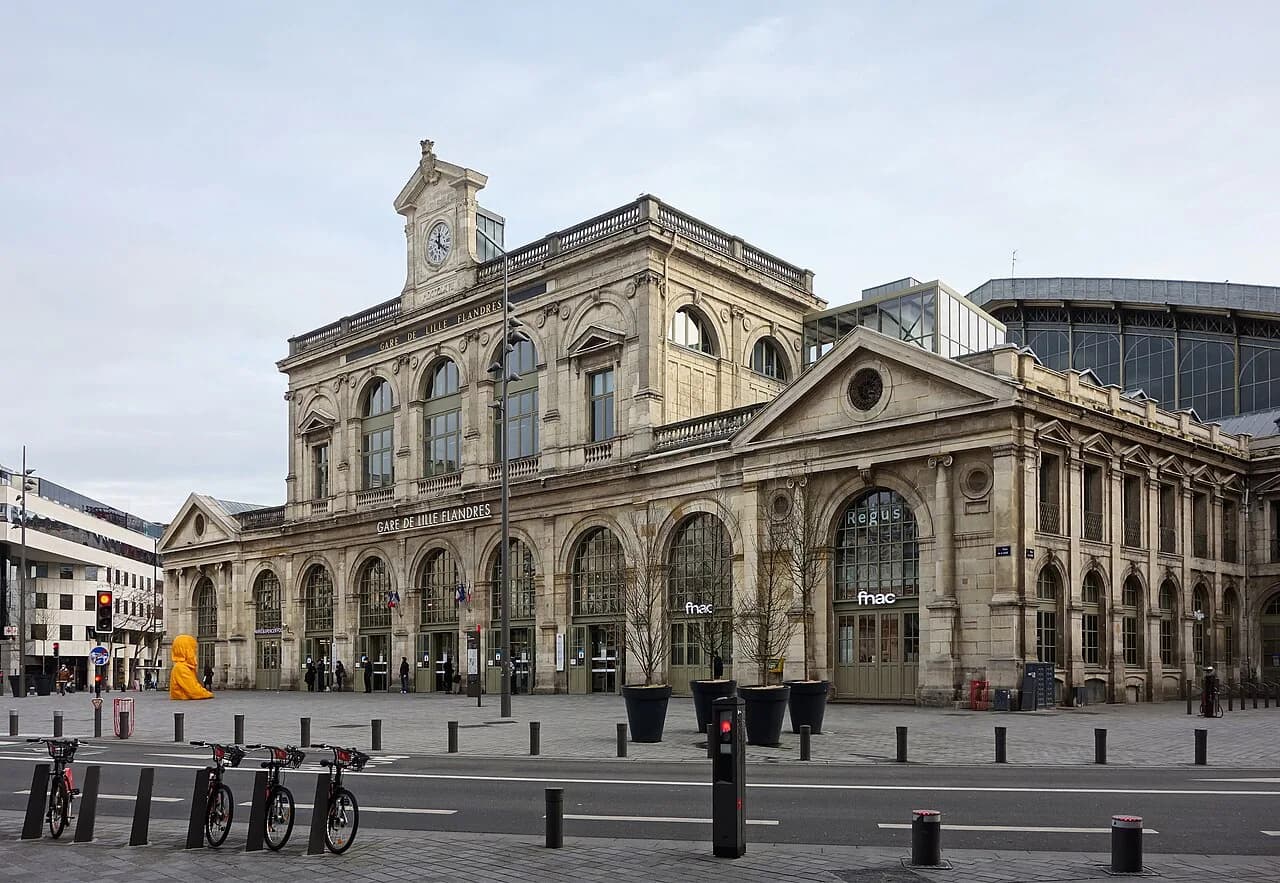
The Tourist Office describes Euralille as a business district and identifies Lille-Europe station, Parc Matisse and Jardin des Géants. That gives a railway-oriented search a different reference.
Read the station name on each ticket, including the return journey. Compare the hotel address with the arrival you will actually make, taking account of the people and luggage travelling. Use Hotels Near Lille Train Stations to examine that decision more closely.
For a late arrival, ask how entry works at the expected time. For an early arrival, establish when you can use the room.
Wazemmes: choose the market setting
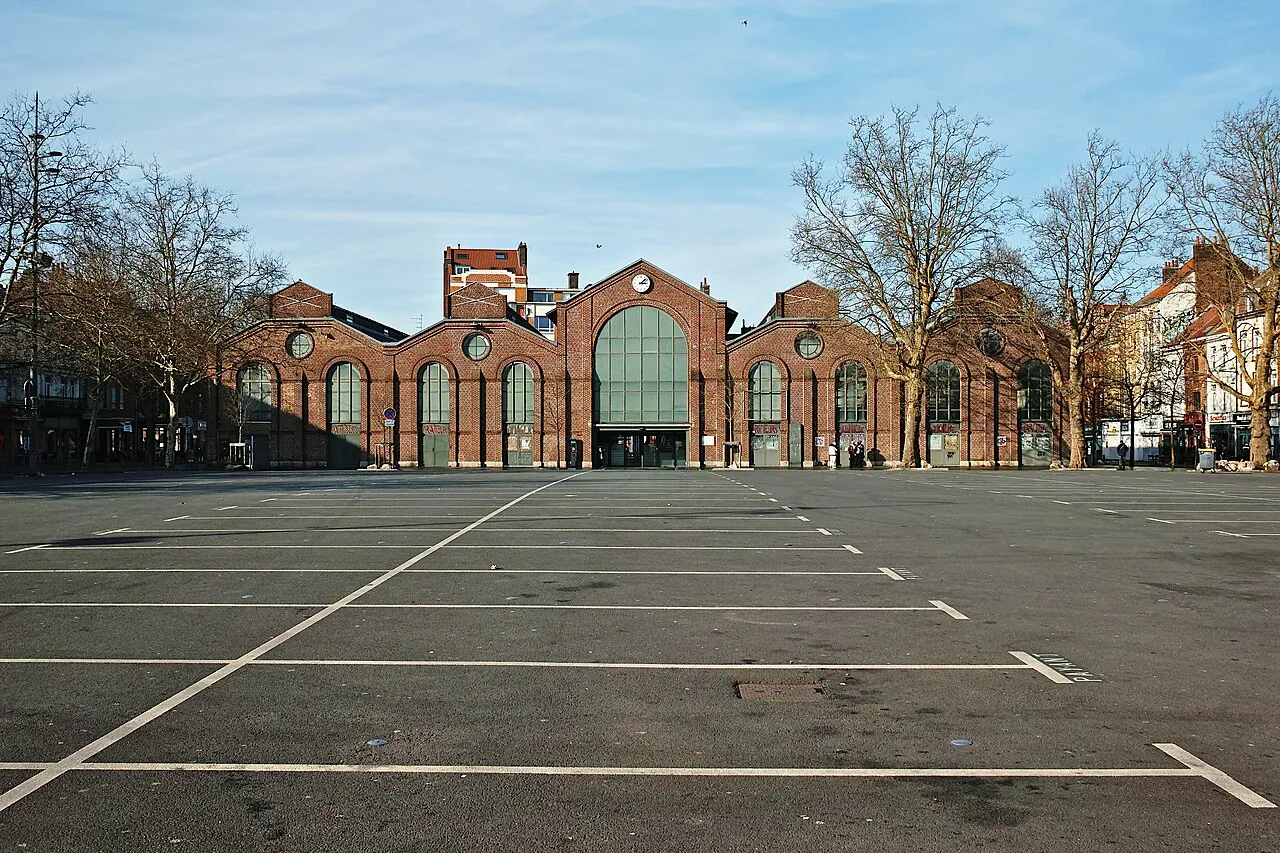
The City of Lille places the Wazemmes market at Place Nouvelle Aventure and describes food, textiles and other stalls. It describes several weekly markets, rather than a Sunday-only event.
We would consider this reference when a market visit is part of the plan. Check the current programme before matching a booking to a particular day, then decide how much of the visit to organise around it.
A market’s position does not describe a nearby bedroom. If room orientation matters, put that requirement to the property and keep any promise tied to the actual offer.
Match the room to the people travelling
After choosing a search area, compare the named category for the same party and dates. Our Cheap Hotels in Lille guide examines bed formats and occupancy wording. Use Luxury Hotels in Lille when the distinction you need to resolve is room or suite layout.
For a shared room, specify the bed combination needed; for more separation, ask what the layout actually provides. Include any cot or access requirement in that enquiry. A district choice does not establish sleeping capacity, an extra bed or the route to the booked room.
Keep the final shortlist tied to this trip
Before paying, check the address, category, party, dates and booking terms together. Compare the same services in each total, then decide which difference matters enough to change the choice. Save the confirmation that identifies the arrangement you selected.
If comparing destinations for a wider city break, see where to stay in Carcassonne. Choose the destination first, then return to the requirements for that trip.
Choose a base with a reason you can explain
We would shortlist addresses that support the main purpose of the stay, then compare the room and terms. Keep essential booking requirements visible through the final choice.
Explore more Lille guides
Frequently Asked Questions
What is the downtown reference for this comparison?
The Tourist Office places downtown activity around Grand Place.
What street setting does Vieux-Lille offer?
The Tourist Office describes cobbles and facades of brick and coloured stone.
Should I check which Lille station my train uses?
Read the station name on each ticket before comparing the hotel address with your arrival and departure plans.
Is the Wazemmes market described as Sunday-only?
No. The City of Lille describes several weekly markets at Place Nouvelle Aventure.
Does choosing a district settle the room arrangement?
Check the actual category, bed setup and occupancy for the people travelling, along with any requirement that would change your choice.
Sources
You might also like
Continue reading
More guides you'll find useful