Where to Stay in Nice, France: Choose Your Neighborhood
Compare Nice bases in the old town, by Place Massena, along the seafront or near the station. Choose around the outings and room setup your trip needs.
AI-assisted guide · Sources and editorial policy
On this page
To choose where to stay in Nice, France, start with a comparison between Vieux Nice for a visit organized around old-town outings, Place Masséna for a mix of central interests, and a precise seafront address when time by the water leads the holiday. Add Port Lympia when harbor walks are the attraction, or a station-led candidate when several rail departures shape the itinerary. These are starting recommendations based on what you intend to do.
Choose the activity you want to repeat, rather than the neighborhood with the longest attractions list. Someone returning to the same market or promenade each morning needs a different comparison from someone leaving for day trips. Once two areas fit the plan, compare the actual room, entrance and complete booking offer. A good location should serve the way you will spend the stay.
Begin with the outing you want to repeat
Write down one ordinary day before looking at accommodation. Start with where you want breakfast, the outing you most anticipate, and whether you will return to the room between activities. For companions, add the moment when plans might separate. One person may want to sit outside while another continues exploring; decide whether returning independently is important to both.
Give repeated outings more influence than a single arrival journey. If your visit has only one overnight stop, arrival and departure may deserve greater weight. On a longer holiday, the accommodation should support several ordinary days. Keep the essential sleeping arrangement beside that itinerary: a location cannot compensate for a room that the party is unwilling to share.
Vieux Nice: make the old town part of the stay
FranceGuide describes Vieux Nice through narrow streets, colorful buildings and markets. That gives it a specific attraction for travelers who want the old-town setting to be part of returning to their accommodation, rather than an outing made once from elsewhere.
Cours Saleya is in the heart of the old town. The tourism board describes its flower market, cafés, restaurants and shops; the square also has an antiques market on Mondays. We would investigate an address around the old town when market visits and meals here belong in several days.
Decide whether being able to revisit the same places is the reason for sleeping here. If your plan mainly involves trips outside the city, compare the arrival and departure routes before giving the historic setting priority. For the narrower property and arrival comparison, our where to stay in old town guide can help after you have chosen this type of base.

Place Masséna: a starting point for mixed central interests
The official Place Masséna description connects the square with Vieux Nice, Avenue Jean Médecin, the Promenade des Anglais and the Albert-Ier gardens. Its red façades, arcades and black-and-white paving give the address comparison a recognizable reference point. We would begin around this square when several central interests carry similar weight.
Use the square as the reference, then compare the particular accommodation entrance. A search result described as central may sit on a different side of the places you want to revisit. Work through a day with the proposed address: leaving in the morning, returning for a rest, then going out again. The useful question is which journey you will make most often.
Jean Médecin: compare shopping interests with the airport route
The tourism board’s city itinerary includes shopping along Avenue Jean Médecin, with Galeries Lafayette and Nicetoile as named references. We would consider an address around the avenue when shopping is an activity you intend to return to, rather than a short diversion on one afternoon.
Nice Airport’s rail-access page describes tram line 2 between the airport terminals and the city via Jean Médecin, and a line 1 connection toward Gare Thiers. Use those named stops when comparing an avenue-area address with a station-led address. Match the route to your terminal and exact accommodation.
Keep the airport journey and the day-to-day location decision separate. An arrival route can be convenient in your plan while a different address serves the holiday better. For the same reason, select around the shopping preference only if it deserves several outings. Compare the specific room offer as well; being on or off a named avenue does not establish a price advantage.
Carré d’Or: a café-led alternative within the central comparison
The Stripes Europe stay guide, published in 2023, describes Carré d’Or through cafés and museums, with parks and the seaside boardwalk as nearby interests. We would include it when a leisurely city routine appeals more than organizing the visit around one landmark. The recommendation follows that preference rather than a district-wide promise about quietness or room quality.
Imagine the morning you want here. If you plan to linger over breakfast, return to the accommodation, then go out again, compare an address and room that suit those pauses. If the room will mainly be used after a full day away, its interior space may matter less. Let the planned routine determine whether the central café preference deserves extra weight.
For travelers interested in individual interiors, our boutique hotels guide offers a separate property comparison. Use it after establishing the address and sleeping requirements you want to keep. Design can be a worthwhile reason to choose between suitable rooms; it should accompany a location and layout that work for the party.
Promenade des Anglais: choose a stretch of the coast
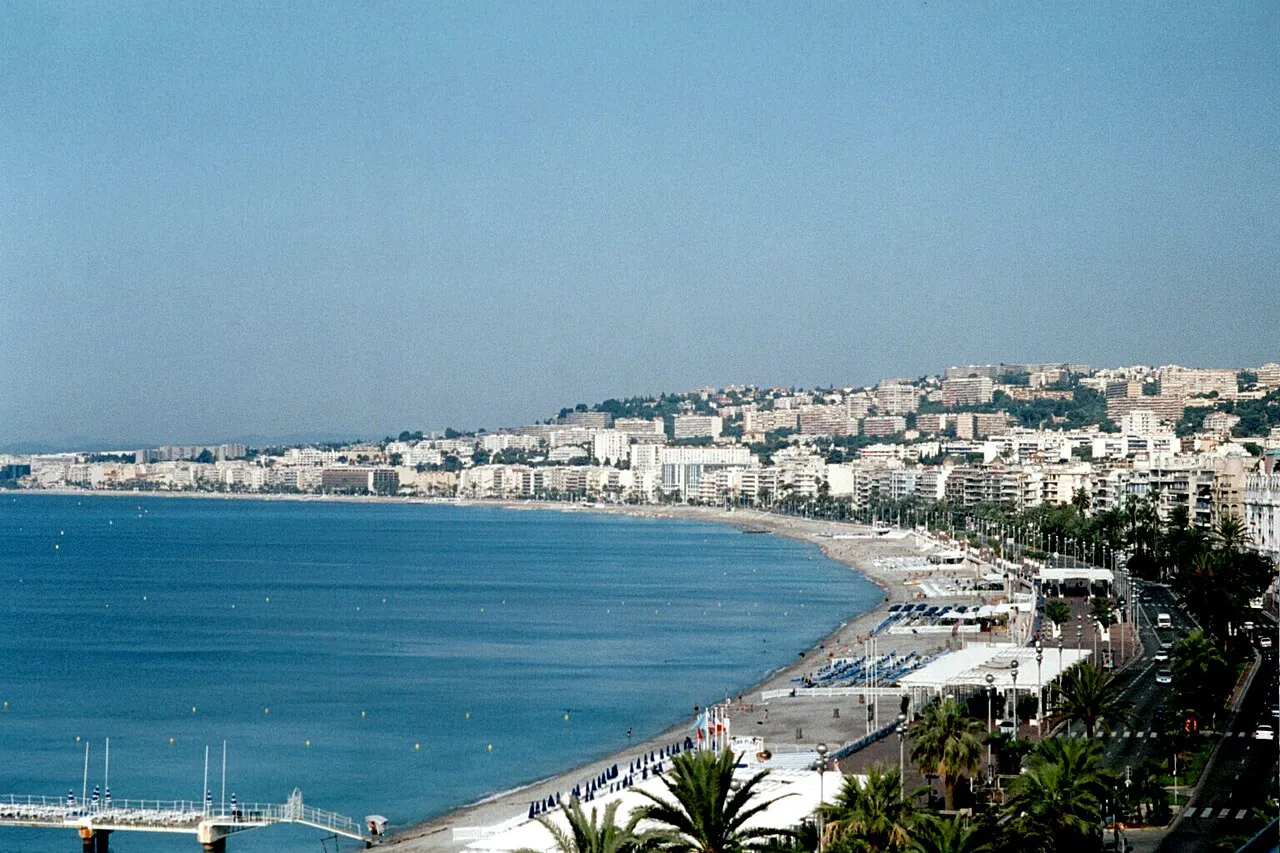
The tourism board describes the Promenade des Anglais as almost seven kilometers along the Baie des Anges, with beaches, palm trees and blue chairs. That length matters to the stay decision: a seafront label does not place every accommodation at the same point along the coast.
We would choose around the seafront when a walk by the water belongs in the start or end of most days. Decide whether you want to enjoy the coast from the accommodation or leave the room to spend time there. A view category, outdoor sitting space and the entrance’s position answer different preferences. Compare the one you expect to use most.
Put the actual street number beside the rest of the itinerary. If one member of the party wants regular shore outings while another wants city visits, work through both plans from that address. A long coastal setting offers several possible bases, so choose the stretch before comparing photographs. Beach services and room outlooks belong to the particular offer; the promenade address alone does not settle them.
Port Lympia: choose the harbor you mean
Nice’s tourism board distinguishes Port Lympia, with yachts, sailboats and traditional pointu boats, from Port de Carras, a smaller fishing port farther west near the airport. Keep those names separate when investigating an accommodation advertised around the port. They describe different reference points for the base.
FranceGuide’s Old Port section names Rue Ségurane, Rue de Foresta, Rue Cassini and Place Arson as local references. Use an actual street address within that search rather than treating the entire harbor area as one room location. We would shortlist it when time around the port and these streets is part of the holiday.
For a harbor-led stay, decide whether the daily attraction is the outlook from the accommodation or leaving for a walk around the water. A room with the view you want may justify a different choice from a room used chiefly for sleeping. If a departure by sea is central to the trip, match the actual departure point and sailing to the address instead of relying on a general port label.
Musiciens: compare architecture and named street boundaries
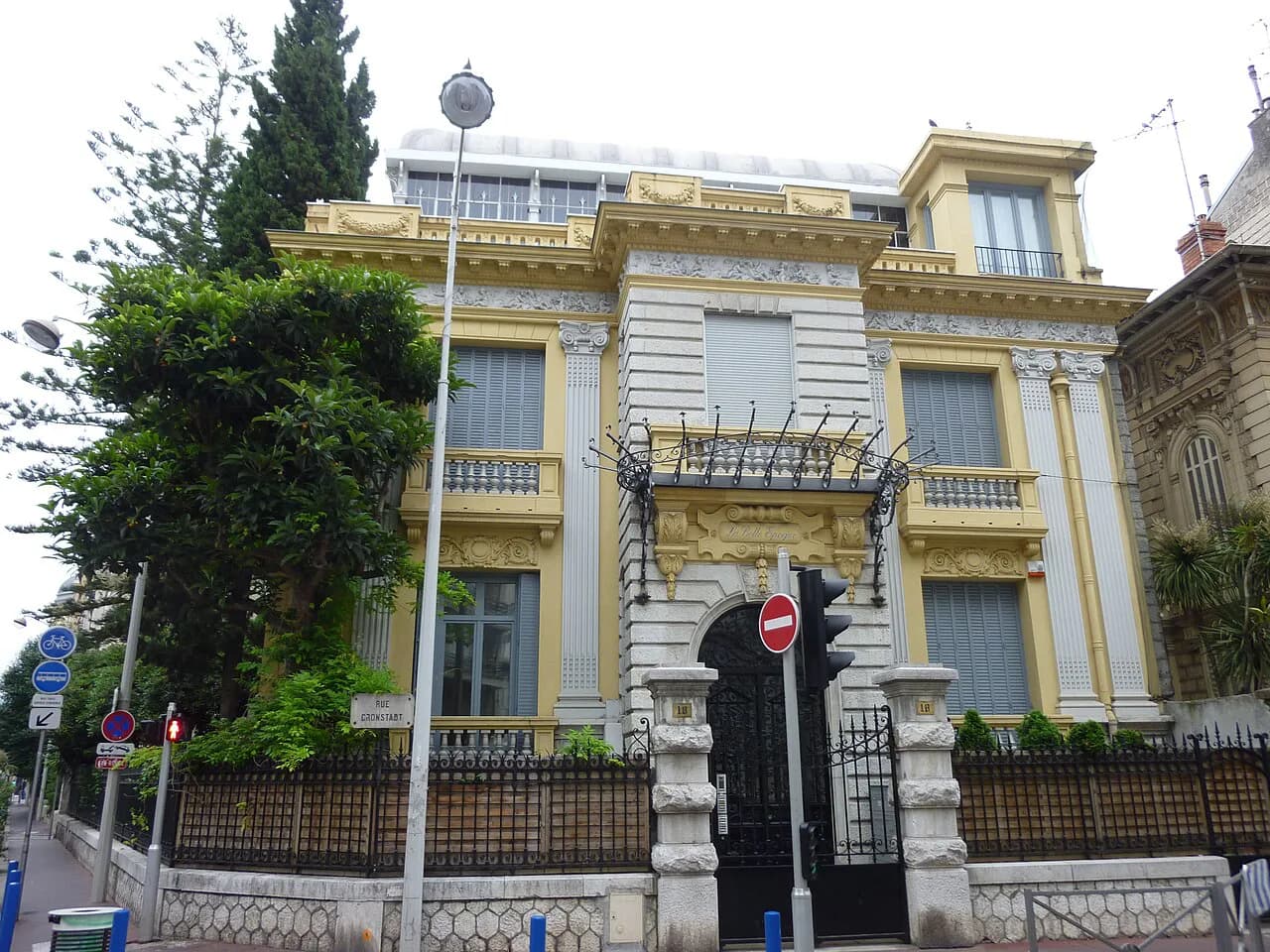
The Musiciens neighborhood committee places its area between Rue Paganini to the east, Boulevard Victor Hugo to the south, Avenue Gambetta to the west and Avenue Thiers to the north. It describes Belle Époque, Art Nouveau and Art Deco architecture, alongside shops, restaurants and hotels. Those boundaries are useful for placing a listing within the city comparison.
We would investigate this area for travelers who want the streets and buildings to contribute to everyday walks. Compare where the actual entrance sits within the described boundaries. Someone organizing around departures may value a different part of the search from someone who wants architectural walks followed by time indoors. Keep the activity preference more specific than the neighborhood’s reputation.
A residential description does not promise a quiet bedroom. For a light sleeper, select the actual room position and ask about the issue that matters: road-facing windows, a room beside shared spaces, or another stated concern. The architecture can be a reason to choose an address, while the sleeping requirement remains a separate condition of the booking.
Nice-Ville and Thiers: let repeated rail departures earn their place
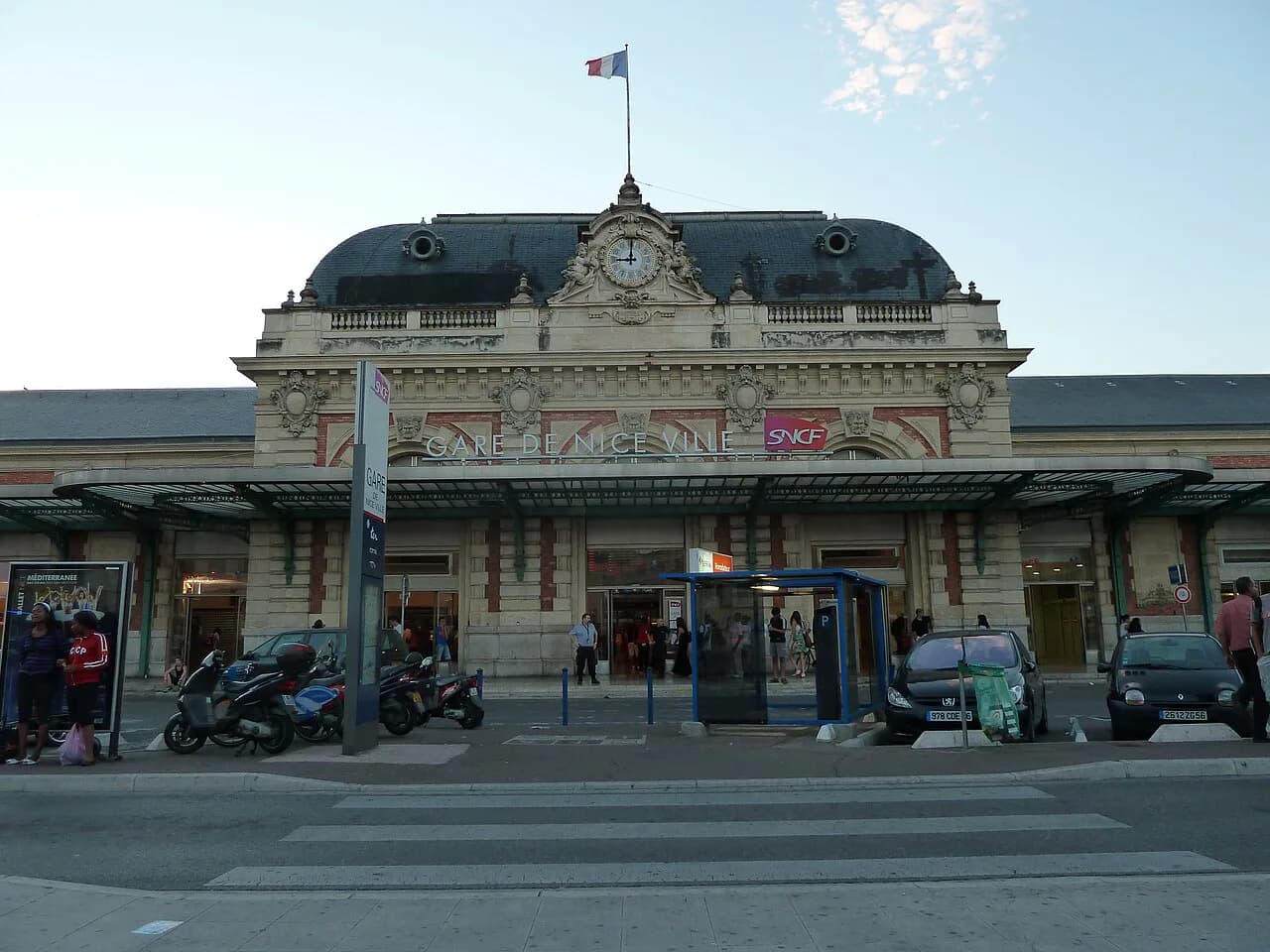
SNCF Gares & Connexions gives Avenue Thiers as the Nice station address and publishes station and surrounding-area plans under Nice-Ville. It also directs travelers to station accessibility information and assistance resources. Use the specific station and accommodation entrance when planning the luggage journey.
We would give a station-led address greater weight when several days begin or end with a train. Count those planned departures before allowing the arrival day to decide the whole stay. If rail travel is limited to arriving and leaving, compare whether a base chosen around your daily interests provides more value in the intervening days.
A departure-heavy itinerary also changes how you will use the room. Decide whether you want somewhere mainly to sleep, or enough space to regroup after returning. For travelers needing assistance, work through the station arrangements and the accommodation route separately. A station resource does not establish a hotel’s entrance or room access, and a nearby address does not remove the need to select the right room.
Cimiez: a museum outing or the reason for the base
The City of Nice lists its Cimiez archaeology museum at 160 Avenue des Arènes de Cimiez, on the site of the former Roman town of Cemenelum. The remains include thermal complexes and an amphitheater. That gives an archaeology-focused visit a concrete destination for the address comparison.
The tourism board’s itinerary also identifies the Cimiez monastery and gardens, the Roman arena remains and the Matisse Museum as outing references. We would investigate a base around this interest when those visits organize a substantial part of the holiday, then compare the journeys to the other places you want to use.
For one museum outing, keeping another base may be the stronger choice. For repeated cultural visits, give that location more influence. Decide how often you expect to return and whether you want to come back to the room between visits. A list of nearby interests matters less than the number of journeys you will make for the activities you actually choose.
Short visits and evening returns: make the itinerary manageable
On a short visit, choose the main outing and the arrival arrangement together. A traveler arriving late and leaving early may put more weight on entry instructions and the first luggage journey. Someone with a complete day between arrival and departure may prefer a location chosen for that day. Use the actual schedule to decide, rather than apply one first-visit recommendation to both situations.
For a longer stay, agree how evenings should work. Will everyone eat together, return at the same time or separate for different plans? Choose an address that the party is comfortable using for those returns. If the room is a place for shared time as well as sleeping, allow its layout to influence the choice alongside the area.
Choose the room format after narrowing the address
For two travelers, start with whether sharing a double bed is acceptable or separate beds are required. For a family or group, divide the sleeping spaces before comparing occupancy figures. A room’s stated maximum is useful only when the offered bed arrangement works for the people staying. Keep bedroom privacy, bathroom count and any internal levels visible as separate requirements.
For an apartment, decide what the kitchen and living space would change. If you intend to prepare meals or spend time together between outings, ask for the actual equipment and layout. If every meal and most waking hours are planned elsewhere, extra sitting space may add less to your stay. Compare its purpose rather than assume one accommodation format always gives better value.
Arrival support can be another deciding requirement. Compare staffed reception with the specific entry arrangement offered by an apartment. If arriving after usual staffed periods, settle who can help with an entry problem. Travelers who need a particular route through the building should describe that requirement for the exact room, rather than rely on the age or appearance of the property.
Compare complete offers for two suitable bases
Once two addresses fit, obtain offers for the same dates and full party. Compare accommodation, chosen meals, parking if needed, and any other service you intend to use. Decide which journey or room advantage is worth an increase in the total. This produces a choice between two workable stays instead of a comparison between an appealing price and an unsuitable arrangement. If you are combining this trip with Provence, see our guide to where to stay in Provence.
Keep the reason for each candidate beside the quote. One might support the daily outing; another might offer a room layout everyone prefers. If a higher total solves an essential sleeping requirement, assess that improvement explicitly before removing the candidate. If it supplies an optional feature you will seldom use, consider saving that part of the budget for the outings you have planned.
Choose the Nice base that serves your daily plan
Begin with the place you want to revisit, then compare the specific address, sleeping arrangement and complete offer. Our starting shortlist separates old-town outings, mixed central interests, time by the sea, harbor walks and repeated rail departures. Choose the advantage your trip will use, with the actual room and arrival arrangement carrying as much weight as the area name. If you are combining this trip with the French Riviera, see our guide to where to stay on the French Riviera.
Explore more Nice guides
Frequently Asked Questions
Where should first-time visitors start their Nice search?
We would compare Place Masséna for mixed central interests with Vieux Nice for a visit organized around old-town outings. Add a seafront candidate if daily time by the water leads your plan. Choose from the activities you intend to repeat, then compare the room and entrance.
Does a Promenade des Anglais address mean I am next to the old town?
The tourism board describes a promenade almost seven kilometers long. Select the actual stretch and street number, then compare it with the outings you plan. A broad seafront label does not place every address together.
Which address should I use for Nice-Ville station?
SNCF lists Avenue Thiers for the Nice station and provides Nice-Ville station and surrounding-area plans. Use the actual accommodation entrance in the comparison, especially if several planned days begin with a train.
Is the Musiciens district guaranteed quiet at night?
Assess the exact room position and the sleeping concern that matters to you. The district’s residential description does not establish a quiet bedroom.
Should I change bases for one Cimiez museum visit?
We would normally keep the base that serves most of the holiday and plan the museum as an outing. If repeated cultural visits organize the trip, compare an address around that interest with your other candidate. The frequency of the outing should decide its weight.
Sources
- Where to stay in Nice
- Where to stay in Nice, France | Stripes Europe
- Musiciens neighborhood committee: boundaries and architecture
- Cours Saleya: old-town market and cafes
- Place Massena: connecting central landmarks
- Promenade des Anglais: extended coastal setting
- Port Lympia versus Port de Carras
- Cimiez archaeology museum: actual address and site
- Nice official itinerary: geographic outing references
- Nice Ville: Avenue Thiers station and assistance resources
- Nice Airport: tram connections to Nice Ville
You might also like


Continue reading
More guides you'll find useful