
Where to Stay in Siena: Centre, Camollia or Countryside
Choose a Siena base around your city visits, railway arrival or countryside stay, with named addresses and concrete setting tradeoffs to compare.
AI-assisted guide · Sources and editorial policy
On this page
Our first choice for a visit centred on Siena’s historic sights would be a central address, with Grand Hotel Continental on Banchi di Sopra as one concrete example to compare. Hotel Italia offers a Porta Camollia approach to investigate, while La Certosa di Maggiano provides a nearby countryside alternative. Choose between those settings according to what you want from the day and where you want to return afterwards.
Start with that base decision before comparing a room’s decoration or a general hotel label. Hotels in Siena City Center develops the narrower central-hotel choice; our guide to luxury hotels examines that separate accommodation interest. This guide connects the actual addresses with a city-led visit, an arrival-led enquiry or a stay in which the property setting is part of the holiday.
Three settings to compare: centre, gate approach and countryside
Visit Siena’s tourist information describes hotels and B&Bs in the centre and outside the walls, alongside agritourisms and rural houses in the surrounding countryside. Those are useful starting categories, rather than a price or quality ladder. First decide whether the accommodation should support repeated city outings or provide a setting you expect to enjoy for part of the day.
A central stay would be our starting enquiry when most of the places you want to visit belong to the city. A gate-approach address gives you another relationship with the old town to assess. A countryside stay deserves consideration when returning to that setting is part of the reason for the trip. None of these choices belongs automatically to couples, families or first-time visitors.
Piazza del Campo: make the city outing concrete
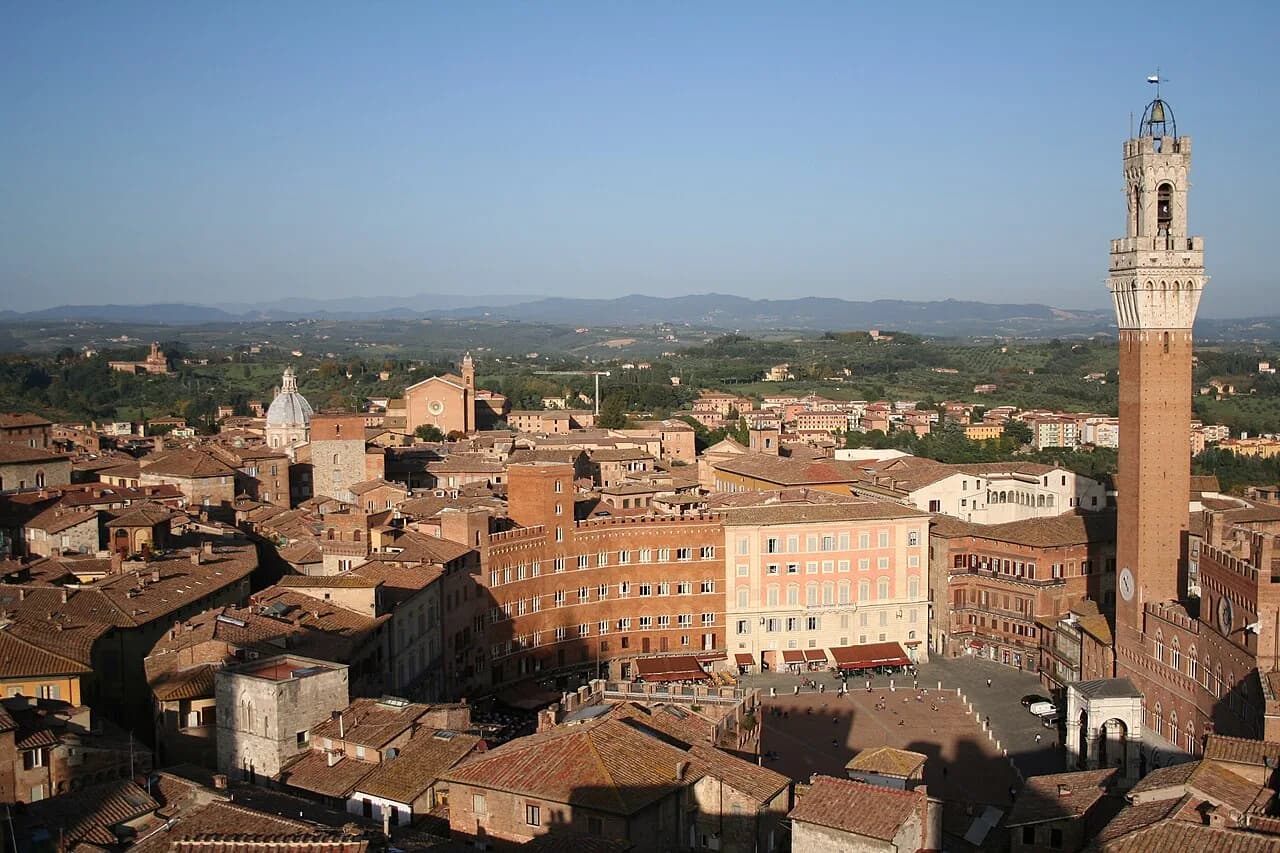
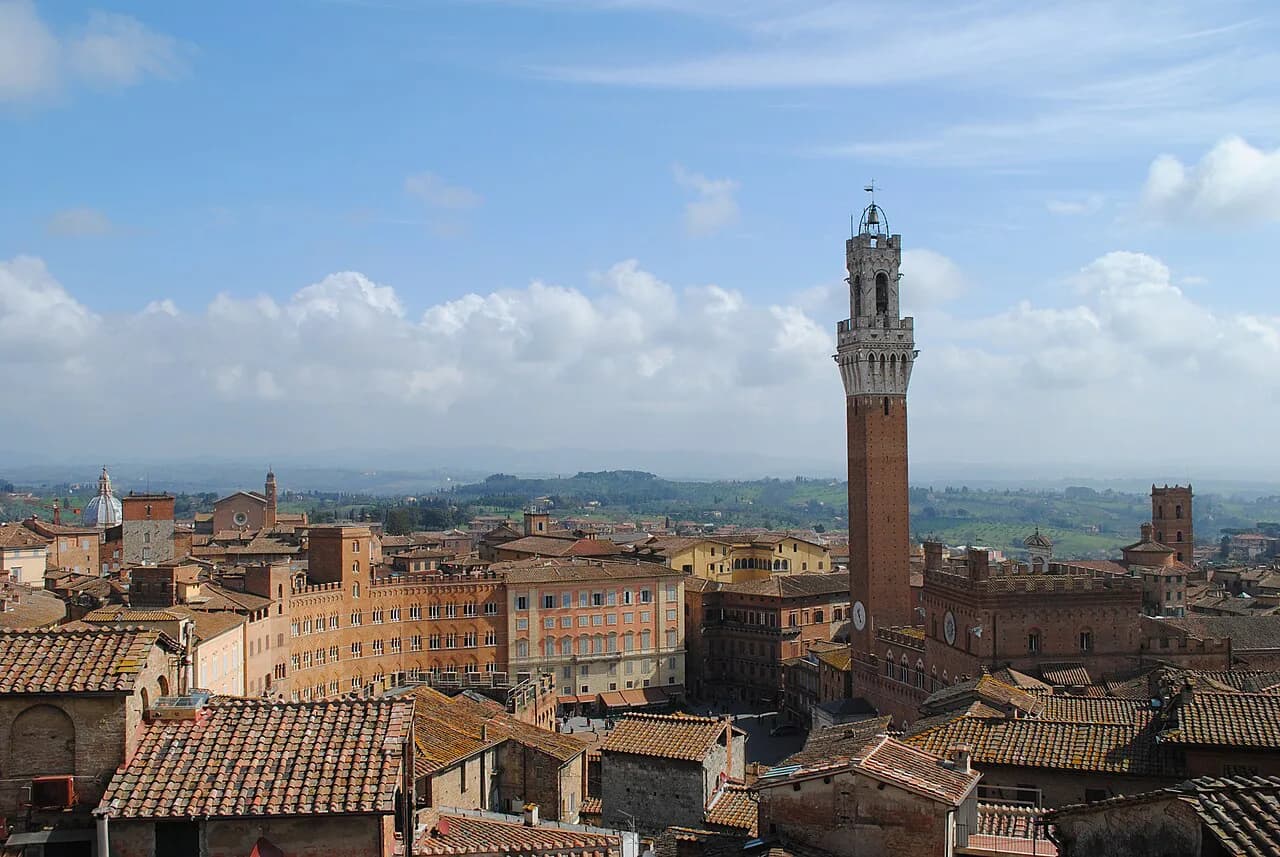
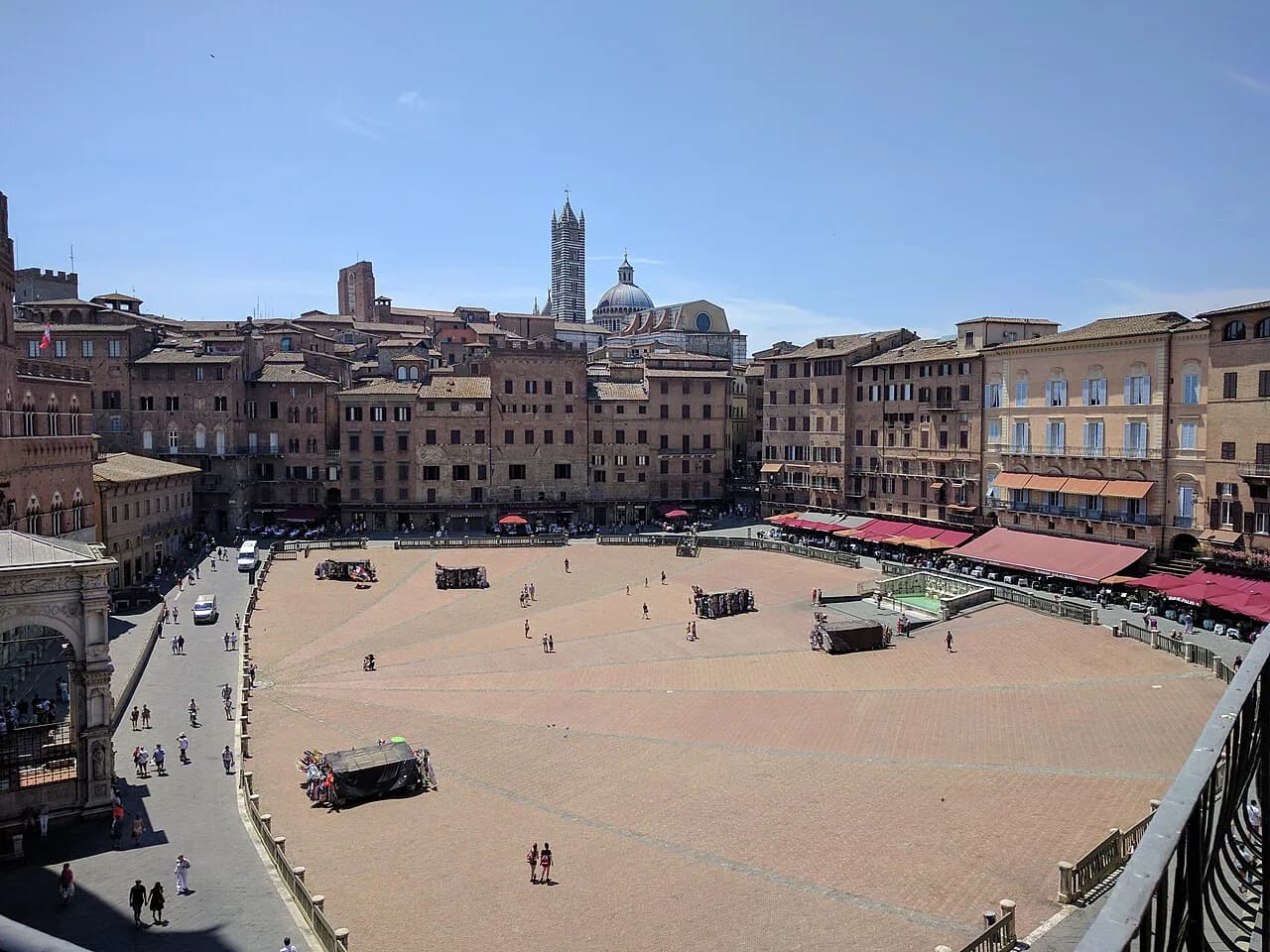
The official Piazza del Campo page describes Siena’s main square with its shell-shaped layout, pointing towards Palazzo Pubblico. Use the square as a named reference when deciding what you mean by a central stay. It gives a city visit a clearer focus than choosing accommodation simply because a search result labels it central.
For example, you might want to spend an extended part of the day exploring the centre, return to the room to rest, then go out again. Or you may prefer one continuous city outing followed by an evening at the accommodation. Decide which pattern sounds appealing before giving the central location extra weight. A famous square can lead the itinerary without dictating every hour of it.
Banchi di Sopra: a named central hotel address
Grand Hotel Continental’s contact page gives Banchi di Sopra 85, Siena, and describes its position on the city’s central street near Piazza del Campo and the Duomo. That is the geographic reason to compare the hotel in a city-focused shortlist. The address identifies a particular central position; it does not establish the view or layout of every bedroom.
Put the Banchi di Sopra address into two possible days: one continuous city outing, or separate outings with a room return between them. We would give the central position more weight for the second pattern. For the first, decide whether another accommodation setting adds something you would enjoy after returning. This compares how you would use the address, rather than ranking every hotel in the centre.
Porta Camollia: compare Hotel Italia’s approach to the old town
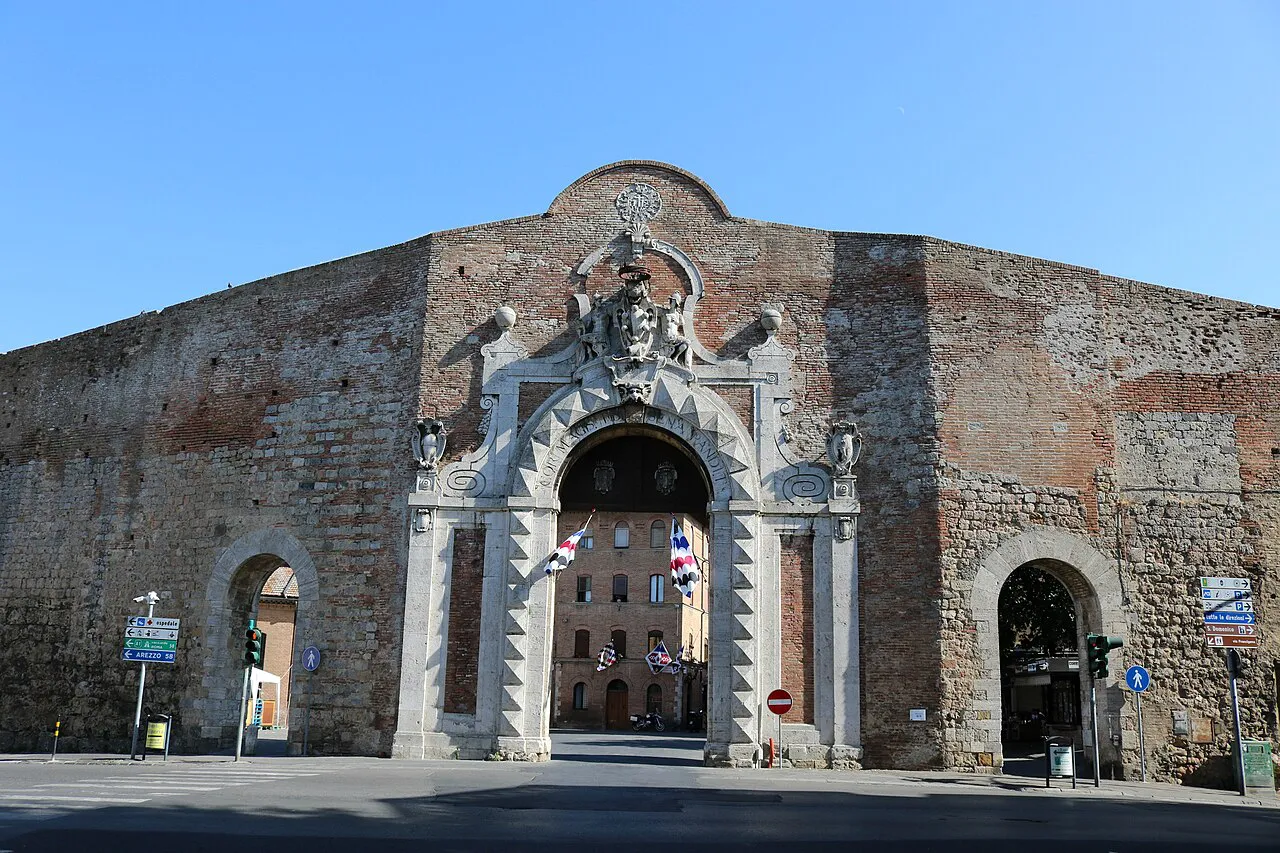
Hotel Italia’s own homepage identifies Porta Camollia as the north gate leading to the old town and describes the hotel as nearby. It gives Viale Cavour 67, Siena. These are the useful location details for this comparison: a named gate and an actual hotel address, rather than a promise that every visitor will find the approach equally convenient.
Compare Viale Cavour with the central-street option according to both arrival and the stay that follows it. Would you prefer to finish one extended city outing before returning, or return to the room and go out again? Then examine the complete approach you would use with luggage. The named gate is a useful orientation point, while the hotel address remains the place to evaluate for your particular journeys.
La Certosa di Maggiano: a nearby countryside setting
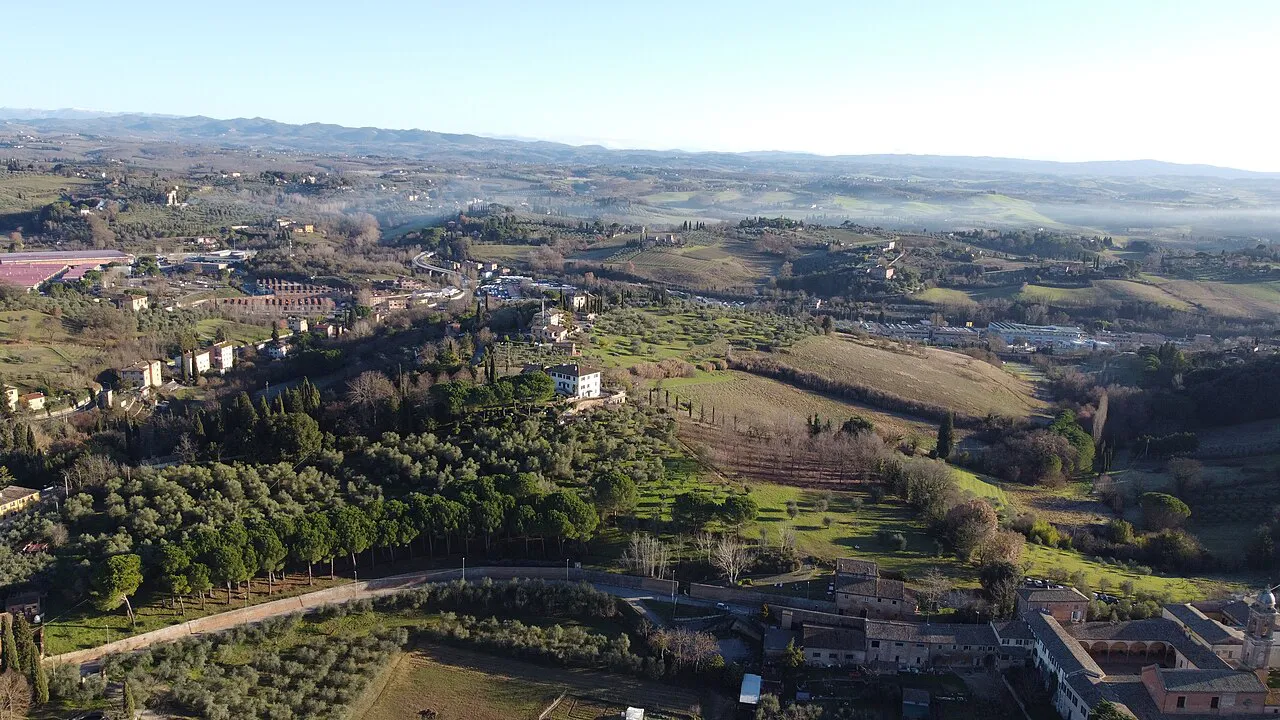
La Certosa di Maggiano’s location page places it about two kilometres from Siena’s historic centre, in the countryside among vineyards and olive groves. It gives Strada di Certosa 82/86, Siena. This is a nearby countryside example, with the city visit and the accommodation setting as two separate parts of the plan.
We would compare it when you want to allocate time to the property setting as well as the city. You might plan one city-focused outing, then return for an afternoon that you leave deliberately unfilled. That is a different use of accommodation from making several city outings in a day. Compare the setting you would use, rather than assume countryside means remote or that it guarantees peace and quiet.
Railway arrival: the station and the historic visit are separate
Visit Siena places the railway station about two kilometres from the city centre. That describes the station’s relationship with the centre; it is not a hotel transfer time or the distance to every attraction. For a rail arrival, compare the hotel’s actual address with the arrival you expect, rather than assume the station is your central sightseeing reference.
A station-led enquiry and a city-led enquiry can lead to different priorities. For the arrival, you may care most about handling the luggage and reaching the room. During the stay, you may care more about returning after an outing. Put both in the comparison. A departure that shapes the final morning deserves attention too, but it need not dictate the whole holiday.
The station and Certosa: similar distances, different settings
The station’s published distance from the city centre and Certosa’s published distance from the historic centre are both about two kilometres. They describe different places and different relationships with the city. The number is useful for recognizing that each needs an address-level comparison; it does not make the railway approach and the countryside approach the same journey.
For an arrival-led plan, begin with the journey that brings you to the room and the departure that follows the stay. For a countryside-led plan, begin with the setting you want to spend time in, then fit the city outing around it. Similar distance descriptions can therefore serve different purposes in the decision. Compare the exact address and your intended return pattern, rather than turn either number into a walking-time promise.
Compare a city-led day with a property-led day
One city-led example would put Piazza del Campo at the heart of the outing, with the Duomo as another chosen interest. You could plan those interests as one extended outing, or prefer a room return between separate visits. We would start the repeated-return enquiry with the Banchi di Sopra address. That is our planning preference, not a prescribed sightseeing route or an opening-hours promise.
For a property-led plan, imagine giving part of the day to the countryside accommodation and a separate part to the city visit. The important question is whether you would use both parts of that plan. Someone who expects to be out throughout the day may value the setting differently from someone looking forward to returning early. Neither plan requires a mandatory number of nights.
Choose the base before choosing the exact room
A group planning to split up for different city interests may prefer to begin with the central address. A group looking forward to one shared city outing and time at the countryside accommodation may prefer to investigate that setting first. Agree on the part of the stay that everyone expects to use, then compare the actual room for the people sharing it. A broad family or couples label cannot make that decision for you.
If no option clearly leads, keep a shortlist of the central street, the gate approach and the countryside property for the same dates and party. Put the room offer beside one realistic day you want to spend there. If driving affects the choice, establish the exact arrival and vehicle arrangement with the hotel. Choose the combination that supports that day, rather than ask an area label to settle every detail.
Choose the place you want to return to
For repeated city outings, we would start with a named central address. For a different approach to the old town, compare Hotel Italia’s gate relationship and actual address. For time divided between the city and a countryside setting, investigate La Certosa di Maggiano. Give the arrival and departure their place in the decision, then choose the room around the people sharing the stay. If you are combining this trip with Florence, see our guide to where to stay in Florence.
Explore more Siena guides
Frequently Asked Questions
Should I stay in Siena’s centre or outside the walls?
Start with the daily plan. A central address would be our first enquiry for repeated city outings. Compare an alternative setting when you expect one longer city visit or want to spend part of the day at the accommodation. There is no universal choice for every group.
Is Siena railway station in the historic centre?
Visit Siena places the railway station about two kilometres from the city centre. Compare the accommodation’s actual address with your arrival and daily outings. That distance is not a fixed transfer time or a universal walking route.
Where is Hotel Italia in relation to Porta Camollia?
Its operator describes it as nearby and identifies Porta Camollia as the north gate leading to the old town. Use the hotel’s actual address when evaluating your proposed approach, rather than assume every route or visitor has the same requirements.
Is La Certosa di Maggiano a countryside stay?
Its operator describes a countryside setting about two kilometres from Siena’s historic centre. Compare it when you want time at that setting as well as a city outing. The stated distance does not establish how your particular journey would work.
Can I assume a central hotel permits unrestricted car arrival?
Establish the arrangement for the exact hotel address before choosing it around a car arrival. Ask how you would approach, unload and handle the vehicle for your intended stay. A central location alone does not answer those questions.
Sources
You might also like
Continue reading
More guides you'll find useful

_01.jpg)
