
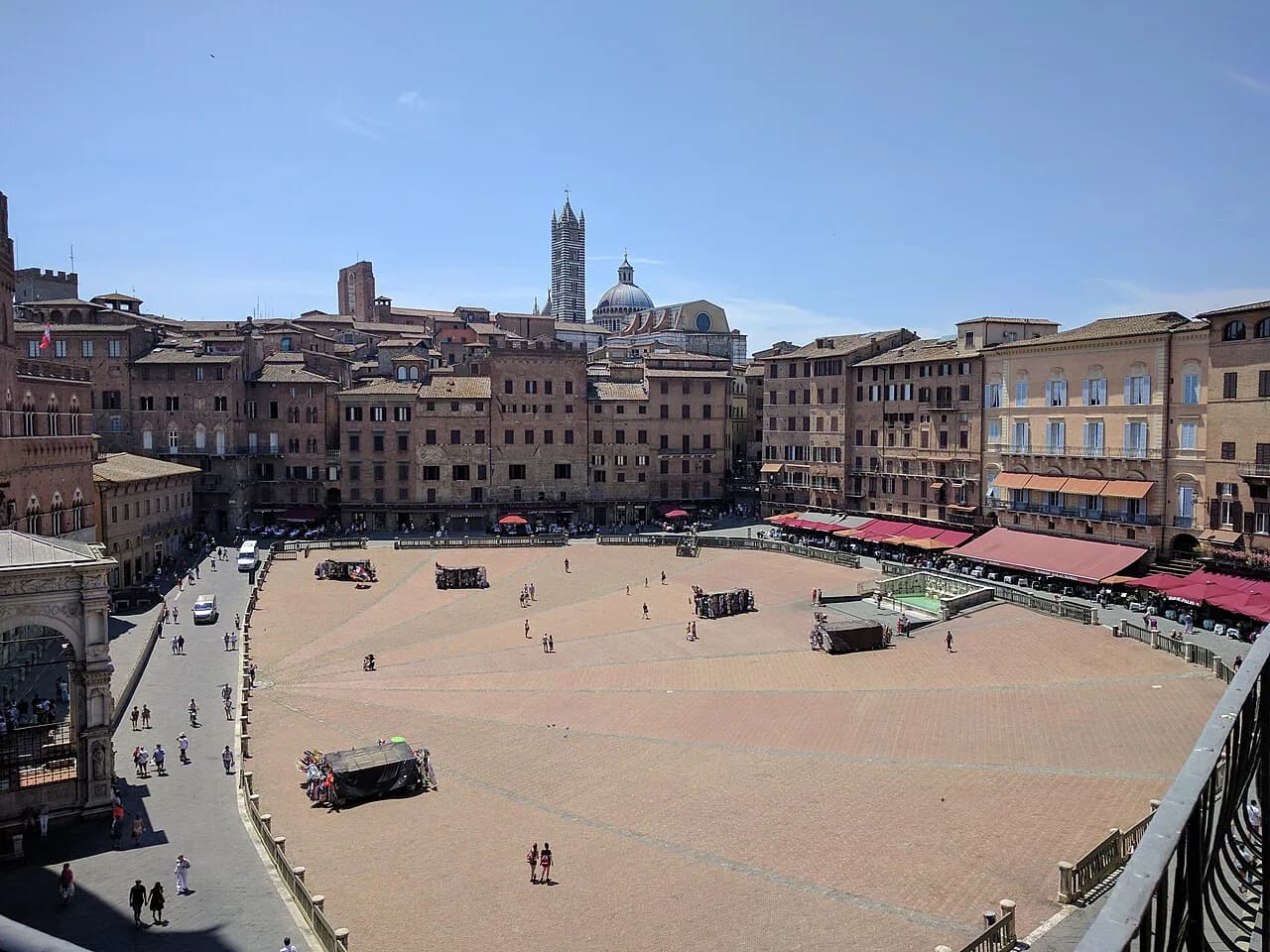
Hotels in Siena City Center: Addresses, Settings and Views
Compare Siena city-center hotels by their actual addresses, wall-side setting and documented room outlooks, then choose the features your visit needs.
AI-assisted guide · Sources and editorial policy
On this page
For hotels in Siena city center, we would compare three different priorities: a position by a city gate, time in shared hotel spaces, or an address on the central corso. Then choose the room feature that matters most. The center label helps organize the search, but the selected address and bedroom tell you more about the stay you are buying.
This guide compares Hotel Athena, Palazzo Ravizza and Grand Hotel Continental through documented locations and selected room distinctions. If you are still deciding between the center and another base, start with where to stay. Here, the decision is closer: which central address fits your outings, and what do you want to see or use when you return?
Three central addresses, three starting points
Hotel Athena lists Via P. Mascagni 55 and places itself just inside Porta San Marco. Palazzo Ravizza gives Pian dei Mantellini 34 in the historic center. Grand Hotel Continental lists Banchi di Sopra 85 and describes its position on the city’s central corso.
Use those addresses as three starting points for your own plan. Mark the places you have actually chosen to visit, rather than every attraction you might eventually include. Then look at where each hotel entrance sits in relation to that short list. This is more useful than accepting a directory’s center label as a complete location recommendation.
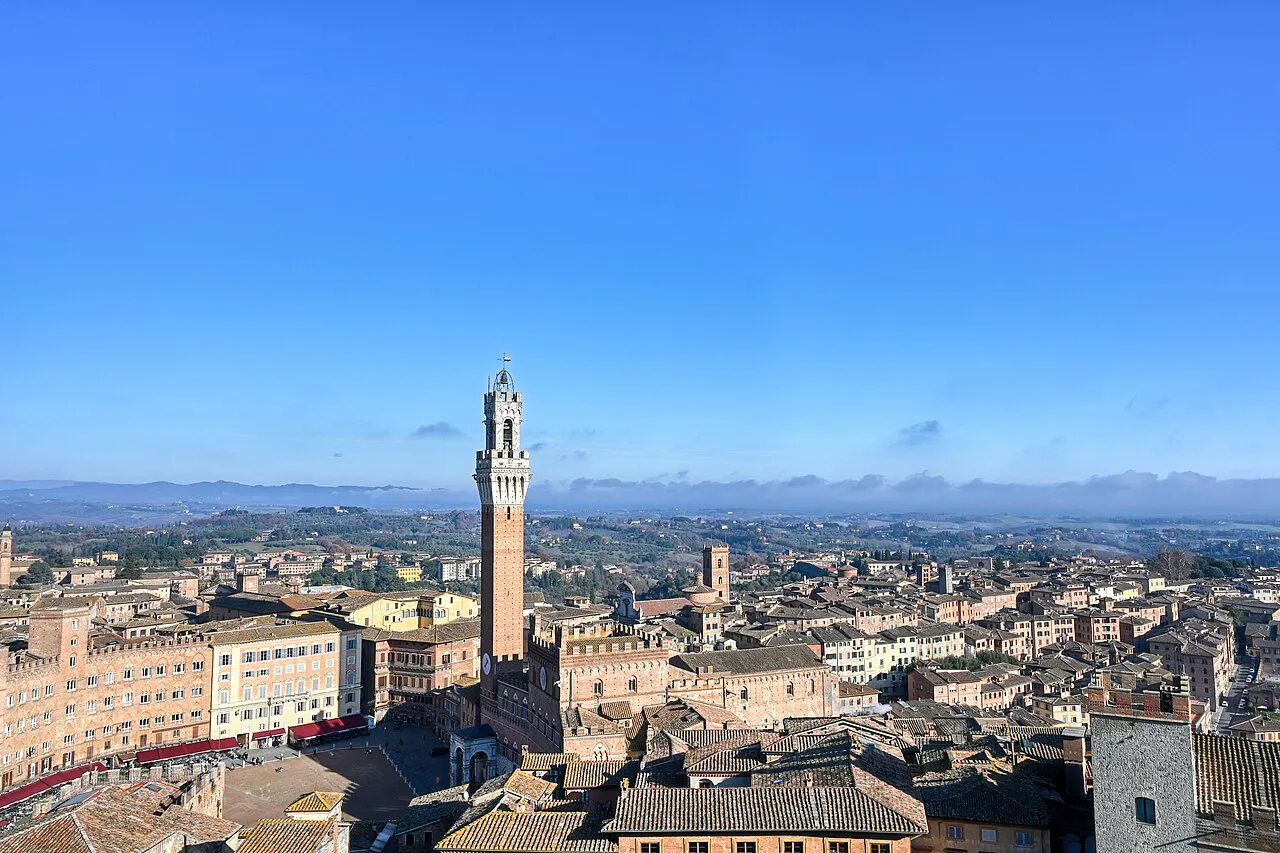
Hotel Athena: a base inside Porta San Marco
Athena’s operator identifies its location as inside Porta San Marco, within the historic center. That makes the gate a concrete reference for your hotel search. We would investigate this address when a position near that edge of the center appeals, rather than select it through a general central-hotel ranking.
The useful exercise is to picture your first outing from the entrance. Choose one destination, then consider the route shown on your map and any personal requirements that affect it. Repeat that exercise for the other two addresses. A short route for one plan can be less relevant for another; the hotel’s position should answer your actual itinerary.
For this candidate, make the gate-side position the reason to investigate the address, then use the room category to settle the indoor preference. Leave detailed arrival questions until you have an offer worth pursuing; the final section explains how to separate those questions.
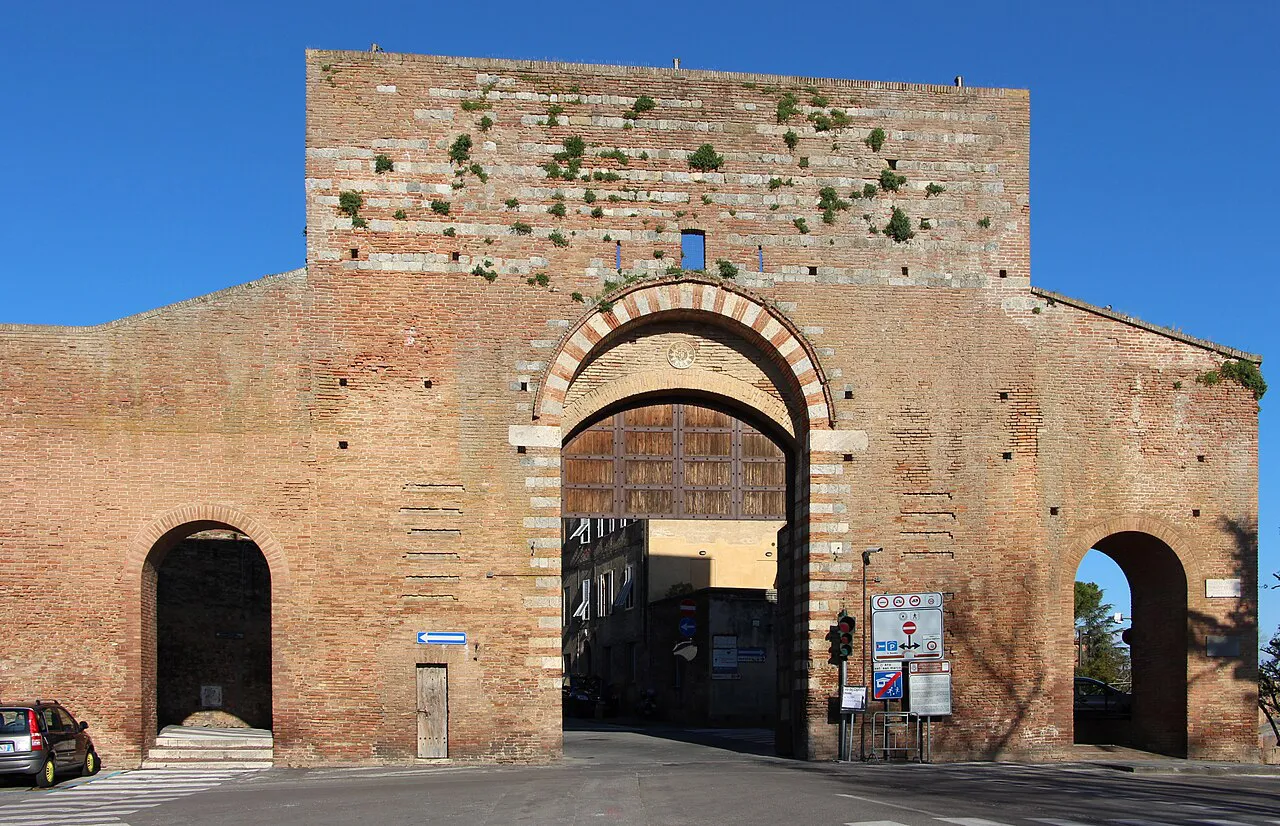
Athena rooms: floor and outlook are different choices
The Classic category is listed at 172 square feet for two guests on the ground floor. Deluxe is listed at 194 square feet for two guests on the top floor, with a window or balcony and views toward the countryside or the historic center. These alternatives give you a more precise comparison than the category names alone.
We would compare these rooms by the feature you expect to use. A ground-floor position is one preference; looking outward from an upper floor is another. If sitting outside is essential, a balcony matters differently from a generous window. Treat the outdoor space and the direction of the view as separate requirements when you choose among the available offers.
The Deluxe description gives two separate alternatives: window or balcony, and countryside or historic-center outlook. If a particular combination is the reason for an upgrade, ask for that combination in the offer for your dates. Decide how much the outlook is worth before letting the category name decide.
Palazzo Ravizza: shared spaces within the walls
Ravizza’s hotel description places the property within Siena’s city walls and identifies sitting rooms, a reading room, a bar, a lemon-house and a garden. We would compare this setting when you want somewhere within the hotel to spend part of an afternoon, beyond the bedroom itself.
Think about the kind of pause you enjoy. Reading a few chapters, talking with a companion and spending time outdoors are different preferences from simply returning to sleep. A shared-space priority can change your shortlist even when two bedrooms look equally appealing. Give it weight only if it is something you expect to use.
A useful comparison separates three things: the shared spaces that draw you to the property, the position of your bedroom, and the time you plan to spend in each. That distinction helps prevent a photograph of the grounds from deciding a room choice that has a different outlook.
Ravizza rooms: garden side or facade side
The operator distinguishes garden-facing rooms with views of the Sienese hills from facade rooms, which it describes as its largest rooms with historic wall decoration. We would compare the former for the outward outlook and the latter for the interior presentation and the operator’s relative-size distinction.
An outlook is something you experience from the room; access to shared grounds is something you experience elsewhere. Keep those benefits separate when comparing an offer. You may value both, or discover that one matters far more. The word garden on a room description should lead you to the actual room presentation, rather than decide the whole booking.
Likewise, larger is a relative description rather than a floor plan. If usable space is your priority, ask for the dimensions and arrangement of the particular category you are considering. Interior character and practical space can both matter, but they answer different questions. Choose the one that most changes your enjoyment of the stay.
Grand Hotel Continental: the central corso address
Grand Hotel Continental’s operator gives Banchi di Sopra 85 and describes the hotel as being on the central corso. We would investigate it when that street position is the main reason for the stay. This is an address-led choice, separate from the floor and outlook comparisons at the other properties.
If the character of a higher-end room is your main priority, compare the separate guide to luxury hotels. Here, we would keep the street position as the reason to investigate this candidate and let the actual room offer settle the interior choice.
Choose the view you want, not the label you recognize
A city-center stay and a city-facing bedroom are separate preferences. Decide whether you want an outlook toward buildings, a broader landscape, or no view-related upgrade at all. Then weigh that preference against how much time you expect to spend in the room. A view can be a meaningful part of the stay without being necessary for every itinerary.
Compare offers in a simple order: the entrance address, the named room, then the feature that justifies any upgrade. If two offers differ in both room position and outdoor space, identify which change matters more. This prevents an attractive category name from combining several benefits that you have not actually selected.
Arrival: settle the address-specific practical details
Once you have a favorite, give the hotel your planned means of arrival and ask for the instructions relevant to that booking. For a car arrival, separate permission to approach the entrance from any parking arrangement. For another arrival method, establish where you will be dropped off and how you will reach reception with luggage.
If you have a mobility requirement, describe the complete route you need: entrance to reception, reception to bedroom, and access to the shared space you intend to use. A floor label does not answer those questions by itself. Make the confirmed arrangement part of your decision, alongside the room features you have already compared.
Choose an address first, then one room priority
We would narrow the shortlist in two passes. First, choose the entrance that best matches the places in your plan. Then choose the room or shared-space feature that will make a real difference to your stay. Keep one main priority in view, so an appealing description does not obscure the practical reason you chose the hotel.
Frequently Asked Questions
Which three central hotel addresses should I compare?
Compare Via P. Mascagni 55, Pian dei Mantellini 34 and Banchi di Sopra 85. Use your chosen outings to decide which entrance fits your plans, then compare the room offer.
Do all Athena Deluxe rooms have balconies?
No. The operator describes a window or balcony, alongside countryside or historic-center outlooks. Choose an offer that identifies the combination you want if that feature is the reason for upgrading.
How do Ravizza’s two room sides differ?
Garden-facing rooms have hill outlooks; the operator describes facade rooms as its largest, with historic wall decoration. Compare the outlook with the interior and space you want.
Does a central address guarantee a city-view bedroom?
No. Treat the hotel location and the room outlook as separate choices. Use the named room description to establish the outlook relevant to the offer you select.
Does a ground-floor room establish step-free access?
No. Ask about the complete route from entrance to reception and bedroom, including any shared space you plan to use. A floor designation alone does not establish that route.
Sources
You might also like


Continue reading
More guides you'll find useful


.jpg)

