
Hotels Near Venice Mestre Station: Compare Rooms and Layouts
Compare Tritone, Plaza and Bologna near Venice Mestre station by actual bed layouts, connected rooms, workspace and the parking arrangement that fits your stay.
AI-assisted guide · Sources and editorial policy
On this page
My starting shortlist near Venice Mestre station would be Tritone, Plaza and Bologna, with the room requirement deciding their order. For three travelers, first decide whether anyone will share a bed. For four, distinguish a room that accommodates four from an arrangement that gives each person a separate bed. If working during the stay matters, put the relationship between the bedroom and workspace on the shortlist too.
Choose Mestre because a stay around that railway station serves an actual arrival, departure or wider travel plan. If you are still deciding the base for the whole Venice visit, compare where to stay before narrowing the hotels. Once Mestre is the choice, the useful question is which specific accommodation fits the party and the time you intend to spend there.
Station settings: use each hotel’s actual address
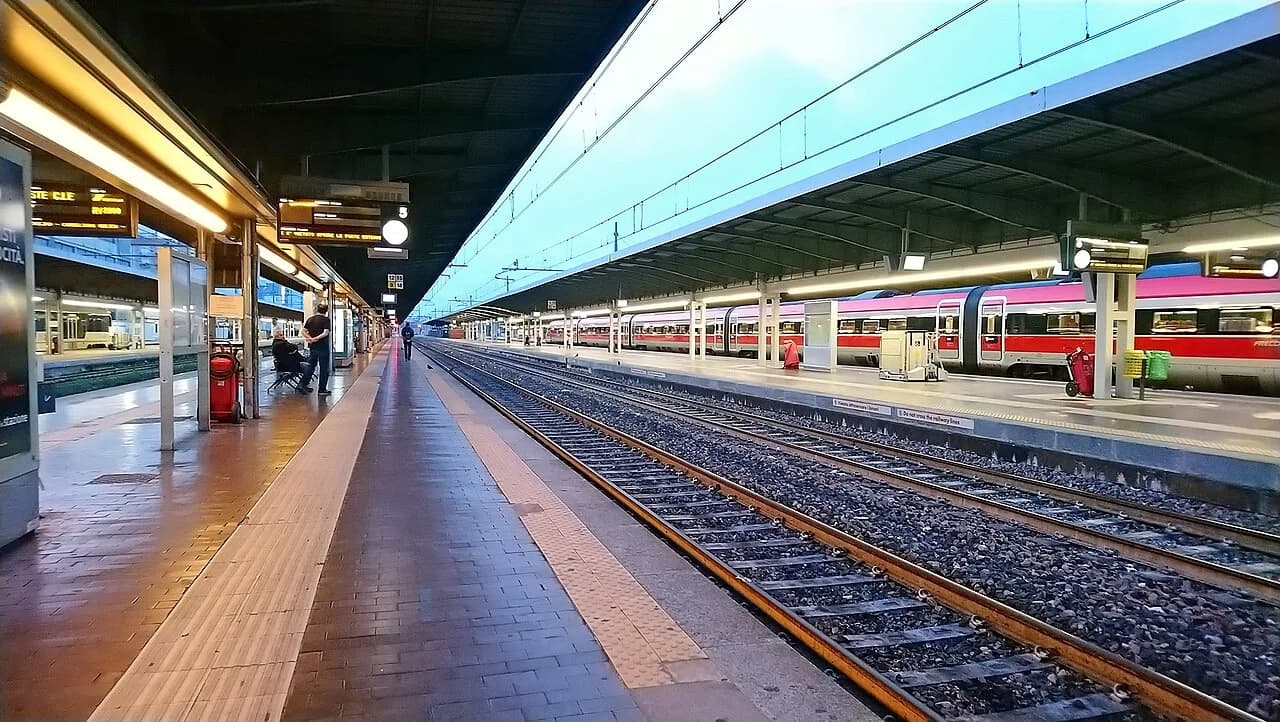
Best Western Hotel Tritone gives Viale Stazione 16 and places itself in front of Venice-Mestre station. Hotel Bologna gives Via Piave 214 and also describes a position in front of Venezia Mestre railway station. Hotel Plaza lists Viale Stazione 36 on its rooms page.
I would use these addresses as the starting references, then let the room determine which offer to investigate first. Tritone and Bologna explicitly describe their station-front setting; for Plaza, use the stated address when planning the arrival. A station-related hotel search should still answer the accommodation question: a couple wanting twin beds, a trio wanting three singles and a group accepting shared doubles can need different rooms despite starting with the same railway priority.
Tritone: consider the specifically named connecting-room option
Tritone lists a Superior option with a queen bed and two single beds in two connecting rooms. It also names a Classic queen-plus-single category. Compare these specific sleeping arrangements when choosing an offer.
I would investigate the connecting option when having two rooms together is an essential preference. The listed queen and singles make it worth examining for a party whose travelers have different sharing preferences. Decide who would use each sleeping place, then compare the offer on that arrangement. Connecting rooms can answer a different priority from a larger single room: the way the party divides its time between the rooms may matter more than the total space. Use the named option as the starting point for that conversation.
Plaza Classic: choose three singles or a shared king plus single
Plaza’s Classic averages 20 square metres, with capacity for three. The triple has a king bed and single or three separate singles.
For three friends who each want their own bed, I would start with the three-single arrangement. For a couple traveling with a third person, the king-plus-single option may fit their preferred routine. Agree on that before comparing the room with another hotel’s triple: the word triple answers the party size, while the bed configuration answers how the group will share it. A parent and older children, for example, may prioritize a different arrangement from a couple with another adult joining them.
Plaza Nova: four guests with two king beds
Plaza’s Nova averages 40–50 square metres and accommodates up to four guests with two king beds and a workspace.
I would investigate Nova when two shared beds suit the party and time in the room is part of the stay. A four-person group should agree on the pairs before putting it ahead of a connecting-room candidate. For travelers who want individual beds, the extra area cannot substitute for that sleeping requirement. Compare the room through the way you would actually use it: two couples may be comfortable sharing this format, while four friends may prefer to investigate a different arrangement. Give the sharing decision more weight than the larger floor-area figure.
Bologna Triple and Family: specific three versus variable arrangements
Bologna’s Triple averages 22 square metres and accommodates three people with a queen bed and single. Its Family category lists average areas of 30 or 35 square metres and describes variable arrangements: three separate beds or a double with extra beds. The Family description does not state a fixed four-person maximum.
For three travelers happy with one shared bed, I would compare Bologna’s Triple with Plaza’s king-plus-single Classic. If separate beds are essential, investigate the actual Bologna Family offer alongside Plaza’s three-single option. Choose from the arrangement that would be offered to your party. A Family label should not replace the bed discussion: travelers of the same age group can have different sharing preferences, and a larger room can still be the wrong format. Keep the permitted guest count and the actual sleeping arrangement together in the final comparison.
Bologna Junior Suite: keep the bedroom and workspace distinct
Bologna’s Junior Suite averages 28 square metres and separates the bedroom from the working space, with a double or twin-bed option. Its Classic averages 22 square metres and also offers double or twin beds. The Junior description identifies a workspace, rather than a separate living room or additional guest capacity.
I would give the Junior category weight when work needs its own place during the stay. Decide whether having the workspace apart from the bedroom would change the routine you want, then compare it with the Classic offer. For a couple or two travelers, the double-versus-twin choice can matter independently of that work preference. Someone expecting only to sleep at the hotel may put the bed arrangement first; someone planning to spend part of the day working may investigate the division of space more closely. If your companion expects to sleep while you work, identify that as a deciding preference early. If both travelers intend to be out during the day, the workspace may deserve less weight than the bed choice.
Plaza arrival day: use luggage storage for the plan you have
Plaza offers free luggage storage before check-in and after check-out, plus reception around the clock. I would weigh bag storage separately from requested room access.
I would give luggage storage weight if the day includes time between the train arrival and your intended use of the room, or between leaving the room and the departure. Think through that day separately from the sleeping arrangement. A party that wants to leave bags and go out has a different immediate priority from one that needs to use the room on arrival. Put room access into the actual arrival arrangement, then use the published storage service for the part of the day it serves.
Tritone parking: account for an offsite service separately
Tritone lists paid offsite parking and electric-vehicle charging available for a fee at the offsite parking. Include the offsite arrangement in a car-and-train itinerary alongside the room choice.
For a trip involving a car, I would compare the parking arrangement alongside the rail and hotel plans. Establish when you intend to leave the car and when you need it again, then decide whether that arrangement works with the accommodation. A rail-led trip may give parking little weight; a mixed car-and-train itinerary may make it decisive. Keep that preference separate from the bed choice so that a useful station setting does not lead you to accept an unsuitable room, or a suitable room an unsuitable parking plan.
Choose Mestre for a railway purpose and the room for your routine
Tritone describes itself as a mainland gateway to Venice. I would choose this Mestre shortlist when the railway plan is the reason for the hotel search, then compare the room offers through bed sharing, connected spaces or work needs. For a sightseeing-led visit, first compare the wider base choice against the places you want to spend time.
If the accommodation itself is a major part of the holiday, compare luxury hotels as a broader search. For a Mestre station stay, my order would be the railway purpose, the party’s sleeping arrangement and any space you expect to use. Start with the requirement that would rule a room out, then use the workspace, luggage service or parking plan to choose among the offers that fit. That gives the station search a useful final decision instead of a longer list of hotel names.
Let the sleeping arrangement settle the shortlist
My recommendation is to put the exact room beside the reason you need a Mestre station stay. Investigate Plaza Classic for the choice of triple-bed arrangements, Nova when two shared king beds suit four travelers, Tritone when connecting rooms are a priority, or Bologna through its Triple, variable Family and separate-workspace options. Decide what the party needs first, then compare the actual offers and the arrival plan that goes with them.
Frequently Asked Questions
Can three guests have separate beds at Plaza?
Yes. The triple Classic offers three separate singles as an alternative to a king bed and single. Choose the arrangement you need.
Does Plaza Nova have four separate beds?
No. Nova lists up to four guests with two king beds. It suits a party comfortable sharing those two beds.
Does Bologna’s Family Room guarantee a fixed four-person layout?
No fixed four-person maximum is stated. The operator describes three separate beds or a double with extra beds; use the offer for your party.
Does Bologna’s Junior Suite have a separate living room?
The description specifies a separate bedroom and workspace, with double or twin beds. It does not identify an additional living room.
Is parking at Tritone free and onsite?
No. The operator lists paid offsite parking and offsite electric-vehicle charging for a fee. Treat that separately from the room.
Sources
You might also like


Continue reading
More guides you'll find useful


