Where to Stay in Tenerife Without a Car: Best Car-Free Bases
Staying in Tenerife without a car? Compare Santa Cruz, La Laguna, Puerto de la Cruz and Los Cristianos for buses, the tram and hotels you can walk out of.
AI-assisted guide · Sources and editorial policy
On this page
You can enjoy Tenerife without hiring a car, but where you sleep decides how easy it feels. The island's own tourism board says public transport is enough if you stay in a well-connected area, and it names the places where buses work best: Santa Cruz, La Laguna, Puerto de la Cruz and the southern tourist areas. This guide compares those four bases on transport, walkability and what is on your doorstep, then suggests three hotels with car-free-friendly locations.
Can You Do Tenerife Without a Car?
Yes, with some planning. According to Turismo de Tenerife's getting-around advice, buses are the main way to travel without a car, linking most towns, cities, tourist areas and the airports. The board describes the network as well organised, with well-marked stops and clear timetables, though journeys take longer and services thin out in rural areas or at certain times. Its overall verdict is that doing without a car is easier in urban and tourist areas.
Our ranking for car-free travellers follows from that. La Laguna and Santa Cruz come first, because they share the tram and frequent bus links. Puerto de la Cruz is the strongest northern option, with frequent buses to both cities. Los Cristianos suits beach-first trips, with regular buses around the south and to the airport. For a broader look at every coast, start with our main guide on where to stay in Tenerife.
Santa Cruz de Tenerife: The Bus and Tram Hub
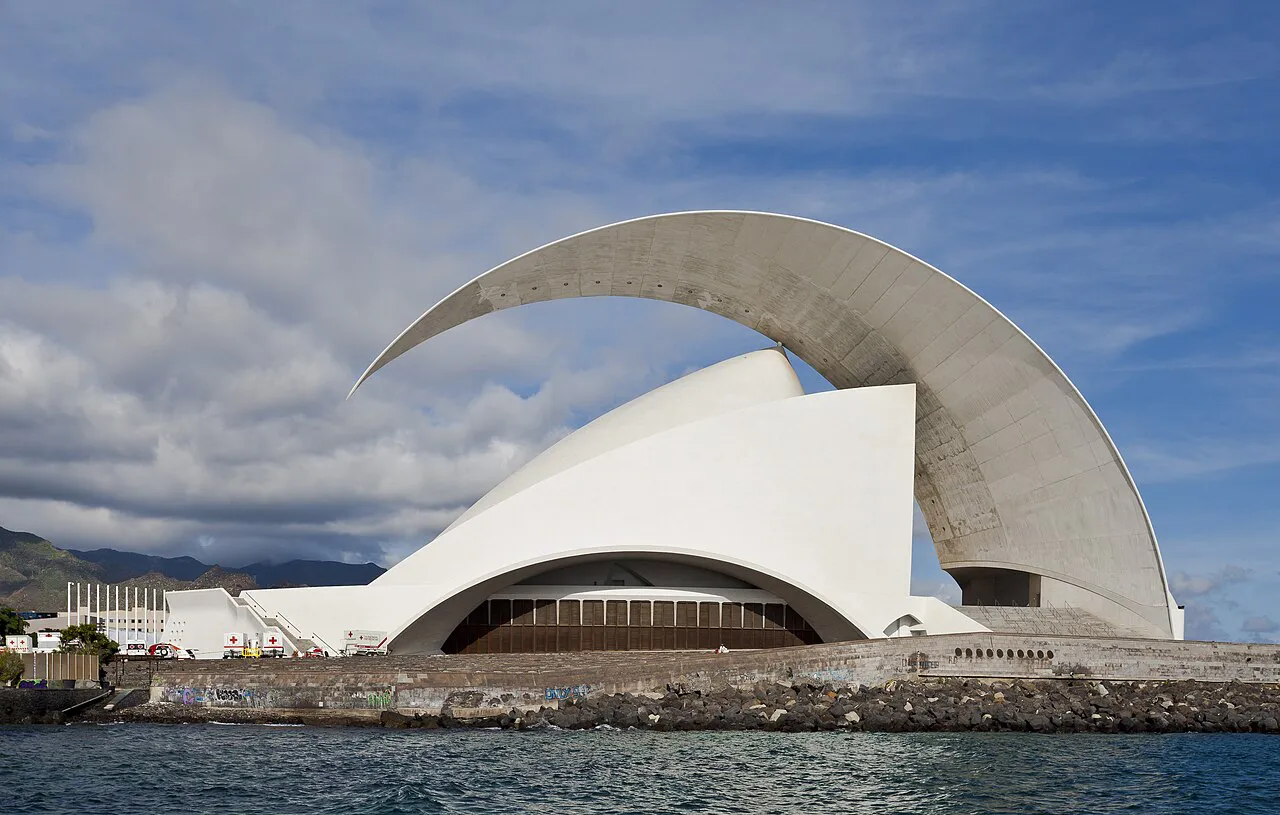
The capital has the widest reach by public transport. The tourist board's Santa Cruz page notes that TITSA's interurban buses connect it with every municipality on Tenerife, the tram runs to La Laguna, and ferries from its port serve the eastern Canary Islands. Within the city, a number of pedestrianised streets in the centre are busy with shoppers, and the Rambla, a boulevard shaded by Indian laurels, carries a walking route past sculptures by artists such as Joan Miró and Henry Moore.
Without a car, you still get a city beach: Las Teresitas, a golden-sand beach protected by a breakwater and lined with palms, sits next to the fishing district of San Andrés, and the César Manrique Maritime Park offers lagoon-style pools in the city. Evenings centre on Calle de La Noria and its restaurants and bars, which we also cover in our guide to the best area to stay in Tenerife for nightlife. Choose Santa Cruz if you want the widest choice of routes from your front door.
La Laguna: A Walkable Heritage City on the Tram
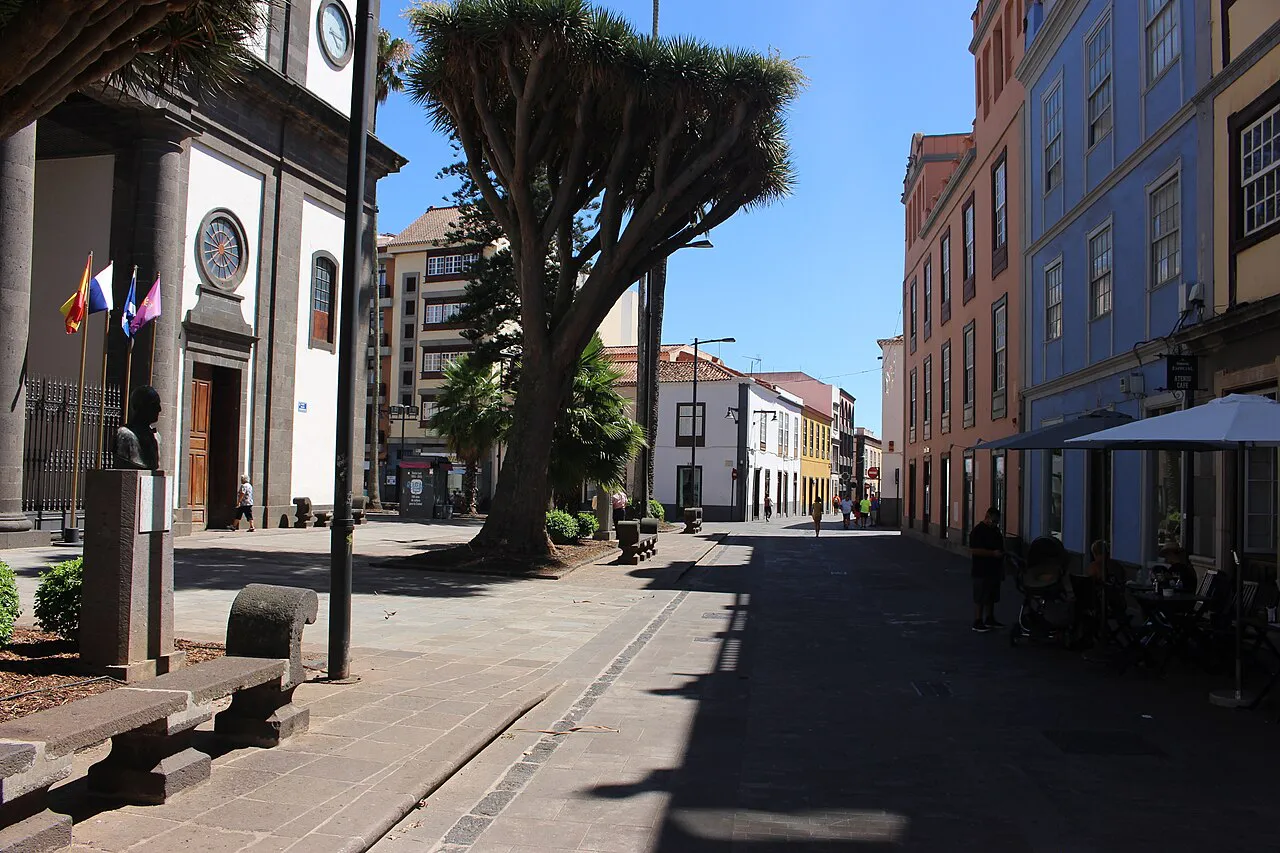
La Laguna may be the most walkable base on the island. The official La Laguna page describes a UNESCO World Heritage historic centre of pedestrian streets, squares, churches and colonial buildings, with its heritage packed into a relatively small area that is easy to cover on foot, from Plaza del Adelantado along Calle de la Carrera to the Cathedral. The city is home to the first university in the Canary Islands, and its pedestrian centre stays lively with street musicians, taverns, restaurants and bars.
Getting out is simple too. TITSA buses link La Laguna and Santa Cruz frequently, and Metrotenerife's two tram lines connect the main places of interest across the metropolitan area between the two cities. Line 1 runs past public offices, cultural and educational centres, hospitals and shopping zones, while Line 2 crosses it to serve La Cuesta, Taco and Tincer. Tenerife North Airport is also in the municipality, at Los Rodeos on the city's outskirts.
Puerto de la Cruz: Pedestrian Old Town in the North
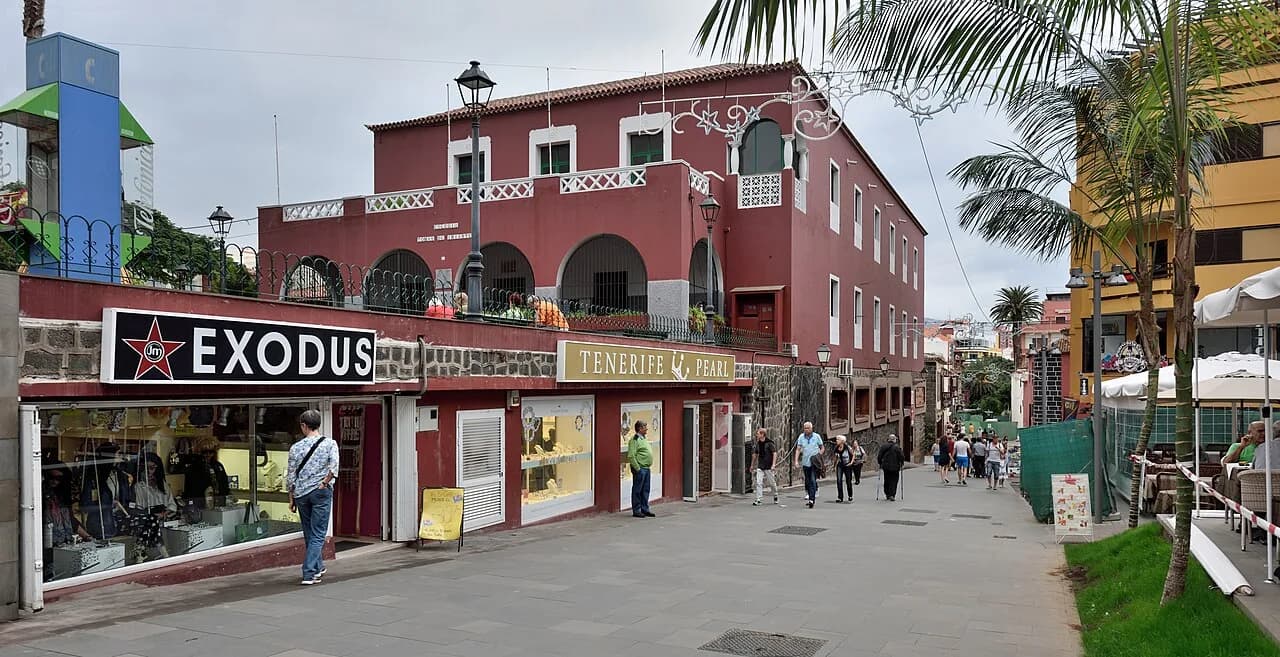
The north is one of the best-connected parts of the island, and the getting-around guidance singles out frequent buses between Santa Cruz, La Laguna and Puerto de la Cruz, letting you move between cities, shopping areas and sights without a car. In the board's overview of Tenerife's towns, Puerto de la Cruz stands for tourist tradition, gardens and coastal promenades, and TITSA's interurban lines also link it with Santa Cruz and Adeje in the south.
That makes Puerto de la Cruz the pick for car-free travellers who want a seaside town with a quieter, more historic feel than the southern resorts, and it is close to Tenerife North Airport. If you want a grander hotel for a few nights, our round-up of 5-star hotels in Puerto de la Cruz, Tenerife compares the options.
Los Cristianos and the Southern Resorts
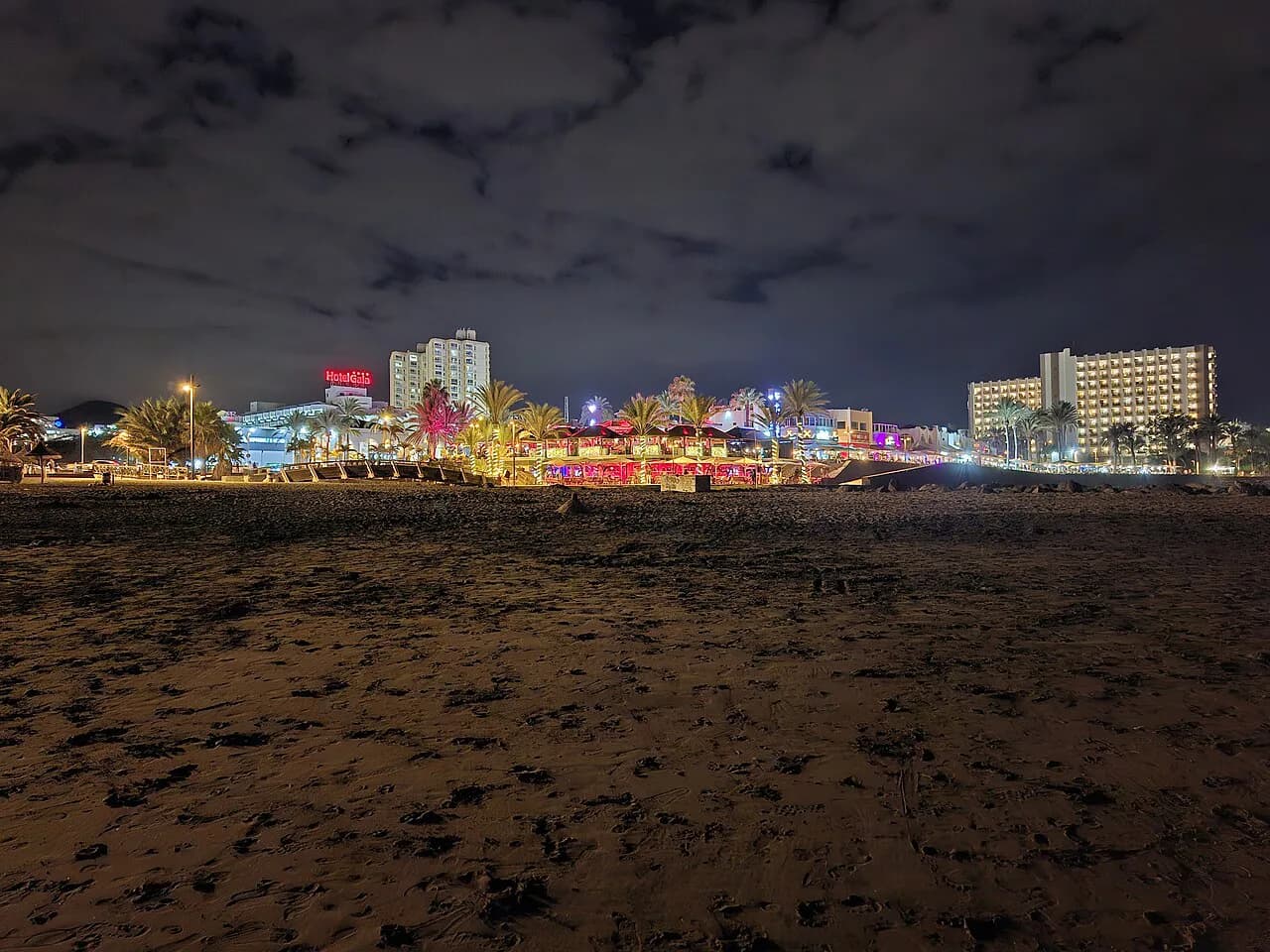
The south is very tourist-oriented, with good transport infrastructure and regular bus lines linking the main resorts with each other and with the airport. Southern towns such as Adeje and Arona hold much of the island's tourist infrastructure, with beaches, leisure, shopping and a wide range of hotels. The trade-off is that southern buses suit regular journeys to popular places better than one-off trips.
Base yourself here if beaches are the priority and you are happy to join an organised excursion for a day in the mountains or the north. Families comparing southern resorts can also read our guide to the best area to stay in Tenerife for families.
Walkable Hotels to Consider: Aguere, Monopol and Arona Gran
In La Laguna, Hotel Aguere's own site places it in the heart of the city, in a 17th-century building that was once the residence of the Marquises of Torrehermosa and overlooks the Leal Theatre. It has 22 rooms decorated in keeping with La Laguna's past, and a traditional Canarian interior courtyard under a glass roof where you can stop for coffee and a snack. For similar characterful properties, see our guide to boutique hotels in Tenerife.
In Puerto de la Cruz, Hotel Monopol describes its location in an open pedestrian area near the three loveliest town squares, a few minutes' walk from the old town and the sea and near the flower market. The same family has run it for over 92 years, and it has a palm-filled patio under a glass roof and free WiFi throughout.
In the south, Arona Gran Hotel's FAQ puts the adults-only (16+) hotel on the seafront in Los Cristianos and says you can arrive by taxi, bus or hire car. The hotel has no parking of its own, which matters less if you are not driving, and it lists luggage storage and a 24-hour reception, both handy for bus or taxi arrivals.
Bus, Tram, Taxi or Excursion: Filling the Gaps
Crossing the island from north to south by bus is the economical option, but it takes longer than driving and may involve changes, so check timetables before you set off. Taxis are the board's suggestion for short hops, late-night journeys, places buses reach poorly and airport runs with luggage. Organised excursions cover natural areas and specific sights, usually with transfers, a guide and a set schedule included.
A practical split is to use the tram and buses for everyday movement, keep taxis for arrivals, departures and late evenings, and book an excursion for the mountain or coastal trips that public transport makes awkward.
Where a Car-Free Base Works Less Well
Public transport is weakest in rural, mountain and quieter areas, where services may be less frequent and journeys longer. In the north, a car makes it easier to reach smaller towns, viewpoints and natural spaces or to hike the interior, and in the south it helps if you want quieter beaches or several stops in one day. Smaller villages such as Garachico, Icod de los Vinos and Vilaflor are better treated as planned day trips than as bases if you are not driving.
Choosing Your Car-Free Base
For the easiest car-free stay, base yourself in La Laguna or Santa Cruz, where the tram and the bus network meet. Choose Puerto de la Cruz for a northern seaside town with frequent buses to both cities, or Los Cristianos if beaches come first. Pick a hotel in a pedestrian centre, and check that it is close to the stop or tram line you will use most when booking.
Frequently Asked Questions
Is it easy to get around Tenerife without a car?
Yes, especially between towns and tourist areas. The tourism board describes a well-organised bus network with clear timetables, though journeys are longer and rural services less frequent.
Which part of Tenerife is best without a car?
Santa Cruz and La Laguna have the best links because they share the tram and a dense bus network. Public transport also works well in Puerto de la Cruz and the southern tourist areas.
Does the tram go beyond Santa Cruz and La Laguna?
Metrotenerife's two tram lines serve the metropolitan area between Santa Cruz and La Laguna. For Puerto de la Cruz or the south, you will use TITSA buses.
Can you reach the airports by bus?
Yes. The tourism board says buses connect the island's towns and tourist areas with the airports, and the south has regular lines between the main resorts and the airport.
Where is public transport less useful in Tenerife?
In rural, mountain and less crowded areas, where services can be infrequent and journeys long. Combine buses with taxis or organised excursions there.
Sources
- Getting around Tenerife — Turismo de Tenerife (webtenerife)
- Cities and towns in Tenerife — Turismo de Tenerife (webtenerife)
- Santa Cruz de Tenerife — Turismo de Tenerife (webtenerife)
- San Cristóbal de La Laguna — Turismo de Tenerife (webtenerife)
- Routes and timetables — Metrotenerife (Tranvía de Tenerife)
- Arona Gran Hotel — Spring Hotels (official site)
- Hotel Monopol Tenerife (official site)
- Hotel Aguere (official site)
You might also like


Continue reading
More guides you'll find useful