

Where to Stay in Valencia, Spain: City, Park and Beach
Compare Valencia bases in Ciutat Vella, Ruzafa and Eixample, by the beach or near the arts complex, with tradeoffs for the outings you want to repeat.
AI-assisted guide · Sources and editorial policy
On this page
For a first sightseeing visit to Valencia, Spain, our starting choice is Ciutat Vella. Compare Ruzafa within the wider Eixample when food and neighborhood evenings are central interests, or the maritime areas when the shore is a principal reason for the holiday. A stay around the City of Arts and Sciences answers another preference: spending substantial time at the eastern arts complex rather than starting from the historic center.
Visit Valencia organizes the city around its center, Turia Garden, maritime areas and wider natural surroundings. That is a useful basis for choosing where to sleep: these are different patterns of stay, with different places to return to each day. The recommendations below are editorial judgments built around those local features, rather than universal rankings for couples, families or first-time visitors.
Ciutat Vella: choose around the Cathedral, Central Market and La Lonja
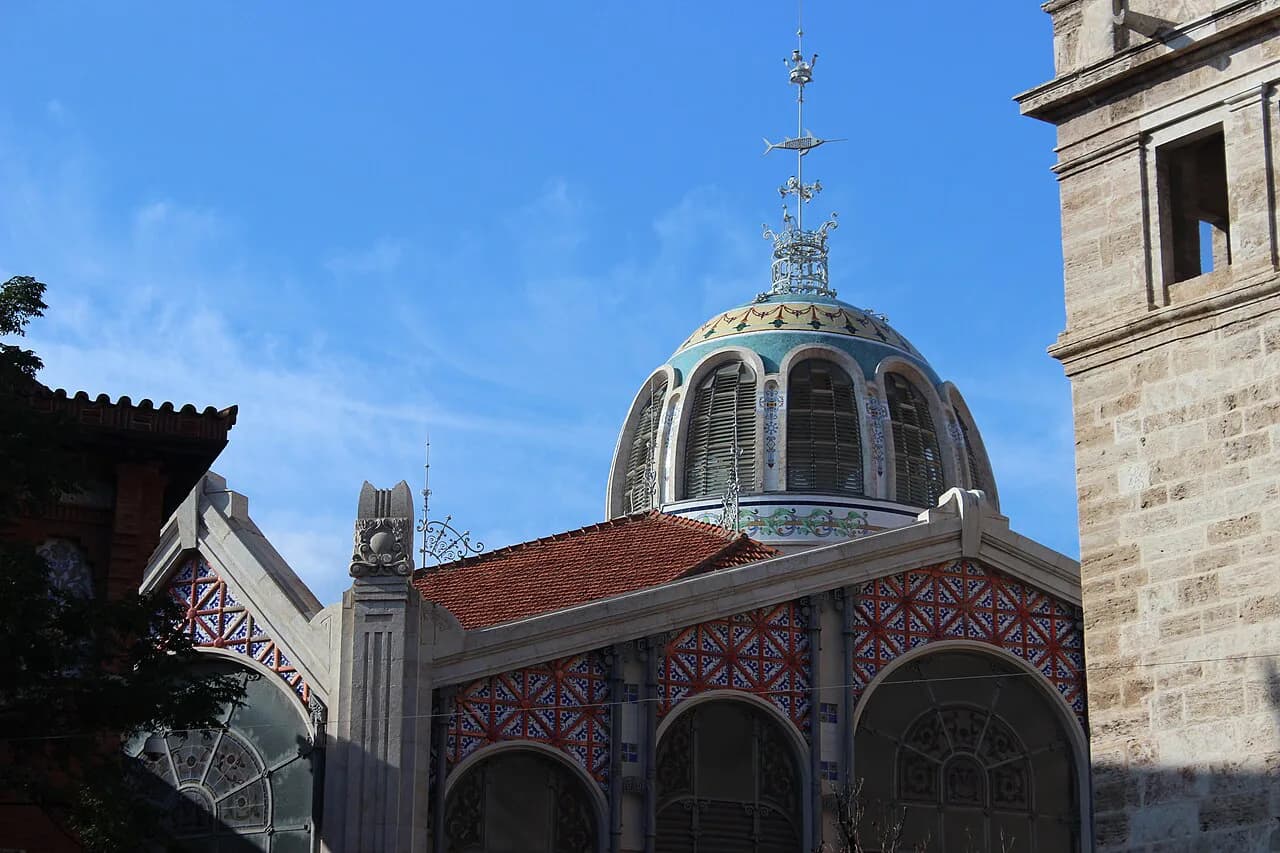
Destinationless Travel names Valencia Cathedral, the Central Market and La Lonja de la Seda in its Ciutat Vella description. We would begin the accommodation search around those interests for a history-led first visit. Decide which landmark should anchor the morning, then compare the other planned stops with that address. The setting should serve the itinerary you want, rather than a general promise that every stay makes sightseeing effortless.
The official neighborhood description also emphasizes the center’s layered architecture, including La Lonja’s Gothic identity and Baroque churches. This gives the old town a reason to be part of the visit beyond simply being central. If architecture, the market and the cathedral are what brought you to Valencia, compare accommodation around those planned outings before broadening the search to the shore or arts complex.
For a car-based trip, put the actual parking arrangement and the entrance route beside the sightseeing plan. An old-town label cannot establish where you may leave the vehicle or how you will reach the room with luggage. If most days are about the shore or the arts complex, compare that routine with a historic-center stay before committing to the landmark-led choice.
El Carmen: refine the old-town choice around lanes and towers
Lastminute’s guide places Barrio del Carmen roughly north of the Central Market toward the Turia, with Torres de Serranos and Torres de Quart as boundary references. It describes maze-like streets and old townhouses containing cafés, tapas bars and boutiques. Our recommendation is to investigate this part of the historic search when wandering the lanes and returning to their atmosphere is part of the holiday.
The same guide names San Nicolás as a church tucked into an alley in El Carmen. Serranos Towers stand beside Turia Garden as former city-wall gates. Use those references to compare a historic-center stay with the park outings you intend to make. Decide which landmark should organize the address search and whether time in the garden belongs in several days.
Compare that preference with a broader Ciutat Vella search organized around the Cathedral, Central Market and La Lonja. Both are historic-center choices, but the particular lanes, landmarks and park connection may carry different weight. For someone who expects to enjoy unstructured old-town exploring, we would keep El Carmen in the shortlist rather than choose only around the single most recognizable monument.
Ruzafa: give dining, vintage shops and evenings a role
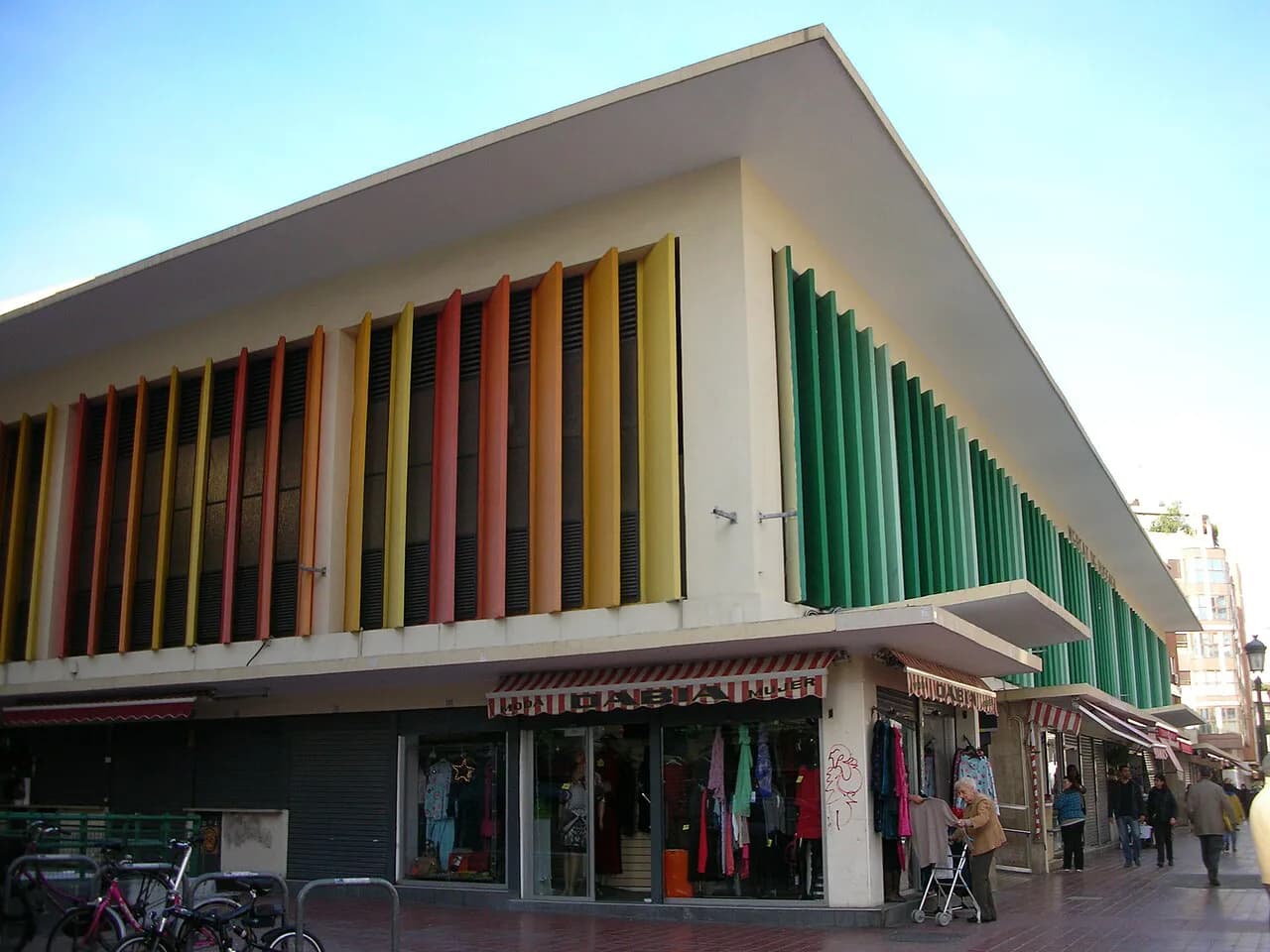
Ruzafa is one way to give food and cultural outings a larger role in the stay. The current tourism description highlights Ruzafa Market, its colorful facade and fresh produce, and presents Sala Russafa as a theater and performing-arts space. Visit Valencia’s broader area overview also identifies vintage shops in Ruzafa. We would use those two places as reference points when a market outing and an intended performance belong in the holiday, with the programme assessed separately.
The practical comparison is with the historic-center itinerary. If the Cathedral, market and La Lonja will occupy one day but dining and neighborhood outings shape several evenings, the Ruzafa interest can reasonably carry more weight. If historic sightseeing dominates the whole visit, Ciutat Vella remains a useful competing candidate. Choose around the activity you want to return to, not around a blanket label such as the best neighborhood for young travelers.
Destinationless Travel places Ruzafa within its wider Eixample comparison. Keep that distinction when reading accommodation descriptions: a broad district label may not answer the same preference as a property selected around a particular Ruzafa outing. Choose the market or evening activity you actually want, then compare the stated address with it. This is a more deliberate starting point than choosing by a fashionable-neighborhood label.
Eixample: compare modernist architecture with the historic lanes
Visit Valencia describes Eixample through modernist architecture and restaurants. We would compare that setting with the Gothic and Baroque interests of the historic-center search when architecture and dining shape several days. Decide which buildings or meals belong in the plan, rather than treat the district description as a guarantee about an accommodation’s style. Ruzafa can remain the more specific neighborhood interest within the wider comparison.
A city stay can include both settings without needing to sleep beside every planned outing. Decide whether you want to begin from the historic landmarks or from a district chosen for its modernist architecture, restaurants and evenings. Give the setting you want to explore repeatedly more weight when narrowing the central accommodation search.
Turia Garden: choose the stretch you want to use
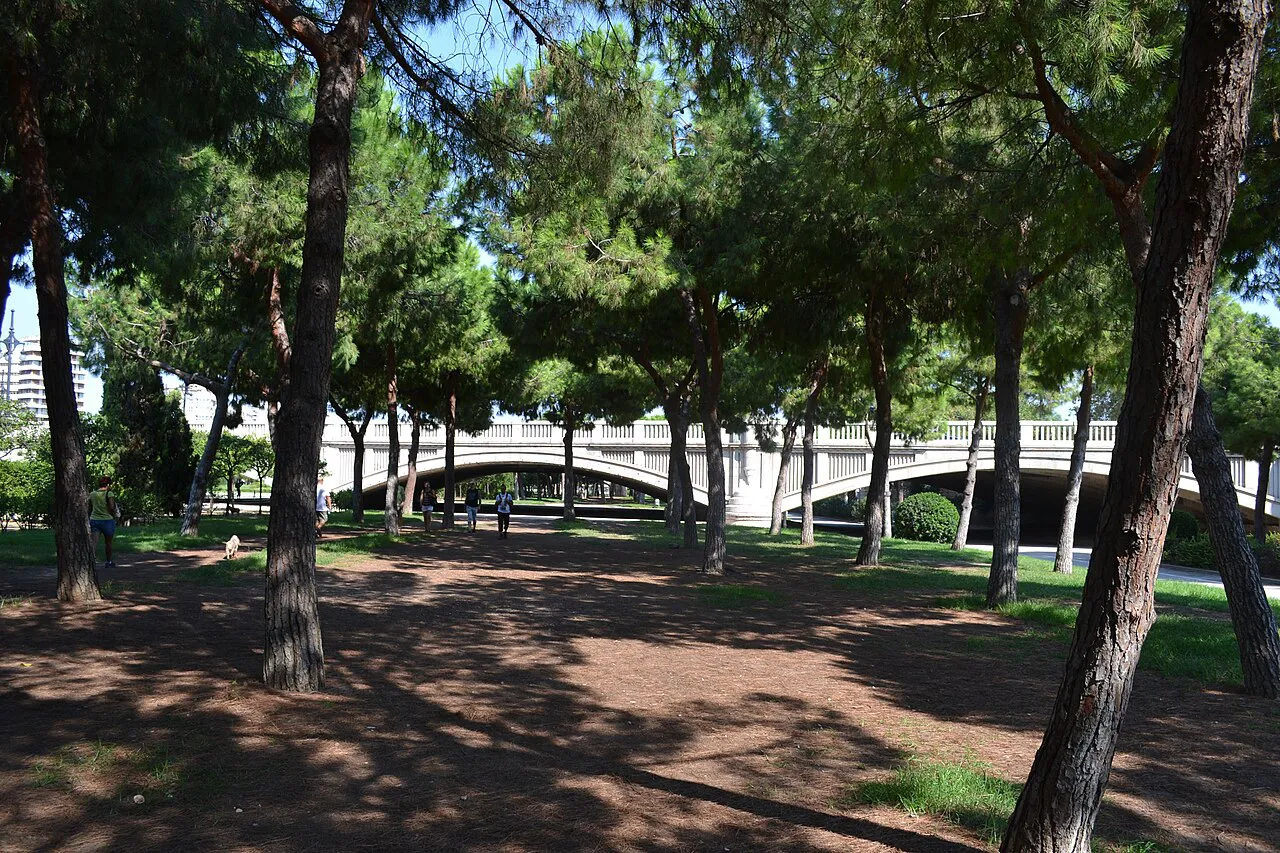
Turia Garden follows the old river course and combines green spaces with cultural, play and sports uses. A park-side stay needs a particular stretch and purpose: name the activity you want to repeat, then compare the accommodation with its location. The same broad park label can accompany different patterns of stay, so choose what the garden should contribute to an ordinary day.
The official park page describes walking, cycling and running. If one belongs in the holiday routine, decide what you want to combine it with: a historic-center outing, a particular museum or the arts complex. Include the return to the room in the comparison. The advantage should come from the section you intend to use, rather than from simply being beside a green space.
Our recommendation is to identify the park features you want to use repeatedly before selecting a candidate. A family wanting time around a playground, an art-focused traveler or someone planning regular walks has a specific reason for the park-side preference. Let that reason refine the location, instead of assuming every accommodation beside the garden serves every attraction equally.
Arts complex or Bioparc: separate the eastern and western ends
Visit Valencia puts Parque de Cabecera and Bioparc at the western end of Turia Garden, and the City of Arts and Sciences at the eastern end. Choose which destination should lead the accommodation search. A family planning substantial time at one attraction should compare addresses around that intended visit; a shared park connection does not make the two ends interchangeable.
Destinationless Travel identifies Quatre Carreres as the City of Arts and Sciences area in its overview. We would investigate that focus when these cultural outings are a principal reason for the visit. If Bioparc is the priority instead, organize the comparison around that destination. The appropriate base depends on which attraction will occupy the planned days.
Turia cultural and family outings: add specific landmarks to the choice
The park page places the Museum of Fine Arts beside the northern garden stretch and names Palau de la Música. Compare those interests with the historic-center and eastern-complex plans before choosing the base. A museum day and an intended concert can ask different things of the location, especially if a return to the room matters.
The dedicated Gulliver Park page places its play structure between the Ángel Custodio and Reino bridges and describes stairs, ramps, slides and climbing ropes. That is a specific park outing to put beside the family’s other plans. Choose how much time it should occupy and whether you want to return to the accommodation afterward; the attraction does not establish the access route or facilities of any nearby room.
Use the Serranos Towers when comparing an El Carmen stay with time in the garden. Decide whether the historic lanes and park outings should share a place in several days, or whether one belongs in a separate excursion. That gives the old-town-versus-park choice an actual reference point.
El Cabanyal: compare maritime streets with the historic center
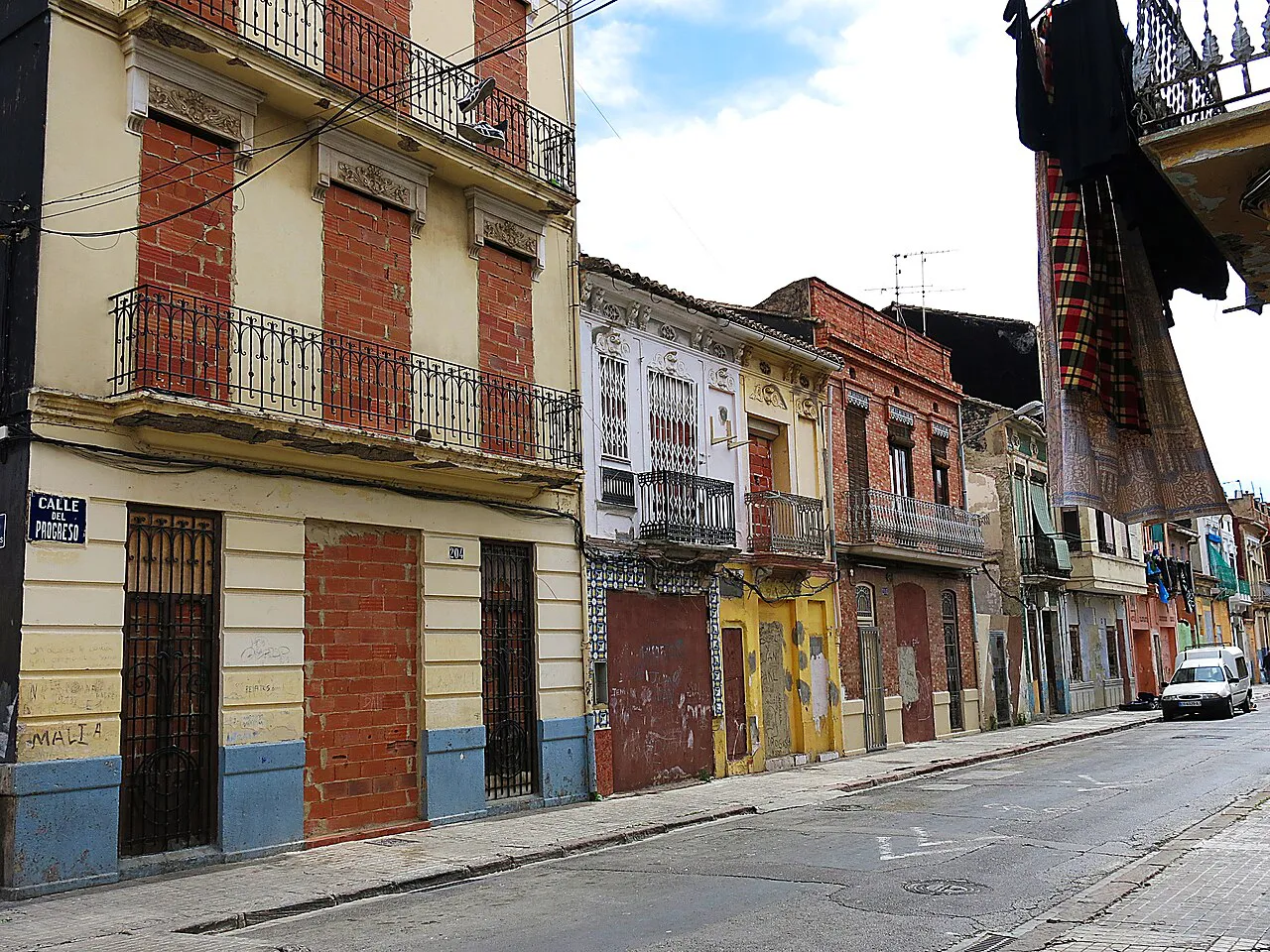
The tourism board’s Cabanyal description highlights Modernist houses with colorful tiled facades and names Sant Pere, La Reina and Escalante as streets to explore. We would investigate that setting when the maritime streets themselves are part of the holiday, alongside the shore. It supplies an architectural reason to consider the neighborhood, beyond a broad beach-area description.
Give the historic-center monuments and the maritime street outing separate places in the plan. Someone who wants to explore the tiled facades repeatedly may place more weight on the Cabanyal setting; someone mainly planning the Cathedral and Central Market may favor the historic search. Either can include the other as an outing. Choose the interest that should be part of several days, rather than the more attractive district description.
Keep the neighborhood outing and the beach routine as separate questions. One visitor may mainly want time on the sand; another may value exploring the maritime streets before or after shore outings. Let that distinction guide the particular accommodation search, rather than reduce every Cabanyal option to the same general beach-area label.
Malvarrosa and Cabanyal beach: choose around shore time
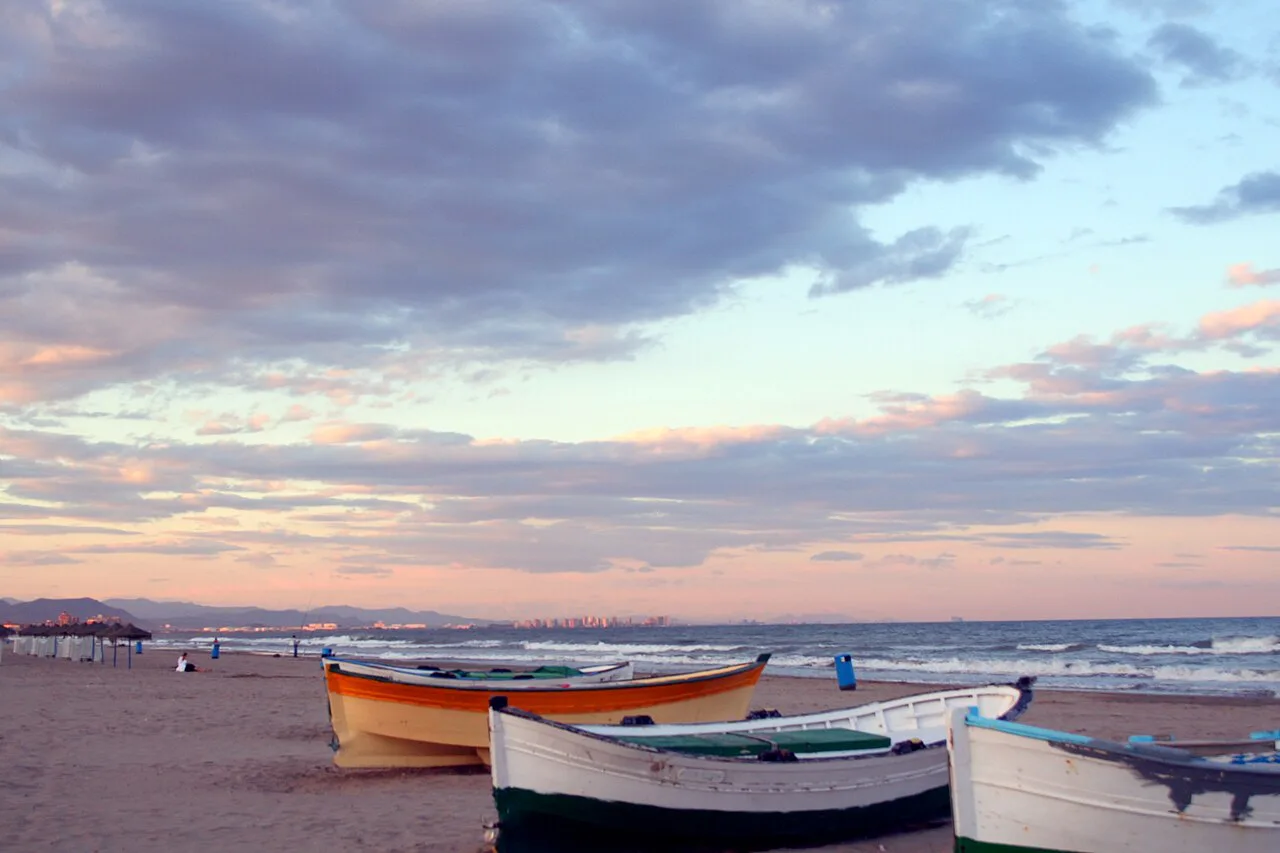
Lastminute places Malvarrosa beach east of the city center and describes Cabanyal beach at its southern end. The tourism board’s current Cabanyal article also places the two beaches beside one another. We would begin a shore-focused comparison around the beach you intend to use, then weigh the planned city outings. A neighborhood and a particular beach address should be compared separately.
Destinationless Travel recommends El Cabanyal and Malvarrosa for beach days. Our recommendation follows that interest when substantial time on the shore defines the ordinary holiday day. If beach visits occupy only one outing in a mainly urban itinerary, compare a city base first. Include the journeys you actually intend to make before deciding which version of the stay suits the group.
This is a useful choice to resolve early with the people traveling. If one person imagines several beach days and another imagines churches, markets and museums, name the priorities before the hotel search. Compare the shore and city routines as whole days, rather than assume a single accommodation label will give everyone the same convenient version of the trip.
La Marina: make waterfront interests more specific
Visit Valencia describes La Marina de Valencia as combining sailing, gastronomy and contemporary architecture near the beach. That makes it another maritime reference for selecting a base. We would include it when waterfront dining or the Marina’s architectural setting is a particular interest, alongside or instead of time mainly devoted to the beach.
Compare that with Cabanyal’s maritime streets and the Malvarrosa beach focus. These belong to the same broader shore-side decision but answer different reasons for choosing it. A visitor whose interest is the Marina setting should assess accommodation around those intended outings, while someone mainly planning beach days may start from the shore itself.
La Albufera: distinguish a regional nature stay from city lodging
The tourism board’s Albufera description identifies the lake, surrounding rice fields and the Devesa woodland and dunes between it and the Mediterranean. It also names El Palmar and El Saler as villages within the park. We would use those named places to make a nature-led search specific, instead of treating the whole regional landscape as another central-city neighborhood.
Choose which part of that landscape should organize the stay: the lake and rice-field interest, a village outing, or time around the Devesa. Compare the stated accommodation address with those plans and with any days you intend to spend in Valencia city. If nature is one excursion within a mostly urban visit, consider keeping the city base; if it leads several days, give the regional choice more weight.
Visit Valencia connects the wider nature setting with La Huerta, the farmland supplying rice, vegetables and greens to local markets and restaurants. That offers a different food-led interest from Ruzafa’s gastronomy and neighborhood evenings. Compare a regional nature stay when the rice-field and farming landscape is a purpose of the visit; compare a city base when the priority is dining and urban exploring.
Short and longer stays: weigh the outings that recur
Begin with the places that recur in the itinerary and separate them from single excursions. A historic-center stay, a Ruzafa market interest and a shore-led holiday answer different versions of the visit, even if the same sights appear somewhere in each plan. Choose the base around the ordinary day you want, then include the less frequent outing as a deliberate journey.
For a short visit, name the few priorities you do not want to miss and choose the setting that best supports them. For several full days, give the neighborhood routine more weight: old-town exploring, dining around Ruzafa, park outings or shore time. Confirm current journey arrangements for the trips the base will require, using actual destinations rather than a broad promise that every part of Valencia is equally walkable.
Choose the accommodation after the city pattern
If style is an important part of the stay, compare Boutique Hotels in Valencia within the areas that already suit the holiday. Keep the location decision intact: Ciutat Vella’s landmarks, the wider Eixample and Ruzafa interests, a specific Turia stretch or the maritime side. The accommodation format should refine a useful shortlist rather than decide the city geography on its own.
Travelers comparing Luxury Hotels in Valencia should use the same order: decide what the base needs to serve, then compare the actual accommodation. A special stay in a historic setting and one chosen around the shore answer different preferences. Select the room and property according to their written details after choosing which pattern fits the planned days.
Gather the practical requirements in one final list: beds and occupancy, arrival arrangements, the entrance route, and any step-free access or parking you need. Request precise details for the candidate you intend to book. This finishes the comparison by connecting the locally useful base with accommodation that meets the party’s requirements.
Let the planned days choose the Valencia base
Start with Ciutat Vella for a history-led first visit, refine it through El Carmen if the lanes and towers appeal, or compare Eixample and Ruzafa for architecture, food and evenings. Choose a specific Turia section for the park features you want; keep its eastern and western attractions separate. The maritime side serves a shore-led holiday, while La Albufera answers a regional nature interest. Select the pattern you will use most often.
Explore more Valencia guides
Frequently Asked Questions
Where should first-time visitors stay in Valencia, Spain?
Our starting choice is Ciutat Vella for a visit centered on the Cathedral, Central Market and La Lonja. Compare Ruzafa within the wider Eixample for dining and neighborhood evenings, or a maritime base when the beach is a principal reason for the holiday.
Should I stay in the old town or near the beach?
Choose around the ordinary day you want. Ciutat Vella starts from historic sightseeing; Malvarrosa and Cabanyal beach start from shore time. If beach visits are occasional outings, compare a city base first. If several days revolve around the shore, give the maritime setting more weight.
How do Ruzafa and Eixample compare with Ciutat Vella?
Compare Ruzafa’s intended market and cultural outings with Eixample’s architectural and dining interest. Ciutat Vella starts from the historic-landmark plan. Decide which setting should shape several days, then assess the actual accommodation address against the places you want to use.
Are Bioparc and the City of Arts and Sciences next to each other?
No. Visit Valencia places Bioparc and Parque de Cabecera at the western end of Turia Garden and the City of Arts and Sciences at the eastern end. Choose around the attraction you expect to revisit and treat the other as a separate outing.
Which Valencia base should families investigate?
Start with the actual outings and sleeping arrangement. Gulliver is a specific park option between the Ángel Custodio and Reino bridges; the arts complex and beaches are different priorities. Choose the address around the family’s intended routine, then resolve beds, occupancy and the entrance-to-room route.
Is La Albufera a city-center neighborhood?
It is a regional nature choice around the lake, rice fields, Devesa and villages such as El Palmar and El Saler. Choose it when those interests organize several days, or compare an outing from a city base when most plans remain urban.
Sources
- Where to Stay in Valencia, Spain: 4 Best Areas & Hotels - Destinationless Travel
- Best areas to stay in Valencia | lastminute.com
- Valencia: city areas | Official tourism board
- Turia Garden | Official tourism board
- Ruzafa current market and performing-arts description
- Cabanyal current architecture streets and adjacent beach geography
- Albufera current landscape and named villages
- Gulliver actual park bridge location and play structure
You might also like

Continue reading
More guides you'll find useful


.jpg)