

Boutique Hotels in Aix-en-Provence: Rooms and Character
Compare four boutique hotel options in Aix-en-Provence through documented building character, room layouts, outlooks and a material staircase or lift limit.
AI-assisted guide · Sources and editorial policy
On this page
When choosing among boutique hotels in Aix-en-Provence, we recommend Cézanne for its room materials, Augustins for its chapel building, Quatre Dauphins for a small mansion stay and Le Pigonnet for its room outlooks. These are editorial recommendations about different kinds of hotel character. Start with the detail you want around the stay, then choose the particular room that delivers it.
A memorable building and a suitable bedroom are two separate reasons to book. Decide whether you most want a distinctive setting on arrival, a place to sit indoors after a visit, or a particular outlook when you wake. Give the detail you will use more weight than a collection badge or a higher room-category name.
Choose the kind of hotel character you want
Begin with one preference that would change the stay. If the old use of a building appeals, compare the chapel setting at Augustins with the mansion setting at Quatre Dauphins. If the bedroom matters more than that arrival, start with Cézanne’s materials or the outlook offered at Le Pigonnet. We would choose a building-led shortlist for the first interest and a room-led shortlist for the second, then resolve the essential sleeping requirements.
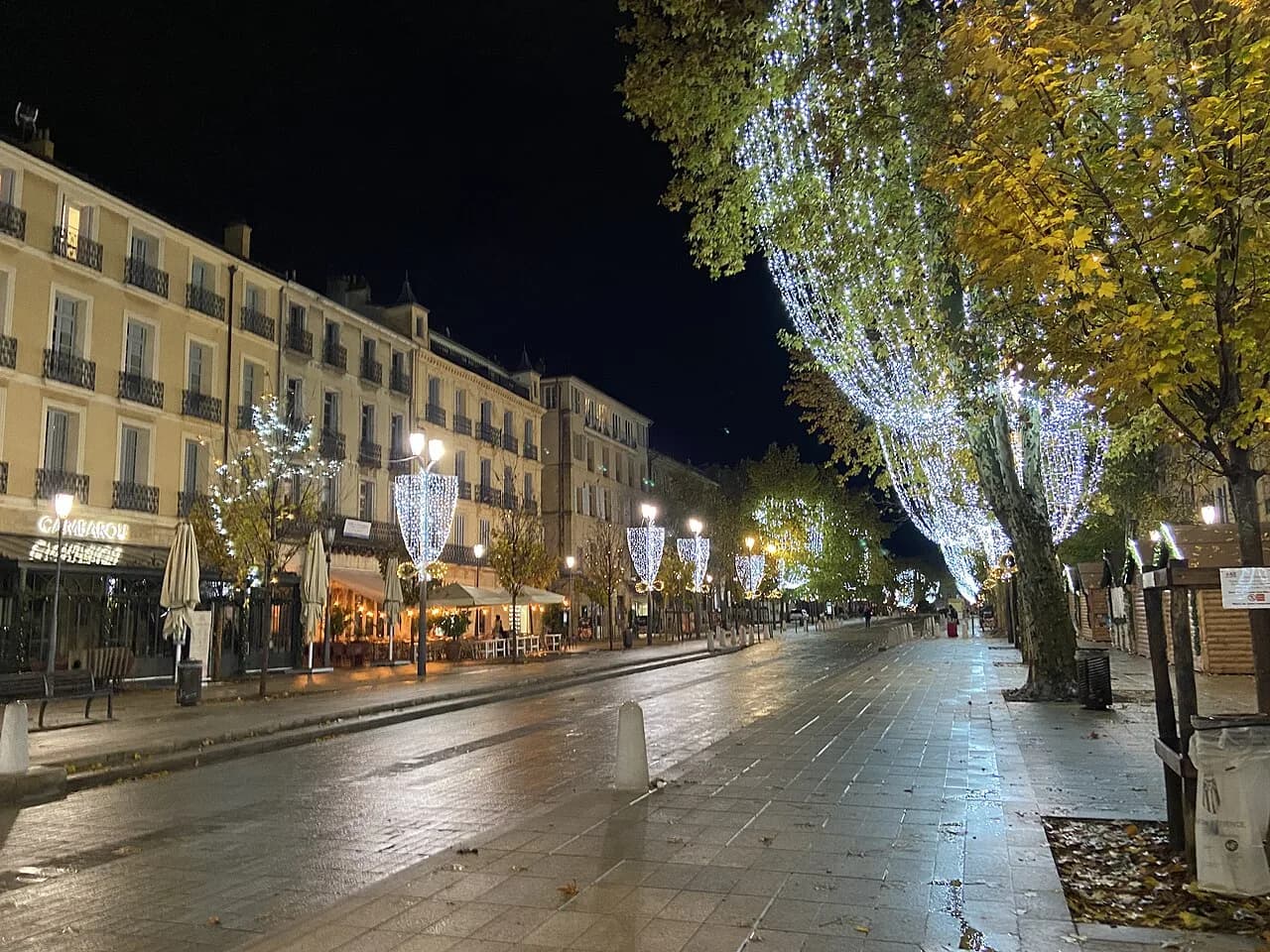
For the broader regional decision about where to stay, keep the town and the holiday purpose together. This shortlist starts once Aix is your intended destination: it compares hotel character and room choices. If accommodation around Cours Mirabeau is the next priority, use the wider Aix hotel comparison with the same sleeping requirements rather than switch to a different party or itinerary.
Cézanne: materials and room scale
Cézanne’s room page describes jute wall fabrics, hardwood furniture and soft colors in the Classic, with a queen bed and 16–18 m². The Deluxe is 22–27 m², with carved wooden panels and reading areas among its design details. We would compare these when materials and an indoor place to spend time matter more than the room name.
Choose the category around the evening you expect. If the room is mainly where you sleep before going out again, the more compact offer may serve the purpose you have set. If reading or sitting indoors is part of the stay, evaluate the offered sitting arrangement as well as the overall area. An upgrade earns its place when it changes a routine you care about.
The hotel’s shared terrace is built around a century-old plane tree with terracotta pots. Its honesty bar lets guests serve themselves and record what they consume. At 40 Avenue Victor Hugo, these are public hotel spaces to consider alongside the bedroom; they should remain separate from a request for outside space belonging to the room.
Augustins: a chapel building rather than a mansion
Hôtel des Augustins describes its setting as the chapel part of the Couvent des Grands Augustins, a fifteenth-century building, and gives 3 Rue de la Masse as the address. We would compare it when the building’s previous use is part of the appeal. That is a different starting point from choosing primarily for contemporary bedroom materials.
Decide whether you want the setting to be a daily part of the experience or simply an interesting arrival. If the bedroom will matter most afterward, move straight to its individual category. If two travelers value different things, agree which building feature is shared and which room requirement is essential. This keeps an attractive historical story from overwhelming the needs of the stay.
Augustins Attic or Superior: roof character versus room furniture
Augustins’ Attic page identifies two rooms under the roof, measuring 16 and 21 m², with Velux windows, bathtubs and a small staircase for access. Its Superior page describes 21–26 m² rooms with desks, armchairs and bathtubs. We would compare roof character with the indoor furniture you intend to use, while giving the stated stair approach its own weight.
For someone who likes the idea of a roof room, settle whether its approach fits the party before making that the preferred category. For someone expecting to work or sit in the room, compare the actual furniture in the offered bedroom. The larger category’s floor area alone is less useful than a clear answer about where each person will spend that time.
Quatre Dauphins: a small mansion stay with no lift
The tourist office describes Hôtel des Quatre Dauphins as a former nineteenth-century private mansion in Mazarin, with thirteen rooms, at 54 Rue Roux Alpheran. It explicitly states that there is no elevator. We would compare this setting when the small mansion format interests you, with that material lift restriction considered before the room appearance.
If stairs are unsuitable for anyone traveling, give that requirement the power to remove an otherwise appealing option. If the approach works for the party, judge the offered bedroom on its own terms. A small property need not be the same experience as a particular room: ask for the floor and bathroom arrangement that you need, and choose around that answer rather than the building’s age.
Le Pigonnet: outlook and distinct sleeping areas
Le Pigonnet’s room page pairs the Classic with courtyard views and the Superior Garden Views with gardens of either Le Pigonnet or Yellow Villa 1726. It describes antique furniture, original art and selected fabrics in its interiors. We would compare the outlook you want with those design details rather than assume every category gives the same view.
Choose what you want to look toward when using the bedroom, then keep that category attached to the offered room. A garden outlook may be your preference even when you do not want a terrace; someone who wants to sit outdoors has a different requirement. Ask about the particular offer that fits that intention rather than turn the hotel’s overall setting into a promise about every bedroom.
Compare living space rather than suite names
The Junior Suite at Cézanne is described as large open spaces giving onto a living room, from 27 m². Le Pigonnet’s Garden Suite instead describes two distinct sleeping areas. Those are useful distinctions for comparing how people will use the accommodation; neither wording should be silently converted into a guarantee of two enclosed bedrooms.
Picture one person reading while another goes to bed, or two people preparing at different times. Decide whether you need a separate activity area, distinct sleeping areas or a bedroom that closes off. Name that requirement plainly in the room request. The answer should determine the category you choose, rather than expect the word suite to solve all three needs.
Build a shortlist around the detail you will use
Make two offers compete on the same preference. A traveler interested in a building’s previous use could compare Augustins with Quatre Dauphins, then let the required room route decide between them. Someone planning to read in the bedroom could instead compare a Cézanne Deluxe offer with an Augustins Superior offer: the first describes reading areas, the second desks and armchairs. Ask where you would actually sit, whether that space serves both travelers and which offered arrangement makes the evening you want possible. Keep that preference separate from the building story, so a design detail earns its place by being used.
When the preferred character comes with a condition you cannot accept, change the room or property rather than weaken the essential requirement. When two offers work equally well, choose the feature you expect to enjoy repeatedly. We would use that last comparison to finish the shortlist, instead of keep adding hotels whose names suggest another possible style.
Choose the character you want in the room you book
Select the feature you want to use, then attach it to the actual room offer. A building story, a view and a living area serve different preferences; none should take the place of a workable bed and arrival route. We would choose the smaller shortlist that resolves those needs over a longer list of impressive hotel names.
Frequently Asked Questions
Which boutique hotel should I compare for historic building character?
We would compare the chapel setting at Augustins with the former private mansion at Quatre Dauphins. Choose which building interests you, then assess the offered bedroom separately. The building story alone should not settle the room layout or arrival route.
Does a Junior Suite guarantee separate bedrooms?
No. Cézanne describes open spaces giving onto a living room in its Junior Suite. A traveler who needs an enclosed bedroom should ask for that specific arrangement rather than treat the word suite as a floor plan.
Which Augustins room has a small staircase?
The operator identifies a small staircase for its Attic rooms. Keep that category-specific approach in the choice if stairs matter to someone traveling. It does not describe every room or every route through the hotel.
Does Hôtel des Quatre Dauphins have a lift?
The tourist office explicitly states that it has no elevator. If a lift is essential, make that restriction part of the shortlist before comparing room appearance. Choose the arrival and room arrangement that works for everyone in the party.
Does a garden-view category guarantee a private terrace?
No. An outlook and a space you can step into are separate requirements. Ask for the precise outside-space arrangement attached to the offered category if you intend to sit outdoors, rather than rely on a garden-view label.
Sources
You might also like

Continue reading
More guides you'll find useful


_02.jpg)