Boutique Hotels on the Amalfi Coast: Three Distinct Styles
Compare Amalfi Coast boutique hotels by their design and building character, from Praiano’s white interiors to a former monastery and Vietri tiles.
AI-assisted guide · Sources and editorial policy
On this page
For a boutique hotel on the Amalfi Coast, our first comparison would be Casa Angelina for contemporary white interiors, Monastero Santa Rosa for a former monastery and garden setting, and Marina Riviera for Mediterranean decoration in Amalfi. Choose the character you want to spend time with, then compare the room you would actually book. The accommodation should earn its place in the holiday through something you intend to enjoy.
This shortlist focuses on design, building character and scale. If your starting question is which part of the town should anchor the holiday, use our where to stay guide first. If your priority is a different overnight destination, Choosing a Positano Hotel Base on the Amalfi Coast develops that separate comparison. Bring that town preference back to the hotel choice.
Choose between modern interiors, a monastery and Mediterranean decoration
Imagine the afternoon you want at the accommodation. One traveler might enjoy looking at art in a largely white interior. Another might prefer spending that time in terraced gardens. A third might want the room’s ceramic decoration to be part of the experience. Those interests provide a useful starting order for the shortlist, without a universal winner.
For a shared trip, give each person one leading preference. If one wants modern art and the other wants decorative ceramics, compare how much time you intend to spend in communal spaces versus the room. That discussion can be more useful than upgrading within the first hotel you found. Keep any essential sleeping arrangement in the decision as well.
Casa Angelina: 36 rooms and a white aesthetic in Praiano
Casa Angelina’s current operator page describes a 36-room hotel with a white-washed aesthetic and contemporary artworks. Its address is Via Capriglione 147, Praiano. That gives this comparison a specific hotel and town, rather than folding the property into a general Positano shortlist.
Our editorial preference would be to investigate it when a modern interior is a main attraction. Someone who enjoys strong continuity of color across a hotel may value that aesthetic differently from someone who prefers many decorative patterns. Give yourself time in the itinerary to use the spaces that attracted you; a design-led booking has less purpose if you intend to see only the bedroom between outings.
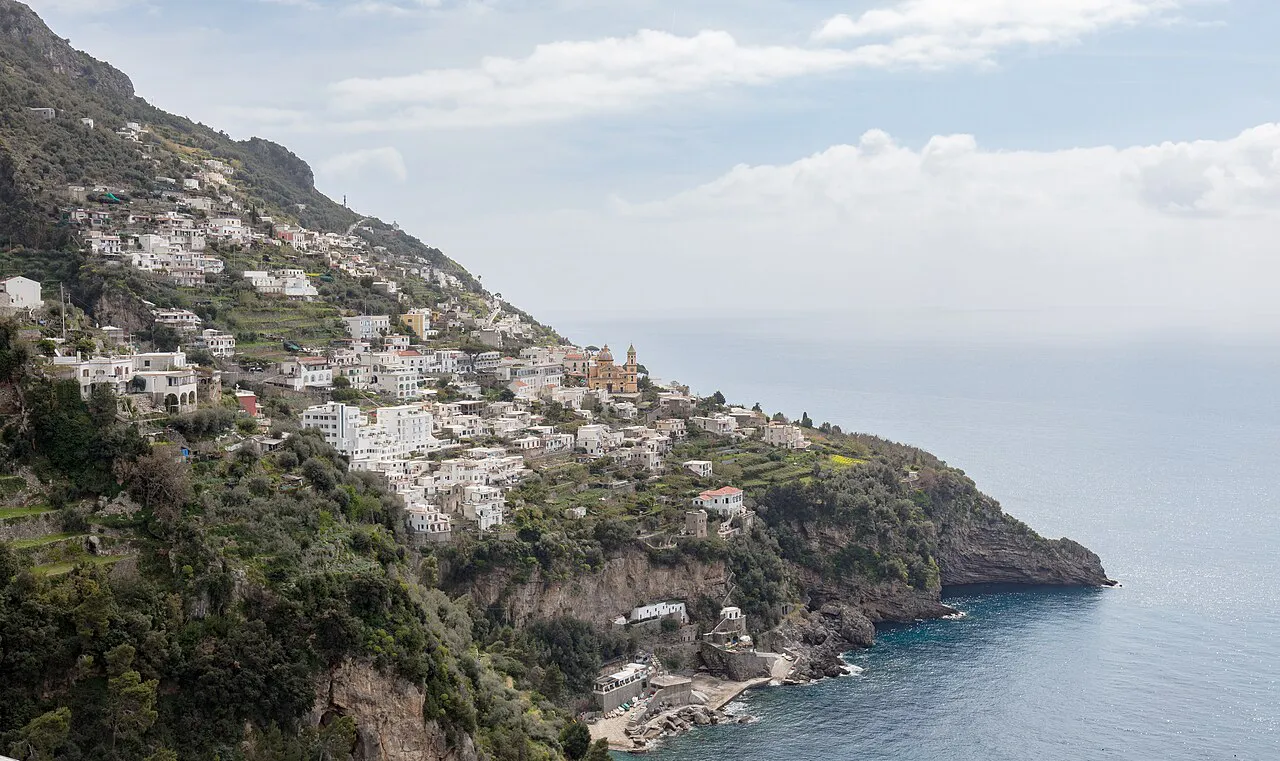
Casa Angelina’s art and lounge design: look beyond the bedroom photograph
The concept page attributes the white design to Marco de Luca. It describes white sofas and armchairs alongside a private art collection in the lounge spaces, and a white theme continuing through the rooms’ walls, tiles, beds and soft furnishings. Those details support a design comparison at both the communal-space and bedroom level.
Compare whether you want to spend time with that art collection or chiefly want the room’s visual style. These are different reasons for choosing the same property. For a shared trip, discuss the images each person responds to: a companion drawn to decorative ceramics may prefer the third option below. The hotel’s overall look is a useful shared decision, alongside the specific sleeping arrangement you need.
Monastero Santa Rosa: a former monastery in Conca dei Marini
Monastero Santa Rosa identifies its setting as Conca dei Marini, between Amalfi and Positano, and describes the building as a former Dominican monastery. Its 20 rooms and suites are spread over two levels. This describes the accommodation across the property; it does not mean that each room is a duplex.
We would give this option more weight when the converted building is itself the reason for the stay. A traveler interested in the relationship between an older structure and its present use can approach it differently from someone seeking a clean contemporary canvas. Compare the room you would actually occupy, while keeping the building experience as the leading interest.
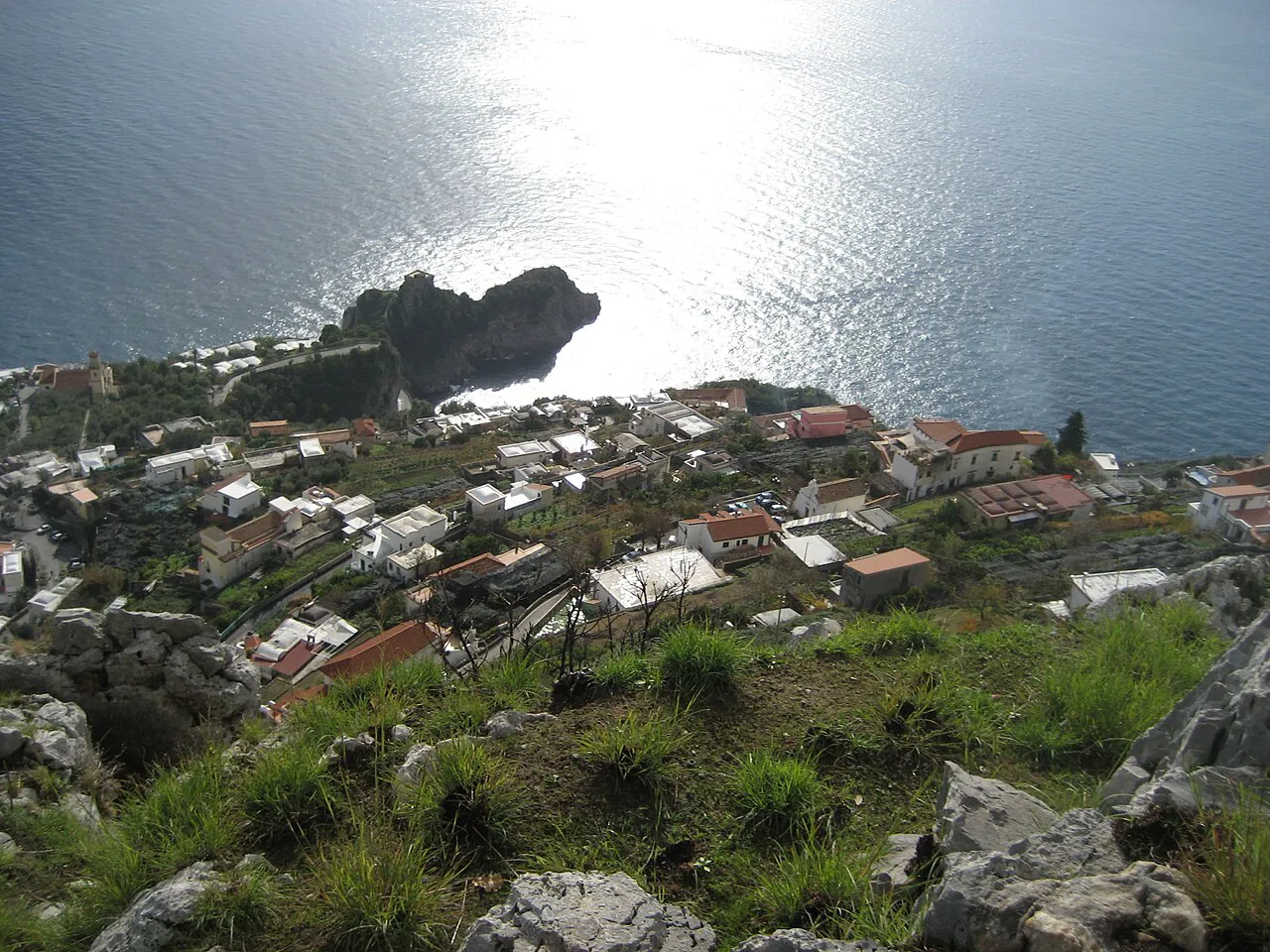
Monastero Santa Rosa’s gardens: the grounds are part of the comparison
The property page describes four garden levels, lounge chairs and canopied daybeds. The landscape descends from dining and bar terraces toward the cliff-edge infinity pool, at the lowest garden level. It also describes retaining original architectural details during the restoration. These are grounds and building features to consider together.
This is the option we would investigate for a holiday that gives time to the accommodation’s outdoor spaces. Distinguish that preference from requesting a terrace attached to your particular room: communal gardens and a private outdoor area answer different wishes. If steps or changes of level affect your choice, ask about the complete route to the booked category and the spaces you intend to use.
Marina Riviera: 34 rooms and hand-painted Vietri tiles in Amalfi
Marina Riviera lists 34 rooms across several categories, Mediterranean styling and tiles hand-painted by artisans from Vietri sul Mare. It gives Via Pantaleone Comite 19, Amalfi. Its hotel page also describes a terrace overlooking the sea and breakfast served there, which provides a communal setting to weigh alongside the bedroom decoration.
The history page traces earlier family management and describes continued restructuring and family operation. That continuing hotel story gives another point of interest alongside its ceramic decoration. We would compare those two interests with the monastery conversion or the modern white interior, depending on whether you prefer a long-running hotel identity or a particular decorative approach.
Marina Riviera’s Standard No View: the category changes the experience
The Standard No View description places this room on the top floor, at about 16 square metres, with two windows toward the back of the hotel and no sea view. It offers a queen bed or twin beds on request, plus a private bathroom with a shower and no bathtub. Hand-painted Vietri majolica remains part of this category’s decoration.
Consider it when the decorative style and hotel setting matter more than looking at the sea from bed. If an outlook is the main reason for booking, choose a category that explicitly provides it instead. If twins or a bathtub determine whether the room works, make the first an explicit request and rule out this category for the second.
Compare the experience you will use, then choose the room
Put the three leading interests beside the accommodation you would otherwise choose: modern art and white interiors, a converted monastery with gardens, or Mediterranean ceramic decoration. Give each a role in the trip. You might want one afternoon mainly at the hotel, several shorter pauses between outings, or a room that appeals visually even when the stay is chiefly elsewhere.
An art-led traveler may prioritize the lounges; a garden-led traveler may prioritize the grounds; someone drawn to tiles may be satisfied without a sea-facing bedroom. Use that preference to choose where your unplanned time belongs. Then request the category with the sleeping and bathroom arrangement you need, keeping the design interest that first attracted you in the comparison.
Choose the character that earns time in your holiday
Start with the accommodation experience you want to enjoy and choose the room that supports it. The three settings provide a focused comparison of contemporary design, a converted historic building and Mediterranean decoration. Give the visual interest, communal spaces and particular room separate weight, so the booking reflects the holiday you intend to take.
Frequently Asked Questions
Which Amalfi Coast boutique hotel should I compare for modern design?
Our shortlist would start with Casa Angelina for its white aesthetic and contemporary art. Consider how much time you want in the hotel’s communal spaces as well as the bedroom, then compare the category that meets your sleeping requirements.
Which option has a former monastery setting?
Monastero Santa Rosa provides the converted monastery example in this comparison. We would investigate it when the building and garden setting are leading interests, then choose the particular room around the party’s practical requirements.
Are the monastery’s rooms each over two levels?
The operator describes its rooms and suites as spread over two levels of the property. That statement does not establish a duplex layout for each accommodation. Request the layout of the category you intend to book.
Does Marina Riviera have sea views from every room?
Its Standard No View category has rear-facing windows and no sea view. Decide whether the bedroom outlook is a requirement, then request a category that explicitly supplies it. The hotel setting and the booked room’s view are separate choices.
How should I compare boutique character with the town I want?
Choose whether the hotel itself or the overnight destination is the leading reason for the stay. A design you want to spend time with can justify investigating a different property; a firm town preference should lead you to compare hotels within that plan.
Sources
You might also like
Continue reading
More guides you'll find useful